Table of Contents >> Show >> Hide
- Why This Trend Feels Bigger Than a Fancy Waiting Room
- The Lounge Boom: When Exclusivity Got Too Popular
- Rich Millennials Are Not One Thing
- Private Jets: From Ownership Flex to Membership Flex
- Why Travel, Not Stuff, Wins
- The Backlash: Crowding, Carbon, and Class Signals
- What the Travel Industry Has Learned
- Experiences on the Ground and in the Air: What This Trend Actually Feels Like
- Conclusion
For years, luxury travel had a very specific image: gray-haired executives, hush-hush concierges, and enough polished wood to make an old yacht jealous. Then millennials showed up with premium credit cards, remote jobs, an appetite for experiences, and a very modern talent for turning a boarding pass into a lifestyle statement. Suddenly, airport lounges became social currency, “premium” stopped meaning “occasional splurge,” and private aviation started marketing itself less like an heirloom and more like a subscription.
That shift has created one of the more fascinating travel stories of the past few years. Airport lounges are fuller, private jet brands are pitching flexibility instead of ownership, and airlines are making a serious bet that travelers will pay more for comfort, exclusivity, and a softer chair before takeoff. The phrase “rich millennials” can sound a little cartoonish, like everyone under 45 is either eating instant noodles or boarding a Gulfstream. Reality is messier, and far more interesting. Not every millennial is wealthy. Not every wealthy traveler flies private. But a visible slice of younger affluent and aspiring-affluent travelers is changing how the travel industry defines luxury, status, and convenience.
Why This Trend Feels Bigger Than a Fancy Waiting Room
At first glance, airport lounges seem like a small piece of the travel puzzle. They are, after all, just rooms with snacks, coffee, better Wi-Fi, and fewer screaming gate announcements. But culturally, they matter because they sit at the crossroads of comfort, aspiration, and visibility. A lounge is where travel stops feeling purely logistical and starts feeling curated. For younger travelers raised on brand ecosystems, loyalty perks, and experience-first spending, that matters a lot.
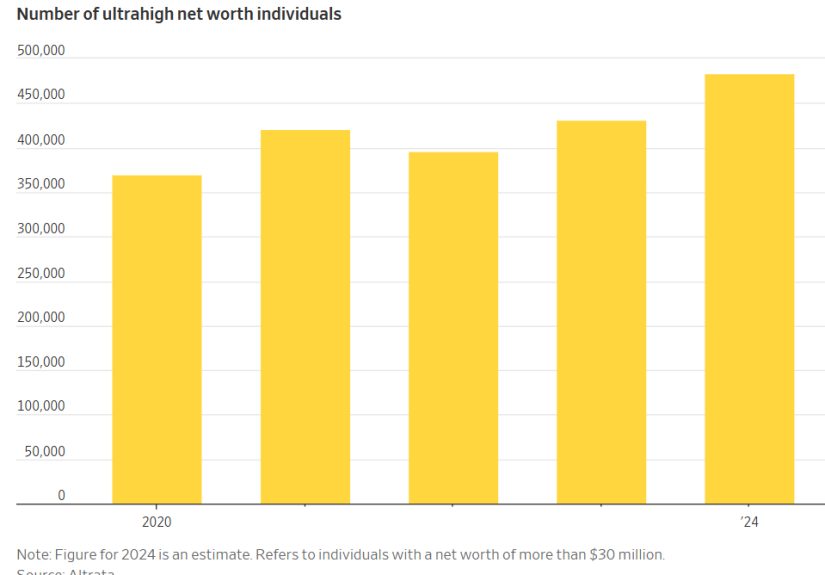
Millennials have also matured into their peak earning years at the same moment the travel industry became obsessed with premium upselling. That timing is not accidental background noise. It is the whole soundtrack. Wealth gains among younger families improved meaningfully in the latest Federal Reserve-backed data, but the distribution remains uneven, which helps explain why today’s luxury market includes both genuinely wealthy travelers and those who selectively splurge on one or two high-impact upgrades instead of going full billionaire cosplay.
In other words, “rich millennials” are part of the story, but so are “aspirational luxury” millennials: people willing to spend on lounge access, upgraded airfare, boutique hotels, or a once-a-year premium experience because they value how a trip feels as much as where it goes. The travel industry has noticed, and it is responding with the enthusiasm of a bartender spotting a platinum card.
The Lounge Boom: When Exclusivity Got Too Popular
Airport lounges used to feel like semi-secret territory. Then premium credit cards, loyalty programs, and social media combined to turn them into mainstream travel goals. That democratization was good for brand reach and terrible for the concept of “peace and quiet.” Once too many people got access, lounges stopped feeling exclusive and started feeling like nicer versions of the terminal, which is still better than the terminal, but not exactly the fantasy customers were paying for.
Airlines noticed the crowding problem quickly. Delta, one of the clearest bellwethers in premium travel, tightened access to its Sky Clubs after long lines and overcrowding became common complaints. It also rolled out a more rarefied layer of luxury through its Delta One Lounges in JFK, LAX, Boston, and Seattle, promising full-service dining, wellness features, and a more controlled premium environment. That move says a lot. When your premium lounge becomes too popular, the market solution is not to give up on luxury. It is to create an even higher floor for entry.
This is where affluent millennials matter. Many younger travelers helped fuel lounge demand through premium cards and points-savvy habits. Lounge access became not just a perk but a ritual: arrive early, avoid the gate scrum, charge everything, eat something better than a sad airport sandwich, post a quick travel photo, and begin the trip with an aura of competence. The lounge became part utility, part theater, part identity badge.
And yes, airlines are monetizing that beautifully. Delta has repeatedly reported that premium revenue continues to outperform its main cabin, while loyalty and premium products make up a large share of its diversified revenue base. Translation: premium travel is not a side hustle for airlines anymore. It is central to the business model.
Rich Millennials Are Not One Thing
The phrase “rich millennials” makes for a clickable headline, but it hides at least three distinct groups.
1. The Truly Affluent
These are founders, finance professionals, executives, inheritors, top doctors, elite consultants, and dual-income households with serious assets. For them, premium travel is not a special event. It is the default. Time matters more than ticket price, and friction is the enemy. Lounges, fast-track services, premium cabins, and occasional private aviation all fit neatly into that logic.
2. The Aspirational Luxury Buyer
This group is arguably more important to the market. They may not have eight figures, but they are willing to spend strategically on visible, memorable, or emotionally satisfying upgrades. McKinsey’s reporting suggests a meaningful share of the luxury travel market now comes from travelers whose net worth is far below stereotypical ultra-wealthy levels. These travelers love value, branding, loyalty benefits, and selective indulgence. They may book economy one month and a lie-flat business seat the next if the trip feels important enough.
3. The Experience Maximalist
These travelers are less interested in old-school luxury markers and more interested in story value. They might skip a five-star hotel but pay for the lounge, the best seat, a private transfer, or a helicopter tour. Their question is not, “Do I own the luxury?” It is, “Will this make the trip smoother, more memorable, and slightly more cinematic?” That mindset is very millennial, and the industry has learned to package around it.
Private Jets: From Ownership Flex to Membership Flex
Private aviation still belongs to the expensive end of the spectrum. Let us not get carried away and pretend a jet card is basically a coupon code. But the business has undeniably become more flexible. Instead of asking customers to buy an aircraft outright, providers increasingly emphasize memberships, fractional ownership, lease models, and fixed-hour programs. That lowers the psychological barrier for wealthy younger clients who want access without the commitment, maintenance headaches, or old-money aesthetics.
That shift matters because it aligns with how many affluent millennials consume luxury in general. They do not always want permanent ownership. They want access, convenience, personalization, and optionality. The same generation that normalized subscriptions in media, fashion resale, and coworking was always likely to warm to a version of private aviation that feels modular rather than ceremonial.
Private jet operators have been candid about this changing customer mix. Industry reporting has pointed to growing numbers of younger charter clients, including more travelers in their 30s and 40s. Meanwhile, providers like VistaJet and Flexjet pitch the exact things younger affluent customers tend to value: guaranteed access, flexible hours, customizable membership structures, and fewer risks tied to traditional ownership. It is luxury with less permanence and more control.
That does not make private flying ordinary. It just makes it more legible to a generation that thinks in terms of time saved, brand experience, and friction reduced. For some wealthy millennials, the appeal is not even the glamour, at least not publicly. It is efficiency. Private terminals, shorter boarding times, easier pet travel, more privacy, and tighter scheduling all matter. The Instagram glow is just a bonus layer of lacquer on top.
Why Travel, Not Stuff, Wins
One of the strongest forces behind this entire trend is the broader preference for experiences over possessions. Millennials came of age through recession anxiety, housing affordability problems, and a digital culture that made memories feel both more valuable and more shareable. That combination pushed many consumers toward spending on what they could feel, document, and remember.
Travel fits that logic perfectly. It offers sensory payoff, emotional payoff, and social payoff all at once. A lounge visit is not just a place to sit. A private terminal is not just a faster route to the plane. A premium cabin is not just a wider seat. All of these experiences say something about how the traveler wants the trip to begin, and often how they want to be seen. Modern luxury travel is partly about comfort, yes, but it is also about narrative control.
That is why social media matters here. Younger travelers are heavily influenced by what their networks share, and they, in turn, shape what looks desirable. The airport is no longer dead time. It is part of the travel story. Brands understand that. So they build lounge aesthetics, culinary partnerships, wellness add-ons, and locally themed touches that turn transit into content, conversation, and loyalty.
The Backlash: Crowding, Carbon, and Class Signals
Of course, none of this exists in a vacuum. The rise of premium travel and private aviation also invites criticism. Airport lounges get mocked when they become overrun. Premium-card culture gets roasted when the “exclusive” room has a waitlist. Private jets, meanwhile, remain lightning rods in debates over inequality, climate, and conspicuous consumption.
That tension is part of the story, too. Younger affluent travelers often want luxury that looks effortless rather than gaudy. They may prefer discretion to overt flash, wellness to old-school opulence, and personalization to gold-plated nonsense. But the underlying class signal is still there. A Delta One Lounge, a jet-card membership, or a private charter does not just solve inconvenience. It creates distance from the chaos that everyone else is managing.
And that, ultimately, is what money buys in travel now: not merely better stuff, but less friction. Less waiting. Less noise. Less unpredictability. Less exposure to the public messiness of modern infrastructure. The luxury is not only the leather chair or the premium whiskey. It is the shrinking of hassle.
What the Travel Industry Has Learned
The industry has absorbed several lessons from the rise of affluent and aspirational millennial travelers.
First, premium demand is broader than the old stereotype of luxury. Not everyone buying luxury travel is ultra-rich, and not everyone wants the same version of luxury. Some want exclusivity. Others want flexibility. Others want one perfect upgrade that makes the whole trip feel elevated.
Second, loyalty ecosystems matter. Credit cards, airline status, bundled perks, and premium memberships have turned travel into a layered consumer relationship rather than a single purchase. A traveler may not buy a private jet, but they may pay annual fees, chase status, book upgraded fares, and stay inside a branded ecosystem for years.
Third, premium experiences are now expected to perform emotionally and aesthetically. Good food, thoughtful design, wellness touches, privacy, and personalized service are not extras anymore. They are core differentiators. Travelers want utility, but they also want a vibe. Welcome to the era in which the airport chair has a brand strategy.
Experiences on the Ground and in the Air: What This Trend Actually Feels Like
To understand “Airport Lounges, Private Jets and Rich Millennials,” it helps to imagine the experience from the traveler’s side rather than the balance sheet’s. Picture a 36-year-old tech executive leaving New York for London. She arrives early, not because she loves airports, but because the lounge transforms the pre-flight experience from dead time into usable time. She has a quiet corner, a decent espresso, a shower if the day has already gone sideways, and a meal that does not taste like punishment. By the time boarding starts, she feels less like cargo and more like a customer. That feeling is the product.
Now picture a different traveler: a married couple in their late 30s with high incomes, one child, and very little free time. They are not private-jet owners and never intend to be. But for a milestone trip, they book a flexible premium itinerary with lounge access, upgraded seats, and private transfers because they want the vacation to begin before arrival. They are not buying transportation alone. They are buying a smoother emotional arc. No chaotic security-adjacent meal, no frantic hunt for outlets, no gate-area scavenger expedition for edible food. The luxury is not just plushness. It is relief.
Then there is the ultra-busy founder who uses a charter membership a few times a year. He does not do it because he wants to cosplay as a movie villain. He does it because one day can include meetings in two cities, because commercial schedules are inflexible, and because privacy matters when deals are involved. The aircraft is dramatic, sure, but the real seduction is control. He leaves from a private terminal, clears the formalities faster, boards in minutes, takes calls without a hundred strangers within earshot, and lands closer to where he actually needs to be. In his mind, the plane is not indulgence first. It is time arbitrage with leather seats.
There is also a softer, more social version of this trend. A younger affluent traveler walks into a top-tier lounge not looking for silence, but for atmosphere. The lighting is warmer than the terminal, the food looks intentional, and the whole place suggests that someone has anticipated stress before it arrived. These spaces often succeed not because they are wildly lavish, but because they are coherent. They replace airport randomness with sequence: check in, settle down, eat well, recharge, board calmly. In a culture where many people feel chronically rushed, that choreography can feel almost absurdly luxurious.
And yes, there is still old-fashioned glamour. Stepping onto a private jet or into a premium lounge can make even cynical travelers feel a little theatrical. The point is not that every rich millennial wants to be seen; plenty prefer privacy. The point is that premium travel now delivers both invisibly useful benefits and visibly symbolic ones. It saves time, reduces friction, and quietly announces that the traveler has found a way to move through the system differently. That combination is exactly why the category keeps growing.
Conclusion
Airport lounges, private jets, and rich millennials are not really three separate stories. They are three expressions of the same larger shift: modern luxury travel is increasingly about control, access, and emotional ease. Younger affluent travelers helped push that shift into the mainstream, while aspiring luxury buyers made it scalable. Airlines responded by building more premium layers. Private aviation responded by making access more flexible. And the airport, of all places, became a stage for identity as much as transit.
The result is a travel landscape where comfort is monetized, exclusivity is continually re-engineered, and the line between practical upgrade and status signal grows thinner by the day. Rich millennials did not invent luxury travel, but they absolutely helped redesign its mood board. Less mahogany club room, more frictionless ecosystem. Less inherited ritual, more curated experience. Less “Do you own the jet?” and more “Can you access the right version of convenience when you want it?”
That question may define premium travel for years to come.