Table of Contents >> Show >> Hide
- The Big Picture: Are Cashews Poisonous or Not?
- Cashews 101: The “Nut” That Comes With a Warning Label (Sort Of)
- The Real Villain: Urushiol and Cashew Shell Oil
- Why “Raw” Cashews in Stores Aren’t Truly Raw
- Cashews Can Still Be Dangerous: The Allergy Factor
- What About People Who React Strongly to Poison Ivy?
- How to Eat Cashews Safely (Without Turning Snack Time Into a Medical Drama)
- When to Get Help (Doctor, Allergist, or Poison Control)
- Conclusion: The Cashew Is Innocent. The Shell Is the Drama.
- Real-World Experiences: What People Commonly Run Into (And What They Learn)
- 1) The “raw” label panic in the grocery aisle
- 2) The DIY cooking experiment that goes sideways
- 3) The poison ivy veteran who gets cautious about cashews
- 4) The unexpected allergy moment at a party
- 5) The “I got a rash after eating cashewswhat gives?” mystery
- 6) The confident cashew eater who learns one new rule
- SEO Tags
Cashews have one of the best PR teams in the snack world: buttery, versatile, and somehow welcome at both fancy cheese boards and
gas-station road trips. But they also have a reputation that sounds like a campfire warning: “Don’t eat cashews raw… they’re poisonous!”
Here’s the truth: the cashew you buy and eat is safe for most people. The “poison” story comes from what surrounds the nut
before it becomes a snackspecifically, the shell and the oily compounds inside it. Add in the very real issue of
tree nut allergies, and you’ve got a topic that deserves a clear, practical breakdown (with a little humor, because we all need it).
The Big Picture: Are Cashews Poisonous or Not?
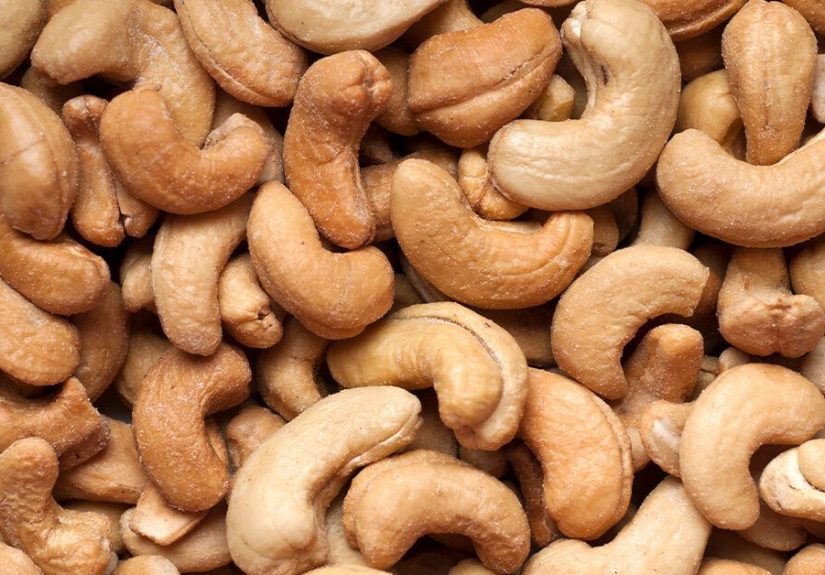
If you’re eating cashews from a grocery store bagroasted, salted, “raw,” flavored, plainthey’re not poisonous.
Commercial cashews are processed specifically to remove irritating compounds associated with the shell.
| Situation | What’s the risk? | What you should do |
|---|---|---|
| Eating store-bought cashews (including “raw”) | Generally safe for most people | Eat normally (unless you have an allergy) |
| Handling or cracking cashews in the shell | Skin irritation/burn-like rash from shell oils | Avoid DIY shelling; use protective gear and proper processing |
| Eating “cashews” that were incompletely processed | Rare but possible dermatitis-type reaction | Stop eating; wash hands; seek medical advice if symptoms appear |
| Cashew allergy | Can be severe, including anaphylaxis | Avoid cashews; follow your allergy plan; use epinephrine if prescribed |
Cashews 101: The “Nut” That Comes With a Warning Label (Sort Of)
Botanically, cashews come from the cashew tree (Anacardium occidentale)part of a plant family that includes some famously
irritating characters like poison ivy and poison oak. The “cashew nut” is actually a seed that grows attached to the cashew apple.
So why do cashews get singled out as “dangerous” compared to almonds or walnuts? Because cashews have a shell that’s basically nature’s
version of a “Do Not Touch” sign.
The Real Villain: Urushiol and Cashew Shell Oil
The chemical name you’ll hear most often is urushiolthe oily compound notorious for causing itchy, blistering rashes from
poison ivy, poison oak, and poison sumac. When people say “cashews are poisonous,” they’re usually referring to the fact that the
cashew shell contains irritating, urushiol-like oils.
Where the irritants live (and where they don’t)
The part you eatthe cashew kerneldoesn’t naturally come coated in doom. The problem is the shell and the oily layer in/around it,
often discussed as cashew nut shell liquid (CNSL). This shell oil includes compounds such as anacardic acid and cardol,
which are chemically similar to urushiol and can irritate skin.
What can happen if you handle cashew shells?
People who handle or process cashews without protection can develop contact dermatitisredness, itching, blisters,
swellingsimilar to poison ivy reactions. In some cases, exposure can be intense enough to feel burn-like.
That’s also why you almost never see cashews sold “in the shell” for casual snacking. Shelling and processing cashews safely is a real
industrial task, not a cute weekend craft.
Why “Raw” Cashews in Stores Aren’t Truly Raw
Here’s the plot twist: “Raw cashews” in U.S. grocery stores are typically heat-treated. That processing (often steaming
or roasting early in production) helps neutralize or remove shell oils so the final kernel is safe to handle and eat.
So what does “raw” mean on the label?
Usually, “raw” is marketing shorthand for not browned-toasty roasted and not flavored (no salt, no oil,
no seasonings). It doesn’t mean the nut skipped all heat during processing. In other words: “raw” often means “plain,” not “freshly picked
and untouched by human hands.”
Should you try to process truly raw, in-shell cashews at home?
Unless you have professional equipment and safety protocols, it’s a bad idea. The risk is not “mystery poison” so much as
skin and mucous membrane exposure to caustic shell oil. If you’ve ever had poison ivy, imagine voluntarily signing up for
a sequelon your hands.
Cashews Can Still Be Dangerous: The Allergy Factor
Most people worrying about “poisonous cashews” are picturing toxins. But the most serious risk from eating cashews in everyday life is
allergy.
Cashew allergy isn’t rareand it can be severe
Cashews are classified as a tree nut for food allergy purposes. Tree nut allergies can cause symptoms ranging from
hives and vomiting to swelling, trouble breathing, and anaphylaxis (a life-threatening reaction).
Common cashew allergy symptoms
- Itchy mouth or throat
- Hives, rash, or flushing
- Swelling of lips, face, tongue, or throat
- Stomach cramps, nausea, vomiting, or diarrhea
- Wheezing, coughing, shortness of breath
- Dizziness or fainting
If someone has known food allergies and symptoms suggest anaphylaxis (especially breathing trouble, throat tightness, or fainting),
that’s an emergencyfollow the person’s action plan, use epinephrine if prescribed, and seek urgent medical care.
Cashew and pistachio: the “cousins who show up together” problem
Cashew and pistachio are in the same botanical family, and cross-reactivity is well recognized. Practically, this means some people with
a confirmed cashew allergy may also react to pistachio and are often advised to avoid both unless an allergist says otherwise.
Food labels matter
In the U.S., tree nuts are a major food allergen, and packaged foods are required to clearly identify them on labels.
If you’re managing an allergy, label-reading is not optionalit’s your superpower.
What About People Who React Strongly to Poison Ivy?
This is where the “poisonous” rumor gets extra sticky (pun intended). Cashews are related to poison ivy, and the shell oil contains
urushiol-like compounds. There are documented reports of dermatitis associated with cashew consumption, particularly when
nuts were incompletely processed and still had residual oils.
Does that mean poison ivy sensitivity = you can’t eat cashews?
Not automatically. Many people who get poison ivy rashes eat cashews with zero issues. But if you’re someone who reacts intensely to
urushiol (or has had severe poison ivy/oak reactions), it’s reasonable to be cautious, especially with unusual products, bulk items, or
anything that seems improperly processed.
A practical rule of thumb
- Eating standard store-bought cashews: typically fine for non-allergic individuals.
- Handling cashew shells or “fresh” cashews from a farm: higher risk of skin exposureavoid without proper protection.
- Developing a rash after eating cashews: stop, wash hands/face, and contact a clinician for guidance.
How to Eat Cashews Safely (Without Turning Snack Time Into a Medical Drama)
1) Buy cashews from reputable retailers
Commercial processing exists for a reason. If your cashews are packaged for food sale, they’ve likely gone through steps designed to
remove shell oils and produce a safe kernel.
2) Don’t DIY the shelling
If you ever come across cashews still in the shell, treat them like you’d treat a “mystery cable” in a movie about hackers:
do not touch unless you know exactly what you’re doing.
3) Know your personal risk profile
- If you have a tree nut allergy, avoid cashews entirely and follow your allergist’s plan.
- If you have intense poison ivy sensitivity, stick to well-processed, mainstream productsand consider talking to a clinician if you’ve ever reacted to cashews.
- If you’re trying cashews for the first time (or giving them to a child), start small and watch for symptomsespecially if there’s family allergy history.
4) Watch for cross-contact
Even if a product doesn’t contain cashews as an ingredient, it may be made in a facility that processes tree nuts. For people with severe
allergies, those “may contain” statements can matter. Your allergist can help you interpret what level of precaution fits your situation.
When to Get Help (Doctor, Allergist, or Poison Control)
Consider getting medical advice if you experience a significant rash after exposure to cashew shells or after eating cashews, or if you
notice signs of an allergic reaction.
Seek urgent care immediately if there are signs of anaphylaxis
- Trouble breathing, wheezing, or throat tightness
- Swelling of the tongue or throat
- Fainting, severe dizziness, or confusion
- Multiple body systems involved (skin + breathing, or skin + vomiting, etc.)
For rash/skin exposure
If you suspect exposure to urushiol-like oils, washing promptly can help reduce skin reactions. For poison ivy–type exposure, reputable
medical resources commonly recommend gentle cleansing and symptomatic relief (cool compresses, topical options, and avoiding scratching).
In the U.S., Poison Control can also be a helpful resource for exposure questionsespecially when you’re not sure whether you’re dealing
with an irritant exposure, ingestion issue, or something else.
Conclusion: The Cashew Is Innocent. The Shell Is the Drama.
Cashews aren’t “poisonous” in the way people often mean it. The edible kernel is widely safe because it’s processed to remove irritating
shell oils. The real hazards are (1) exposure to shell oil from unprocessed/in-shell cashews and (2) genuine cashew allergy, which can be
serious.
So go ahead and enjoy your cashew butter, your curry, or your “I’m totally healthy” trail mix. Just don’t try to turn cashew processing
into a home hobbyand if allergies are part of your life, treat cashews with the respect you’d give any major allergen.
Real-World Experiences: What People Commonly Run Into (And What They Learn)
To make this topic feel less like a textbook and more like real life, here are a few experiences people commonly report around the whole
“Are cashews poisonous?” question. These are the kinds of scenarios that show up in households, offices, and group chatsbecause cashews
have a way of sneaking into everything from salads to vegan “cheese.”
1) The “raw” label panic in the grocery aisle
Someone picks up a bag labeled raw cashews, remembers a half-heard fact about poison ivy, and has a brief internal crisis right
next to the granola. The usual outcome? They Google it, discover that “raw” often means “not roasted for flavor,” and learn that
commercially sold cashews are typically heat-treated during processing to remove shell oils. The moral of the story: labels are helpful,
but they’re not always using words the way we use them in everyday conversation.
2) The DIY cooking experiment that goes sideways
A well-meaning home cook finds “fresh cashews” online (or from a market) and thinks, “How hard can it be? I’ll just crack these like
walnuts.” Then comes the surprise: cashews aren’t like walnuts. If the nuts are truly in-shell and unprocessed, the shell oil can irritate
skin, leading to redness, itching, or blisteringsometimes described as feeling like a chemical burn. People usually learn two things fast:
cashew processing is industrial for a reason, and gloves are not optional when dealing with unknown plant oils.
3) The poison ivy veteran who gets cautious about cashews
Some people react so strongly to poison ivy that they’ll do anything to avoid another rash. When they hear cashews are in the same plant
family, they start treating cashew snacks like suspicious characters in a mystery novel. In most cases, they eat normal store-bought
cashews with no trouble. But the experience is valuable because it leads them to avoid risky situations like handling unprocessed cashews
or buying questionable “farm-fresh” in-shell products. It’s less about fear and more about understanding where the exposure risk actually
lives: the shell oil, not the kernel in your snack mix.
4) The unexpected allergy moment at a party
Cashews show up in foods where people don’t expect them: creamy sauces, pesto-style spreads, dairy-free desserts, “cheese” boards made
vegan, and protein bars. A common real-world experience is someone with a tree nut allergy taking a bite of something that tastes “safe,”
only to discover cashews were used for texture. The takeaway becomes crystal clear: for allergies, the danger isn’t poisonit’s hidden
ingredients and cross-contact. After that, many people become dedicated label readers and ask the awkward (but important) question:
“Does this contain tree nuts?”
5) The “I got a rash after eating cashewswhat gives?” mystery
Every once in a while, someone reports a rash that appears after eating cashews and assumes they’ve been “poisoned.” Sometimes it’s
unrelated (skin does weird things). Sometimes it’s an allergy. And in rare casesespecially historicallyimproperly processed cashews with
residual shell oils have been associated with dermatitis-type reactions. The experience teaches a practical approach: stop exposure, wash
thoroughly, note what you ate, and get medical advice if symptoms are significant or recurring. The goal isn’t to diagnose yourself via
vibes; it’s to identify patterns and manage risk intelligently.
6) The confident cashew eater who learns one new rule
Plenty of people eat cashews their whole lives and never have a problem. Their “experience” is basically: “Cashews are delicious and I am
fine.” Even for them, the big learning is simple: don’t mess with cashews in the shell, and take allergies seriously.
It’s the snack equivalent of “don’t pet strange dogs” and “read the instructions before using power tools.”
If you remember only one thing from these everyday scenarios, make it this: the danger story is mostly about processing and allergy,
not about the cashew kernel secretly plotting against you from inside your trail mix.