Table of Contents >> Show >> Hide
- Why Balsamic-Roasted Broccoli Deserves a Spot on Your Table
- Ingredients for Balsamic-Roasted Broccoli
- How to Make Balsamic-Roasted Broccoli
- Tips for Perfect Balsamic-Roasted Broccoli Every Time
- Easy Variations on Balsamic-Roasted Broccoli
- Serving Ideas and Make-Ahead Tips
- Is Balsamic-Roasted Broccoli Healthy?
- Real-Life Experiences with Balsamic-Roasted Broccoli
- Final Thoughts
If your childhood memories of broccoli involve something gray-green and suspiciously soggy, this balsamic-roasted broccoli recipe is here to rewrite your entire life story. Roasting turns broccoli from “eat your vegetables” into “wait, who stole the last piece?”and a splash of tangy balsamic makes it taste like it came from a trendy bistro instead of your Tuesday-night kitchen.
In this guide, you’ll get a reliable, tested balsamic-roasted broccoli recipe, plus practical tips, simple variations, and real-life experiences to help you nail it every time. Whether you’re feeding picky kids, meal-prepping for the week, or just trying to eat more veggies without feeling sad about it, this recipe has your back.
Why Balsamic-Roasted Broccoli Deserves a Spot on Your Table
A flavor upgrade for basic broccoli
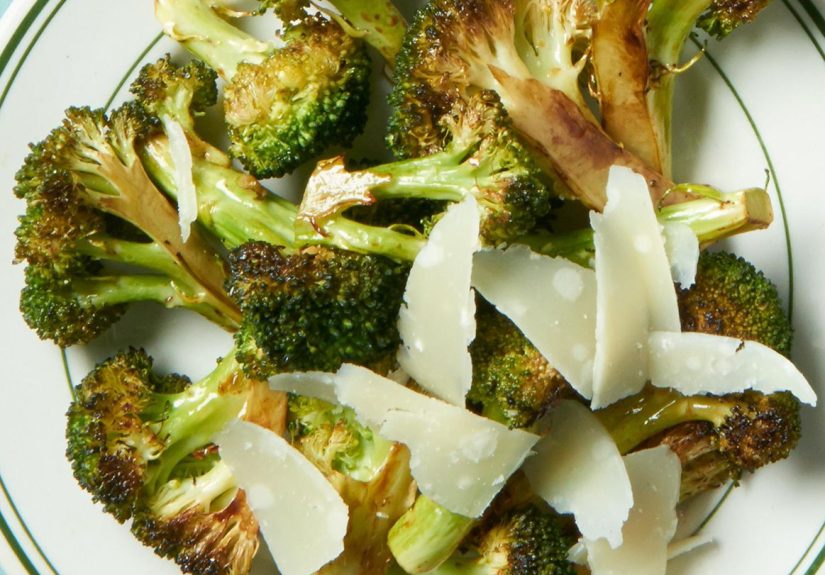
Roasting broccoli at high heat does a few magical things. The florets get crispy, the stems turn tender, and the natural sugars caramelize, creating those browned, almost nutty edges that you never get from steaming. Add balsamic vinegar, and suddenly you’ve got sweet, tangy, savory flavors all hanging out together on one pan.
Many professional recipe developers recommend roasting broccoli around 425°F (218°C), sometimes even hotter, to get those deeply golden edges without drying the vegetable out. Tossing the florets thoroughly in oil, giving them space on the pan, and flipping them once mid-roast are simple tricks that make the texture go from “meh” to “wow.”
Nutrition perks in every bite
Flavor is important, but broccoli is also one of the nutritional powerhouses of the vegetable world. As a cruciferous vegetable, broccoli is naturally low in calories but rich in fiber, vitamin C, vitamin K, folate, and beneficial plant compounds like sulforaphane. These nutrients support immune function, gut health, blood sugar control, and heart health.
Research on cruciferous vegetables suggests they may help reduce the risk of certain cancers, support healthy cholesterol levels, and protect against chronic inflammation. When you roast broccoli with a modest amount of heart-healthy olive oil, you’re not just making it tastieryou’re also helping your body absorb fat-soluble nutrients like vitamin K and certain antioxidants more efficiently.
Balsamic vinegar vs. balsamic glaze: which should you use?
Both balsamic vinegar and balsamic glaze work beautifully in this recipe, but they don’t behave quite the same:
- Balsamic vinegar is thin, tart, and complex. It’s perfect when you want a bright, tangy finish. A little goes a long way.
- Balsamic glaze is balsamic vinegar that’s been reduced into a thicker, sweeter syrup (sometimes with a bit of added sugar). It clings to the broccoli and delivers more concentrated sweetness.
If you like a more savory, tangy side dish, stick with regular balsamic vinegar. If you’re feeding kids or balsamic beginners, a drizzle of glaze might be the easiest way to win them over.
Ingredients for Balsamic-Roasted Broccoli
This recipe serves about 4 as a side dish.
- 1½ pounds fresh broccoli, cut into bite-size florets (stems peeled and sliced if you like)
- 3 tablespoons extra-virgin olive oil
- 2–3 tablespoons balsamic vinegar or 1–2 tablespoons balsamic glaze
- 3 cloves garlic, minced (or 1 teaspoon garlic powder if you’re in a rush)
- ¾ teaspoon kosher salt, plus more to taste
- ½ teaspoon freshly ground black pepper
- Optional: 2–3 tablespoons freshly grated Parmesan cheese
- Optional: pinch of red pepper flakes for heat
- Optional: 1 teaspoon lemon zest or a light squeeze of lemon juice for brightness
How to Make Balsamic-Roasted Broccoli
Step 1: Preheat the oven and pan
Set your oven to 425°F (218°C). For extra crispy edges, place a large rimmed baking sheet in the oven while it preheats. A hot pan helps the broccoli start roasting the second it hits the surface instead of steaming in its own moisture.
Step 2: Prep and dry the broccoli
Cut the broccoli into fairly even floretsaround 1½ to 2 inches across. If the stems are thick, peel the tough outer layer and slice the cores into coins or batons. They roast up sweet and tender and are way too good to throw away.
Make sure the broccoli is very dry. Excess water on the surface will turn into steam in the oven and prevent browning. If you’ve just washed it, pat it dry with a clean kitchen towel or paper towels.
Step 3: Toss with oil, garlic, and seasoning
In a large bowl, toss the broccoli with olive oil, garlic, salt, and pepper until everything is evenly coated. You want a light, glossy sheen on each floretenough oil to encourage browning, but not so much that it pools on the pan.
Step 4: Roast until caramelized
Carefully remove the preheated baking sheet (if using) and spread the broccoli into a single layer. Give the florets some breathing room; if they’re crowded or piled on top of each other, they’ll steam instead of roast. Use a second baking sheet if necessary.
Roast for 18–22 minutes, flipping the florets once about halfway through. You’re looking for deeply browned edges, tender stems, and a little char here and there. If your florets are small, start checking around 15 minutes to avoid overcooking.
Step 5: Add the balsamic at the right moment
You have two good options for when to add the balsamic:
- For regular balsamic vinegar: Drizzle it over the broccoli in the last 3–5 minutes of roasting and toss gently. This lets the vinegar reduce slightly in the heat, concentrating the flavor without burning.
- For balsamic glaze: Drizzle it on after the broccoli comes out of the oven. Glaze has more sugars and can scorch if it’s roasted too long.
Step 6: Finish with toppings and serve
Once the broccoli is roasted and kissed with balsamic, taste and adjust the seasoning. If it needs more pop, add a pinch of salt, a squeeze of lemon, or a tiny extra drizzle of balsamic.
For an upgrade, sprinkle on Parmesan, red pepper flakes, or lemon zest while the broccoli is still hot so the flavors meld nicely. Serve immediatelyroasted broccoli is at its best when it’s fresh from the oven and still crisp-tender.
Tips for Perfect Balsamic-Roasted Broccoli Every Time
1. Don’t skip the high heat
Roasting at lower temperatures tends to dry the broccoli out before it browns. Staying in the 425–450°F zone gives you that dream combo: crisp edges, juicy stems, and all the roasted flavor you want in a side dish.
2. Give the broccoli space
If your baking sheet looks crowded, that’s a sign you need another pan. Good air circulation around the florets is the difference between roasted and steamed. One simple rule: no overlapping, and as little touching as reasonably possible.
3. Cut florets to a similar size
Big, chunky florets take longer to cook than the little ones. Aim for similar sizes so everything finishes roasting at roughly the same time. If a few tiny pieces are getting too dark near the end, you can pluck them off the tray early and snack on them. Chef’s treat.
4. Use decent balsamic (but don’t panic about getting fancy)
You don’t need a super-expensive, decades-aged balsamic to make this recipe shine. A mid-range bottle labeled “balsamic vinegar of Modena” is usually perfect. Save the oldest, syrupy balsamic for drizzling over strawberries or cheese, and use the everyday bottle for roasting vegetables.
Easy Variations on Balsamic-Roasted Broccoli
Parmesan Balsamic Broccoli
During the last 5 minutes of roasting, sprinkle 2–3 tablespoons of grated Parmesan over the broccoli and return it to the oven. The cheese melts and browns slightly, adding a salty, nutty layer that pairs beautifully with balsamic.
Sheet-Pan Balsamic Broccoli with Protein
Turn this side dish into an entire meal by sharing the pan with protein:
- Scatter broccoli around seasoned chicken thighs or drumsticks.
- Roast broccoli alongside salmon fillets, adding the fish partway through so it doesn’t overcook.
- Pair with chickpeas tossed in olive oil, smoked paprika, and garlic for a vegetarian one-pan dinner.
Garlic-Chili Balsamic Broccoli
Add ¼–½ teaspoon red pepper flakes along with the garlic and oil for a spicy kick. Finish with balsamic glaze, and you’ve got a sweet-heat combo that’s surprisingly addictive.
Air Fryer Balsamic Broccoli
No desire to heat up the whole kitchen? Toss the seasoned broccoli in the air fryer basket and cook at 380–400°F for 8–10 minutes, shaking once or twice. Add balsamic at the end and toss again. You’ll get crispy edges in record time.
Serving Ideas and Make-Ahead Tips
How to serve balsamic-roasted broccoli
This dish is flexible and friendly. Try serving it with:
- Grilled or roasted chicken, turkey, or pork
- Pan-seared salmon, baked cod, or shrimp
- Quinoa, farro, or brown rice bowls topped with feta or goat cheese
- Pasta with olive oil, garlic, and shaved Parmesan
Storing and reheating leftovers
Store leftover balsamic-roasted broccoli in an airtight container in the fridge for up to 3–4 days. It won’t be as crisp as it was straight from the oven, but it’s still delicious.
To reheat, skip the microwave if you can. Instead:
- Spread the broccoli on a baking sheet and warm at 375°F for 6–8 minutes.
- Or toss it into a hot skillet with a tiny bit of oil and sauté until heated through.
Leftovers are great stirred into omelets, grain bowls, or even cold salads.
Is Balsamic-Roasted Broccoli Healthy?
Short answer: yes, especially compared to many traditional side dishes like creamy casseroles or deep-fried potatoes.
Broccoli brings fiber, vitamins, and protective plant compounds to the plate. Fiber supports digestion and helps you feel full and satisfied. Vitamins C and K support immune function, skin health, and healthy blood clotting. Compounds like sulforaphane and other phytochemicals in cruciferous vegetables have been studied for their potential roles in cancer prevention, heart health, and blood sugar control.
Olive oil contributes healthy unsaturated fats that can support heart health when used in reasonable amounts. Balsamic vinegar adds flavor with minimal calories; balsamic glaze is a bit higher in sugar but still used in small amounts. If you’re watching sodium, go easy on the salt and compensate with herbs, pepper, and acidity.
For most people, balsamic-roasted broccoli is a smart way to add more vegetables to the dayespecially if roasting is the one method that finally makes you actually enjoy eating them.
Real-Life Experiences with Balsamic-Roasted Broccoli
Every recipe has a story, and balsamic-roasted broccoli tends to come with a very specific one: “I didn’t think I liked broccoli until…” If you talk to home cooks who make this dish regularly, a few themes pop up over and over.
1. The picky eater conversion story. Many people first try balsamic-roasted broccoli because they’re desperate to get kids (or veggie-skeptical adults) to eat something green. The combination of crispy edges and a slightly sweet balsamic finish can be a game changer. One common strategy is to serve it like a snack instead of a “serious” side dishput a sheet pan of roasted florets in the center of the table and let everyone eat with their fingers. Suddenly it feels less like a chore and more like popcorn that happens to be really good for you.
2. The “I roasted it once and now it’s my default veggie” progression. Once people discover how easy roasted broccoli is, it tends to become their go-to. You toss everything on one pan, it cooks in under half an hour, and you can adjust the seasoning based on what else you’re serving. If dinner is Italian-inspired, use balsamic, garlic, and Parmesan. If it’s more Mediterranean, add lemon and maybe a sprinkle of feta. For an Asian-inspired meal, you can even swap the balsamic for a splash of soy sauce and rice vinegar on another night.
3. Learning curve: from steamed to roasted. If you’re used to steaming vegetables, the first time you roast broccoli can feel wrong. You may worry it’s burning because the edges are turning dark brown. But that color is exactly what you want. The key is to watch the line between golden-brown and actually burnt. Opening the oven to flip the broccoli halfway through helps you keep an eye on it and prevents hot spots from scorching a corner of the pan.
4. How meal-preppers use it. People who meal prep often roast a big batch of broccoli on Sunday and use it in different ways throughout the week. Day one, it’s a simple side with chicken. Day two, it gets chopped and tossed into a quinoa salad with chickpeas and olives. Day three, the last bits end up in an omelet or frittata with a little cheese. The balsamic flavor holds up well in the fridge and actually melds nicely with other ingredients over time.
5. The dinner party surprise factor. It’s always a little funny when a humble vegetable side dish competes with the main course for compliments. Balsamic-roasted broccoli has a habit of stealing the spotlight at dinner parties, especially if you finish it with good Parmesan and lemon zest. Guests often ask, “What did you do to this broccoli?” as if there’s some secret technique involved. In reality, it’s just high heat, space on the pan, a reasonable amount of oil, and that final drizzle of balsamic.
6. Mistakes people makeand what they learn. Over time, cooks learn what doesn’t work: too much oil makes it greasy, not enough oil leaves it dry; crowding the pan leads to soft, steamed florets; adding balsamic too early can burn it. Each “mistake” is really just a data point, and roasted broccoli is forgiving enough that it’s rarely inedible. Most people find their sweet spot after making it a few times and tweaking the timing, oven rack position, and amount of balsamic.
In the end, balsamic-roasted broccoli ends up being more than a recipe. It’s often the gateway dish that turns broccoli from a box you check for nutrition into something you genuinely look forward to. And once you’ve had those crispy, tangy florets right off the pan, it’s very hard to go back to limp, boiled broccoli ever again.
Final Thoughts
Balsamic-roasted broccoli is simple, fast, and surprisingly impressive. With just a handful of pantry ingredients and some high-heat roasting, you get a side dish that tastes good enough for guests and easy enough for a Wednesday night. It’s a flavorful way to eat more veggies, experiment with toppings, and convert a few broccoli skeptics along the way.