Table of Contents >> Show >> Hide
- What a “basket bed” really is (and why pets love it)
- Why “Gray Stripe” works in real homes
- Materials and construction: the “why it feels nicer” details
- Size and fit: who is this bed actually for?
- Comfort vs. orthopedic support: what to expect
- Where this bed looks best (and gets used most)
- Cleaning and maintenance: keep it cute without making it a hobby
- How to get your pet to actually use it
- What to look for when buying a Basket Bed in Gray Stripe style
- When this bed is the perfect choice (and when it isn’t)
- Conclusion
- Real-World Experiences With a Basket Bed in Gray Stripe
There are pet beds you buy because your cat (or tiny dog) needs somewhere to snooze… and then there are pet beds you buy because you’re tired of hiding the pet bed when guests come over.
The Basket Bed in Gray Stripe lives firmly in the second category: cozy enough for daily naps, stylish enough to sit out in the open without screaming “I came from the clearance aisle.”
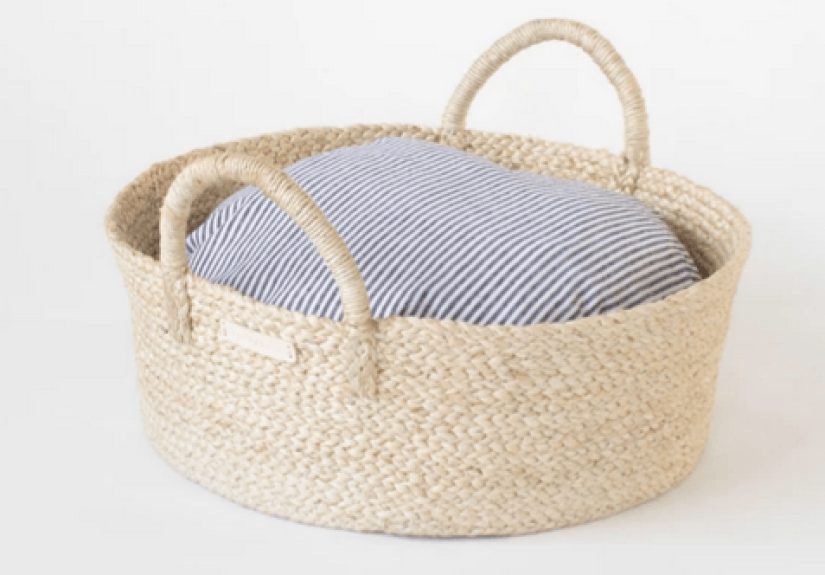
Think of it as a little design-forward nest: a woven basket base plus a soft cushion, finished with a neutral gray striped cover that plays nicely with pretty much any room.
In this guide, we’ll break down what makes a basket-style bed work so well for cats and small dogs, why gray stripes are basically the jeans-and-white-tee of home décor, and how to choose, place, clean,
and actually get your pet to use it (because pets love ignoring expensive purchases on principle).
What a “basket bed” really is (and why pets love it)
A basket bed is exactly what it sounds like: a supportive basket-shaped base that creates a shallow “bowl,” paired with a cushion that sits down inside it.
The magic is in the edges. Cats and small dogs often prefer sleeping spots that feel protected on the sidessomething they can curl into, lean against, and feel a little tucked-in.
That’s a big reason basket beds are popular for curlers (the pets who turn themselves into a cinnamon roll) and leaners (the pets who must have a wall, pillow, or your leg as a pillow).
The Basket Bed in Gray Stripe is designed specifically around that “tucked in” comfort: the cushion sits below the rim so pets can snuggle down into the bed instead of perching awkwardly on top like a loaf of bread on a plate.
The result is a nap zone that feels secure without being cave-like or overly enclosed.
Why “Gray Stripe” works in real homes
Gray stripes are a home styling cheat code. They read as clean and classic (think ticking stripe, coastal, farmhouse, modern minimalistpick your vibe),
and they don’t fight with other patterns the way loud prints sometimes do. They also help visually disguise the everyday realities of pet life:
a little fur, a little lint, maybe a mystery crumb your dog carried in like a tiny snack bandit.
Another win: gray is neutral, but stripes add structureso the bed feels intentional, not like a giant pillow that wandered off your couch and started a new life on the floor.
If your goal is “pet-friendly home” rather than “pet took over my home,” gray stripe is a smart move.
Materials and construction: the “why it feels nicer” details
The basket base: natural texture with a purpose
Many basket beds use plant fibers like jute because they’re sturdy, textured, and hold their shape well for that supportive “nest” effect.
Jute is widely used for strong woven goods (including burlap), which gives you an idea of its durability in everyday use.
In basket-bed form, it creates a base that’s firm enough to keep the bed structured but still comfortable once the cushion is in place.
The cushion: soft support, not just fluff
Comfort comes down to the cushionand a well-made basket bed doesn’t rely on a sad pancake pillow.
A quality cushion should have enough fill to be softly supportive, so your pet doesn’t sink straight to the floor.
The Basket Bed in Gray Stripe is commonly described with an alternative-down style cushion, which aims for that “sink in, but not disappear” feel:
plush on top, supportive underneath, and cozy enough that pets don’t treat it like a decorative object you bought for yourself.
The cover: a washable, lived-in-friendly fabric
The gray stripe look is typically achieved with a durable woven coveroften a linen/cotton blend or similarbecause it wears well and looks more elevated than slick synthetics.
The key feature to look for is removability: a cover you can unzip and toss in the wash is the difference between “cute bed” and “future regret.”
Size and fit: who is this bed actually for?
Basket beds shine for cats and small dogs.
If you’re shopping specifically for the Basket Bed in Gray Stripe style, you’ll commonly see it described around an approximately 18-inch diameter footprint and recommended for pets up to roughly 15–20 pounds.
That makes it a sweet spot for cats and small breeds (think Chihuahua-sized and similar).
How to pick the right size without guessing
Don’t measure your pet standing tall and proud like a show dog. Measure them in their natural habitat: asleep and sprawled like they pay rent.
A practical approach is to measure your dog from nose to tail while they’re relaxed, then compare that number to the bed’s usable interior space.
Also watch sleep style:
- Sprawlers need more flat surface area.
- Curlers love basket beds because the rim supports the curl.
- Leaners appreciate the sides as a built-in “pillow wall.”
If your dog is right at the top end of the weight rangeor is long-bodied (hello, Dachshund fans)pay attention to diameter and rim height.
A bed can technically “hold” your pet but still feel cramped if there’s no room to rotate, stretch, or do the classic three spins before lying down.
Comfort vs. orthopedic support: what to expect
Basket beds are excellent for security and everyday comfort. They’re especially popular for pets who like cozy edges and a den-like feel.
But if you’re shopping for a senior pet with arthritis or mobility issues, you’ll want to think in layers:
basket bed for the “nest,” plus a truly supportive cushion (like orthopedic foam) if joint relief is the priority.
A simple way to decide: if your pet gets up stiffly, hesitates before lying down, or avoids harder surfaces, prioritize support first.
You can still keep the gray stripe aestheticjust look for a thicker cushion insert or an orthopedic topper that fits inside the basket.
Where this bed looks best (and gets used most)
The best pet bed placement is the overlap of two things:
(1) your pet’s favorite hangout and (2) a spot that doesn’t get tripped over twice a day.
With a Basket Bed in Gray Stripe, you’ve got a bed you can actually leave in visible areas, so use that to your advantage:
- Living room corner: near the action, but not in the traffic lane.
- Bedroom: perfect for pets who want to sleep “near” you without taking your pillow.
- Sunny window zone: for cats who run on solar power.
- Home office: a polite alternative to your keyboard (no promises).
Bonus design tip: gray stripe pairs beautifully with natural textureswood, rattan, linen curtains, woven basketsso it feels like part of your room, not a pet accessory that accidentally moved in.
Cleaning and maintenance: keep it cute without making it a hobby
The goal is simple: a bed that survives real life. A basket bed with a removable, washable cover is doing most of the work for you.
Here’s a practical cleaning routine that keeps odors, fur, and “why does this smell like outside?” under control:
Weekly quick care
- Shake out loose fur and crumbs outdoors (your future vacuum will thank you).
- Vacuum the cushion surface and the rim area where fur collects.
- If your pet has had fleas before (or you’re being proactive), washing bedding weekly is often recommended as part of prevention routines.
Wash cycle strategy (without ruining the fabric)
Many pet-bed covers do best with a gentle approach: remove the cover, wash on a gentle cycle, and use cool or cold water when the care label allows.
Air-drying or line-drying helps preserve shape and reduces shrink riskespecially for woven blends.
Spot-cleaning the basket
For a woven basket base, think “spot clean,” not “full soak.”
If the basket gets soiled, blot moisture first and gently scrub with a damp sponge.
A wet/dry vacuum can be surprisingly helpful for pulling moisture back out of textured fibers after spot cleaning.
Accidents happen (because pets)
If there’s a mess, act fast: remove the cover, blot, and use an enzymatic cleaner on washable surfaces when appropriate.
The faster you deal with it, the less likely it becomes a permanent “memory” embedded in the cushion.
How to get your pet to actually use it
Yes, this is the part where you realize your pet has opinions.
Here’s what tends to work without turning your living room into a negotiation table:
- Start with familiar scent: add a small blanket your pet already sleeps on.
- Reward curiosity: treats for sniffing, stepping in, or lying downtiny wins count.
- Choose the right location: put the bed where your pet already naps, then relocate gradually if needed.
- Make it the best seat in the house: a slightly warmer spot, a calmer corner, less foot traffic.
If your pet is a dedicated chewer, keep an eye on any bed with woven fibers and seams. Some pets treat texture like a puzzle to solve with their teeth.
In that case, placement (supervised areas) and providing appropriate chew options can help keep the bed intact.
What to look for when buying a Basket Bed in Gray Stripe style
If you’re comparing optionswhether you’re shopping the specific “Basket Bed in Gray Stripe” design or a similar lookuse these checkpoints:
Quality checklist
- Removable cover with a sturdy zipper (bonus if it’s positioned to reduce chew temptation).
- Washable cushion or at least a washable cover plus a protective liner.
- Supportive fill that won’t flatten into a sad tortilla after a month.
- Structured basket base that stays stable and doesn’t collapse when your pet steps in.
- Ethical sourcing if that matters to youlook for credible certifications and clear sourcing statements.
Household reality checklist
- Shedding level: medium gray stripes are forgiving, but very light pets on dark fabric (or vice versa) will still show fur.
- Odor control: washable components matter more than any “fresh scent” marketing.
- Space: basket beds look great, but make sure the size suits your room’s traffic flow.
When this bed is the perfect choice (and when it isn’t)
Perfect if you have…
- A cat who loves curling into baskets, laundry piles, or any circular object you dared to leave on the floor.
- A small dog who wants to nest and lean against edges.
- A home where style matters, and you want pet gear that blends in.
- A preference for natural texture and neutral tones.
Consider other options if you have…
- A large dog (basket beds this size won’t be comfortable long-term).
- An aggressive chewer who targets seams and woven fibers.
- A senior pet who needs true orthopedic foam support as the top priority.
Conclusion
A Basket Bed in Gray Stripe is one of those rare pet purchases that checks both boxes: your pet gets a cozy, secure spot to rest, and you get something that looks intentionally chosen.
The basket shape supports curling and leaning, the neutral stripe pattern fits into most décor styles, and the best versions of this bed make cleaning realisticbecause “machine washable” is the love language of anyone who owns a pet.
If you’re buying for a cat or small dog, prioritize the right size, a washable cover, and a cushion that stays supportive.
Place it where your pet already likes to lounge, add a familiar blanket, and let your pet “discover” it at their own pace.
Done right, it becomes a daily nap favoriteand not a decorative object your pet avoids out of sheer stubbornness.
Real-World Experiences With a Basket Bed in Gray Stripe
To make this practical, here are some common “real home” experiences people run into with a basket-style striped bedwhat tends to happen, what works, and what surprises you (usually at 2 a.m.).
These aren’t one-size-fits-all rules, but they mirror patterns that show up again and again when cats and small dogs meet a cozy basket bed for the first time.
1) The cat who ignored it… until you moved it six inches
A very normal experience: you place the bed in a thoughtfully styled corner, step back, and wait for your cat to appreciate your interior design.
Your cat, meanwhile, sleeps in a cardboard box like an unpaid intern.
Then, you move the basket bed slightlymaybe closer to the window light or just out of a draftand suddenly it’s the hottest reservation in the house.
Cats often pick sleep spots based on tiny environmental details (warmth, airflow, sightline to the hallway, proximity to “their” humans).
The lesson: if your cat doesn’t use the basket bed at first, don’t assume they hate it. Assume the location is “incorrect” according to the Cat Committee.
2) The small dog who treats the rim like a pillow
Small dogs that love to curl up frequently end up using the basket rim as a chin rest.
It’s the dog version of propping yourself on a throw pillowexcept cuter and with more sighing.
Owners often notice their dog settling faster in a basket bed than in a flat mat because the edges provide a sense of boundary.
For anxious or easily startled pups, that “tucked in” feeling can help them relax, especially in busy rooms where things move around.
3) The “it matches the house” moment (and why that actually matters)
A gray striped basket bed has a funny side effect: you stop relocating pet gear before company comes over.
When the bed looks like it belongs, it stays outso your pet uses it more consistently.
That consistency matters: pets build routines around “their” spots, and a bed that’s always available (instead of stored away) becomes a dependable comfort zone.
People who work from home often place this kind of bed near a desk or in a living room corner, and pets start using it as their “I’m with you” station.
It’s not just aesthetics; it’s about making the bed part of daily life.
4) The first mess (and the difference a washable cover makes)
Sooner or later, something happens: muddy paws, a hairball, an “oops” moment, or the mysterious wet spot that appears like a plot twist.
Owners who choose basket beds with removable covers usually have the same reaction: relief.
You strip the cover off, wash it, and move on. The basket may need spot cleaning, but the bed doesn’t become landfill.
A helpful habit is to keep a spare cover or a thin washable throw blanket you can rotateespecially if your pet has allergies, seasonal shedding bursts, or a talent for finding puddles outdoors.
5) The upgrade path: seasonal swaps and comfort tweaks
Another common experience is “seasonal nesting.”
In warmer months, pets often sprawl more, and you might remove extra blankets so the cushion feels cooler.
In colder months, you add a soft layerlike a small fleece throwso the basket bed becomes a warm little nest.
Some owners also slip a thin supportive pad under the cushion insert if their pet is getting older and needs more joint comfort,
keeping the same gray stripe look while quietly improving support.
The takeaway: the basket bed can stay your base, and you can adjust comfort with simple layers rather than buying a whole new bed every year.