Table of Contents >> Show >> Hide
- What “BBQ Roast” Means (So We’re All on the Same Drumstick)
- Pick Your Turkey Breast
- BBQ Roast Turkey Breast Ingredients
- Equipment You’ll Want
- Step-by-Step BBQ Roast Turkey Breast
- Time & Temperature Cheat Sheet
- Food Safety Notes (Important, Not Scary)
- Flavor Variations (Same Method, New Vibes)
- What to Serve With BBQ Roast Turkey Breast
- Leftovers and Storage
- Troubleshooting (Because Turkey Can Be Dramatic)
- of Real-World “Experience” Notes (What Most Backyard Cooks Notice)
- Conclusion
Turkey breast gets a bad rap: “dry,” “meh,” “leftover-only,” andmy personal favorite“tastes like polite cardboard.”
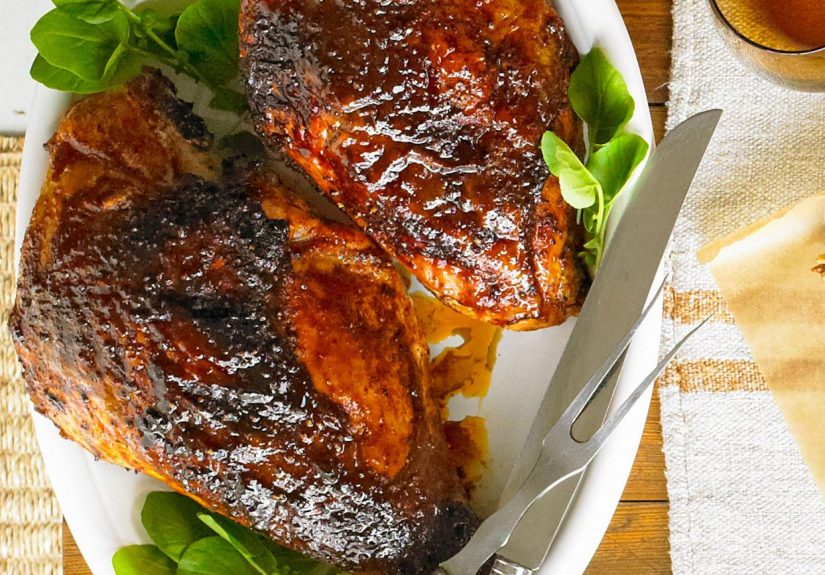
But BBQ roasting fixes that. You get juicy slices, a kiss of smoke, and a sticky-sweet BBQ glaze that makes people
suddenly “remember” they were always turkey fans.
This recipe is built for real life: a backyard grill (gas or charcoal), a pellet grill, or a smoker that can run
steady in the 325–350°F range. It’s not a low-and-slow marathon. It’s a roastoutsideBBQ-style.
The goal is simple: season deeply, cook evenly, and stop at the right temperature.
What “BBQ Roast” Means (So We’re All on the Same Drumstick)
“BBQ roast” is indirect heat at a moderate temperature (think oven roasting, but on the grill),
with optional smoke, and finished with a glossy BBQ sauce glaze. It’s the best of both worlds: roast-level tenderness
and BBQ-level flavor.
Pick Your Turkey Breast
Bone-in vs. boneless
- Bone-in, skin-on breast: More forgiving, better flavor, and the skin can actually crisp.
- Boneless breast roast: Cooks faster and slices neatlyjust be extra careful not to overcook.
Size sweet spot
A 3–6 lb turkey breast is ideal for most grills. Bigger is possible, but you’ll need more time,
a steadier fire, and the patience of a saint watching a thermometer.
BBQ Roast Turkey Breast Ingredients
Turkey
- 1 turkey breast (3–6 lb), preferably bone-in, skin-on
- 1–2 tbsp neutral oil (or melted butter) for the skin
Dry brine (recommended for juicy meat + better browning)
- 1–1½ tsp kosher salt per pound of turkey breast
- Optional: ½ tsp baking powder per pound (helps skin crisp)
BBQ spice rub
- 2 tbsp brown sugar
- 1 tbsp paprika (smoked paprika if you want extra “campfire energy”)
- 2 tsp black pepper
- 2 tsp garlic powder
- 2 tsp onion powder
- 1 tsp chili powder
- ½ tsp ground cumin
- ½–1 tsp cayenne (optional, depending on your spice bravery)
BBQ glaze
- ¾ cup BBQ sauce (your favoritesweet, spicy, tangy… choose your character class)
- 1–2 tbsp apple cider vinegar (optional, to brighten)
- 1 tbsp honey or maple syrup (optional, for extra shine)
Equipment You’ll Want
- Meat thermometer (non-negotiableturkey breast dries out fast)
- Grill/smoker/pellet grill set up for two-zone cooking (indirect heat)
- Drip pan (optional but handy for less flare-up drama)
- Wood chunks or pellets (optional): apple, cherry, pecan, or a little hickory
Step-by-Step BBQ Roast Turkey Breast
Step 1: Dry brine (the “why is this so good?” step)
Pat the turkey breast dry. Sprinkle kosher salt evenly over all surfaces. If using baking powder, mix it with the
salt first. Place the turkey on a rack over a tray (or on a plate) and refrigerate uncovered
for 8–24 hours.
Why it works: salting ahead seasons deeper, helps the meat hold onto moisture, and dries the skin so it browns better.
Translation: juicy slices and less rubbery skin.
Step 2: Make the rub + glaze
Mix the rub ingredients in a bowl. In a separate bowl, stir the BBQ sauce with vinegar and honey/maple if using.
(Yes, you can use bottled sauce. This is BBQ, not a purity test.)
Step 3: Season the turkey
Remove turkey from the fridge about 30–45 minutes before cooking. Lightly brush the skin with oil
(or butter), then apply the rub generously. If the turkey is already salted from dry brining, go lighter on the rub
if your BBQ sauce is also salty.
Step 4: Set up your grill for indirect heat (325–350°F)
- Gas grill: Turn on one side to medium (or medium-high) and keep the other side off. Turkey goes on the OFF side.
- Charcoal: Bank coals to one side. Turkey goes on the cool side. Add a drip pan under the turkey if you like.
- Pellet grill: Set to 325°F. If your model has “super smoke,” use it early on, not at the finish.
Add wood (optional). Go easy. Turkey breast is delicatetoo much smoke and it tastes like it spent a semester abroad in a fireplace.
Step 5: BBQ roast until almost done
Place the turkey breast skin-side up on the indirect side. Close the lid. Maintain
325–350°F.
Start checking internal temperature early. Insert the thermometer into the thickest part of the breast, avoiding bone.
You’re aiming for a final safe temperature of 165°F. Many cooks pull turkey breast around
160°F and let carryover heat finish the jobespecially if you’ll rest it properly.
Step 6: Glaze at the end (so it doesn’t burn)
When the turkey hits 150–155°F, brush on a thin layer of BBQ glaze. Close the lid and let it set
for 10–15 minutes. Add a second thin layer if you want a stickier finish.
Keep the glaze layers thin. Thick sauce early = burnt sugar situation. Thin sauce late = shiny, lacquered perfection.
Step 7: Rest, then slice like you mean it
Remove turkey when the thickest part reaches 160–165°F (see safety note below), then rest
15–25 minutes before slicing. Resting lets juices redistribute and helps carryover cooking finish.
Slice against the grain. For boneless roasts, cut into ¼–½-inch slices. For bone-in, carve along the breastbone,
then slice.
Time & Temperature Cheat Sheet
Time is an estimatetemperature is the truth. Grill airflow, turkey shape, and weather all affect cook time.
| Turkey Breast Size | Grill Temp | Approx. Time | Target Internal Temp |
|---|---|---|---|
| 3–4 lb | 325–350°F | 60–90 min | 160–165°F, then rest |
| 4–6 lb | 325–350°F | 90–140 min | 160–165°F, then rest |
| 6–8 lb | 325–350°F | 140–200 min | 160–165°F, then rest |
Food Safety Notes (Important, Not Scary)
-
For safety, turkey (all poultry) should reach 165°F in the thickest part of the breast.
Use a thermometerguessing is how turkey turns into a trust issue. -
If you pull the turkey at 160°F, be sure you rest it properly so carryover heat brings it to
165°F. - Don’t rely on a pop-up timer. Digital thermometer wins every time.
Flavor Variations (Same Method, New Vibes)
1) Carolina-ish tang
Use a vinegar-forward BBQ sauce (or add extra cider vinegar) and skip the honey. Great if you like bright, punchy turkey.
2) “Holiday BBQ”
Add ½ tsp ground sage + ½ tsp dried thyme to the rub. Serve with cranberry BBQ sauce if you want applause.
3) Spicy-sweet
Use spicy BBQ sauce and add a pinch of chipotle powder. Finish with a tiny drizzle of honey right before serving.
What to Serve With BBQ Roast Turkey Breast
- Classic: coleslaw, cornbread, baked beans
- Lighter: grilled vegetables, citrusy salad, roasted sweet potatoes
- Sandwich mode: brioche buns, pickles, extra sauce, and a nap schedule
Leftovers and Storage
- Refrigerate: Store sliced turkey in an airtight container for up to 3–4 days.
- Freeze: Freeze sliced turkey (with a little broth or gravy to keep it moist) for up to 2–3 months.
- Reheat smart: Warm gently, covered, with a splash of broth. High heat turns turkey breast into sawdust.
Troubleshooting (Because Turkey Can Be Dramatic)
My turkey breast is dry. What happened?
Most likely: it cooked past target temp. Turkey breast has a narrow “juicy window.” Next time, cook at 325–350°F,
use a thermometer, and pull earlier with a proper rest. Dry brining helps too.
The skin is rubbery, not crisp.
Make sure the skin is dry before cooking (uncovered fridge time helps). Use a little oil/butter on the skin.
If needed, finish the last 10 minutes closer to 375°F (still indirect) to tighten the skin.
The glaze burned.
You applied it too early or too thick. Sauce goes on late and thin. Think “lacquer,” not “mud mask.”
It tastes salty.
If you dry brined and used a salty rub and a salty sauce, the salt stacked up. Next time: reduce rub salt (or use a salt-free rub)
and choose a less salty sauce.
of Real-World “Experience” Notes (What Most Backyard Cooks Notice)
The first time you BBQ roast a turkey breast, the biggest surprise is how fast “fine” turns into “done.”
Turkey breast doesn’t give you a lot of warning. It’s not like pork shoulder where you can wander off, do chores,
and come back two hours later like a triumphant cave person. Turkey breast is more like a toddler with markers:
you look away for a second and suddenly the walls are “abstract expressionism.” That’s why the thermometer is the MVP.
Another common moment: you’ll start out thinking, “This is taking forever,” and then the temperature climbs like it’s late for work.
Many grillers notice the last 15 degrees go quickly, especially once the exterior is hot and the meat has soaked up enough heat.
That’s also why the glaze belongs at the endsugar-based sauces can go from glossy to burnt in the time it takes to answer a text.
People also report a big difference between “low and slow smoke” and “BBQ roast.” Low and slow can work, but turkey breast
can dry out if it spends too long in the heat. BBQ roasting at 325–350°F tends to finish faster and more evenly, which is great
for lean white meat. If you love smoke flavor, you can still get itjust add a small amount of mild wood early and let the turkey
roast like it owns the place.
A very relatable experience: the panic slice. Someone always wants to cut it immediately “to check.”
Try to resist. Resting isn’t chef theater; it’s moisture management. Cooks who rest the turkey 15–25 minutes usually notice
cleaner slices and less juice flooding the cutting board. (Less “sad puddle,” more “juicy bite.”)
Flavor-wise, the crowd tends to split into two camps: “give me all the sauce” and “let the turkey taste like turkey.”
The glaze method keeps both camps happy because it puts BBQ flavor on the outside without turning the entire roast into
a sugar bomb. If you’re serving picky eaters, this is a sneaky win: slice the turkey, then offer extra sauce on the side.
Everyone feels catered to, and you didn’t have to cook two separate proteins like a short-order cook at Thanksgiving.
Finally, don’t underestimate sandwich destiny. Many home cooks say the best part of BBQ turkey breast isn’t the first meal
it’s day two. Thin slices, a soft bun, pickles, a little slaw, and just enough sauce to make it messy in a joyful way.
Suddenly, turkey breast isn’t “the healthy option.” It’s the thing people hover around in the fridge like it owes them money.
Conclusion
BBQ roast turkey breast is the sweet spot between weeknight-easy and “wow, you made this?” impressive. Dry brine if you can,
cook with indirect heat at 325–350°F, glaze late, and trust the thermometer more than your instincts. Do that, and turkey breast
stops being a compromise and starts being the main event.