Table of Contents >> Show >> Hide
- What Makes This Coconut Curry Sauce So Good?
- Best Coconut Curry Sauce Recipe
- Why Full-Fat Coconut Milk Works Best
- Curry Powder vs. Curry Paste: Which Should You Use?
- Flavor Variations for Every Dinner Mood
- What to Serve With Coconut Curry Sauce
- How to Thicken or Thin the Sauce
- Make-Ahead, Storage, and Reheating Tips
- Common Mistakes to Avoid
- Nutrition and Dietary Notes
- 500-Word Experience Section: Cooking With Coconut Curry Sauce in Real Life
- Final Thoughts
- SEO Tags
Some sauces politely sit on the side of the plate. Coconut curry sauce does not. It strolls in wearing sunglasses, turns plain chicken into dinner-party material, makes roasted vegetables suddenly interesting, and convinces leftover rice that it still has a future. Inspired by the simple, smart spirit of the Good Housekeeping coconut curry sauce recipe, this guide takes that creamy, lightly sweet, warmly spiced idea and turns it into a flexible kitchen staple you can use all week.
The beauty of a great coconut curry sauce recipe is that it does not require a culinary degree, a passport, or a pantry that looks like a spice merchant moved in. At its heart, the sauce is built from coconut cream or coconut milk, curry powder or curry paste, a touch of sweetness, salt, and lime. From there, you can keep it mild and family-friendly or push it toward bold, spicy, restaurant-style flavor. Think of it as the little black dress of sauces: simple, adaptable, and somehow appropriate for almost everything.
What Makes This Coconut Curry Sauce So Good?
A good coconut curry sauce is all about balance. Coconut brings richness and natural sweetness. Curry powder or curry paste adds warmth, color, and personality. Brown sugar rounds off the spices. Salt wakes everything up. Lime juice cuts through the creaminess so the sauce tastes bright instead of heavy. When those elements work together, the result is a silky, golden sauce that tastes far more complicated than it actually is.
Good Housekeeping’s version is famously simple, leaning on full-fat coconut cream, light brown sugar, curry powder, kosher salt, and lime. That short ingredient list is part of the charm. It proves that a sauce does not need twenty ingredients to be useful. However, once you understand the base, you can add garlic, ginger, shallots, red curry paste, fish sauce, soy sauce, cilantro, basil, or chili flakes depending on what you are serving.
Best Coconut Curry Sauce Recipe
This version keeps the easy, practical feel of the original while adding a few optional flavor boosters for cooks who want a deeper, more aromatic sauce. It is creamy, lightly sweet, gently spiced, and ready in about 15 minutes.
Ingredients
- 1 tablespoon neutral oil or coconut oil
- 1 small shallot, finely minced
- 2 garlic cloves, finely minced
- 1 teaspoon fresh grated ginger
- 1 tablespoon curry powder, mild or medium
- 1/2 teaspoon ground turmeric, optional for extra color
- 1 cup full-fat coconut milk or coconut cream
- 2 tablespoons light brown sugar
- 1 tablespoon fresh lime juice, plus wedges for serving
- 1/2 teaspoon kosher salt, plus more to taste
- 1 teaspoon soy sauce or fish sauce, optional for savory depth
- Pinch of red pepper flakes or cayenne, optional
- Fresh cilantro or basil, optional for garnish
Instructions
- Bloom the aromatics. Warm the oil in a small saucepan over medium heat. Add shallot and cook for 2 to 3 minutes, stirring often, until soft but not browned.
- Add garlic and ginger. Stir in the garlic and ginger. Cook for about 30 seconds, just until fragrant. Do not walk away here. Garlic burns faster than a forgotten text message.
- Toast the curry powder. Add curry powder and turmeric. Stir for 30 to 45 seconds so the spices become aromatic. This step gives the sauce a rounder, warmer flavor.
- Pour in the coconut milk. Whisk in the coconut milk or coconut cream until smooth. If using coconut cream, the sauce will be thicker and richer; if using coconut milk, it will be lighter and more pourable.
- Season and simmer. Add brown sugar, salt, lime juice, and soy sauce or fish sauce if using. Simmer gently for 5 to 7 minutes, whisking occasionally, until glossy and slightly thickened.
- Taste and adjust. Add more lime for brightness, more sugar for sweetness, more salt for depth, or chili for heat. Serve warm.
Why Full-Fat Coconut Milk Works Best
Full-fat coconut milk or coconut cream gives the sauce its signature body. Light coconut milk can work in a pinch, but the sauce will be thinner and less luxurious. If your can separates into thick cream on top and liquid underneath, that is not a problem; it is actually useful. The thick top layer creates a rich base and helps the spices taste fuller.
For the creamiest coconut curry sauce, avoid boiling it aggressively. A gentle simmer is your friend. Hard boiling can make coconut milk look grainy or separated, which is not dangerous but does make the sauce less attractive. Low and steady heat keeps it smooth, glossy, and spoon-worthy.
Curry Powder vs. Curry Paste: Which Should You Use?
Curry powder is the easiest choice for this sauce. It gives a warm, golden flavor and is widely available in American grocery stores. It usually includes spices like turmeric, coriander, cumin, fenugreek, and pepper. The exact flavor depends on the brand, so taste before adding extra heat or salt.
Thai red curry paste or green curry paste creates a punchier sauce with more chili, lemongrass, galangal, and savory depth. If you use curry paste instead of curry powder, start with 1 tablespoon and taste before adding more. Some curry pastes are mild and friendly; others arrive with a tiny fire extinguisher requirement. For a hybrid version, use 2 teaspoons curry powder plus 1 teaspoon red curry paste.
Flavor Variations for Every Dinner Mood
Thai-Inspired Coconut Curry Sauce
Use red curry paste instead of curry powder, add a splash of fish sauce, and finish with lime juice and chopped basil. This version is excellent with shrimp, chicken thighs, tofu, or rice noodles.
Indian-Inspired Coconut Curry Sauce
Keep the curry powder, add a pinch of cumin, cinnamon, and garam masala, then simmer with a spoonful of tomato paste. This creates a deeper, cozier sauce that works beautifully with lentils, chickpeas, cauliflower, or roasted potatoes.
Vegan Coconut Curry Sauce
Use coconut oil, skip fish sauce, and choose soy sauce or tamari for umami. Serve it over crispy tofu, steamed broccoli, roasted carrots, or a grain bowl with brown rice and avocado.
Spicy Coconut Curry Sauce
Add cayenne, chili garlic sauce, or sliced Thai chiles. Balance the heat with a little extra brown sugar and lime. Spicy sauce is especially good with grilled meats because the sweetness and fat help tame the char.
What to Serve With Coconut Curry Sauce
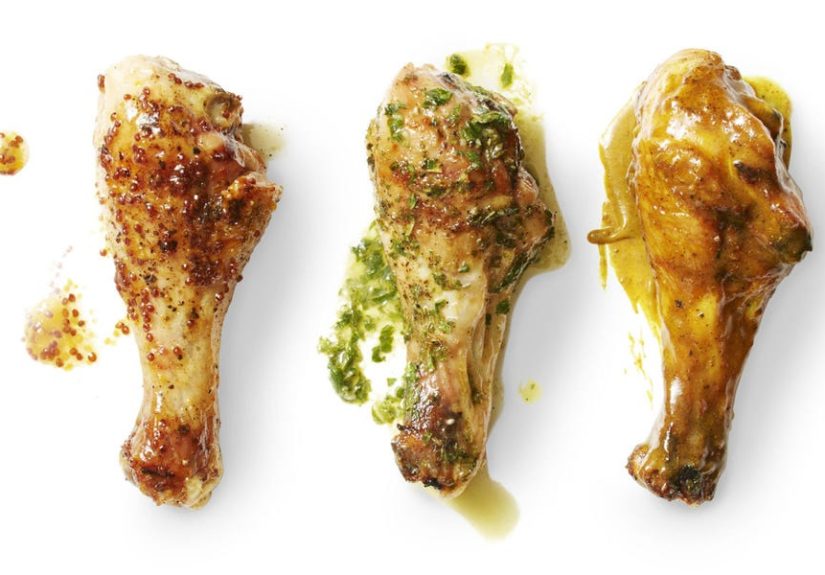
This sauce is wonderfully flexible. Spoon it over grilled chicken drumsticks, roasted salmon, sautéed shrimp, crispy tofu, turkey meatballs, or pan-seared white fish. It also loves vegetables. Try it with cauliflower, sweet potatoes, green beans, eggplant, zucchini, bell peppers, or spinach. If a vegetable has ever been accused of being boring, coconut curry sauce is its legal defense team.
For a fast weeknight meal, simmer the sauce with a can of chickpeas and a few handfuls of baby spinach. Serve over jasmine rice with lime wedges. For a protein-packed lunch, drizzle it over rotisserie chicken and roasted vegetables. For a cozy dinner, add cooked rice noodles and shrimp. For a party appetizer, use the sauce as a warm dip for grilled skewers.
How to Thicken or Thin the Sauce
If the sauce is too thick, whisk in a splash of water, chicken broth, vegetable broth, or coconut milk. If it is too thin, simmer it uncovered for a few more minutes. You can also whisk 1 teaspoon cornstarch with 1 tablespoon cold water, then stir it into the simmering sauce. That gives you a glossy, restaurant-style finish without changing the flavor.
Remember that coconut curry sauce thickens as it cools. If you are making it ahead, leave it slightly looser than you want. When reheated, it will return to a silky consistency with a splash of water or broth.
Make-Ahead, Storage, and Reheating Tips
Coconut curry sauce is a terrific make-ahead recipe. Cool it completely, transfer it to an airtight container, and refrigerate for up to 3 to 4 days. Reheat gently in a saucepan over low heat, whisking often. If it looks too thick, add a tablespoon or two of water or coconut milk.
You can also freeze the sauce in small portions. An ice cube tray works well if you want quick flavor bombs for noodles, soups, or stir-fries. Once frozen, transfer the cubes to a freezer bag. For best texture, thaw overnight in the refrigerator and reheat slowly. Coconut-based sauces may separate slightly after freezing, but whisking usually brings them back together.
Common Mistakes to Avoid
Using Too Much Curry Powder
More spice does not always mean more flavor. Too much curry powder can make the sauce taste dusty or bitter. Start with 1 tablespoon, then add more only after simmering and tasting.
Skipping the Lime
Lime is not decoration. It is the sparkle. Without acidity, coconut curry sauce can taste flat or heavy. Fresh lime juice makes the flavors pop and keeps the sauce lively.
Boiling the Coconut Milk Too Hard
A violent boil can cause coconut milk to separate. Keep the sauce at a gentle simmer. The goal is creamy and glossy, not volcanic and dramatic.
Forgetting Salt
Coconut milk and brown sugar need salt to balance them. Add a little at first, then adjust after simmering. If the sauce tastes sweet but not savory, it probably needs salt or soy sauce.
Nutrition and Dietary Notes
Coconut curry sauce is naturally dairy-free, and it can easily be vegan and gluten-free depending on your seasonings. Use tamari instead of soy sauce if gluten is a concern, and check the label on curry paste because some brands include shrimp paste or fish products. Coconut milk is rich, so a little sauce goes a long way. You do not need to drown the plate; a generous spoonful can transform the whole meal.
500-Word Experience Section: Cooking With Coconut Curry Sauce in Real Life
The first time you make coconut curry sauce, you may feel suspicious. It comes together so quickly that it almost seems like cheating. You stir a few ingredients into a pan, wait a few minutes, and suddenly the kitchen smells like you planned dinner with confidence. This is the kind of recipe that makes people wander into the kitchen and ask, “What are you making?” which is chef code for “Please feed me immediately.”
In real home cooking, the best coconut curry sauce recipe is not just about exact measurements. It is about learning how the sauce behaves. Some nights you want it sweet and mild for grilled chicken. Other nights you want more lime, more chili, and a louder personality for shrimp noodles. After making it a few times, you start tasting like a cook instead of measuring like a nervous scientist. A little more salt? Better. Another squeeze of lime? Brighter. A spoonful of red curry paste? Suddenly Tuesday has a plot twist.
One of the best uses for this sauce is rescuing leftovers. Plain roasted vegetables become coconut curry bowls. Leftover chicken becomes a quick curry wrap. Cold rice becomes a satisfying lunch when warmed with sauce, spinach, and a fried egg. Even a humble baked sweet potato turns into something special when split open and topped with coconut curry sauce, chickpeas, cilantro, and lime. It is the culinary equivalent of putting a blazer over a T-shirt: still easy, but now it looks intentional.
This sauce is also useful when cooking for mixed tastes. If one person likes heat and another thinks black pepper is a personal attack, keep the base mild. Serve chili crisp, sliced jalapeños, or red pepper flakes on the side. The sauce remains creamy and approachable, while spice lovers can customize their bowls. That makes it great for family dinners, casual guests, and meal prep.
Another experience worth noting: coconut curry sauce loves texture. Pair it with crisp vegetables, crunchy cashews, toasted coconut, seared tofu, or grilled proteins. Because the sauce is smooth and rich, crunchy toppings keep the dish exciting. A bowl of rice, sauce, and vegetables is good. Add toasted peanuts, herbs, and lime, and suddenly it feels like something from a cheerful café where everyone owns nice linen napkins.
The biggest lesson is that coconut curry sauce rewards confidence. It is forgiving, fast, and endlessly useful. You can make it elegant with salmon and jasmine rice, cozy with lentils and potatoes, or casual with chicken skewers and a squeeze of lime. It is not trying to be a perfectly traditional curry from one specific cuisine. Instead, it is a practical American home-kitchen sauce inspired by coconut curries around the world and simplified for busy cooks who still want dinner to taste like they tried.
Final Thoughts
The best coconut curry sauce recipe is creamy, balanced, fast, and flexible. Inspired by Good Housekeeping’s simple coconut curry sauce approach, this version keeps the ingredient list friendly while giving you room to customize. Use coconut cream for richness, curry powder for warmth, lime for brightness, and salt for balance. Then spoon it over chicken, shrimp, tofu, vegetables, noodles, or rice and enjoy the rare pleasure of a sauce that makes almost everything taste better.
If your weeknight dinner routine has been feeling a little gray, this golden coconut curry sauce is the edible highlighter pen. It is quick enough for a Tuesday, flavorful enough for guests, and forgiving enough for real life. Keep a jar in the fridge, and you are never more than a few minutes away from a meal that tastes bright, cozy, and just a little bit fancy.
SEO Tags
Note: This original article synthesizes practical cooking techniques, ingredient principles, and food-safety best practices from reputable American culinary and food-safety resources while avoiding copied recipe text.