Table of Contents >> Show >> Hide
- Why Mediterranean Chicken Bowls Are a Weeknight Hero
- Key Ingredients for the Best Mediterranean Chicken Bowls
- Best Mediterranean Chicken Bowls Recipe
- Healthy Benefits of Mediterranean Chicken Bowls
- Variations and Flavor Twists
- Meal Prep and Storage Tips
- Mediterranean Chicken Bowls: Real-Life Cooking Experiences & Pro Tips
If your weeknight dinners are starting to feel like a boring rerun (“chicken again?”), it’s time to level up with the
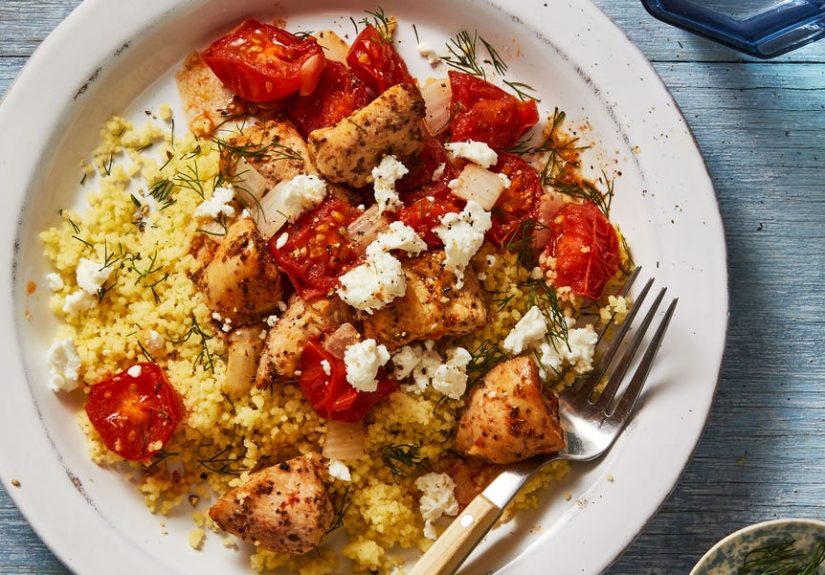
best Mediterranean chicken bowls recipe. Think juicy lemon-garlic chicken, fluffy rice, crunchy cucumbers, sweet tomatoes, briny olives, creamy hummus, and a cool swirl of tzatzikiall in one colorful bowl. It’s like your favorite Mediterranean restaurant decided to move into your kitchen and pay rent in flavor.
Mediterranean chicken bowls have become a go-to on many American dinner tables because they tick every box: fast, customizable, meal-prep friendly, and packed with protein, fiber, and healthy fats. Most versions start with a base of rice or grains, then layer marinated chicken, fresh veggies, hummus or tzatziki, and a salty sprinkle of feta.
In this guide, you’ll learn exactly how to make Mediterranean chicken bowls at home, with step-by-step instructions, smart shortcuts, and plenty of options so you can build your perfect bowlwhether you’re into low-carb greens, cozy rice, or “put everything in the bowl and hope for the best” energy.
Why Mediterranean Chicken Bowls Are a Weeknight Hero
These bowls are inspired by the Mediterranean way of eating: lean proteins, whole grains, colorful vegetables, and heart-healthy fats like olive oil and avocado. Research and popular recipes built around the Mediterranean diet highlight its reputation for supporting heart health, helping with weight management, and promoting overall well-beingall while still tasting amazing.
A Mediterranean chicken bowl is basically a complete meal in one dish:
- Protein: Marinated grilled or baked chicken breast or thighs.
- Carbs: Rice, quinoa, couscous, or even roasted potatoes.
- Fiber & micronutrients: Tomatoes, cucumbers, onions, chickpeas, greens.
- Healthy fats: Olive oil, olives, hummus, feta, or yogurt-based sauces.
The best part? Everything can be prepared ahead of time and assembled in minutes, which is why Greek and Mediterranean-inspired rice bowls are hugely popular for meal prep.
Key Ingredients for the Best Mediterranean Chicken Bowls
1. The Star: Juicy Marinated Mediterranean Chicken
The heart of any great Mediterranean chicken bowl is the chicken itself. Most classic recipes use a simple but powerful flavor combo:
- Olive oil – for richness and moisture.
- Lemon juice & zest – bright acidity that tenderizes the meat.
- Garlic – because garlic is a love language.
- Dried oregano, thyme, or rosemary – signature Mediterranean herbs.
- Salt & black pepper – essential for balance.
Many trusted Mediterranean chicken marinades use this exact template, sometimes adding mustard, paprika, or a touch of vinegar for extra depth. Letting the chicken sit in this mixture for at least 30 minutes (or up to overnight) helps the flavors soak in and keeps the chicken tender whether you grill, pan-sear, or bake it.
You can use chicken breast for a leaner option or chicken thighs if you prefer extra juiciness and a little more forgiveness if you overcook it slightly. Either way, the marinade does the heavy lifting.
2. The Base: Rice, Grains, or Greens
For a classic Mediterranean chicken rice bowl, white or brown rice is the usual base. Brown rice adds more fiber and a slightly nutty flavor, while white rice cooks quickly and absorbs sauces beautifully.
Great alternatives include:
- Quinoa: Light, fluffy, and higher in protein.
- Couscous or pearl couscous: A classic Mediterranean-style grain, fast-cooking and perfect for busy nights.
- Farro or bulgur: Great if you want more chew and a rustic vibe.
- Mixed greens or cauliflower rice: Ideal if you’re aiming for a lower-carb bowl.
Pro tip: Season your base with a tiny drizzle of olive oil, a pinch of salt, and maybe a squeeze of lemon so it doesn’t taste “plain” under all those toppings.
3. Fresh Veggies and Crunchy Toppings
This is where your Mediterranean chicken bowl really comes to life. Most popular versions include some combination of:
- Tomatoes: Cherry or grape tomatoes, halved.
- Cucumbers: Persian or English cucumbers for extra crunch.
- Red onion: Thinly sliced, or quick-pickled for less bite.
- Chickpeas: For extra plant-based protein and fiber.
- Olives: Kalamata olives bring that salty, briny punch.
- Greens: Romaine, baby spinach, or arugula.
Many modern Mediterranean bowls popular online lean on that classic trio of cucumber-tomato salad, rice, and marinated chicken, often plus hummus, tzatziki, and feta on top.
4. Sauces and Extras: The Flavor Bombs
If the chicken is the star, the sauces are the supporting cast that steals the show:
- Hummus: Adds creaminess, healthy fats, and extra protein.
- Tzatziki: Yogurt, cucumber, garlic, and dillcool and tangy.
- Greek-style vinaigrette: Olive oil, red wine vinegar, lemon, oregano.
- Feta cheese: Crumbled on top for a salty, tangy finishing touch.
A simple drizzle of olive oil and an extra squeeze of lemon right before serving can also wake up all the flavors in your Mediterranean chicken bowls.
Best Mediterranean Chicken Bowls Recipe
Serves 4 hungry people (or 3 very, very hungry people).
Ingredients
For the Chicken
- 1 ½ pounds boneless, skinless chicken breasts or thighs
- 3 tablespoons extra-virgin olive oil
- 3 tablespoons fresh lemon juice
- 1 teaspoon lemon zest
- 3 cloves garlic, minced
- 1 ½ teaspoons dried oregano
- ½ teaspoon dried thyme or rosemary (optional)
- 1 teaspoon smoked or sweet paprika
- 1 teaspoon kosher salt
- ½ teaspoon freshly ground black pepper
For the Base & Veggies
- 3 cups cooked rice, quinoa, or couscous (warm)
- 1 cup canned chickpeas, drained and rinsed
- 1 ½ cups cherry tomatoes, halved
- 1 large cucumber, diced
- ¼ cup thinly sliced red onion (or pickled red onion)
- 2 cups chopped romaine or baby spinach
- ½ cup Kalamata olives, pitted and halved
- ½ cup crumbled feta cheese
For the Simple Lemon-Garlic Yogurt Sauce
- 1 cup plain Greek yogurt
- 1 tablespoon lemon juice
- 1 small garlic clove, finely grated or minced
- 1 tablespoon chopped fresh dill or parsley (optional)
- ½ teaspoon salt, or to taste
- Freshly ground black pepper, to taste
Step-by-Step Instructions
1. Marinate the Chicken
- Pat the chicken dry with paper towels and place it in a large bowl or zip-top bag.
- In a separate bowl, whisk together olive oil, lemon juice, lemon zest, garlic, oregano, thyme (if using), paprika, salt, and pepper.
- Pour the marinade over the chicken, toss to coat well, then cover and refrigerate for at least 30 minutes and up to 8 hours.
The longer you marinate (within that window), the more flavorful your Mediterranean chicken will be. Even 30 minutes can make a big difference on a busy weeknight.
2. Cook the Chicken
You can cook the chicken three main ways, depending on your mood and equipment:
- Grill: Preheat a grill or grill pan over medium-high heat. Cook chicken 5–7 minutes per side (depending on thickness), until nicely charred and the internal temperature reaches 165°F.
- Stovetop: Heat a large skillet over medium-high with a thin layer of olive oil. Sear chicken 5–7 minutes per side until golden and cooked through.
- Oven: Bake at 400°F (200°C) for 18–22 minutes, depending on thickness, until the chicken reaches 165°F.
Rest the cooked chicken for 5–10 minutes, then slice or cube it. This helps keep the juices inside instead of all over your cutting board.
3. Prepare the Base and Veggies
- Cook your rice, quinoa, or couscous according to package directions if you haven’t already.
- In a small bowl, whisk together the yogurt, lemon juice, garlic, herbs, salt, and pepper. Taste and adjust seasoning.
- Chop the cucumbers, halve the tomatoes, slice the onion, and roughly chop the greens.
- Rinse and drain chickpeas; pat dry if you want to quickly pan-toast them with a bit of olive oil and paprika for extra flavor.
4. Assemble Your Mediterranean Chicken Bowls
Now for the fun partbuilding your Mediterranean chicken bowls:
- Start with the base: Add about ¾ cup of warm rice, quinoa, couscous, or greens to each bowl.
- Add the chicken: Top with a portion of sliced or cubed Mediterranean chicken.
- Layer the veggies: Arrange cucumbers, tomatoes, chickpeas, olives, and greens in little “sections” around the bowl for that Instagram-ready look.
- Finish with toppings: Sprinkle crumbled feta, drizzle with yogurt sauce, and add a final squeeze of lemon or a splash of olive oil.
Serve immediately, or let everything cool and pack into airtight containers for future lunches. Many meal-prep recipes highlight how these bowls keep well for several days in the fridge and reheat nicely when the components are stored separately.
Healthy Benefits of Mediterranean Chicken Bowls
A well-built Mediterranean chicken bowl is more than just prettyit’s nutritionally balanced:
- High protein: Chicken and Greek yogurt help keep you full and support muscle health.
- Healthy fats: Olive oil, olives, and a moderate amount of feta provide satisfying, heart-friendly fats.
- Fiber-rich carbs: Whole grains and chickpeas support digestion and steady energy.
- Lots of veggies: Fresh produce adds vitamins, minerals, and antioxidants.
This aligns with what many Mediterranean-style recipes emphasize: a balance of lean proteins, whole grains, and produce over heavy, processed ingredients.
Variations and Flavor Twists
One reason Mediterranean chicken bowls are so popular is how easy they are to customize. Here are a few ideas:
1. Chicken Shawarma–Style Bowls
Swap the marinade for a shawarma-inspired mix with cumin, turmeric, coriander, and a touch of cinnamon. Serve with rice, tomato-cucumber salad, and a garlicky yogurt sauce for a shawarma bowl vibe inspired by modern Mediterranean grain bowl recipes.
2. Low-Carb Greek Salad Bowls
Skip the grains and serve the chicken over a big pile of romaine, spinach, or arugula. Add cucumber, tomato, olives, feta, and chickpeas, then drizzle with olive oil and red wine vinegar. You still get the punchy Mediterranean flavor without a heavy base.
3. Extra-Green “Goddess” Bowls
Add avocado, roasted asparagus, or broccoli, and a green-herb dressing. Bowls with brown rice, avocado, and roasted veggies have become a popular twist on classic Mediterranean bowls, giving you extra fiber and nutrients without sacrificing flavor.
4. Crispy Rice or Potato Base
Want more texture? Use crispy rice or roasted potatoes as your base instead of steamed grains. Mediterranean-style crispy rice bowls and Greek chicken-and-potato combinations show that swapping the base can completely change the experience while keeping the same bold flavors.
5. Extra-Spicy Version
Add red pepper flakes or harissa to your yogurt sauce, or toss chickpeas with cayenne and paprika before roasting. This keeps the Mediterranean profile but adds a little more heat for spice lovers.
Meal Prep and Storage Tips
- Store separately for best texture: Keep chicken, grains, veggies, and sauces in separate containers. Combine just before eating.
- Fridge life: Cooked chicken and grains usually last about 3–4 days in the refrigerator if stored properly.
- Pack for lunch: Put grains and chicken on one side of your container and veggies on the other. Pack yogurt sauce or hummus in a small separate container.
- Reheating: Reheat only the chicken and grains, then add fresh veggies and sauce after warming so they stay crisp and bright.
This makes Mediterranean chicken bowls one of the easiest “make it once, eat all week” recipes you can rely on.
Mediterranean Chicken Bowls: Real-Life Cooking Experiences & Pro Tips
The first time many home cooks try Mediterranean chicken bowls, they often discover an important truth: your bowl is only as good as your marinade. If you’re shy with salt, lemon, or herbs, the result can taste a little flat. Don’t be afraid to taste your marinade (before it touches raw chicken) and adjustadd more lemon for brightness, more garlic for punch, or a pinch of paprika for warmth.
Another common experience: “I thought bowls would be complicated, but everything came together faster than I expected.” That’s because a lot of the prep is simple chopping and layering. Once your chicken is marinating, you can cook the rice and prep the veggies at the same time. By the time the chicken is done, most of the other elements are ready to go into your Mediterranean chicken bowls.
Many people also find that bowls are a gentle way to clean out the fridge. Have half a bell pepper? Toss it in. A handful of leftover roasted veggies from last night? Add them on top. A few olives at the bottom of a jar? Perfect. Mediterranean flavors play well together, so you can improvise without ruining the core idea of the dish.
One very practical lesson from frequent Mediterranean bowl makers: texture matters. If everything in the bowl is soft, the experience is less satisfying. Adding crunchy cucumbers, crisp lettuce, toasted chickpeas, or even crushed pita chips makes every bite more interesting. It’s that mix of hot and cold, crunchy and creamy, that keeps people coming back to this style of recipe.
Another small but mighty trick is to roast or grill just a bit more chicken than you need. Leftover marinated chicken can become tomorrow’s wrap, salad topping, or another quick bowl. This stretches your effort into multiple meals and keeps you from dialing takeout on nights when you’re tired.
If you’re cooking for a family, Mediterranean chicken bowls tend to be surprisingly kid-friendly. Let everyone “build their own bowl,” buffet-style. Some might skip the olives, others might go heavy on the feta or hummus. Because the components are simple and familiarrice, chicken, veggies, saucepeople can customize without you cooking multiple dinners.
For people who meal prep on Sundays, these bowls often become a weekly staple. You can easily double the recipe, cook a big batch of rice and chicken, and then vary the toppings throughout the week so it doesn’t feel like you’re eating the exact same thing every day. Day one might include hummus and olives, day two more greens and avocado, day three extra chickpeas and a different dressing.
Finally, one of the nicest “hidden benefits” of making Mediterranean chicken bowls at home is that they help you upgrade your overall eating habits without feeling restricted. You’re still eating satisfying, flavorful food that feels like something you’d happily order at a restaurantbut you control the salt, the oil, and the portion sizes. Over time, that combination of enjoyment and balance is what makes this kind of recipe stick in your routine.
So the next time you’re standing in front of the fridge thinking, “What can I make that’s not boring, not fried, and not going to take forever?”, remember this best Mediterranean chicken bowls recipe. It’s colorful, customizable, and just fancy enough that you’ll feel like you treated yourselfwithout actually having to change out of sweatpants.