Table of Contents >> Show >> Hide
- Why Off-Road Accessories Became Essential in 2022
- 1. All-Terrain Tires: The Foundation of Any Off-Road Setup
- 2. Portable Air Compressor and Tire Deflator
- 3. Traction Boards for Mud, Sand, Snow, and Loose Dirt
- 4. Recovery Kit with Rated Straps, Shackles, and Gloves
- 5. Winch for Serious Self-Recovery
- 6. Skid Plates and Rock Sliders
- 7. LED Light Bars and Auxiliary Lights
- 8. GPS Navigation, Offline Maps, and Communication Gear
- 9. Full-Size Spare Tire and Tire Repair Kit
- 10. Roof Rack, Cargo Boxes, and Interior Storage
- 11. First Aid Kit, Fire Extinguisher, and Emergency Supplies
- 12. Shovel, Basic Tool Kit, and Multi-Use Trail Gear
- Best Off-Road Accessory Setups by Driver Type
- How to Choose the Best Off-Road Driving Accessories
- Common Off-Road Accessory Mistakes to Avoid
- Real-World Experiences with the Best Off-Road Driving Accessories 2022
- Conclusion
Off-roading has a funny way of making simple problems feel like epic wilderness documentaries. One minute you are cruising down a forest road feeling like a rugged explorer; the next, your tire is spinning in mud while your passenger quietly Googles “how far can a human walk in hiking sandals?” That is exactly why choosing the best off-road driving accessories 2022 mattered so much for beginners, weekend adventurers, and serious 4×4 owners alike.
In 2022, off-road culture was no longer just about lifted Jeeps crawling over boulders. Ford Broncos, Toyota 4Runners, Jeep Wranglers, Chevy Colorados, Subaru Wilderness models, full-size pickups, and overlanding builds brought more drivers into the trail world. The accessory market grew quickly, offering everything from traction boards and portable air compressors to GPS apps, roof racks, skid plates, LED light bars, tire repair kits, and clever storage systems.
The trick is knowing what actually helps and what simply makes your vehicle look like it is auditioning for a survival show. This guide breaks down the most useful off-road accessories, why they matter, and how to choose gear that improves safety, capability, and comfort without turning your garage into a warehouse of expensive regret.
Why Off-Road Accessories Became Essential in 2022
The year 2022 was a major moment for trail-ready vehicles and overlanding gear. More manufacturers offered factory off-road trims, more drivers explored public trails, and more people wanted vehicles that could handle camping, dirt roads, snow, mud, sand, and remote travel. But even the best 4×4 is still limited by preparation.
A stock vehicle may have four-wheel drive, but that does not automatically mean it is ready for deep ruts, rocky trails, soft sand, or unexpected weather. Off-road accessories fill the gap between “my SUV has a cool badge” and “I can safely get home.” The best gear helps with four key needs: traction, recovery, protection, navigation, and emergency readiness.
Before buying anything, remember this simple rule: the best accessory is the one that solves a real problem. A portable air compressor beats a decorative light bar if you regularly air down tires. A first aid kit beats a rooftop tent if you are still learning basic trail safety. And a quality tire gauge? That little thing can be more useful than half the shiny parts in an online shopping cart.
1. All-Terrain Tires: The Foundation of Any Off-Road Setup
If your tires are wrong, everything else works harder. All-terrain tires were one of the most important off-road upgrades in 2022 because they offered a strong balance between daily driving comfort and trail capability. Unlike highway tires, all-terrain tires use stronger sidewalls and more aggressive tread patterns to improve grip on gravel, dirt, light mud, snow, and uneven surfaces.
For many drivers, all-terrain tires are smarter than extreme mud-terrain tires. Mud tires may look dramatic, but they can be loud, heavy, less efficient, and less pleasant on pavement. If your adventures include forest roads, mild trails, campsites, and occasional snow, a quality all-terrain tire is usually the better first upgrade.
What to look for in off-road tires
Look for reinforced sidewalls, good wet-road behavior, winter rating if you drive in cold climates, and a size that fits without rubbing. Bigger is not always better. Oversized tires can affect braking, steering, fuel economy, and drivetrain stress. Choose tires that match your vehicle, your terrain, and your actual driving habits.
2. Portable Air Compressor and Tire Deflator
A portable air compressor is one of the most practical off-road driving accessories you can buy. Off-roaders often lower tire pressure to improve ride comfort and traction on certain surfaces. After leaving the trail, those tires need to be reinflated before returning to highway speeds. Driving long distances on underinflated tires can cause heat buildup, poor handling, and tire damage.
In 2022, portable compressors became popular because they gave drivers more independence. Instead of hunting for a gas station air pump after a trail run, you could air up at the trailhead. Pair the compressor with a tire deflator and a quality pressure gauge, and you have one of the most useful tire-management kits available.
Best use case
This accessory is ideal for drivers who visit sand, gravel roads, rocky trails, or snow-covered routes. It is also useful for road trips, camping, towing, and emergency tire maintenance. In other words, even if your off-road adventure becomes a parking-lot adventure, the compressor still earns its keep.
3. Traction Boards for Mud, Sand, Snow, and Loose Dirt
Traction boards became a signature overlanding accessory for good reason. These rugged boards are designed to sit under tires when a vehicle loses grip in soft or slippery terrain. They are especially useful in sand, mud, snow, and loose soil. They are not magic carpets, but when used correctly and safely, they can help a stuck vehicle regain traction without needing another vehicle nearby.
In 2022, many drivers chose traction boards because they were simple, reusable, and relatively beginner-friendly. They do not require electrical wiring, complicated installation, or a heavy bumper. You just need space to store them and enough patience to dig around the tires when things get messy.
What to look for
Choose traction boards with durable construction, strong lugs, comfortable handles, and mounting options if you plan to carry them outside the vehicle. Budget boards can work for light use, while premium boards often offer better durability and easier recovery in repeated trail situations.
4. Recovery Kit with Rated Straps, Shackles, and Gloves
A proper off-road recovery kit is not optional if you plan to drive beyond easy dirt roads. At minimum, a good kit should include rated recovery straps or kinetic ropes, rated shackles or soft shackles, gloves, a recovery damper, and a storage bag. The key word is rated. Random hardware-store hooks and mystery straps should stay far away from vehicle recovery.
Recovery gear helps when a vehicle is stuck and another vehicle can assist. However, recovery can be dangerous when done carelessly. Always use properly rated gear, connect only to approved recovery points, keep people away from tensioned lines, and avoid improvised methods. When in doubt, ask an experienced off-roader or professional for help.
Why gloves matter
Gloves sound boring until you grab a muddy strap, sharp shackle, or hot winch line. Then they suddenly feel like genius-level technology. A good pair protects your hands and makes recovery work cleaner and safer.
5. Winch for Serious Self-Recovery
A winch is one of the most powerful off-road accessories for drivers who tackle remote trails, mud, rocks, or steep terrain. Mounted to a compatible bumper, a winch can help pull a vehicle out when traction boards and shoveling are not enough.
For 2022 builds, synthetic winch rope became especially popular because it is lighter and easier to handle than traditional steel cable. Still, a winch is not just a decoration bolted to the front bumper. It requires proper installation, maintenance, safe rigging knowledge, and accessories such as a tree saver strap, gloves, line damper, and rated connection points.
Who needs a winch?
If you mostly drive mild gravel roads, a winch may not be your first purchase. If you travel alone in remote areas, explore muddy trails, or drive routes where assistance may be far away, a winch becomes much more valuable.
6. Skid Plates and Rock Sliders
Off-road trails are full of things your vehicle’s underside does not want to meet: rocks, stumps, ruts, and surprise bumps with villain energy. Skid plates protect vulnerable components such as the engine, transmission, transfer case, fuel tank, and differential areas. Rock sliders protect rocker panels and doorsills from trail damage.
These accessories are especially important for rocky terrain. A small dent in the wrong place can turn a fun weekend into an expensive tow. In 2022, many off-road packages included factory skid plates, but aftermarket options often provided thicker materials and broader coverage.
Buying tip
Check weight, material, mounting points, and service access. The best protection should be strong enough for your terrain without making routine maintenance unnecessarily difficult.
7. LED Light Bars and Auxiliary Lights
Auxiliary lighting can make night driving, campsite setup, and emergency repairs easier. LED light bars, ditch lights, fog lights, and scene lights became popular off-road accessories because they offered strong output with efficient power use.
However, lighting should be chosen carefully. Too much light in the wrong place can create glare, blind other drivers, or violate local road laws. Off-road lights should be aimed properly and used responsibly. For many drivers, a pair of quality fog lights or ditch lights is more useful than a giant roof-mounted light bar that turns the hood into a glowing mirror.
Best lighting setup for beginners
Start with practical lighting: upgraded fog lights, a handheld flashlight, headlamps, and small camp lights. Add bumper or roof lights later if you regularly drive after dark on legal off-road routes.
8. GPS Navigation, Offline Maps, and Communication Gear
Navigation is one of the most underrated parts of off-roading. Cell service can disappear quickly, and standard map apps may not show trail closures, public land boundaries, or route difficulty. In 2022, off-road GPS apps and dedicated navigation devices became must-have tools for overlanders and trail drivers.
Offline maps are especially important. Download your route before leaving home, carry a backup power source, and consider paper maps for remote areas. Communication gear also matters. Depending on location and regulations, many drivers use GMRS radios, satellite messengers, or emergency beacons for added security.
Best practice
Tell someone where you are going, when you expect to return, and what route you plan to take. Technology is helpful, but a simple trip plan can be just as important.
9. Full-Size Spare Tire and Tire Repair Kit
A full-size spare tire is not glamorous, but neither is being stranded because your temporary spare hates rocks. Off-road driving increases the chance of punctures, sidewall damage, and bead issues. A tire repair kit, valve cores, tire plugs, pliers, and a reliable jack can save a trip.
Many modern vehicles come with compact spares or no spare at all. That may work for city commuting, but it is not ideal for trail driving. If your vehicle uses larger off-road tires, make sure the spare matches your setup and is accessible when the cargo area is packed.
Do not forget the jack base
A jack can sink into sand, mud, or soft soil. A wide jack base or recovery board can help create a more stable platform. Stability matters, because changing a tire on uneven ground is not the time to improvise.
10. Roof Rack, Cargo Boxes, and Interior Storage
Storage systems exploded in popularity during the overlanding boom. Roof racks, cargo boxes, bed racks, drawer systems, MOLLE panels, and seat-back organizers all help keep gear secure and accessible. The best storage setup depends on your vehicle and trip style.
A roof rack can carry bulky items such as traction boards, recovery shovels, awnings, or rooftop tents. Interior drawers can secure tools, first aid supplies, cooking gear, and spare parts. The goal is not to carry everything you own; it is to carry the right gear safely.
Weight warning
Every rack has a weight limit, and your vehicle has payload limits. Overloading a roof rack can affect handling and increase rollover risk. Keep heavy items low and secure loose gear before driving rough roads.
11. First Aid Kit, Fire Extinguisher, and Emergency Supplies
Safety gear should be near the top of every off-road accessory list. A real first aid kit, fire extinguisher, emergency blanket, water, flashlight, multitool, and basic survival supplies are essential for remote travel. A small kit of bandages is better than nothing, but off-roaders should consider a more complete outdoor first aid setup.
At minimum, carry wound care supplies, medications you personally need, blister treatment, gloves, antiseptic wipes, pain relievers, and basic tools such as scissors and tweezers. For longer trips, take a first aid course. Gear helps, but knowledge is the real upgrade.
Smart placement
Keep safety items easy to reach. A fire extinguisher buried under camping chairs, snacks, and three mystery duffel bags is not exactly ready for action.
12. Shovel, Basic Tool Kit, and Multi-Use Trail Gear
A compact shovel is one of the most useful low-cost off-road accessories. It helps clear sand, mud, snow, or rocks from around tires. Add a basic tool kit, duct tape, zip ties, spare fuses, work gloves, a portable jump starter, and a headlamp, and you have a practical trail repair setup.
You do not need to bring an entire mechanic’s garage. Start with tools that match your vehicle: sockets, wrenches, pliers, screwdrivers, tire tools, and any specialty tools required for your accessories. The best tool kit is organized, accessible, and actually tested before the trip.
Best Off-Road Accessory Setups by Driver Type
Beginner weekend trail driver
Start with all-terrain tires, a portable air compressor, tire pressure gauge, basic recovery kit, first aid kit, flashlight, shovel, and offline maps. This setup covers the most common problems without requiring major vehicle modifications.
Beach and sand driver
Prioritize a compressor, deflator, traction boards, shovel, recovery strap, sunscreen, water, and corrosion protection. Sand rewards preparation and punishes overconfidence with impressive efficiency.
Rocky trail driver
Focus on skid plates, rock sliders, proper tires, full-size spare, tire repair kit, recovery points, and a winch if the terrain demands it. Protection matters because rocks are not known for being forgiving.
Overlanding and camping driver
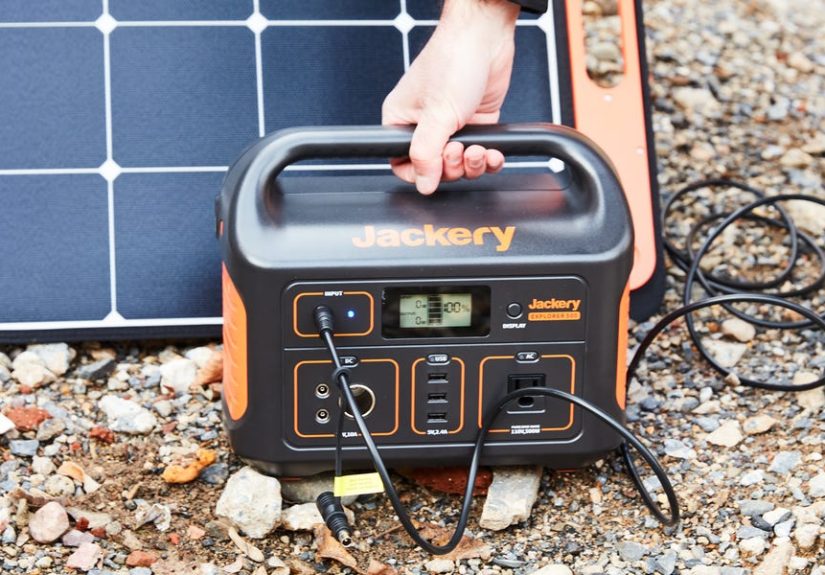
Add storage drawers, roof rack, auxiliary battery or portable power station, fridge or cooler, water storage, camp lighting, navigation tools, and emergency communication. Comfort is nice, but organization is what keeps camp from turning into a yard sale.
How to Choose the Best Off-Road Driving Accessories
When shopping for off-road accessories, avoid buying gear only because it looks rugged. Start with your terrain. Mud, sand, rocks, snow, and forest roads all demand different priorities. Then consider your vehicle’s weight, clearance, payload, tire size, and recovery points.
Also think about installation. Some accessories are simple, like a tire gauge or shovel. Others, like winches, lighting, skid plates, and suspension parts, may require professional installation. Poor installation can make good gear unsafe or unreliable.
Finally, buy fewer items of better quality. A well-made recovery strap, reliable compressor, and strong tire repair kit are better than a pile of bargain accessories that fail at the worst moment. Off-roading has a talent for testing cheap gear with dramatic timing.
Common Off-Road Accessory Mistakes to Avoid
The first mistake is overloading the vehicle. Extra bumpers, racks, tools, tents, water, fuel, and camping equipment add weight quickly. Too much weight can reduce braking performance, stress suspension components, and make the vehicle less stable.
The second mistake is skipping training. Recovery equipment, winches, jacks, and radios require knowledge. Practice in a safe setting before relying on gear in the backcountry.
The third mistake is ignoring maintenance. Check straps for damage, inspect shackles, test the compressor, charge batteries, update maps, and make sure your first aid kit is not full of expired supplies. Gear that is forgotten until an emergency is just expensive decoration.
Real-World Experiences with the Best Off-Road Driving Accessories 2022
The most useful off-road accessories are not always the ones that get the most attention online. In real-world trail driving, small items often become heroes. A tire pressure gauge, for example, may not look exciting on social media, but it can change the entire feel of a vehicle on rough terrain. Drivers who learned to manage tire pressure in 2022 often discovered that their vehicles rode smoother, found better traction, and felt more controlled on washboard roads and loose surfaces.
One common experience among beginners was buying visual upgrades first and functional gear later. Many people started with light bars, decals, racks, and aggressive styling, only to realize that a compressor, traction boards, and a recovery strap were far more important on actual trails. There is nothing wrong with making a vehicle look good, but the trail does not care about your aesthetic. Mud is deeply unimpressed by matching accessories.
Traction boards were another accessory that proved their worth repeatedly. Drivers stuck in beach sand, snowy parking areas near trailheads, or muddy campsites often found that boards provided a simple recovery option. They were especially helpful for solo travelers who did not have another vehicle nearby. The downside was storage. Traction boards are bulky, dirty after use, and awkward inside a small SUV. Many drivers solved this with roof-rack mounts or rear cargo organization.
Portable air compressors also became a lesson in buying quality. Cheap compact inflators may work for topping off a commuter car tire, but larger off-road tires require more airflow and longer duty cycles. Many 2022 buyers learned that compressor speed, hose length, heat management, and battery connection style matter. A slow compressor is better than no compressor, but after airing up four large tires in summer heat, most people suddenly understand why off-roaders talk about compressor specs like coffee fans talk about espresso machines.
Storage systems also changed the off-road experience. A messy cargo area can become frustrating and unsafe when trails get rough. Drawer systems, soft bags, labeled cases, and seat-back organizers helped drivers keep recovery gear, tools, food, water, and medical supplies easy to find. The best setups kept heavy items low and frequently used items near the rear hatch. The worst setups required unpacking half the vehicle to find a flashlight.
Navigation tools were another big lesson. Drivers who relied only on cell service often learned quickly that remote areas do not care about signal bars. Offline maps, GPS devices, and preplanned routes reduced stress and helped avoid closed roads or unsuitable trails. Communication gear also mattered for group trips, where radios helped drivers warn each other about obstacles, turns, stops, and the classic trail question: “Did anyone see where the road went?”
First aid and emergency supplies were not exciting purchases, but experienced off-roaders treated them as mandatory. A good kit, extra water, warm layers, and a reliable flashlight made trips safer and more comfortable. Even minor issues like blisters, small cuts, headaches, or dehydration can become bigger problems far from pavement.
The biggest real-world takeaway from 2022 was simple: build your kit around problems, not trends. If you drive sand, buy tire tools and traction boards. If you drive rocks, protect the underside. If you travel far from help, improve communication and emergency readiness. If you are new, start small, learn your vehicle, and upgrade based on experience. The best off-road accessory is not the flashiest one; it is the one that helps you finish the trip with your vehicle, your passengers, and your sense of humor intact.
Conclusion
The best off-road driving accessories 2022 were the ones that made trail travel safer, smarter, and more enjoyable. All-terrain tires, portable air compressors, traction boards, recovery kits, winches, skid plates, lighting, navigation tools, storage systems, and emergency supplies all earned their place because they solved real problems.
You do not need to buy everything at once. Start with safety, tires, recovery, and navigation. Add protection and comfort as your adventures become more serious. Off-roading should feel exciting, not reckless. With the right accessories and a little common sense, your vehicle can go farther, recover better, and return home ready for the next dusty chapter.