Table of Contents >> Show >> Hide
- Why 2020 Was a Standout Year for Sleeping Bags
- Best Sleeping Bags 2020: The Standout Picks
- 1. Best Overall Three-Season Sleeping Bag: Sea to Summit Ascent AcII
- 2. Best for Side Sleepers: NEMO Disco 30 and Disco 15
- 3. Best Synthetic Sleeping Bag: Marmot Trestles Elite Eco 30
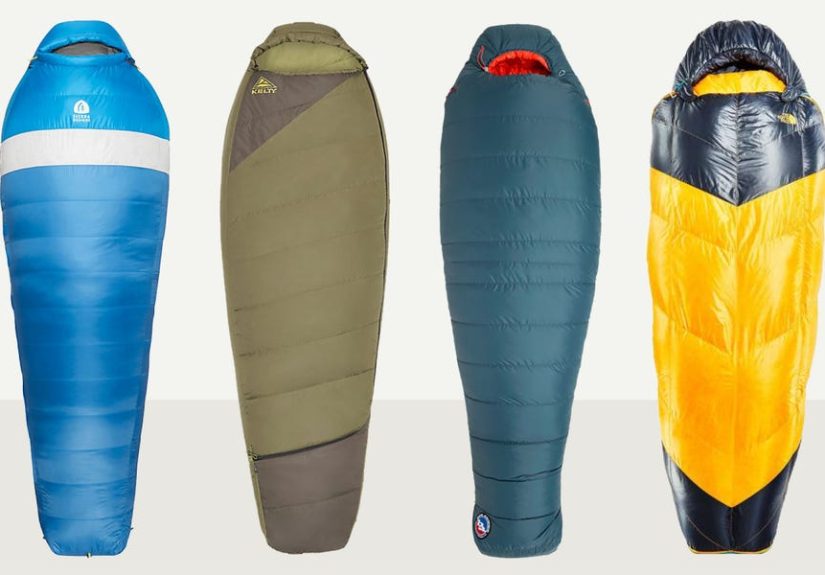
- 4. Best Versatile Multi-Climate Pick: The North Face The One Bag
- 5. Best Ultralight-Feeling Backpacking Option: REI Co-op Magma 30 and Magma 15
- 6. Best Budget Warm-Weather Pick: Marmot Nanowave 45
- 7. Best Value Pick for Casual Camping: Kelty Tuck 40
- 8. Best Extra-Roomy Backpacking Bag: Big Agnes Torchlight 20
- How to Choose the Right Sleeping Bag
- Quick Recommendations by Camper Type
- Final Thoughts on the Best Sleeping Bags of 2020
- Real-World Experiences With the Best Sleeping Bags of 2020
If you were shopping for the best sleeping bags in 2020, you picked a pretty great year to do it. Brands were finally figuring out how to make bags that felt less like nylon burritos and more like actual sleep systems. The big story was not just warmth. It was warmth plus lower weight, smarter venting, better fit options, more honest temperature ratings, and a welcome dose of comfort. In other words, campers and backpackers no longer had to choose between “light enough to carry” and “cozy enough to avoid becoming a human popsicle at 2 a.m.”
Looking back, the standout sleeping bags of 2020 fell into a few clear lanes. There were premium down bags built for serious backpackers, versatile hybrids made for campers who never quite knew what weather they would get, roomy designs for side sleepers, and budget-friendly synthetic bags for folks who preferred damp-weather reliability over ultralight bragging rights. The trick was never finding a good sleeping bag. The trick was finding the right one for the way you actually camp.
This guide takes a retrospective look at the best sleeping bags of 2020, explains why certain models stood out, and helps modern readers understand what made those bags so memorable. Whether you were a gram-counting backpacker, a weekend car camper, or somebody who just wanted to stop waking up at dawn because your feet were freezing, 2020 had a bag with your name on it.
Why 2020 Was a Standout Year for Sleeping Bags
By 2020, the sleeping bag market had matured in a very satisfying way. Brands were no longer obsessed with making every bag as narrow as a submarine torpedo. Roomier shapes got better. Venting features became more useful. Recycled materials started showing up in more models. And standardized temperature testing made it easier to compare one bag to another without relying on pure marketing poetry.
That mattered because a sleeping bag is one of those items that sounds simple until you buy the wrong one. Then it becomes very educational. Suddenly you learn what “draft collar” means. You learn why a 30-degree bag might not feel like a 30-degree bag. You learn that your sleeping pad matters more than you thought. And you learn that if you toss and turn at night, a super-tight mummy bag can feel less like shelter and more like a polite argument.
The best sleeping bags in 2020 stood out because they solved those real-world problems. They were warmer without becoming ridiculously heavy. They packed smaller without feeling flimsy. They offered better fit, better venting, and better use-case clarity. That is why several models from that year still get talked about today.
Best Sleeping Bags 2020: The Standout Picks
1. Best Overall Three-Season Sleeping Bag: Sea to Summit Ascent AcII
If one sleeping bag best captured the “have your cake and sleep warmly too” mood of 2020, it was the Sea to Summit Ascent AcII. This bag earned praise because it managed a tough balancing act: it was lightweight enough for backpacking, warm enough for shoulder-season trips, and roomy enough that you did not feel like you had been shrink-wrapped for the night.
Its biggest advantage was versatility. The Ascent series was designed with multiple zipper options, which made venting far easier than on a standard mummy bag. That mattered in real life, because a bag that works only in one narrow temperature band is a diva, not a companion. The Ascent could handle chilly nights without turning into a sweaty regret on milder ones.
Who was it best for in 2020? Backpackers who wanted one premium down bag for a wide range of three-season adventures. It was not the cheapest option, but it was the kind of bag that made you think, “Fine, I get it, quality costs money.”
2. Best for Side Sleepers: NEMO Disco 30 and Disco 15
The NEMO Disco line had one job: stop punishing people for sleeping like normal humans. Instead of the classic tight mummy shape, NEMO used its famous spoon shape, which added space at the elbows and knees. Translation: you could bend a leg, roll a shoulder, or sleep on your side without feeling like you were wrestling a sleeping-bag straightjacket.
The Disco also nailed temperature management. Features like draft control and venting made it easier to stretch the bag across varying conditions, and that was a huge selling point in 2020. Campers did not just want warmth; they wanted comfort that did not disappear the moment the temperature shifted by ten degrees.
This was one of the smartest picks of the year for restless sleepers, combo sleepers, and anyone who had ever tried a tight mummy bag and muttered, “Absolutely not.” If you wanted room without jumping all the way to a bulky rectangular bag, the Disco was a sweet spot.
3. Best Synthetic Sleeping Bag: Marmot Trestles Elite Eco 30
The Marmot Trestles Elite Eco 30 was the bag for campers who looked at weather forecasts and said, “That seems optimistic.” Synthetic insulation has always appealed to people camping in damp, humid, or unpredictable conditions, because it continues to perform better than down when moisture enters the chat.
In 2020, this Marmot model stood out because it delivered synthetic reliability without feeling like a giant sack of insulation. It was lighter and more packable than many older synthetic bags, while also using recycled fabrics and fill. That gave it practical appeal and a bit of eco-conscious credibility, which became more important to shoppers that year.
This was a great fit for beginner backpackers, budget-minded campers, and anyone who wanted a forgiving bag for wet climates. It was not the lightest option on the wall, but it was one of the easiest to trust when condensation, drizzle, or sloppy campsite conditions showed up uninvited.
4. Best Versatile Multi-Climate Pick: The North Face The One Bag
The North Face did something clever with The One Bag: instead of forcing you to buy different bags for different temperature ranges, it built a layered system that could be configured for multiple conditions. That made it one of the most interesting sleeping bags of 2020 and one of the easiest to recommend to campers who hated overthinking gear.
Its appeal was obvious. Use one layer in warmer weather. Use another layer in cooler weather. Combine them when conditions turn properly cold. This made The One Bag feel like the Swiss Army knife of sleeping bags. It was not as specialized or as featherlight as elite backpacking options, but it was a remarkably sensible choice for casual campers, road trippers, and people building a flexible camping kit.
If your camping calendar included spring, summer, and fall, but not necessarily big-mile backpacking, The One Bag made a ton of sense in 2020. It was a little heavier, yes, but convenience has a weight too, and many campers were happy to carry it.
5. Best Ultralight-Feeling Backpacking Option: REI Co-op Magma 30 and Magma 15
The REI Co-op Magma line had a simple pitch: a premium warmth-to-weight ratio without drifting into boutique-brand territory. That pitch worked. In 2020, the Magma bags developed a reputation for being compact, lightweight, and seriously warm for their class.
The Magma 30 was especially appealing for backpackers who wanted a trim, efficient three-season bag. The Magma 15 leaned colder-weather and cold-sleeper friendly while still packing down impressively well. REI staff and customers alike clearly loved the line, and that did not happen by accident. These bags checked the boxes that serious backpackers obsess over: low weight, quality down, good packability, and useful design details instead of fluff.
If your dream gear closet in 2020 included “one really nice bag that does almost everything short of true winter camping,” the Magma series was an easy answer.
6. Best Budget Warm-Weather Pick: Marmot Nanowave 45
Not everybody in 2020 needed a technical masterpiece rated for frosty alpine mornings. Some folks just wanted an affordable bag for summer camping, festivals, cabin weekends, or easy backpacking trips in mild weather. That is where the Marmot Nanowave 45 came in.
The appeal was simple: it packed down fairly well, it was inexpensive, and it could unzip into a more blanket-like setup when the night was warm. No, it was not built for shoulder-season heroics. It was built for practical fun. And honestly, that is a respectable life goal for a sleeping bag.
For new campers or occasional users, this was one of the smarter 2020 buys because it solved the most common problem: getting something decent without torching your budget.
7. Best Value Pick for Casual Camping: Kelty Tuck 40
The Kelty Tuck 40 had the energy of a bag that knew it was not trying to win an ultralight beauty contest. It simply wanted to help you sleep outside without spending a fortune. That made it appealing in 2020, especially for budget shoppers, families, and casual campers who needed a reliable starter option.
Its features were practical rather than flashy: hood design, draft protection, and a price that did not make your wallet weep. For campground use, fair-weather overnights, and general entry-level adventures, the Tuck 40 was exactly the sort of value-driven sleeping bag people were hunting for.
It was not a backcountry specialist. It was the friendly neighbor of the category. And sometimes that is exactly who you want.
8. Best Extra-Roomy Backpacking Bag: Big Agnes Torchlight 20
The Big Agnes Torchlight 20 solved a common sleeping-bag complaint with a very simple question: what if you could just make the bag wider when you wanted? Its expandable side panels gave users more room without pushing the bag fully into bulky rectangle territory.
That made it a brilliant option for broader sleepers, active sleepers, or anyone who wanted a backpacking-friendly bag that did not feel claustrophobic. In 2020, this was one of the most thoughtful comfort-focused innovations in the category.
The Torchlight was especially good for campers who loved the thermal efficiency of a mummy-style bag but hated the emotional experience of feeling trapped inside one. Yes, that is a real category of customer. It is also a large category.
How to Choose the Right Sleeping Bag
Do Not Worship the Big Number on the Stuff Sack
One of the smartest lessons shoppers learned around 2020 was that temperature ratings are useful, but they are not sacred truth carved into granite. A 20-degree bag might be perfect for one sleeper and underwhelming for another. Comfort rating and lower-limit rating matter, and so does whether you naturally sleep warm or cold.
The safest move is to choose a bag rated a little lower than the coldest conditions you expect. You can always vent a warm bag. You cannot magically upgrade a cold one with optimism and thick socks.
Your Sleeping Pad Matters More Than You Think
Many people blame a sleeping bag for a bad night when the real villain is underneath them. The insulation beneath your body compresses while you sleep, which means your pad does a huge amount of the work when it comes to protecting you from the cold ground. A great bag paired with a weak pad can still feel chilly. That is not betrayal; that is physics.
If you camp in colder weather, think in terms of a sleep system, not a single product. Bag plus pad plus clothing is the trio that determines how warm you will actually feel.
Down vs. Synthetic
Down was still king in 2020 for weight, compressibility, and long-term performance. If you were backpacking and wanted the best warmth-to-weight ratio, down was usually the answer. Premium bags like the Sea to Summit Ascent and REI Magma showed exactly why. They packed small, felt lofty, and delivered serious performance.
Synthetic, however, remained the practical champion in wet environments and lower price brackets. Bags like the Marmot Trestles Elite Eco 30 proved that synthetic insulation could be warm, reliable, and increasingly sophisticated. If your trips involved moisture, casual use, or a limited budget, synthetic bags were often the smarter buy.
Shape Is Not Just About Comfort. It Is About Warmth Too.
Mummy bags are efficient because they minimize empty space, which helps retain heat and reduce weight. Rectangular bags maximize roominess but are generally bulkier. Semi-rectangular and specialty shapes try to split the difference.
This is why the NEMO Disco and Big Agnes Torchlight got so much attention. They recognized that many people sleep badly in ultra-snug bags. A bag that is technically warm but emotionally annoying is still a mediocre bag. Comfort matters because sleep matters.
Match the Bag to the Trip
If you mostly drive to campgrounds, you can afford more bulk in exchange for comfort and versatility. If you backpack, every ounce matters. If you camp in the Southeast, damp-weather performance matters. If you camp in the Rockies, warmth and a strong sleep system matter. The best sleeping bag of 2020 was never universal. It was specific to the person carrying it.
Quick Recommendations by Camper Type
- For serious backpackers: REI Co-op Magma 30 or Sea to Summit Ascent AcII
- For side sleepers: NEMO Disco 30 or Disco 15
- For damp climates: Marmot Trestles Elite Eco 30
- For one-bag versatility: The North Face The One Bag
- For budget summer camping: Marmot Nanowave 45
- For roomy comfort: Big Agnes Torchlight 20
- For casual value camping: Kelty Tuck 40
Final Thoughts on the Best Sleeping Bags of 2020
The best sleeping bags of 2020 were not just warm. They were thoughtful. They reflected a market that finally understood campers are not identical. Some sleep cold. Some sleep on their side. Some obsess over packed size. Some want one bag that can handle several seasons. Some just want to camp on Saturday and not regret it by Sunday morning.
If there was one lesson from the year’s best bags, it was this: comfort is not a luxury feature. It is the whole point. A sleeping bag is not successful because it looks good in a product photo or because its stuff sack number sounds heroic. It is successful because it lets you sleep well enough to enjoy the next day outdoors. And the top bags of 2020, from the versatile Sea to Summit Ascent to the roomy NEMO Disco to the smartly designed REI Magma, genuinely delivered that.
Real-World Experiences With the Best Sleeping Bags of 2020
One reason the best sleeping bags of 2020 stood out is that they matched real camping experiences instead of imaginary laboratory perfection. Think about the side sleeper who heads out on a weekend trip with a traditional mummy bag. The first hour is fine. By midnight, one knee is jammed into the sidewall, the zipper feels too close to the face, and every turn becomes a small negotiation. That is exactly why the NEMO Disco line felt like such a relief. Extra space at the elbows and knees sounds like a tiny detail on paper, but in the dark, after a long day on the trail, it can be the difference between actual sleep and a six-hour audition for the role of “restless woodland caterpillar.”
Then there is the camper who plans for a mild trip and wakes up to damp air, condensation, and that sneaky chill that rolls in before sunrise. A bag like the Marmot Trestles Elite Eco 30 made sense because it did not panic when moisture appeared. Synthetic insulation has never been glamorous, but it has always been dependable. For a beginner, that kind of dependability can be more valuable than shaving half a pound from the pack. Plenty of campers in 2020 were not trying to set speed records. They were trying to stay warm, stay dry, and not spend the night googling “why are my toes mad at me.”
The REI Magma bags appealed to a different type of user: the backpacker who wanted the trip to feel lighter from the parking lot onward. Those users tended to notice the same things. The bag packed small. It did not dominate backpack space. It felt impressively warm for the weight. And once it lofted up in camp, it delivered that lovely moment where expensive gear suddenly makes sense. You stop thinking about the price and start thinking, “Oh. So this is what people mean by warmth-to-weight ratio.”
The North Face The One Bag created a different kind of experience altogether. It was a bag for people who disliked overpacking but distrusted forecasts. Road trippers, family campers, and shoulder-season campers could use lighter layers when the weather stayed friendly and combine them when it turned cold. That flexibility made the bag feel reassuring. It was not the most specialized option, but it was one of the easiest to live with. For many campers, especially those not heading deep into the backcountry, convenience mattered more than elite specs.
And then there were the roomy comfort seekers. The Big Agnes Torchlight 20 was the sort of bag that made broader sleepers or fidgety sleepers feel seen. Expandable panels may sound like a gimmick until you spend a few nights in the woods and realize extra room can feel miraculous. You can wear bulkier layers. You can bend a leg. You can breathe without feeling gift-wrapped. For the right sleeper, that kind of comfort is not a bonus. It is the reason the trip works.
That is what made the best sleeping bags of 2020 memorable. They solved ordinary problems in very practical ways. They helped people sleep better, camp longer, and complain less. In the world of outdoor gear, that is basically a standing ovation.