Table of Contents >> Show >> Hide
- Why an Oster Bread Machine Is So Handy
- Before You Start: Know Your Oster Model
- Step-by-Step: How to Use an Oster Bread Machine
- 1. Remove the bread pan and attach the kneading blade
- 2. Measure ingredients carefully
- 3. Add ingredients in the correct order
- 4. Put the pan back into the machine
- 5. Choose the right bread cycle
- 6. Pick loaf size and crust color if your model allows it
- 7. Press Start and let the machine do its thing
- 8. Add mix-ins when the machine beeps
- 9. Remove the bread promptly after baking
- Best Ingredients for Better Bread Machine Results
- How to Use Oster ExpressBake Without Regret
- Using the Delay Timer the Smart Way
- Common Oster Bread Machine Problems and Fixes
- Cleaning and Caring for Your Oster Bread Machine
- A Simple Beginner Routine for Your First Loaf
- Real-World Experiences Using an Oster Bread Machine
- Conclusion
There are two kinds of people in this world: the ones who wake up to the smell of fresh bread and feel instantly productive, and the ones who wake up to the smell of fresh bread and feel instantly ready to eat half a loaf standing over the kitchen counter. An Oster bread machine is made for both groups. It does the mixing, kneading, rising, and baking for you, which means you get homemade bread with a lot less flour on your shirt and a lot fewer existential questions about yeast.
If you just unpacked your machine and the buttons look a little more intimidating than they should, don’t worry. Learning how to use an Oster bread machine is much easier than mastering sourdough drama on social media. Once you understand the right ingredient order, which setting to use, and a few common bread machine mistakes to avoid, you can turn out soft sandwich loaves, whole wheat bread, sweet breads, pizza dough, and more with surprising consistency.
This guide walks you through the basics, the settings, the best ingredients, troubleshooting tips, and a realistic beginner routine that helps you get a good loaf without turning your kitchen into a flour-powered science fair.
Why an Oster Bread Machine Is So Handy
An Oster bread maker is designed to automate the heavy lifting of bread making. Instead of mixing by hand, kneading dough for what feels like a full calendar quarter, and watching the clock during proofing, the machine handles the main bread-making cycle for you. In most cases, that means it kneads the dough, lets it rise in stages, punches it down when needed, gives it a final rise, and bakes it.
That convenience is exactly why bread machines are still loved by busy families, beginners, and anyone who enjoys homemade bread but does not enjoy treating dough like a high-maintenance pet. Many Oster machines also include settings for basic bread, whole wheat, French bread, sweet bread, dough, and ExpressBake options, depending on the model. Some models also beep when it is time to add fruits, nuts, or other mix-ins.
Before You Start: Know Your Oster Model
The first rule of bread-machine club is simple: your exact Oster model matters. Oster has made several bread makers over the years, and although they share similar logic, settings and loaf capacities can vary. Some machines make 1-pound loaves, others handle 1.5- or 2-pound loaves, and some models offer special cycles or timing features that others do not.
So before you dump in ingredients with wild confidence, check the manual for your machine’s loaf size, cycle names, and timer options. This matters because overfilling the pan can lead to dense bread, collapsed tops, or dough that tries to stage a prison break through the lid.
Step-by-Step: How to Use an Oster Bread Machine
1. Remove the bread pan and attach the kneading blade
Start by opening the lid and removing the bread pan. Put the kneading blade securely onto the shaft inside the pan. This step sounds obvious, but forgetting the paddle is a classic rookie move. The machine will still look busy, but your dough will not get the kneading it needs.
2. Measure ingredients carefully
Bread machines are convenient, but they are not especially forgiving. Measure everything precisely. Too much water can create a collapsed, gummy loaf. Too much flour can produce dry, heavy bread that could double as a paperweight. Use proper measuring cups for dry and liquid ingredients, and level off flour instead of scooping giant hopeful mounds straight from the bag.
3. Add ingredients in the correct order
With most Oster bread machines, ingredients go into the pan in the order listed by the recipe or manual. A common order is liquids first, then fats, sugar, salt, flour, and yeast last. The yeast should go in a small well made in the flour so it does not touch liquid right away, especially if you are using a delay timer. Think of the flour as a little yeast privacy wall.
4. Put the pan back into the machine
Once the ingredients are in, lock the bread pan into place. Make sure it is seated correctly. If the pan is not fully inserted, the ingredients may not mix properly, and your machine may work hard while accomplishing absolutely nothing useful.
5. Choose the right bread cycle
Select the cycle that matches your recipe. For a classic sandwich loaf, that is usually the Basic or White Bread setting. Whole wheat dough often needs a longer or specialized cycle. French bread settings usually create a firmer crust. Sweet bread settings are better for richer doughs with more sugar, milk, eggs, or butter. Dough mode is ideal if you want the machine to mix and rise the dough but bake it in your regular oven.
6. Pick loaf size and crust color if your model allows it
If your Oster machine has loaf size and crust color controls, match them to your recipe. A wrong loaf size setting can throw off the timing. The crust color is mostly personal preference, though medium is usually the safest starting point for everyday bread.
7. Press Start and let the machine do its thing
Once you hit Start, the machine begins its cycle. During kneading, it is smart to peek through the lid or briefly check the dough in the first few minutes if your recipe and cycle allow it. The dough should form a smooth, soft ball. If it looks dry and crumbly, add a teaspoon of water at a time. If it looks like thick pancake batter, add a teaspoon of flour at a time. Small corrections early can save the loaf.
8. Add mix-ins when the machine beeps
On many Oster models, fruits, nuts, seeds, or cheese should be added when the bread maker beeps, often around 30 minutes into the cycle. Tossing them in too early can shred delicate ingredients or interfere with gluten development. No one wants raisins that have been emotionally pulverized.
9. Remove the bread promptly after baking
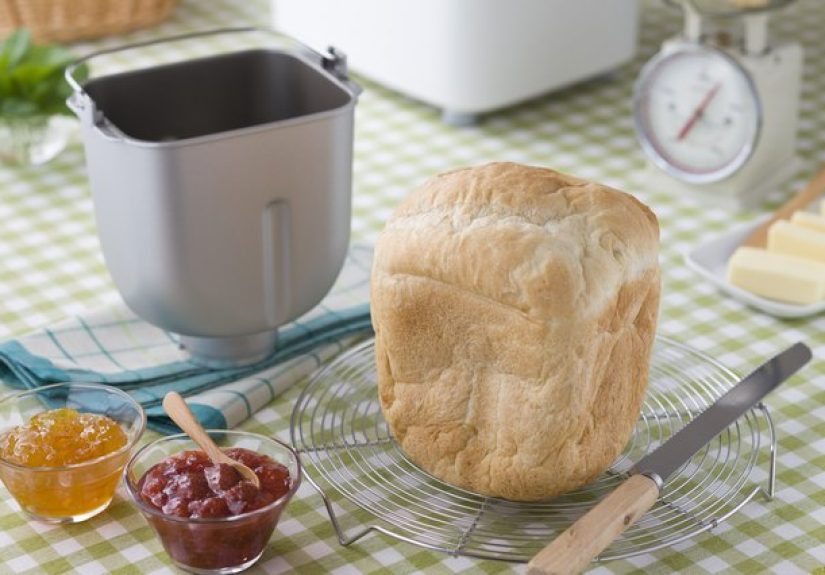
When the cycle ends, use oven mitts to remove the hot pan. Turn the loaf out carefully and let it cool on a wire rack. If the kneading blade stays inside the bread, remove it gently with a plastic or wooden utensil. Let the loaf cool for at least 15 minutes before slicing. Cutting too soon can make the crumb gummy and compressed, which is the bread equivalent of not letting a photo finish processing.
Best Ingredients for Better Bread Machine Results
Bread flour usually gives the best texture
If you want a loaf with better structure, chew, and rise, bread flour is usually your best friend. It has more protein than all-purpose flour, which helps build stronger gluten. You can use all-purpose flour in some recipes, but bread flour generally gives more reliable bread machine results.
Choose the right yeast
Instant yeast, rapid-rise yeast, or bread machine yeast are often the easiest choices because they can usually be added directly with the dry ingredients. Active dry yeast can work too, but it is often less ideal for very fast cycles like ExpressBake. If you are using a super short cycle, bread machine or instant yeast is usually the safer bet.
Watch salt and sugar levels
Salt is not just there for flavor. It also helps control fermentation. Too little salt can make dough rise too fast and then collapse. Sugar can help with browning and flavor, but too much can slow yeast activity in richer recipes. In other words, bread is dramatic, but it has rules.
Mind the liquid temperature
For most standard bread machine recipes, room-temperature or lukewarm liquids work best unless the recipe says otherwise. Extremely hot liquid can damage yeast. Extremely cold liquid can slow everything down. Your bread machine is not trying to host a sauna or a polar expedition.
How to Use Oster ExpressBake Without Regret
Many Oster bread machines include ExpressBake settings, which are designed to make bread much faster than a normal cycle. This feature is convenient when you forgot to plan ahead but still want fresh bread. That said, ExpressBake comes with trade-offs.
Loaves made on ExpressBake are often shorter and denser, with a darker, thicker crust. The top may even crack a bit, which is normal for the faster, hotter baking process. You should not use the delay timer with ExpressBake, and you should not open the lid during baking. If you want a picture-perfect loaf with a gentler texture, the regular cycle usually wins. If you want bread fast because dinner is glaring at you from across the room, ExpressBake earns its keep.
Using the Delay Timer the Smart Way
The delay timer is one of the best features on many Oster bread makers. It lets you load ingredients now and have bread finish later. This is great for waking up to warm bread or coming home to a loaf that makes your house smell like you have your life together.
But there is one big rule: do not use highly perishable ingredients when delaying the cycle. Fresh milk, eggs, cheese, sour cream, and similar ingredients can sit too long and become unsafe or lead to poor results. If you plan to use the timer, stick with recipes designed for delayed baking and keep the yeast dry by separating it from liquid with flour.
Common Oster Bread Machine Problems and Fixes
Dense or heavy loaf
This usually comes from too much flour, old yeast, too little liquid, or the wrong cycle. Check your measurements first. Also make sure the yeast is fresh and your flour is not packed too tightly.
Collapsed top
This can happen when there is too much liquid, too much yeast, or too little salt. A kitchen that is very warm and humid can also affect the loaf. Adjust carefully and only one variable at a time.
Pale loaf
Try a darker crust setting if your model offers one. Also make sure the recipe includes enough sugar or milk solids for proper browning.
Bread sticks in the pan
Let the loaf sit for about 5 minutes before turning it out. If it still sticks, gently shake the pan. Some Oster guidance also suggests wrapping the hot pan briefly with a damp cloth to help release the loaf.
Kneading blade stuck in the pan
Soak the pan with warm water for 10 to 15 minutes after it cools. That usually loosens the blade without turning cleanup into a medieval quest.
Cleaning and Caring for Your Oster Bread Machine
Always unplug the machine and let it cool before cleaning. Wipe the exterior and inner chamber gently with a damp cloth. Avoid immersing the machine in water. Clean the bread pan and kneading blade by hand, and dry them thoroughly before storing or using again. Avoid the dishwasher unless your specific model manual clearly says it is safe. Many bread machine pans and nonstick surfaces prefer a gentler life.
Also clear out crumbs from the interior regularly. If ingredients spill into the machine, stop, cool it down, and clean it before the next loaf. Burned crumbs are great for campfires, not for bread flavor.
A Simple Beginner Routine for Your First Loaf
If you are brand new to using an Oster bread machine, start with a basic white bread recipe from your manual or a tested bread machine recipe sized correctly for your model. Use bread flour, instant yeast, room-temperature liquid, and the Basic cycle. Watch the dough during the first knead, make tiny flour-or-water adjustments if needed, and resist the urge to keep opening the lid once the bake is underway.
Your first loaf does not need to be perfect. It just needs to teach you something. Maybe your kitchen runs humid. Maybe your machine browns crust a little more than expected. Maybe you discover that slicing warm bread requires self-control usually reserved for tax season. Every loaf tells you how to get better results on the next one.
Real-World Experiences Using an Oster Bread Machine
One of the most common experiences people have with an Oster bread machine is realizing that bread making is both easier and pickier than expected. Easier, because the machine really does handle the hard labor. Pickier, because bread notices everything. It notices whether you packed the flour, whether your yeast sat in the pantry since the dinosaurs, and whether you got impatient and tossed in extra liquid because the dough looked “a little shy.”
Many beginners start with enormous confidence, then produce a loaf that looks like a mushroom cloud or a sleepy brick. That is normal. The usual turning point comes after a few batches, when you stop treating the recipe as a vague suggestion and start measuring like a person who respects consequences. Suddenly the bread rises better, the crumb softens, and the whole machine feels less mysterious.
Another common lesson is that the first ten minutes of kneading can tell you nearly everything. Experienced bread-machine users often talk about learning the look of “good dough.” It should be soft, smooth, and slightly tacky, not bone-dry and not soupy. Once you learn that visual cue, your success rate goes way up. That tiny observation window is where good bread is often saved.
People also discover that Oster machines shine when used for more than basic loaves. Dough mode becomes a favorite feature fast. It lets you make pizza dough, cinnamon rolls, dinner rolls, and sweet doughs without hand-kneading. That is often the moment bread-machine owners graduate from “I use it sometimes” to “this appliance has earned permanent counter space.”
ExpressBake, meanwhile, tends to inspire mixed feelings. Users love it when they are in a hurry, but they also learn quickly that fast bread is not always pretty bread. The crust can be darker, the loaf can be shorter, and the texture can be denser. Most people eventually treat ExpressBake as an emergency hero rather than the default setting. It is the weeknight shortcut, not the special-occasion loaf.
There is also the unforgettable experience of removing the first successful loaf. The smell alone makes the machine feel like a genius investment. The kitchen suddenly smells warm, buttery, and suspiciously like a small-town bakery that sells jam you did not plan to buy. Then comes the second lesson: you really do need to cool the bread before slicing it. Everyone thinks they can outsmart this rule. Almost nobody can.
Long-term users often say their best results come from building a simple personal system. They keep yeast fresh, use bread flour for dependable structure, write down successful tweaks, and stick with a few proven recipes before experimenting. That consistency turns bread making from random luck into a repeatable habit.
And perhaps the most relatable bread-machine experience of all is this: once you get a few good loaves under your belt, store-bought sandwich bread starts feeling a little less exciting. Not because every homemade loaf is flawless, but because even an imperfect homemade loaf has personality. It smells better, tastes fresher, and gives you the quiet satisfaction of knowing you made bread with the push of a button and a little kitchen common sense. Honestly, that is a pretty nice superpower.
Conclusion
Learning how to use an Oster bread machine is mostly about getting the fundamentals right: use the correct pan setup, measure carefully, load ingredients in the proper order, choose the right cycle, and let the loaf cool before slicing. From there, the machine becomes one of the easiest ways to make homemade bread part of your weekly routine.
Whether you want a classic white loaf, a heartier whole wheat bread, or dough for pizza night, an Oster bread maker can make the process simpler, cleaner, and much more consistent. Start basic, keep notes, and give yourself a few loaves to learn the machine. Before long, using your Oster bread machine will feel less like a kitchen experiment and more like a small domestic flex.