Table of Contents >> Show >> Hide
- What Is Beta-Carotene?
- Top Health Benefits of Beta-Carotene
- Best Food Sources of Beta-Carotene
- How to Absorb More Beta-Carotene From Food
- Beta-Carotene Supplements: Helpful or Hype?
- How Much Beta-Carotene Do You Need?
- Simple Meal Ideas Rich in Beta-Carotene
- Common Myths About Beta-Carotene
- Practical Experience: What Beta-Carotene Looks Like in Real Life
- Conclusion
- SEO Tags
Note: This article is for general nutrition education only and is not medical advice. Anyone who smokes, used to smoke, has been exposed to asbestos, is pregnant, takes medication, or has a medical condition should speak with a qualified healthcare professional before using beta-carotene supplements.
Beta-carotene sounds like something a carrot would list on its résumé: “Excellent source of orange color, strong antioxidant potential, converts to vitamin A when needed.” And honestly, that résumé is not exaggerated. Beta-carotene is one of the best-known carotenoids, a family of colorful plant pigments that give many fruits and vegetables their bright orange, yellow, red, and sometimes deep green appearance.
But beta-carotene is more than a pretty color. In the body, it can be converted into vitamin A, an essential nutrient involved in vision, immune function, skin health, growth, and normal cell development. That means the humble sweet potato, carrot, pumpkin, spinach, and kale are not just side dishes. They are tiny nutrition departments wearing edible costumes.
Still, beta-carotene is also a perfect example of why nutrition is not always as simple as “more is better.” Getting beta-carotene from foods is generally considered a smart move. Taking high-dose beta-carotene supplements, especially for smokers or former smokers, is a very different story. In this guide, we will break down the real beta-carotene benefits, the best food sources, how to absorb it better, and when supplementation deserves a raised eyebrow.
What Is Beta-Carotene?
Beta-carotene is a plant pigment and antioxidant compound found mostly in colorful fruits and vegetables. It belongs to the carotenoid family, which also includes alpha-carotene, lutein, zeaxanthin, lycopene, and beta-cryptoxanthin. Some carotenoids can be converted into vitamin A, while others cannot. Beta-carotene is one of the most important provitamin A carotenoids, meaning your body can turn it into active vitamin A when needed.
Vitamin A comes in two main dietary forms. The first is preformed vitamin A, also called retinol, which is found in animal-based foods such as liver, eggs, dairy products, and some fish. The second is provitamin A carotenoids, including beta-carotene, which come from plant foods. Your body converts beta-carotene into vitamin A based on demand, which is one reason food-based beta-carotene is generally considered safer than large amounts of preformed vitamin A from supplements.
Beta-carotene is fat-soluble, so it is absorbed better when eaten with a little dietary fat. Translation: carrots are lovely, but carrots with olive oil, avocado, eggs, yogurt dressing, or nuts are even more nutritionally persuasive. Your salad does not need to become a swimming pool of dressing. A modest amount of healthy fat can help unlock more of the carotenoids inside the food.
Top Health Benefits of Beta-Carotene
1. Supports Healthy Vision
Vitamin A is essential for normal vision, especially the ability to see in low-light conditions. Since beta-carotene can convert into vitamin A, it plays an indirect but important role in eye health. No, carrots will not turn you into a night-vision superhero. That rumor has been doing cardio since World War II. But a diet that provides enough vitamin A does help maintain normal eye function.
Beta-carotene-rich foods may also be part of an overall eye-friendly diet because they often come packaged with other useful nutrients. Spinach and kale, for example, provide beta-carotene along with lutein and zeaxanthin, two carotenoids associated with the retina. This is one reason nutrition experts often recommend eating a variety of colorful produce rather than relying on one “miracle” food.
2. Helps Maintain Immune Function
Vitamin A supports the immune system by helping maintain the health of skin and mucous membranes, which act as first-line barriers against unwanted invaders. Think of these tissues as the body’s polite but firm security staff. When nutrition is poor, that security system can struggle.
Foods rich in beta-carotene, such as sweet potatoes, carrots, squash, leafy greens, and cantaloupe, often contain other immune-supportive nutrients too, including vitamin C, potassium, fiber, and polyphenols. This “team effect” is one reason whole foods usually beat isolated supplements. A carrot does not walk into your body alone; it brings friends.
3. Provides Antioxidant Activity
Beta-carotene can act as an antioxidant, helping neutralize free radicals. Free radicals are unstable molecules produced during normal metabolism and through exposure to things like pollution, tobacco smoke, and UV radiation. Antioxidants help balance oxidative stress, which is linked with aging and many chronic disease processes.
However, antioxidant science is not a simple superhero movie where beta-carotene arrives wearing a cape and defeats all villains. In food, beta-carotene is part of a complex nutrition matrix. In high-dose supplement form, especially in certain high-risk groups, it may behave differently. That is why the safest advice is refreshingly old-fashioned: eat more colorful vegetables and fruits.
4. Supports Skin Health From the Inside
Beta-carotene contributes to vitamin A status, and vitamin A is important for normal skin growth and repair. A diet rich in carotenoid-containing produce may also help skin look more vibrant over time. Some people who eat many beta-carotene-rich foods develop a slightly warmer skin tone, though extreme intake can cause carotenemia, a harmless yellow-orange tint most noticeable on the palms or soles.
Important reality check: beta-carotene is not sunscreen. Eating carrots is not a replacement for SPF 30, shade, protective clothing, and common sense. If the sun is roasting you like a marshmallow at a campfire, your lunch salad cannot file a formal complaint on your behalf.
5. Helps Fill Vitamin A Needs Through Plant Foods
For people who eat mostly plant-based diets, beta-carotene is especially important because it helps supply vitamin A activity without relying heavily on animal foods. The body’s conversion efficiency varies from person to person, and factors such as genetics, digestive health, food preparation, and dietary fat intake can influence how much vitamin A you get from beta-carotene.
That does not mean plant sources are weak. It means variety and consistency matter. Eating beta-carotene-rich foods regularly, preparing some of them cooked, and pairing them with healthy fats can help improve practical intake.
Best Food Sources of Beta-Carotene
The easiest way to spot beta-carotene is to look for orange and yellow produce. But do not ignore dark leafy greens. Their beta-carotene is hidden under green chlorophyll, like a nutrition ninja in a spinach costume.
Sweet Potatoes
Sweet potatoes are one of the richest everyday sources of beta-carotene. Their deep orange flesh practically waves a tiny flag that says, “Vitamin A potential lives here.” Bake them, mash them, cube them for grain bowls, or turn them into roasted wedges with olive oil and herbs.
Carrots
Carrots are the classic beta-carotene food, and for good reason. They are affordable, easy to store, and work raw, roasted, steamed, shredded, blended into soup, or dipped into hummus. Cooking carrots can make some carotenoids more available, especially when paired with a small amount of fat.
Pumpkin
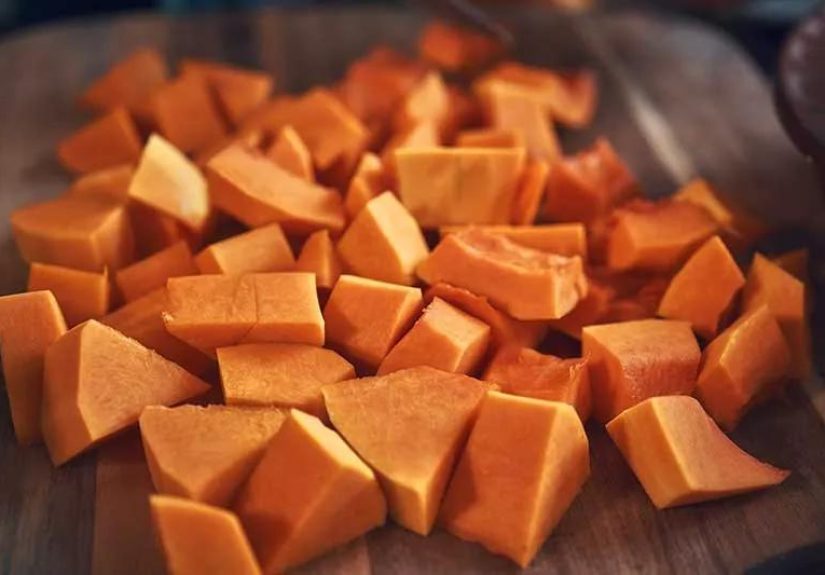
Pumpkin is not just a seasonal decoration that ends up on porches looking surprised. It is a beta-carotene-rich food that works in soups, oatmeal, smoothies, muffins, sauces, and chili. Choose plain pumpkin puree rather than sugar-loaded pie filling when you want nutrition without dessert-level sweetness.
Butternut Squash
Butternut squash brings beta-carotene, fiber, and a naturally sweet flavor. Roast it with olive oil, garlic, and rosemary, or blend it into a creamy soup. It is basically autumn in vegetable form, but there is no rule saying you can only eat it while wearing a sweater.
Spinach
Spinach contains beta-carotene even though it is not orange. The green pigment chlorophyll hides the carotenoid color. Spinach is easy to add to omelets, pasta, smoothies, soups, and salads. Light cooking may help reduce volume, making it easier to eat more without feeling like you are chewing through a lawn.
Kale
Kale provides beta-carotene along with lutein, zeaxanthin, vitamin K, and fiber. Massage raw kale with olive oil and lemon juice to soften it, or sauté it with garlic. Kale has a reputation for being serious, but it behaves better with seasoning.
Cantaloupe
Cantaloupe is a hydrating fruit with beta-carotene and vitamin C. It makes an easy breakfast side, snack, or smoothie ingredient. Pick a ripe melon with a sweet smell and heavy feel for its size. If it tastes like crunchy perfume, it was not ready.
Red and Orange Peppers
Bell peppers contribute carotenoids and vitamin C, making them excellent raw snacks or cooked additions to stir-fries, fajitas, salads, and sheet-pan meals. Their crunch also makes them a friendly gateway vegetable for people who still have childhood trust issues with boiled greens.
Apricots and Mangoes
Apricots and mangoes offer beta-carotene in a naturally sweet package. Fresh, frozen, or dried versions can fit into meals, though dried fruit is more concentrated in sugar and calories. Pair fruit with yogurt, nuts, or whole grains for a more balanced snack.
How to Absorb More Beta-Carotene From Food
Beta-carotene absorption depends on more than just how much is in the food. Preparation matters. Cooking can soften plant cell walls, making carotenoids easier to access. Chopping, blending, roasting, or steaming may improve availability compared with eating certain vegetables completely raw.
Fat also matters because beta-carotene is fat-soluble. Add a small amount of olive oil to roasted carrots, avocado to a spinach salad, peanut butter to a pumpkin smoothie, or eggs alongside sautéed greens. You do not need to turn dinner into a greasy science project. A little goes a long way.
Consistency matters too. One heroic carrot on Monday will not rescue a week of beige meals. Aim for regular servings of colorful produce throughout the week. The goal is not perfection; it is pattern. A colorful plate most days is more powerful than a dramatic vegetable sprint once a month.
Beta-Carotene Supplements: Helpful or Hype?
Beta-carotene supplements may be recommended in specific medical situations, but most people are better off getting beta-carotene from food. Supplements can deliver high doses without the fiber, water, minerals, and other plant compounds found in whole foods. That changes the context.
The biggest caution involves smokers, former smokers, and people exposed to asbestos. Research has linked high-dose beta-carotene supplements with increased lung cancer risk in these groups. This does not mean carrots are dangerous for smokers. Food sources of beta-carotene are not the same as concentrated supplements.
Beta-carotene supplements are also not recommended as a strategy to prevent cancer or cardiovascular disease in generally healthy adults. More antioxidant does not automatically mean more protection. In nutrition, the body is not a simple bucket you fill with “good stuff” until health overflows. It is a living system with balance, timing, dose, and context.
How Much Beta-Carotene Do You Need?
There is no separate official daily requirement for beta-carotene itself. Instead, recommendations are usually discussed in terms of vitamin A activity, measured as retinol activity equivalents, or RAE. Adult vitamin A needs are commonly listed as 900 mcg RAE per day for men and 700 mcg RAE per day for women, with different needs during pregnancy, lactation, and childhood.
Because conversion varies, it is not useful to obsess over exact beta-carotene math at every meal. A better approach is to eat a mix of beta-carotene-rich foods often: orange vegetables, leafy greens, and colorful fruits. If you have a medical condition that affects fat absorption, follow a strict diet, or are worried about vitamin A status, ask a healthcare professional or registered dietitian for personalized guidance.
Simple Meal Ideas Rich in Beta-Carotene
Breakfast Ideas
Try pumpkin oatmeal with cinnamon, walnuts, and Greek yogurt. Add mango to a smoothie with spinach and peanut butter. Make scrambled eggs with sautéed kale and peppers. These meals are colorful, filling, and much more exciting than staring sadly into a plain bowl of cereal.
Lunch Ideas
Build a roasted sweet potato bowl with black beans, avocado, salsa, and greens. Make carrot-ginger soup with a side of whole-grain toast. Toss spinach, roasted squash, chickpeas, feta, and olive oil dressing into a hearty salad that does not collapse emotionally after three bites.
Dinner Ideas
Serve salmon or tofu with roasted carrots and butternut squash. Add pumpkin puree to chili for extra body and nutrients. Stir spinach into pasta sauce at the end of cooking. The spinach will shrink dramatically, which is either culinary magic or leafy green stage fright.
Snack Ideas
Snack on carrots with hummus, bell pepper strips with guacamole, cantaloupe with cottage cheese, dried apricots with almonds, or a small sweet potato topped with yogurt and cinnamon. These snacks bring color, fiber, and flavor without requiring a nutrition degree or a kitchen renovation.
Common Myths About Beta-Carotene
Myth 1: More Beta-Carotene Always Means Better Health
Not necessarily. More vegetables and fruits are usually beneficial, but high-dose supplements can be risky for certain groups. Food first is the safest general rule.
Myth 2: Carrots Cure Poor Eyesight
Carrots support normal vision when they contribute to adequate vitamin A intake, but they do not correct nearsightedness, farsightedness, or astigmatism. If your glasses prescription is strong enough to locate planets, carrots will not replace your optometrist.
Myth 3: Beta-Carotene Is the Same as Vitamin A
Beta-carotene is not active vitamin A. It is a precursor that the body can convert into vitamin A. That conversion is helpful, but it is not identical for every person or every food.
Myth 4: Green Vegetables Do Not Contain Beta-Carotene
Many leafy greens contain beta-carotene. Their orange pigment is simply masked by chlorophyll. Spinach and kale are excellent examples.
Practical Experience: What Beta-Carotene Looks Like in Real Life
In everyday eating, beta-carotene is easiest to understand through meals, not microscopes. Imagine someone trying to improve their diet without becoming the kind of person who says “mouthfeel” at every dinner. A practical first step might be adding one orange or dark green food to two meals per day. That could mean pumpkin oatmeal at breakfast and roasted carrots at dinner. No spreadsheet, no panic, no need to interview a sweet potato.
One common experience is that cooked beta-carotene foods feel easier to eat consistently than raw ones. A giant raw carrot can be crunchy and fun until your jaw files a complaint. Roasted carrots, on the other hand, become sweet, soft, and almost caramel-like. Sweet potatoes are even easier: bake several at once, store them in the fridge, and suddenly lunches become less chaotic. Add black beans, avocado, salsa, or leftover chicken, and you have a meal that tastes planned even if your calendar says otherwise.
Another practical lesson is that fat improves the meal. People sometimes try to eat vegetables completely plain because they think “healthy” means “slightly punished.” But beta-carotene absorbs better with some fat, and flavor improves too. A drizzle of olive oil on roasted squash, tahini on a sweet potato bowl, or avocado in a spinach salad makes the meal more satisfying. When healthy food tastes good, you are much more likely to repeat it. Consistency beats heroic suffering every time.
Families often find beta-carotene foods easier to introduce when texture is flexible. Pumpkin can disappear into pancakes, muffins, chili, or pasta sauce. Spinach can blend into smoothies or wilt into soups. Carrots can be shredded into slaws, baked into muffins, or roasted with honey and herbs. For picky eaters, the goal is not to deliver a lecture titled “The Moral Importance of Kale.” The goal is repeated, low-pressure exposure. A vegetable does not need applause; it just needs another chance.
People who meal prep often notice that beta-carotene-rich foods are budget-friendly and durable. Carrots last a long time in the refrigerator. Frozen spinach is inexpensive and easy to add to cooked meals. Canned pumpkin is shelf-stable. Sweet potatoes and winter squash can sit patiently in the kitchen while more delicate produce gives up dramatically after three days. This makes beta-carotene foods especially useful for busy students, parents, workers, and anyone who has ever opened the fridge and wondered if dinner could be made from mustard and hope.
The biggest real-life takeaway is balance. Beta-carotene is valuable, but it is not a magic wand. A healthy diet still needs protein, healthy fats, whole grains, fiber, hydration, sleep, movement, and reasonable portions. Use beta-carotene-rich foods as colorful building blocks. Add carrots to soup, spinach to eggs, pumpkin to oatmeal, sweet potatoes to lunch bowls, and peppers to dinner. Over time, those small choices create a pattern that supports health without making food feel like homework.
Conclusion
Beta-carotene is one of the most useful plant compounds in a healthy diet because it helps the body make vitamin A, supports normal vision and immune function, contributes antioxidant activity, and comes packed inside some of the most delicious foods in the produce aisle. The best sources include sweet potatoes, carrots, pumpkin, butternut squash, spinach, kale, cantaloupe, peppers, apricots, and mangoes.
The smartest strategy is simple: eat beta-carotene-rich foods regularly, prepare some of them cooked, pair them with a little healthy fat, and avoid assuming supplements are automatically better. For most people, the best beta-carotene plan is not a bottle. It is a colorful plate. Preferably one that tastes good enough to make you forget you are doing something responsible.