Table of Contents >> Show >> Hide
- What Is Biofeedback Therapy?
- How Biofeedback Therapy Works
- What a Typical Biofeedback Session Looks Like
- Types of Biofeedback Therapy
- Main Uses of Biofeedback Therapy
- Benefits of Biofeedback Therapy
- Limitations and What the Evidence Really Says
- Is Biofeedback Therapy Safe?
- Who Might Be a Good Candidate?
- What to Ask Before Starting
- Real-World Experiences With Biofeedback Therapy
- Final Thoughts
Imagine your body finally getting subtitles. That, in a nutshell, is the charm of biofeedback therapy. It takes bodily processes that usually run in the background like an overachieving intern, then puts them on display so you can see what is happening in real time. Heart rate. Muscle tension. Breathing. Skin temperature. Pelvic floor activity. Suddenly, things that once felt mysterious become trainable.
Biofeedback therapy is often described as a mind-body technique, but that label can make it sound a little floaty, like it belongs in a candle shop next to crystals and herbal tea. In reality, it is far more practical. Sensors measure what your body is doing, a monitor gives immediate feedback, and a trained clinician teaches you how to respond. Over time, you learn how to relax certain muscles, change breathing patterns, improve pelvic floor coordination, or reduce stress responses that may be fueling symptoms.
That is why biofeedback has drawn attention for a wide range of health concerns, including tension headaches, migraines, stress, anxiety-related physical symptoms, urinary incontinence, fecal incontinence, chronic constipation linked to pelvic floor dysfunction, and some chronic pain conditions. It is not magic. It is not mind control. It is not a cure-all wrapped in inspirational language. But for the right person with the right condition, it can be a genuinely useful tool.
This guide breaks down what biofeedback therapy is, how it works, what a typical session looks like, where it may help, where the evidence is stronger or weaker, and what patients should know before booking an appointment. Think of it as a user manual for your own wiring, minus the tiny screwdriver and confusing warranty card.
What Is Biofeedback Therapy?
Biofeedback therapy is a training method that uses electronic or mechanical devices to measure body functions and turn them into signals you can see, hear, or otherwise understand. The idea is simple: when you become aware of what your body is doing, you can begin practicing ways to change it.
For example, a person with frequent tension headaches may not realize how tight their neck, jaw, and shoulder muscles stay throughout the day. A person with urinary leakage may think they are doing pelvic floor exercises correctly when they are actually bearing down instead of contracting the right muscles. A person under chronic stress may feel “fine” while their breathing has quietly shifted into shallow panic mode worthy of a dramatic movie soundtrack.
Biofeedback gives these hidden patterns a spotlight. Once the pattern becomes visible, the therapist can coach the patient to make small adjustments and repeat them until the body starts learning a new habit. That is the real goal of therapy: not just seeing the numbers move on a screen, but translating that skill into daily life.
How Biofeedback Therapy Works
Step 1: Sensors collect body data
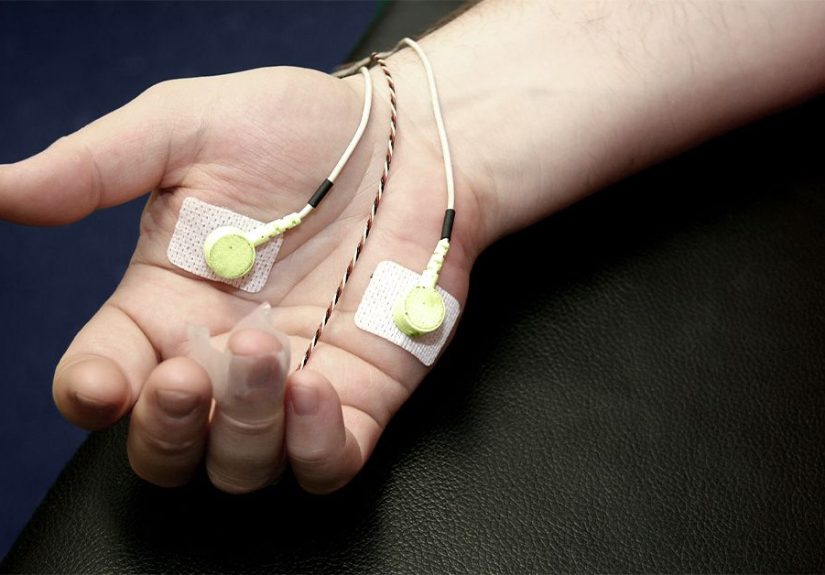
Depending on the issue being treated, a clinician may place sensors on your skin, fingers, scalp, abdomen, or pelvic floor area. These sensors do not read your soul, your future, or your browser history. They simply pick up physical signals.
Common measurements used in biofeedback include:
- Muscle activity: Often measured with electromyography, or EMG, to track tension in muscles.
- Breathing rate and pattern: Helpful when stress, panic, or pain is linked to inefficient breathing.
- Heart rate or heart rate variability: Often used in relaxation and stress management training.
- Skin temperature: Sometimes used when blood flow and stress responses are part of the picture.
- Skin conductance: A marker related to sweating and arousal.
- Brain wave activity: In some forms of training, especially neurofeedback, though that is a specialized subtype and not the same as every standard biofeedback program.
- Pelvic floor or anal sphincter activity: Common in therapy for urinary or bowel control problems.
Step 2: Real-time feedback appears on a screen or device
Once the sensors are connected, the data is translated into something usable. You might see a moving line, changing colors, bars that rise and fall, or audio cues that change as your body changes. If your shoulder muscles loosen, the graph shifts. If your breathing becomes slower and more controlled, the device reflects it. If you finally contract the correct pelvic floor muscles instead of every muscle in a three-mile radius, the feedback shows it.
Step 3: You practice changing the response
This is where the therapy part begins. A trained provider guides you through techniques such as slow breathing, muscle relaxation, posture correction, visualization, pelvic floor training, or awareness exercises. The live feedback lets you know whether what you are doing is actually working.
That matters because many people think they are relaxing when they are really just sitting very still and clenching quietly.
Step 4: Repetition turns awareness into skill
Over repeated sessions, the goal is to build self-regulation. Eventually, you may not need the machine in front of you because you recognize the body pattern sooner and know how to respond. In other words, the device is the training wheels. The long-term win is using the skill without the gadget.
What a Typical Biofeedback Session Looks Like
A first visit usually begins with an evaluation. The clinician asks about symptoms, goals, medical history, and what seems to trigger the problem. Then the therapist selects the type of feedback best suited to the issue being treated.
A session may last anywhere from about 30 to 60 minutes, depending on the setting and condition. During the session, you may sit in a chair, lie on an exam table, or work through guided exercises. Pelvic floor biofeedback may be handled by specially trained physical therapists or pelvic health specialists and can involve external sensors or internal sensors when appropriate.
Most people need more than one visit. Biofeedback is learned, not sprinkled on like parmesan. Some problems improve with a short series of sessions, while pelvic floor and bowel retraining may take weeks or months, especially when the body has been rehearsing the same unhelpful pattern for years.
Types of Biofeedback Therapy
EMG biofeedback
This tracks muscle tension and is commonly used for headache disorders, jaw tension, neck pain, shoulder tightness, or musculoskeletal problems driven by chronic clenching. It can be remarkably humbling to learn your trapezius muscles have been auditioning for a stone statue all day.
Thermal biofeedback
This monitors skin temperature, often in the fingers or hands. Because stress can change blood flow, thermal feedback may be used in relaxation training and in some vascular-related applications.
Heart rate and breathing biofeedback
This is often used to train slower, more efficient breathing and improve awareness of the stress response. It is common in programs for stress management and anxiety-related physical symptoms.
Pelvic floor biofeedback
This is one of the most practical and widely used forms of biofeedback in medical care. It helps people learn how to correctly contract or relax pelvic floor muscles, which can matter in urinary incontinence, fecal incontinence, and some forms of constipation caused by poor coordination of pelvic floor muscles.
Neurofeedback
Neurofeedback uses brain-wave feedback and is often discussed separately from general biofeedback. Some clinics offer it for select neurological or behavioral goals, but it should not be assumed to have the same evidence base for every condition people mention online at two in the morning.
Main Uses of Biofeedback Therapy
1. Headaches and migraines
Biofeedback is commonly used as part of a broader plan for tension headaches and migraines. In these cases, therapy may focus on reducing muscle tension, improving breathing, and lowering physiologic stress responses that can contribute to symptoms. It is often combined with lifestyle adjustments, trigger management, good sleep habits, hydration, and medication when needed.
It is especially appealing for people who want a non-drug strategy to add to their treatment toolbox. That said, it should not replace medical evaluation for new, severe, or unusual headaches.
2. Stress and anxiety-related physical symptoms
Biofeedback does not erase every anxious thought from existence, which would be nice, but it can help people recognize and calm the body’s physical stress loop. For some patients, learning to slow breathing, reduce muscle tension, or improve control over stress responses makes symptoms feel less overwhelming and more manageable.
It tends to work best when it is part of a bigger plan that may also include therapy, sleep improvement, exercise, mindfulness, and medical care when appropriate.
3. Urinary incontinence
Pelvic floor biofeedback is often used to help people identify the correct muscles for bladder control. Many patients are surprised to learn they have been doing Kegel exercises incorrectly. Biofeedback can improve awareness, coordination, and strength, especially when guided by a trained pelvic floor therapist.
It may be used for stress incontinence, urge symptoms, or mixed patterns depending on the individual case. In post-prostatectomy rehabilitation, evidence for biofeedback as an adjunct to pelvic floor muscle training has been particularly encouraging.
4. Fecal incontinence and bowel control problems
For bowel symptoms, biofeedback may help patients sense rectal filling, coordinate pelvic floor and anal sphincter muscles, and improve the timing of contractions and relaxation. This is one of the more specialized but important clinical uses of the therapy.
5. Chronic constipation related to pelvic floor dysfunction
Not all constipation is the same. In some people, the problem is not simply slow digestion. It is poor coordination of the pelvic floor and anal muscles during a bowel movement. In those cases, biofeedback can help retrain the body to relax the right muscles at the right time. For medically refractory pelvic floor constipation, this approach is often considered a leading non-drug option.
6. Chronic pain and muscle tension disorders
Biofeedback may also support some patients with chronic pain, jaw clenching, neck and shoulder tension, temporomandibular disorders, or stress-amplified pain patterns. The benefit here is often less about “curing pain” and more about reducing the physiological habits that keep the pain cycle humming.
Benefits of Biofeedback Therapy
- Noninvasive: No incisions, no hospital gown drama, no recovery room crackers.
- Skill-based: It teaches patients something they can use outside the clinic.
- Often low risk: It is generally considered safe when properly used.
- Can reduce reliance on medication in some cases: Not by replacing necessary care, but by adding another layer of symptom management.
- Highly individualized: Training can be tailored to the symptom pattern and the person.
- Useful in rehab settings: Especially for pelvic floor, bladder, and bowel retraining.
Limitations and What the Evidence Really Says
Here is the grown-up part of the conversation: biofeedback is not equally proven for every condition that appears on clinic websites, wellness blogs, or internet rabbit holes. Evidence is stronger in some areas than others.
Clinical support is especially solid for certain headache applications and for some pelvic floor-related conditions, including urinary incontinence after prostate surgery and pelvic floor dysfunction affecting bowel habits. For other uses such as general stress, anxiety symptoms, fibromyalgia, insomnia, or blood pressure support, the evidence can be mixed, condition-specific, or modest. That does not mean it never helps. It means the expected results should be realistic and tailored to the problem.
The best way to think about biofeedback is as a targeted training tool, not a universal cure. It tends to work better when there is a clear physiological pattern to train and when the patient practices consistently between sessions.
Is Biofeedback Therapy Safe?
In general, biofeedback is considered low risk and noninvasive. Most people tolerate it well. The main challenge is usually not danger. It is patience. Learning new body control takes practice, and progress may be gradual.
Still, “generally safe” does not mean “for absolutely everyone in every situation with no questions asked.” People with significant physical or mental health conditions should discuss the therapy with a qualified clinician first. Some relaxation-based approaches can occasionally feel uncomfortable for people with trauma histories or certain psychiatric conditions. Pelvic floor therapy should be performed by appropriately trained professionals, especially if internal sensors or specialized rehabilitation techniques are involved.
And of course, biofeedback is not a substitute for emergency care. Sudden severe headache, chest pain, major neurological symptoms, new bowel or bladder loss with weakness, or other urgent red flags belong in the world of immediate medical evaluation, not “let me schedule a calming session next Thursday.”
Who Might Be a Good Candidate?
Biofeedback therapy may be worth discussing with a clinician if you:
- Have tension headaches or migraines and want non-drug support strategies.
- Struggle with urinary leakage and are unsure whether you are doing pelvic floor exercises correctly.
- Have pelvic floor constipation or bowel control issues.
- Notice that stress shows up strongly in your breathing, muscle tension, or pain flares.
- Prefer active, skill-building treatments over passive approaches alone.
- Are willing to practice between sessions.
What to Ask Before Starting
- What kind of biofeedback do you use for my condition?
- What training or certification does the provider have?
- How many sessions are usually needed?
- What should I practice at home?
- What goals will we track?
- Is biofeedback meant to replace or complement other treatment?
Real-World Experiences With Biofeedback Therapy
The following are representative experiences based on common clinical patterns, not individual published patient testimonials.
One common biofeedback experience starts with surprise. A college student with frequent tension headaches walks into the clinic thinking stress is “just in the mind,” then watches a monitor reveal that the muscles in the forehead, jaw, and shoulders are staying tight even while sitting quietly. During the first few sessions, the student struggles to make the numbers change. Then something clicks. Slow breathing, a looser jaw, a better sitting posture, and shorter screen-time marathons start lowering the muscle tension on the screen. The headaches do not vanish overnight, but they become less frequent and less intense. The biggest change is confidence. Instead of feeling ambushed by symptoms, the student has a strategy.
Another typical experience comes from pelvic floor therapy. A woman with urinary leakage after childbirth has been faithfully doing Kegels for months and getting nowhere. Biofeedback shows why: she is recruiting the wrong muscles and holding her breath during each attempt. Once she sees the feedback, the exercise finally makes sense. Instead of squeezing everything like she is trying to win a very strange internal tug-of-war, she learns a smaller, more precise contraction followed by full relaxation. Improvement is gradual, but real. She notices less leaking during coughing, less fear about exercise, and less frustration from feeling like she failed at something that was simply taught poorly.
In bowel rehabilitation, the experience can be even more eye-opening. A middle-aged patient with chronic constipation has tried fiber, water, stool softeners, and enough online advice to fill a small library. Biofeedback testing reveals a coordination problem: instead of relaxing the pelvic floor during a bowel movement, the muscles tighten. The therapy sessions focus on timing, pressure control, breathing, and learning what “letting go” actually feels like physically. It is not glamorous. No one writes blockbuster movie scenes about defecation mechanics. But for the patient, progress feels life-changing because fewer bathroom battles mean less pain, less bloating, and more normal routines.
Then there is the office worker with stress-related chest tightness, shallow breathing, and a nervous system that seems to treat every email like a bear attack. Heart rate and breathing feedback make the pattern visible. At first, the worker realizes that relaxation is not something that happens merely by buying a better candle. It is a trainable skill. After several sessions, the person can spot stress earlier, slow the breath, release tension, and avoid escalating into full-body panic mode. The workload may not change, but the body’s reaction does. That shift can be powerful.
Across these experiences, the common thread is not instant transformation. It is learning. Biofeedback tends to help the most when patients show up, practice, stay curious, and treat the process like physical therapy for the nervous system or the pelvic floor. The machine offers data, the clinician offers coaching, but the patient provides the repetition that turns a technique into a habit. That is usually where the real progress lives.
Final Thoughts
Biofeedback therapy sits in a useful middle ground between high-tech monitoring and old-fashioned self-awareness. It gives people a way to see what their body is doing, practice changing it, and carry that skill into everyday life. For headaches, stress-related physical symptoms, urinary incontinence, fecal incontinence, and pelvic floor constipation, it can be a meaningful part of care when the right diagnosis and the right training are in place.
The best candidates are usually the ones willing to treat it as training rather than a one-time fix. Biofeedback is less like flipping a switch and more like learning an instrument. At first, the sounds are awkward. Eventually, the body starts playing in tune. And honestly, that is not a bad outcome for a therapy built on teaching your own physiology some better manners.