Table of Contents >> Show >> Hide
- What Is Brazilian Lemonade (a.k.a. Brazilian Limeade)?
- Brazilian Lemonade Ingredients
- Equipment You’ll Need
- Brazilian Lemonade Recipe (Step-by-Step)
- Why Brazilian Lemonade Can Turn Bitter (And How to Prevent It)
- Flavor Variations (Keep the Core, Change the Vibe)
- Make-Ahead and Storage Tips
- Serving Ideas (Because Presentation Counts)
- Troubleshooting: Fix It Fast
- FAQ: Brazilian Lemonade Recipe Questions
- Experiences: What Making Brazilian Lemonade Feels Like (500+ Words)
- Conclusion
If regular lemonade is the dependable friend who always shows up on time, Brazilian lemonade is the fun cousin who arrives wearing sunglasses indoors and somehow makes it work.
It’s tangy, creamy, frothy, and dangerously easy to drink. Also: it’s usually made with limes, not lemonsso yes, “Brazilian lemonade” is a bit of a naming plot twist.
But once you taste that bright citrus + silky sweetness combo, you won’t care what it’s called. You’ll just care that your glass is empty again.
What Is Brazilian Lemonade (a.k.a. Brazilian Limeade)?
In Brazil, this drink is commonly known as limonada suíça (often translated as “Swiss lemonade”), even though it’s proudly Brazilian.
In the United States, it’s more accurately a creamy limeade because it’s typically made with whole or chunked limes blended with cold water, sugar, and
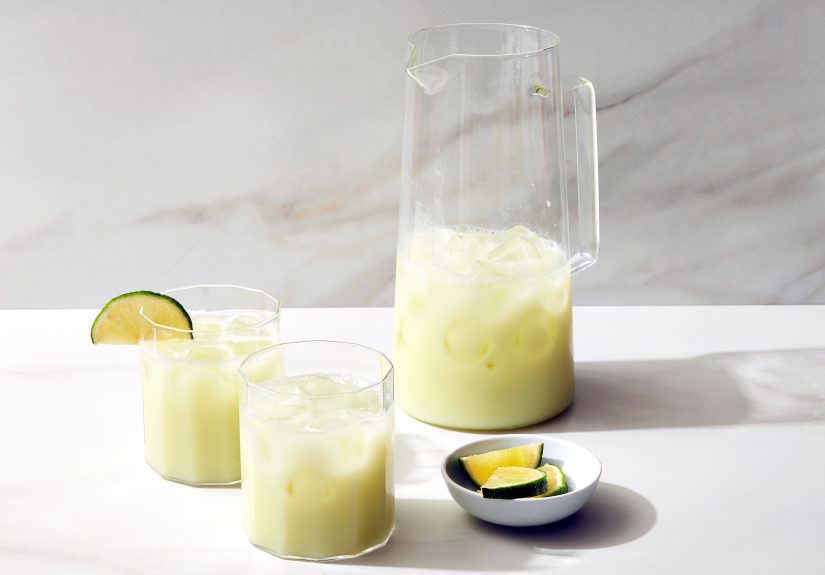
sweetened condensed milk. The quick blend creates a pale, frothy drink with a texture that lands somewhere between lemonade and a light citrus milkshakewithout being heavy.
The magic is the method: instead of juicing limes and tossing the peels, you blend the lime pieces briefly to capture citrus oils and aromathen strain to keep it smooth.
The biggest “secret” is also the biggest risk: if you blend too long, the peel and pith can make the drink bitter. Don’t worrywe’ll keep you safely on the delicious side of science.
Brazilian Lemonade Ingredients
This Brazilian lemonade recipe keeps the classic flavor profile: tart limes, creamy sweetness, and a frothy finish. You only need a handful of ingredients:
- Fresh limes (4 medium; thin-skinned limes are ideal)
- Cold water (about 4 cups)
- Granulated sugar (1/3 to 1/2 cup, adjust to taste)
- Sweetened condensed milk (1/3 to 1/2 cup, adjust to taste)
- Ice (for serving, and optional for blending if you want it extra frosty)
- Optional pinch of salt (tiny amount, big impact if bitterness shows up)
Ingredient Notes (So You Don’t Get Surprised)
-
Limes: Wash them well. You’re using the peel, and nobody wants “notes of produce sticker adhesive.”
If your limes are very thick-skinned or super pithy, trim more pith (we’ll show you how). -
Sweetened condensed milk: This adds both sweetness and creaminess. It also helps soften sharp lime flavors.
Start smalleryou can always add more. -
Sugar: Some recipes use only sugar, some rely more on condensed milk. The best version is the one you’ll actually make again,
so feel free to tune the balance.
Equipment You’ll Need
- Blender (standard or high-speed)
- Fine-mesh strainer (or a sieve)
- Pitcher
- Knife + cutting board
- Spoon (for gentle stirring and tasting)
Brazilian Lemonade Recipe (Step-by-Step)
This makes about 4 to 6 servings, depending on glass size and how generous you are with ice.
Plan to serve it soon after blending for the freshest flavor and best froth.
Step 1: Prep the Limes
- Wash the limes thoroughly under running water. Since the peel goes into the blender, give them a good scrub.
- Trim the ends off each lime (the ends often have extra pith).
-
Cut each lime into 8 wedges (or quarters, then halve). Remove visible seeds.
Seeds can add bitterness and a weird “why is this spicy?” vibe.
Step 2: Blend Briefly (The Golden Rule)
- Add the lime pieces to the blender.
- Pour in 4 cups cold water.
- Add 1/3 cup sugar and 1/3 cup sweetened condensed milk to start.
-
Pulse 4–6 times (or blend 5–10 seconds max).
You are not making a smoothie. You are making a citrus perfume cloud that tastes like summer.
Step 3: Strain for Smoothness
- Place a fine-mesh strainer over a pitcher.
- Pour the blended mixture through the strainer.
-
Let it drain naturally. If needed, gently stir the pulp with a spoon to help liquid pass through.
Avoid pressing hardpushing the pulp can squeeze out bitter compounds from the peel.
Step 4: Taste, Adjust, and Serve
-
Taste the strained lemonade. Adjust sweetness with a little more sugar and/or condensed milk.
If it tastes slightly sharp, that’s normalice will mellow it. - If you notice a bitter edge, add a tiny pinch of salt (seriously: tiny). Stir and taste again.
- Serve over plenty of ice. Optional: garnish with a lime wheel.
Why Brazilian Lemonade Can Turn Bitter (And How to Prevent It)
Bitterness is the #1 complaint people have with Brazilian limeade, and it’s completely fixable.
The peel contains aromatic oils that smell incredible, but the white pith and over-processed peel can contribute bitternessespecially when blended too long.
Anti-Bitterness Checklist
- Blend less, not more: Keep it to short pulses or 5–10 seconds.
- Trim the ends: Lime ends are often pith-heavy.
- Remove seeds: Seeds can add harshness.
- Don’t press the pulp: Gentle strain only.
- Serve promptly: The drink is at its best right after blending; bitterness can increase as it sits.
- Use a pinch of salt if needed: It can balance flavors and soften bitterness.
Think of it like steeping tea: a little time is flavorful; too much time is a regret you try to cover up with extra sugar.
(We’ve all been there. Some of us are still there.)
Flavor Variations (Keep the Core, Change the Vibe)
Once you’ve nailed the classic Brazilian lemonade recipe, you can riff without losing what makes it special: creamy citrus, bright flavor, frothy texture.
1) Coconut Twist (Tropical & Smooth)
Replace some (or all) of the water with coconut water. It adds a subtle tropical sweetness and makes the lime flavor pop.
You can also use sweetened condensed coconut milk for a dairy-free option.
2) Extra Frosty “Slush” Style
Add 1–2 cups of ice into the blender and reduce water slightly. Blend brieflystill not longjust enough to chill it into a thicker, frostier drink.
3) Mint-Lime Creamy Lemonade
Add a few mint leaves before pulsing (don’t overdo itmint can take over fast).
Strain as usual for a clean finish.
4) Less Sweet, More Tangy
Use less condensed milk and keep sugar modest. This version is brighter and more “classic citrus drink,” just with a creamy edge.
Make-Ahead and Storage Tips
Brazilian lemonade is best fresh. That’s not dramait’s chemistry. The longer citrus peel and pith compounds hang out in the liquid,
the more likely bitterness will creep in, and the froth can collapse.
- Best plan: Make it right before serving.
- If you must prep ahead: Wash and cut limes earlier, keep them refrigerated, and blend right before guests arrive.
- Leftovers: Store in the fridge and drink within 24 hours. Expect less froth. Stir and taste; you may want extra ice.
Serving Ideas (Because Presentation Counts)
- Backyard lunch: Pair with grilled chicken, tacos, or a big chopped saladanything that loves a bright, cooling drink.
- Snack moment: Serve with salty snacks (popcorn, chips, roasted nuts). Salt and lime are best friends.
- Party pitcher: Offer a “sweetness station” with extra condensed milk and sugar syrup so guests can customize.
Troubleshooting: Fix It Fast
“It’s bitter.”
- Add a tiny pinch of salt and stir.
- Add more ice and serve colder (cold reduces perceived bitterness).
- Next time: blend less, trim more pith, and don’t press the pulp.
“It’s too sweet.”
- Add more cold water and ice.
- Squeeze in a little extra lime juice (not peel) for brightness.
“It’s not creamy enough.”
- Add 1 tablespoon more condensed milk, stir, and taste.
- Make sure it’s very coldcreaminess reads better when chilled.
“It tastes flat.”
- Add a small squeeze of fresh lime juice.
- Add a pinch of salt to make the lime flavor pop.
FAQ: Brazilian Lemonade Recipe Questions
Is Brazilian lemonade really lemonade?
In the U.S. sense, it’s closer to limeade because it uses limes. But names are flexible; your thirst is not.
Can I make it without a blender?
The classic version relies on blending peel for aroma and froth. If you don’t have a blender, use fresh lime juice plus water, sugar, and condensed milk,
then shake vigorously with ice in a sealed container for foam. It won’t be identical, but it’ll still be delicious.
Can I make it dairy-free?
Yes. Use sweetened condensed coconut milk and water (or coconut water). You’ll keep the creamy vibe with a tropical twist.
How many limes do I need?
For a 4–6 serving pitcher, 4 medium limes is a great starting point. Smaller limes may require 5–6.
If your limes are huge, 3 might do it.
Experiences: What Making Brazilian Lemonade Feels Like (500+ Words)
The first time most people try a Brazilian lemonade recipe, there’s a moment of suspicion. It usually happens right after someone says,
“So… we’re blending the peel?” and the room goes quiet like the limes just proposed something outrageous.
If you’ve ever watched a friend stare into a blender like it’s a crystal ball that might reveal consequences, you’ve seen this moment.
Then comes the oddly satisfying part: the pulsing. Not blendingpulsing. This drink teaches patience in the funniest way.
You do a few quick bursts, you stop, you look, you pulse again. It feels less like cooking and more like negotiating:
“Okay, limes, we want flavor and fragrance, but we do not want your bitter side. Keep it cute.”
When you pour the mixture through a strainer, you get the second little thrill: the transformation.
The liquid below turns pale and cloudy, with a foam cap that makes it look almost milkshake-adjacent.
People who “don’t like creamy drinks” suddenly start reconsidering their entire personality.
It’s not heavy. It’s not thick. It’s more like lemonade that went to a spa, got a facial, and came back glowing.
Taste-testing is where the drink becomes personal. Some folks love it tangy and sharpthe kind of citrus punch that makes your eyes widen in a good way.
Others want it dessert-like, with enough sweetened condensed milk to taste like a lime creamsicle.
And that’s the charm: Brazilian lemonade isn’t a strict recipe; it’s a customizable summer mood.
One household’s “perfect” version might be another household’s “too sweet,” and nobody is wrong.
(Except the person who blends for 60 seconds. That person is learning an important life lesson.)
If you’re making it for other people, Brazilian lemonade has a fun social effect: it sparks commentary.
Someone will say, “Wait, what is in this?” Then someone else will guess incorrectly with full confidence.
(“Is it coconut milk?” “Is it vanilla?” “Is it… melted ice cream?”)
You get to reveal the actual ingredientslimes, water, sugar, condensed milkand watch the surprise.
It’s one of those recipes that feels like a magic trick because the result tastes more complex than the ingredient list suggests.
The funniest part is how quickly it disappears. You pour a full pitcher, you turn around, and suddenly you’re holding an empty container like,
“Who drank this? And why are you all acting innocent?”
Brazilian lemonade is an “accidental second batch” kind of drink. If you’re hosting, assume you’ll make it twiceor make a larger batch and keep extra limes ready.
Over time, people develop their own signature moves: one person always adds a pinch of salt “for balance,” another insists on coconut water “for vibes,”
and someone inevitably says, “Next time, I’m putting it in fancy glasses,” as if the drink itself isn’t already doing the most.
That’s how you know a recipe has become a keeper: it stops being instructions and starts being tradition.
Conclusion
A great Brazilian lemonade recipe is all about balance: short blending for aroma, careful straining for smoothness,
and just enough sweetness to make the lime taste brightnot brutal. Once you master the quick pulse-and-strain method,
you’ll have a creamy, frothy summer drink that feels special even on an ordinary Tuesday.
And if anyone questions the “lemonade” label, just smile and hand them a glass. The argument won’t survive the first sip.