Table of Contents >> Show >> Hide
- What Makes a Great Butternut Squash Casserole?
- Ingredients That Matter (and Smart Swaps)
- The Best Butternut Squash Casserole Recipe (Crispy Panko-Parmesan)
- Make-Ahead, Storage, and Reheating
- Flavor Variations (Pick Your Personality)
- Troubleshooting (Because Casseroles Have Moods)
- What to Serve with Butternut Squash Casserole
- FAQ
- Closing Thoughts
- Kitchen Moments & Experiences Around Butternut Squash Casserole (Extra ~)
Butternut squash casserole is what happens when a cozy sweater becomes edible. It’s creamy, a little sweet, a little savory,
and topped with something crunchybecause life is hard enough without texture.
Some versions lean dessert-adjacent (maple, cinnamon, pecans). Others go full dinner-party mode (kale, bacon, cheese, herbs).
This recipe hits the best middle ground: naturally sweet squash + savory aromatics + a crisp panko-Parmesan topping that
makes people “just take a tiny scoop” three times in a row.
What Makes a Great Butternut Squash Casserole?
A truly great butternut squash casserole recipe is all about balance. Squash brings sweetness and silkiness, but it can turn
one-note if you don’t give it a little backup. The secret trio is:
- Salt + umami (cheese, browned butter, sautéed onion, herbs) to keep it from tasting like baby food (no offense to babies).
- Creaminess with structure (eggs + dairy) so it slices and serves instead of slumping into “orange lava.”
- A crunchy topping (panko, nuts, crackers, or a streusel) because the best casseroles have a golden crown.
Ingredients That Matter (and Smart Swaps)
1) The squash
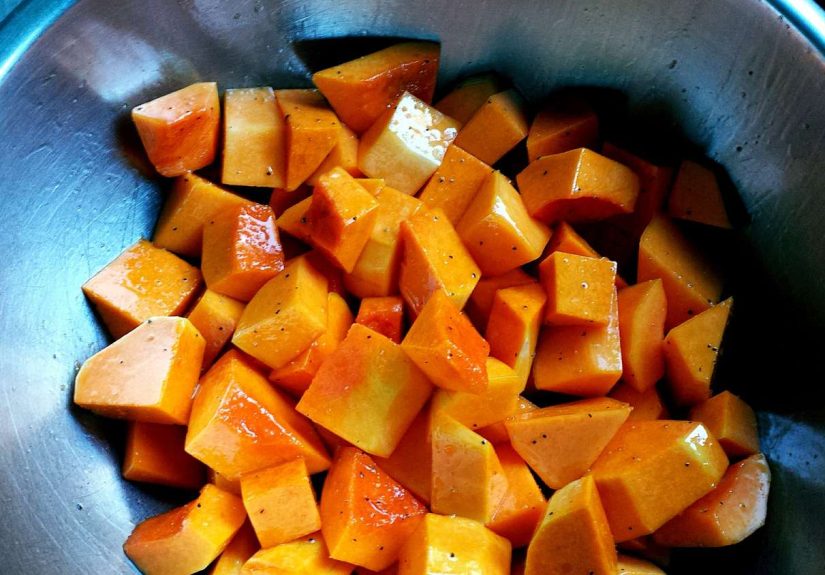
You can roast, steam, or simmer butternut squash. Roasting wins for flavor because it concentrates sweetness and adds caramelized depth.
Frozen pre-cubed squash also works when you need dinner on the table and sanity in your head.
2) The creamy base
The classic casserole base uses eggs for binding and a dairy component for richness. Think milk, half-and-half, cream, or even sour cream.
If you want a lighter bite, use whole milk and a modest amount of cheese. If you want “holiday luxurious,” bring in heavy cream and Gruyère.
3) The topping
A panko-Parmesan topping gives you big crunch with minimal fuss. For a sweeter, holiday-style topping, go with brown sugar + pecans.
You can also use crushed buttery crackers, crisp rice cereal, or granola in a pinch (yes, really).
The Best Butternut Squash Casserole Recipe (Crispy Panko-Parmesan)
This version is savory-forward with a naturally sweet finish. It’s perfect for Thanksgiving, Sunday dinner, or any evening when you want your kitchen
to smell like you have your life together.
Prep Time & Yield
- Prep: 25–30 minutes
- Bake: 25–30 minutes
- Total: about 1 hour (faster if using pre-cubed squash)
- Makes: 8–10 servings (9×13-inch dish)
Ingredients
For the squash base
- 3 to 3 1/2 pounds butternut squash (about 1 large), peeled, seeded, cut into 1-inch cubes (or 6–7 cups pre-cubed)
- 2 tablespoons olive oil
- 1 1/2 teaspoons kosher salt, divided
- 1/2 teaspoon black pepper, plus more to taste
- 3 tablespoons unsalted butter
- 1 medium yellow onion, finely chopped
- 3 cloves garlic, minced
- 1 to 2 tablespoons chopped fresh sage (or 1 1/2 teaspoons dried)
- 1/4 teaspoon ground nutmeg (optional but highly recommended)
- 3 large eggs
- 1 cup milk or half-and-half
- 3/4 cup grated Parmesan, divided
- 1 cup shredded Gruyère, sharp white cheddar, or mozzarella (optional, but delicious)
For the crunchy topping
- 1 cup panko breadcrumbs
- 1/3 cup grated Parmesan
- 2 tablespoons melted butter
- 1 tablespoon chopped fresh sage (or 1 teaspoon dried)
- Pinch of salt and black pepper
- Optional: 1/3 cup chopped toasted pecans or sliced almonds
Instructions
-
Roast the squash.
Preheat oven to 425°F. Toss cubed squash with olive oil, 1 teaspoon salt, and pepper. Spread on a large baking sheet (give it spacecrowding steams it).
Roast 25–30 minutes, stirring once, until very tender and browned at the edges. -
Sauté the flavor team.
While the squash roasts, melt 3 tablespoons butter in a skillet over medium heat. Add onion and cook 6–8 minutes until soft and lightly golden.
Add garlic and sage; cook 30–60 seconds until fragrant. Turn off heat. -
Make the creamy base.
In a large bowl, whisk eggs, milk (or half-and-half), 1/2 cup Parmesan, nutmeg (if using), and the remaining 1/2 teaspoon salt.
Add the onion-garlic mixture. -
Mash (or partially mash) the squash.
Add roasted squash to the bowl and mash to your preferred texture:- Smooth: mash thoroughly for a soufflé-like casserole.
- Rustic: mash lightly so some cubes stay intact (my favoritemore texture, more personality).
Stir in the optional shredded cheese if using.
-
Assemble.
Butter a 9×13-inch baking dish. Spread the squash mixture evenly in the dish. -
Top it like you mean it.
In a small bowl, mix panko, 1/3 cup Parmesan, melted butter, sage, salt, pepper, and optional nuts.
Sprinkle evenly over the casserole. -
Bake.
Bake at 375°F for 20–25 minutes until hot and set, and the topping is golden. If you want extra crunch, broil 1–2 minutes at the endwatch closely. -
Rest, then serve.
Let it sit 10 minutes before slicing. This isn’t just politenessit helps the casserole hold together.
Make-Ahead, Storage, and Reheating
- Make-ahead (best for holidays): Assemble the casserole (without topping) up to 24 hours ahead. Cover and refrigerate. Add topping right before baking.
- Freeze: Freeze the filled dish (without topping) up to 2 months. Thaw overnight in the fridge, add topping, then bake.
- Reheat: Warm at 350°F until heated through. If the top softens, add a small handful of panko + Parmesan and toast 5–8 minutes.
Flavor Variations (Pick Your Personality)
1) Sweet holiday butternut squash casserole (maple-pecan)
Want the classic “Thanksgiving side dish that could technically be dessert” vibe? Do this:
- Add 1/4 cup maple syrup (or 1/3 cup brown sugar) to the egg-and-milk mixture.
- Swap sage for 1 teaspoon cinnamon + a pinch of nutmeg.
- Top with chopped pecans mixed with brown sugar and butter (or use crushed granola).
2) Cheesy, savory weeknight casserole (kale + bacon optional)
For a hearty dinner version, fold in 3 cups chopped kale (lightly sautéed or wilted) and add 4–6 slices cooked bacon, crumbled.
Use mozzarella + sharp cheddar for maximum gooey comfort. Suddenly, your “side dish” is applying for a lead role.
3) Elegant gratin-style casserole (thin-sliced “shingles”)
If you want something that looks like it belongs in a glossy magazine spread, slice squash thin and layer it with sautéed leeks or onions,
cream, and cheese. Bake until bubbling, then finish with breadcrumbs. Same cozy spirit, fancier haircut.
4) Dietary swaps that don’t taste sad
- Gluten-free: Use gluten-free panko or crushed GF crackers.
- Dairy-free: Use unsweetened oat milk + vegan butter + dairy-free Parmesan-style cheese. Add extra herbs and garlic for depth.
- Egg-free: Skip eggs and reduce liquid slightly; bake longer and let it cool fully to set. Texture is softer but still tasty.
Troubleshooting (Because Casseroles Have Moods)
- Watery casserole: Roast squash (don’t boil), and don’t cover while baking. If your squash is extra juicy, drain it in a colander after roasting.
- Too sweet: Add more salt, black pepper, Parmesan, and fresh herbs. A squeeze of lemon at the end also helps.
- Too bland: Toast your topping longer, add a sharper cheese, and don’t be shy with onion/garlic/sage.
- Topping got soft: Broil briefly or add a fresh sprinkle of panko + Parmesan and toast.
What to Serve with Butternut Squash Casserole
This casserole plays well with almost any fall-and-winter main:
- Roast chicken or turkey (holiday classic)
- Pork tenderloin or ham (sweet squash loves salty pork)
- Seared steak (surprisingly greatespecially with the savory version)
- A big green salad with apples, walnuts, and a tangy vinaigrette (for balance)
FAQ
Can I use frozen butternut squash?
Yes. Roast it straight from frozen (it may take a bit longer). Drain off any excess moisture before mixing into the casserole.
Do I have to peel butternut squash?
For this casserole, yesthe skin stays tough. If peeling feels like an extreme sport, buy pre-cubed squash.
How do I keep the topping crunchy?
Add topping right before baking, bake uncovered, and finish with a quick broil if needed.
Is this a side dish or a main dish?
Officially: side dish. Realistically: it depends on how much cheese and bacon you add and whether anyone’s watching.
Closing Thoughts
The beauty of a butternut squash casserole recipe is how flexible it is. You can go sweet, savory, fancy, lazy, or “I had five minutes and a dream.”
Keep the core idea: tender squash + a creamy binder + a crunchy top. Nail that, and you’ll have a dish that disappears fast and gets requested often.
Kitchen Moments & Experiences Around Butternut Squash Casserole (Extra ~)
There’s a special kind of chaos that shows up when someone says, “We’re doing a potluck!” and suddenly your kitchen turns into a game show called
Will This Fit in One Oven? Butternut squash casserole is a quiet hero in that moment. It’s forgiving, it travels well, and it looks like you tried
very hardeven if you absolutely did not.
Imagine the classic scene: the table is crowded with serious-looking dishes (roasts, gravies, salads pretending to be healthy), and then your casserole
shows up wearing a crunchy golden hat. People scoop it “to be polite.” Then they come back with the bigger spoon. Someone asks, “What’s in this?”
like you’ve been hiding a secret ingredient from the government. The truth? It’s usually just squash, dairy, and the magical combination of salt + butter + crunch.
But it feels like more, which is basically the whole point of comfort food.
The sweet version has its own social life. It’s the dish that makes people argue (in a friendly way) about whether it belongs with dessert.
You’ll see someone take a bite, pause, and do that slow nod like they’ve just received life-changing news. The pecans crackle, the cinnamon smells like
a fall candle (but edible), and suddenly the “I don’t like squash” crowd gets very quiet. Funny how that works.
The savory version is for the folks who want to feel sophisticated while still eating something cozy. Add kale and bacon and it becomes
“a balanced meal,” which is the sort of thing adults say when they want seconds without guilt. The cheese bubbles around the edges,
the topping gets crisp, and the whole dish smells like a cabin weekend where everybody owns at least one flannel shirt.
And then there’s the very real holiday strategy moment: the make-ahead move. This casserole shines when you prep it a day early.
You assemble the creamy squash base, cover it, and slide it into the fridge like a little promise to your future self.
The next day, while everyone else is panic-basting something, you calmly sprinkle on the topping and bake. You look serene.
You feel powerful. People assume you’re organized. (You don’t have to correct them.)
The best part is how the casserole becomes a conversation piece. Somebody will say, “My grandma used to make something like this,”
and suddenly you’re swapping family food stories like trading cards. Someone else admits they used pre-cut squash and everyone agrees
that convenience is not a crime. Another person jokes they’re only here for the crunchy toppingand honestly, that’s valid.
So whether you’re making this for Thanksgiving, a Sunday dinner, or a random Tuesday that needs a win, butternut squash casserole is the kind of dish
that doesn’t just feed people. It gathers them. It gets remembered. And it quietly improves your reputation as “the one who brought that really good casserole.”
Which, as titles go, is right up there with “person who knows how to fold fitted sheets.”