Table of Contents >> Show >> Hide
- What Does the Check Fuel Cap Light Mean on a Honda Accord?
- Is It Safe to Drive With the Check Fuel Cap Light On?
- Common Causes of the Check Fuel Cap Light on Honda Accord
- How to Fix the Check Fuel Cap Light on a Honda Accord
- How Long Does It Take for the Check Fuel Cap Light to Reset?
- When Should You Replace the Honda Accord Fuel Cap?
- Can a Check Fuel Cap Warning Cause a Failed Emissions Test?
- Honda Accord Check Fuel Cap Light: Quick Troubleshooting Chart
- Common Mistakes to Avoid
- Real-World Experiences: What Honda Accord Owners Often Notice
- Conclusion
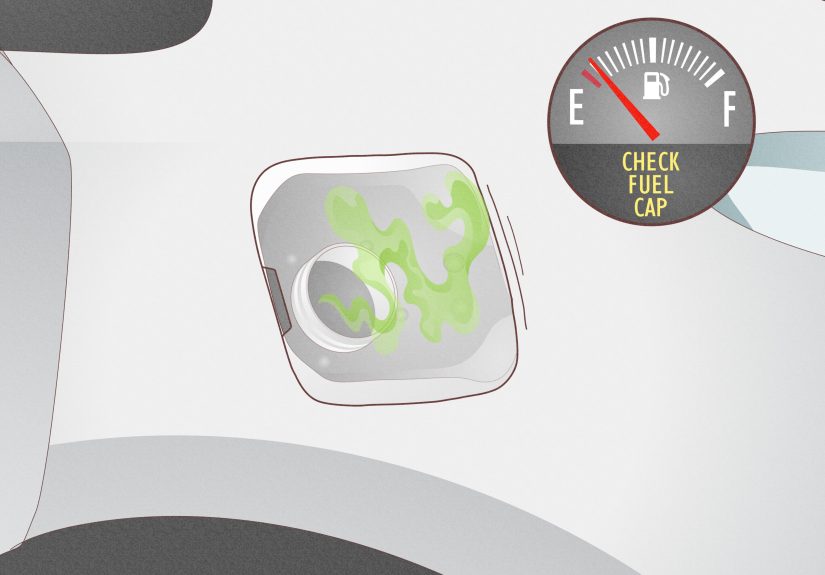
The Check Fuel Cap light on a Honda Accord is one of those dashboard messages that feels tiny and dramatic at the same time. It is not as scary as a flashing check engine light, but it also refuses to be ignored. You tighten the cap, give it the official “that should do it” twist, start the car, and there it is againstaring at you like your Accord has trust issues.
The good news is that this warning is often caused by something simple: a loose, missing, worn, or incorrectly sealed fuel cap. The slightly less fun news is that if the message keeps returning, it may point to an issue in the EVAP system, short for evaporative emissions control system. That system captures fuel vapors from the tank and prevents them from escaping into the air. When the Accord detects a leak or pressure problem, it may show a Check Fuel Cap, Tighten Fuel Cap, Check Emission System, or even a check engine light.
This guide explains what the warning means, the most common causes, the safest DIY fixes, when to replace the gas cap, and when it is time to let a mechanic run a smoke test instead of turning your driveway into a guessing game.
What Does the Check Fuel Cap Light Mean on a Honda Accord?
On many Honda Accord models, the fuel cap warning appears when the vehicle detects that the fuel tank is not sealing properly. The onboard diagnostics system expects the fuel system to hold pressure or vacuum within a certain range. If the cap is loose, damaged, missing, or unable to seal, fuel vapors can escape. The car notices the pressure change and politely tattles on the fuel cap.
Depending on the model year, your Accord may display a message such as “Check Fuel Cap” or “Tighten Fuel Cap.” On some models, the check engine light may also come on if the system continues to detect a leak after several driving cycles. Older Accords may require the cap to be tightened until it clicks more than once, while some later models simply say to tighten it until it clicks securely. The exact reset behavior can vary by year, so your owner’s manual is always the final referee.
Is It Safe to Drive With the Check Fuel Cap Light On?
In most cases, yes, you can continue driving for a short time if the Honda Accord runs normally and there is no strong gasoline smell. A loose fuel cap usually affects emissions more than drivability. However, you should not ignore it forever. A bad seal can allow fuel vapors to escape, reduce fuel economy slightly, trigger emissions-related trouble codes, and potentially cause the check engine light to stay on.
If you smell gasoline, see fuel leaking, notice rough running, or the check engine light is flashing, stop driving and have the vehicle inspected. Gasoline vapors are flammable, so this is not the moment to test your luck like you are in a car-themed game show.
Common Causes of the Check Fuel Cap Light on Honda Accord
1. Loose or Improperly Tightened Fuel Cap
The most common reason for the warning is also the easiest to fix. After refueling, the cap may not have been tightened enough. Maybe you were in a hurry, maybe the pump was crowded, or maybe the cap got one sad little twist and called it a day.
Turn the engine off, open the fuel door, remove the cap, inspect it quickly, then reinstall it. Tighten it until it clicks securely. Many Honda manuals recommend tightening until you hear at least one click, and some older models mention multiple clicks. If the message came on right after a fuel stop, this is the first thing to check.
2. Damaged Fuel Cap Seal
The rubber gasket on the fuel cap creates the seal. Over time, that rubber can dry out, crack, flatten, or become stiff. When that happens, the cap may still click, but it may not seal properly. It is like closing a door with a worn-out weatherstrip: technically closed, but not exactly impressive.
Look for cracks, tears, dirt, warping, or a gasket that feels brittle. If the cap looks worn or the rubber seal is damaged, replacing the cap is usually inexpensive and often solves the problem.
3. Wrong or Poor-Quality Replacement Gas Cap
Not all fuel caps fit or seal the same way. A universal cap may physically screw on, but it may not match the Accord’s sealing and pressure requirements. If the warning started after replacing the cap, the new part may be the issue.
For best results, use an OEM Honda fuel cap or a high-quality cap designed specifically for your Honda Accord’s model year and engine. A cheap cap can turn a five-minute fix into a month-long dashboard argument.
4. Dirty Fuel Filler Neck
The fuel cap seals against the filler neck. If the surface is dirty, rusty, dented, or coated with residue, the cap may not sit evenly. This is especially common on older vehicles or cars driven in areas with road salt, dust, or heavy humidity.
With the engine off and away from flames or sparks, inspect the filler neck. If you see dirt around the sealing surface, wipe it gently with a clean cloth. Do not use harsh tools that could scratch or deform the metal surface.
5. EVAP System Leak
If the fuel cap is tight and healthy but the warning keeps coming back, the problem may be elsewhere in the evaporative emissions system. The EVAP system includes components such as vapor hoses, a charcoal canister, purge valve, vent valve, fuel tank pressure sensor, and related lines.
A small crack in a hose, a stuck valve, or a damaged canister can mimic a loose cap because the system still detects vapor leakage. Common EVAP-related diagnostic codes include P0440, P0442, P0455, P0456, and P0457, although exact codes depend on the model year and failure pattern.
6. Faulty Purge Valve or Vent Valve
The purge valve controls when fuel vapors move from the charcoal canister into the engine to be burned. The vent valve helps control airflow during EVAP testing and vapor storage. If either valve sticks open or closed, the Accord may detect an EVAP fault.
Symptoms can include a persistent fuel cap warning, check engine light, hard starting after refueling, rough idle, or failed emissions inspection. These parts are not always difficult to replace, but proper diagnosis matters because replacing random EVAP parts gets expensive quickly.
7. Fuel Tank Pressure Sensor Issue
The fuel tank pressure sensor helps the vehicle monitor pressure changes in the fuel system. If the sensor sends incorrect information, the Accord may believe there is a leak even when the cap and hoses are fine.
This is less common than a bad cap, but it becomes more likely if the warning returns after the cap has been replaced and the EVAP system passes a leak test.
How to Fix the Check Fuel Cap Light on a Honda Accord
Step 1: Turn Off the Engine Safely
Park in a safe location, turn off the engine, and avoid smoking, sparks, or open flames near the fuel area. Fuel vapors are no joke, even if the dashboard message sounds harmless.
Step 2: Remove and Reinstall the Fuel Cap
Open the fuel door, remove the cap, and reinstall it carefully. Tighten it until it clicks securely. Make sure the cap is not cross-threaded. A cap that goes on crooked may feel tight but still fail to seal.
Step 3: Inspect the Cap and Gasket
Check the cap for cracks, worn threads, missing parts, or a damaged rubber seal. If the gasket is dry, split, or flattened, replace the cap. Fuel caps are usually affordable, and a proper replacement is one of the easiest fixes on the entire car.
Step 4: Clean the Filler Neck Surface
Use a clean cloth to wipe the sealing area where the cap meets the filler neck. Do not pour chemicals into the filler neck, and do not scrape aggressively. You only want to remove dirt or residue that may stop the gasket from sealing.
Step 5: Drive Normally for a Few Trips
The warning may not disappear instantly. Many Honda vehicles need one or more driving cycles before the system retests and clears the message. In some older Accord manuals, Honda notes that the warning or malfunction indicator may take several normal trips to go away after the cap is tightened or replaced.
That means you do not need to panic if the light stays on for a little while after fixing the cap. The car may simply be waiting to run its EVAP self-check again.
Step 6: Read the Diagnostic Trouble Codes
If the check engine light appears or the warning does not clear, use an OBD-II scanner to read the codes. Many auto parts stores can scan codes, and basic scanners are inexpensive. The code will not always identify the exact failed part, but it will point you in the right direction.
For example, a large leak code may suggest a loose cap, missing cap, or disconnected hose. A small leak code may require deeper testing because tiny EVAP leaks can be hard to spot by eye.
Step 7: Get a Smoke Test if the Problem Persists
If the cap is new, properly installed, and the warning still returns, a smoke test is often the best next step. A technician introduces safe diagnostic smoke into the EVAP system and watches where it escapes. This can reveal cracked hoses, loose clamps, leaking canisters, or filler neck issues that are nearly invisible during a normal inspection.
How Long Does It Take for the Check Fuel Cap Light to Reset?
The reset time depends on the Accord’s model year, driving conditions, and whether the underlying problem is fixed. Sometimes the message clears after restarting and driving. Other times, it may take several trips. If the check engine light is on, it may remain until the system completes its emissions monitor checks or the code is cleared with a scanner after repair.
Do not simply clear the code without fixing the cause. Clearing a code is like muting a smoke alarm because dinner got crispy. It may be quiet, but the problem might still be there.
When Should You Replace the Honda Accord Fuel Cap?
Replace the fuel cap if it is cracked, loose, missing, hard to tighten, unable to click, or has a damaged gasket. You should also consider replacing it if the warning began after years of normal use and the cap looks original. Fuel caps live a rough life: heat, cold, gasoline vapor, road grime, and repeated twisting eventually wear them down.
For many Accord owners, a new OEM-style cap is the fastest and least expensive first repair. Just make sure the replacement matches your exact model year. A 2006 Accord, a 2013 Accord, and a newer Accord may not all use the same cap design.
Can a Check Fuel Cap Warning Cause a Failed Emissions Test?
Yes. If the fuel cap warning leads to an active check engine light or stored EVAP code, your Accord may fail an emissions inspection. Many states require the onboard diagnostic system to show no active emissions faults and to have readiness monitors completed. If you recently cleared codes, the car may also show monitors as “not ready,” which can delay inspection.
Fix the issue first, then drive normally until the monitors complete. If inspection is coming soon, do not wait until the night before. The EVAP system has a talent for becoming dramatic at the least convenient time.
Honda Accord Check Fuel Cap Light: Quick Troubleshooting Chart
| Symptom | Likely Cause | Best Fix |
|---|---|---|
| Warning appears right after refueling | Loose or crooked fuel cap | Remove and retighten the cap until it clicks securely |
| Warning returns after tightening | Worn cap gasket or wrong cap | Replace with correct OEM-style fuel cap |
| Check engine light also turns on | EVAP leak or emissions fault | Scan codes and diagnose based on results |
| Gas smell near car | Possible fuel vapor or liquid leak | Stop driving if strong; have it inspected promptly |
| New cap does not solve the issue | EVAP hose, valve, sensor, or canister problem | Request a professional smoke test |
Common Mistakes to Avoid
Ignoring the Warning for Weeks
A fuel cap warning may be minor, but leaving it unresolved can hide other emissions problems. If the check engine light comes on later, you may not know whether it is still the cap or something new.
Buying the Cheapest Universal Cap
A low-cost universal gas cap can work in some cases, but it can also create sealing problems. A cap designed for your specific Accord is a safer choice.
Clearing Codes Without Repairing Anything
Clearing the warning may make the dashboard look peaceful, but the vehicle will run its EVAP test again. If the leak remains, the light will return like a sequel nobody asked for.
Overfilling the Fuel Tank
Do not keep pumping after the nozzle clicks off. Topping off can send liquid fuel where vapor is supposed to go and may stress EVAP components. Stop at the first automatic click and let the system do its job.
Real-World Experiences: What Honda Accord Owners Often Notice
Many Honda Accord owners first see the Check Fuel Cap message shortly after stopping for gas. The timing is almost suspiciously perfect. You fill up, drive away, and a few minutes later the dashboard starts acting like the fuel cap just committed a federal offense. In many cases, the cap was simply not tightened enough. Removing it and reinstalling it carefully solves the issue, though the warning may take a few trips to disappear.
Another common experience is the “I already tightened it” phase. This is where the owner tightens the cap repeatedly, sometimes with increasing emotional investment, but the warning keeps coming back. At this point, the cap seal is often the culprit. The cap may look fine from a distance, but the gasket can be worn, flattened, or cracked. A fresh, correct replacement cap often fixes the problem. The key word is correct. Accord owners who buy a random universal cap sometimes discover that the car is pickier than expected.
Older Accords can add another twist: the message may clear temporarily and then return days later. This can happen when the EVAP system detects a small leak only under certain conditions. EVAP tests may run when the fuel level, outside temperature, and driving pattern are suitable. That means the car may not complain every single time you drive. It waits, tests, thinks about it, and then lights up again just when you were starting to relax.
Some owners also report that the check fuel cap warning eventually becomes a check engine light. This usually means the computer has decided the issue is not a one-time cap problem. The stored trouble code may indicate a small EVAP leak, large EVAP leak, or general evaporative system fault. At that point, scanning codes is better than guessing. A code reader can help separate a simple cap issue from a leaking hose, stuck purge valve, bad vent valve, or pressure sensor problem.
A very practical lesson from real-world Accord ownership is this: do the cheap and obvious checks first, but do not throw parts at the car forever. Start with the cap. Inspect the gasket. Clean the filler neck. Replace the cap if it is old or questionable. Then drive normally and give the system time to retest. If the warning returns after all that, move on to diagnosis. A smoke test may cost more than a gas cap, but it can save money by finding the actual leak instead of turning your trunk into a museum of replaced parts.
Drivers in humid, coastal, snowy, or salty areas may also see more filler neck and hose issues as the vehicle ages. Rust, brittle rubber, and loose clamps can all create small leaks. These leaks may not affect how the Accord drives, which is why the warning feels confusing. The engine may run smoothly, fuel economy may seem normal, and yet the emissions system still knows something is off. Modern vehicles are impressively good at detecting tiny vapor leaks, even when the driver’s only symptom is a dashboard message and mild annoyance.
The best owner habit is simple: after every refuel, tighten the cap until it clicks securely and avoid topping off the tank. If the warning appears, handle it calmly. Most cases are not emergencies, but they do deserve attention. Your Accord is not being dramatic for funwell, probably not. It is trying to keep the fuel system sealed, emissions controlled, and future repair bills smaller.
Conclusion
The Check Fuel Cap light on a Honda Accord usually points to a loose, missing, damaged, or incorrectly sealing gas cap. Start with the simple fixes: retighten the cap, inspect the gasket, clean the filler neck, and replace the cap with the correct part if needed. Then drive normally for a few trips, because the warning may not reset immediately.
If the message keeps returning, especially with a check engine light, the issue may be deeper in the EVAP system. Cracked hoses, faulty purge valves, vent valve problems, charcoal canister issues, and pressure sensor faults can all cause similar warnings. At that stage, an OBD-II scan and smoke test are smarter than guesswork.
In short, do not panic, do not ignore it, and do not wage war against the dashboard with random parts. A careful, step-by-step approach will usually lead you to the fixand your Accord can go back to being the reliable sedan it was born to be.
Note: This article is for general educational guidance. For model-specific reset steps, warning behavior, torque details, and safety instructions, always follow the owner’s manual for your exact Honda Accord year and trim.