Table of Contents >> Show >> Hide
- Why chickenpox in adults is more serious
- Chickenpox in adults symptoms: what to watch for
- How chickenpox spreads and when adults are contagious
- Complications of chickenpox in adults
- When to call a doctor right away
- How chickenpox is diagnosed in adults
- Chickenpox treatment in adults
- Chickenpox vaccination for adults
- What if an adult is exposed to chickenpox?
- Chickenpox, shingles, and the “same virus, different sequel” issue
- Practical prevention tips for adults
- Final thoughts
- Real-world adult experiences with chickenpox
Chickenpox has a bit of a retro reputation. It sounds like one of those illnesses that belonged to childhood photo albums, hand-knit blankets, and a thermometer that lived in a kitchen drawer. But adult chickenpox is still very much a thing, and when it shows up in grown-ups, it tends to be far less charming than its old-fashioned name suggests.
Chickenpox, also called varicella, is caused by the varicella-zoster virus. In children, it is often mild. In adults, it can be much rougher, with more intense symptoms, a higher risk of complications, and a greater chance of needing medical care. That is why understanding adult chickenpox symptoms, treatment options, and the role of the varicella vaccine for adults matters more than many people realize.
If you never had chickenpox, never got vaccinated, or honestly cannot remember whether your childhood rash was chickenpox or “some mystery itch situation,” this guide will help you sort through the basics. Here is what chickenpox in adults looks like, how it is treated, when it becomes serious, and how vaccination can prevent a miserable week from becoming a dangerous one.
Why chickenpox in adults is more serious
Chickenpox is highly contagious, and adults who are not immune can catch it easily after close contact with someone who has chickenpox. Exposure can also happen through direct contact with shingles blisters, because shingles is caused by the same virus. Once infected, adults often get hit harder than children.
Part of the reason is simple biology: adult immune responses can turn the illness into a bigger production. Fever may be higher, body aches can be stronger, and the rash can be more extensive. Adults are also more likely to develop complications such as viral pneumonia, dehydration, bacterial skin infections, and inflammation affecting the brain or nervous system.
This is especially important for people who are pregnant, immunocompromised, have chronic lung disease, or take medicines that weaken the immune system. For these groups, chickenpox is not just inconvenient. It can be dangerous.
Chickenpox in adults symptoms: what to watch for
The classic sign of chickenpox is an itchy, blister-like rash, but the rash is usually not the opening act in adults. Many adults first notice a day or two of feeling generally awful. Think fatigue, fever, headache, loss of appetite, and a “why do I feel like I got run over by a delivery truck?” kind of malaise.
Early symptoms
Before the rash appears, adults may develop:
- Fever
- Fatigue or unusual tiredness
- Headache
- Body aches
- Loss of appetite
- General feeling of being unwell
The rash stage
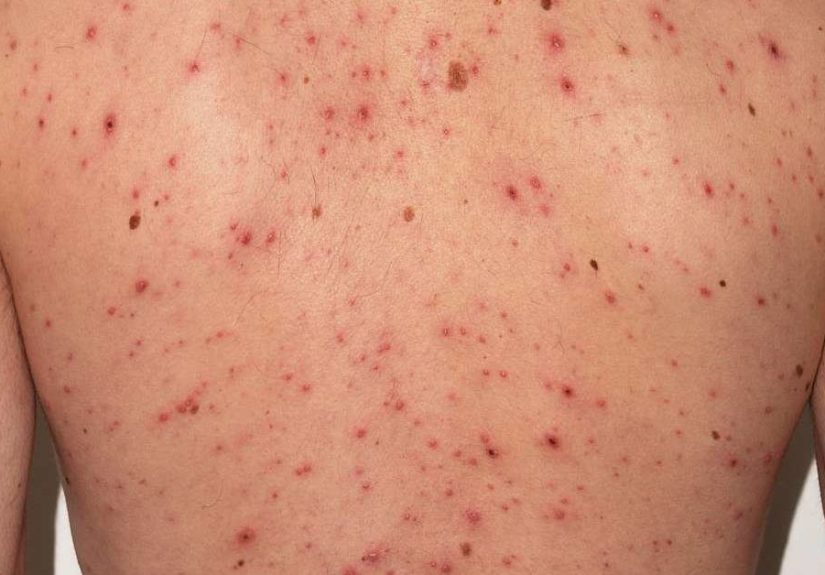
Then the trademark rash arrives. It usually starts on the chest, back, or face and spreads outward. The spots move through several stages:
- Flat red spots
- Raised bumps
- Fluid-filled blisters
- Crusted scabs
One annoying detail that makes chickenpox easy to recognize is that all these stages can appear at the same time. In other words, your skin does not believe in orderly scheduling. You may have fresh spots, new blisters, and crusted lesions all in one area.
The rash can also show up in places that feel particularly unfair, including the scalp, inside the mouth, on the eyelids, and in the genital area. Itching can be intense, and adults often report that nighttime is the worst. The illness usually lasts about four to seven days, though the fatigue may linger longer.
How chickenpox spreads and when adults are contagious
Chickenpox spreads through respiratory droplets and through contact with fluid from the blisters. A person is usually contagious from one to two days before the rash appears until all lesions have crusted over. That means someone can spread the virus before they even realize what is happening.
For adults, that has practical consequences. If you develop symptoms, stay home, avoid close contact with people who are not immune, and keep away from pregnant people, newborns, and anyone with a weakened immune system. This is not the week for office heroics.
Complications of chickenpox in adults
Many adults recover fully, but adult chickenpox complications are the reason healthcare providers take the illness seriously. The most common severe complication in adults is pneumonia, which can cause cough, chest pain, shortness of breath, and low oxygen levels.
Other possible complications include:
- Bacterial skin infections from scratching
- Dehydration from fever and poor intake
- Encephalitis, or inflammation of the brain
- Hepatitis
- Problems with balance or coordination
- Hospitalization in severe cases
Pregnancy adds another layer of concern. Chickenpox during pregnancy can be severe for the pregnant person and may also pose risks to the baby. Anyone who is pregnant and exposed to chickenpox should contact a clinician promptly rather than trying to “wait and see.”
When to call a doctor right away
Get medical advice quickly if you are an adult with possible chickenpox and any of the following apply:
- You are pregnant
- You have a weakened immune system
- You take long-term steroids or immunosuppressive medication
- You have trouble breathing or a bad cough
- You have severe headache, confusion, stiff neck, or repeated vomiting
- The rash becomes very red, hot, swollen, or painful
- You cannot keep fluids down
- You have eye symptoms or lesions near the eye
In adults, the line between “this is miserable” and “this needs urgent medical care” can be thinner than people expect.
How chickenpox is diagnosed in adults
Often, clinicians can diagnose chickenpox based on the appearance of the rash and the pattern of symptoms. In less obvious cases, especially in vaccinated adults or people with unusual rashes, testing can help confirm the diagnosis. That may involve a sample from a blister or other laboratory testing.
This matters because not every blistering rash is chickenpox. Herpes simplex, shingles, allergic reactions, and other viral rashes can all create confusion. If the rash seems atypical, do not play internet dermatologist for too long.
Chickenpox treatment in adults
There is no magic “erase this virus by lunch” treatment for chickenpox, but good care can reduce symptoms and, in higher-risk adults, prescription antivirals can make a meaningful difference.
Home care for mild cases
For otherwise healthy adults with milder illness, treatment is usually supportive:
- Rest
- Drink plenty of fluids
- Use cool baths or oatmeal baths for itch relief
- Apply calamine lotion or other provider-approved anti-itch products
- Keep nails short to reduce skin damage from scratching
- Wear loose, soft clothing
If you have mouth sores, cold foods and bland meals can be easier to tolerate. Spicy foods, citrus, and crunchy snacks tend to feel like betrayal.
Antiviral treatment
Chickenpox treatment may include antiviral medicine such as acyclovir, valacyclovir, or famciclovir, depending on the situation. These medications work best when started early, ideally within the first 24 hours after the rash begins.
Adults are one of the groups more likely to benefit from antivirals, especially if symptoms are significant or if they have risk factors for severe disease. People who are pregnant, immunocompromised, or seriously ill may need urgent antiviral treatment, and hospitalized patients with severe disease may receive intravenous acyclovir.
What not to do
Antibiotics do not treat chickenpox itself because chickenpox is caused by a virus, not bacteria. They are only used if a bacterial skin infection develops. And while fever reducers may help, medication choices should be discussed with a healthcare professional if you are pregnant, dehydrated, or medically complex.
Chickenpox vaccination for adults
The best way to avoid adult chickenpox is not to get adult chickenpox. Revolutionary concept, truly. That is where the chickenpox vaccine comes in.
In the United States, adults who do not have evidence of immunity should receive two doses of varicella vaccine, given four to eight weeks apart. If more than eight weeks have passed since the first dose, the second dose can still be given without restarting the series.
Who may already be considered immune?
Evidence of immunity can include:
- Documented age-appropriate varicella vaccination
- Laboratory evidence of immunity
- A healthcare provider’s diagnosis or verification of past chickenpox or shingles
- For some U.S.-born adults, birth before 1980
That last point has important exceptions. Birth before 1980 is not considered enough evidence of immunity for pregnant people, healthcare workers, or people with compromised immune systems. Those groups often need more formal documentation or testing.
Who should not get the varicella vaccine right now?
Because the chickenpox vaccine is a live vaccine, some people need to delay or avoid it. This includes people who are pregnant, people with certain severe immune problems, and people with a history of severe allergic reaction to a previous dose or to a vaccine component.
If you are pregnant and not immune, vaccination is recommended after pregnancy, not during it. Postpartum vaccination is encouraged, and breastfeeding is not a reason to delay it.
Common vaccine side effects
Most side effects are mild and temporary. They can include:
- Soreness at the injection site
- Low-grade fever
- Mild rash
- Temporary joint discomfort
Severe allergic reactions are rare, but like any vaccine or medication, they are possible.
What if an adult is exposed to chickenpox?
If you are exposed to chickenpox or shingles and you do not have evidence of immunity, timing matters. For people who are eligible for vaccination, the varicella vaccine is ideally given within three to five days after exposure. It may prevent illness or make it much milder.
If someone is at high risk for severe disease and cannot receive the vaccine, a clinician may consider VariZIG, a varicella-zoster immune globulin product. It should be given as soon as possible after exposure and can still be used within 10 days in appropriate high-risk cases.
Chickenpox, shingles, and the “same virus, different sequel” issue
After you recover from chickenpox, the virus does not entirely leave the body. It stays dormant in nerve tissue and can reactivate later in life as shingles. That means chickenpox is the original event, and shingles is the uninvited sequel years later.
The varicella vaccine for adults prevents chickenpox in people who are not immune. It is different from the shingles vaccine. Adults age 50 and older, and certain immunocompromised adults age 19 and older, should ask their clinician about the shingles vaccine, which protects against herpes zoster and its complications.
Practical prevention tips for adults
- Review your vaccination history if you are unsure whether you are immune
- Ask your clinician whether blood testing for immunity makes sense
- Stay home if you develop symptoms
- Avoid exposing pregnant people, newborns, and immunocompromised individuals
- Do not scratch lesions, and watch for signs of skin infection
- Seek early care if symptoms are severe or you are in a high-risk group
Final thoughts
Chickenpox in adults is one of those illnesses people tend to underestimate until it lands squarely in their own week. Yes, it is famous for the rash. But in adults, it is also about fever, fatigue, a higher risk of pneumonia, and a much greater chance that “just ride it out” is not the smartest plan.
The good news is that chickenpox vaccination is highly effective, adult treatment is available when needed, and early action after exposure can sometimes prevent the illness or reduce its severity. If you are not sure whether you are protected, this is a great time to check. Future you would probably appreciate not spending a week counting blisters and regretting every life choice that led to that moment.
Real-world adult experiences with chickenpox
Adults who get chickenpox often describe the experience as surprisingly intense. Many say they expected “a rash and some itch,” but what they got felt more like a full-body shutdown with bonus blisters. One common theme is the strange beginning: a day or two of exhaustion, low appetite, chills, and a headache that feels out of proportion to a simple virus. Several adults say they first assumed it was stress, a bad cold, or the start of the flu, right up until the rash appeared and completely changed the conversation.
Another thing adults often mention is how quickly the rash escalates. It may begin with a few red spots on the chest or back and then spread fast, sometimes reaching the scalp, face, or mouth within a day. Many describe the itch as far more aggressive than expected. It is not a polite little annoyance. It can interfere with sleep, concentration, and mood. People often say the nighttime itch is the worst part, especially when new spots keep appearing and older ones start to crust at the same time.
Adults also talk about how isolating chickenpox can be. Because it is so contagious, people may need to stay home from work, avoid family gatherings, postpone travel, or keep distance from pregnant relatives, elderly parents, or friends with medical conditions. That creates a strange combination of physical discomfort and social stress. It is hard enough to feel miserable, but it is extra frustrating when you are also texting everyone you have seen recently and wondering who might have been exposed.
For some adults, the biggest lesson is how much timing matters. People who contacted a clinician early and started antivirals quickly often report that they felt more in control and sometimes recovered more smoothly. Others who waited because they thought they were “probably fine” often describe a rougher experience, especially when fever, dehydration, or coughing became part of the picture. Adults who develop spots inside the mouth often say eating becomes unexpectedly difficult, turning even toast into a dramatic life event.
Many adults who recover from chickenpox say the illness changed how they think about vaccination. Some had skipped the topic for years because they assumed they were already immune. Others simply never checked their records. After going through high fever, days of itching, missed work, and lingering fatigue, they often become much more motivated to confirm their vaccine status or talk with a clinician about future protection, including the shingles vaccine later in life.
One final theme shows up again and again: adult chickenpox is memorable, and not in a fun “what a story” way. People remember the exhaustion, the itch, the embarrassment of spots on visible areas, the worry about scarring, and the constant effort not to scratch. They also remember the relief when the lesions finally crust over and the fear of exposing someone vulnerable starts to fade. In that sense, the adult experience tends to drive home one clear message: chickenpox may be common, but in adults it deserves real respect.