Table of Contents >> Show >> Hide
- 1. Your Cat Is Grooming You Like Family
- 2. Your Hair Smells Interesting
- 3. Your Cat Is Marking You as “One of Us”
- 4. Your Cat Wants Attention
- 5. It Is a Comfort Habit Left Over From Kittenhood
- 6. Your Cat Is Stressed and Redirecting Grooming
- 7. Your Cat Is Bored and Making Their Own Entertainment
- 8. Sometimes It Signals a Medical or Behavioral Issue
- When Cat Hair Licking Is Normaland When It Is Not
- How to Respond Without Accidentally Training a Tiny Hair Stylist
- Common Experiences Cat Owners Have With Hair Licking
- Final Thoughts
If your cat has ever climbed onto your pillow, stared into your soul for three full seconds, and then started licking your hair like you’re a giant, slightly confused kitten, you are not alone. It’s one of those cat behaviors that feels equal parts adorable, weird, and mildly unhygienic. One minute you’re trying to sleep, and the next your cat is giving you a surprise salon appointment with a tongue that feels like a tiny, affectionate loofah.
The good news is that hair licking is usually normal feline behavior. In many cases, it comes down to grooming, bonding, comfort, curiosity, or attention-seeking. Cats are hardwired groomers, and when they decide your hair deserves the deluxe treatment, it often means they feel close to you. That said, there are times when cat licking can point to stress, boredom, or even a medical issueespecially if the behavior suddenly appears, becomes intense, or turns into hair chewing.
Below are eight surprising reasons your cat may lick your hair, plus how to tell the difference between “aww, my cat loves me” and “okay, maybe we should call the vet.”
1. Your Cat Is Grooming You Like Family
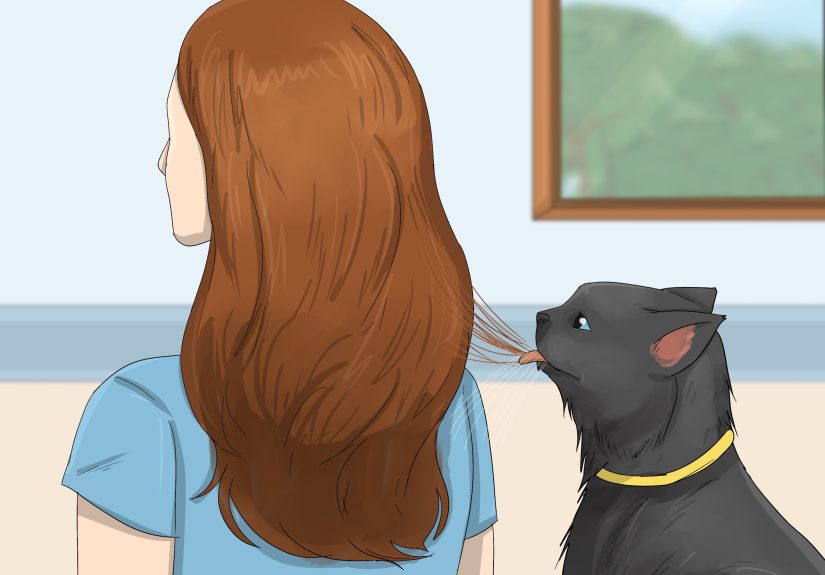
One of the most common answers to “why does my cat lick my hair?” is simple: your cat is grooming you. In the feline world, grooming is not just about hygiene. It is also social. Cats that share a bond often groom one another in a behavior called social grooming, or allogrooming. When your cat licks your hair, your head becomes part of that social circle.
This is especially likely if your cat targets your scalp, hairline, or the top of your head. Cats often groom fellow cats around the head and neck because those spots are harder to reach alone. Your hair is basically presenting a very cat-like challenge. To your pet, this may be less “human hair” and more “fur that obviously needs professional attention.”
If your cat licks your hair while purring, kneading, or settling close to you, it is often a sign of trust and affection. Congratulations: you have been accepted into the grooming union.
2. Your Hair Smells Interesting
Cats experience the world through scent in a way humans simply do not. Your shampoo, conditioner, dry shampoo, leave-in treatment, sweat, pillowcase detergent, and natural scalp oils can all make your hair smell fascinating. Some cats are drawn to the clean, floral scent of hair products. Others seem weirdly dedicated to post-workout hair, which is less flattering but more honest.
Hair can also hold onto the scent of your environment. If you cooked fish, sat outside, visited another pet owner, or changed your styling routine, your cat may investigate with a few experimental licks. The rough tongue helps them gather information, and in some cases, the salty taste of skin or sweat near your hairline adds to the appeal.
This is one reason some cats prefer licking hair at night. Your hair has had all day to collect scent notes like a very questionable perfume called Essence of Human.
3. Your Cat Is Marking You as “One of Us”
Cats do not just smell thingsthey also spread scent. When your cat rubs against you, sleeps on your hoodie, or head-butts your forehead, scent communication is part of the deal. Licking can play into that same social exchange.
By grooming your hair, your cat may be mixing scents in a way that strengthens familiarity and security. In cat logic, shared scent equals shared social group. It is a bit like your cat saying, “You live here. You are mine. Also, your hair is chaotic and I’m helping.”
This tends to happen more with bonded cats who already show other affiliative behaviors, such as following you, slow blinking, sleeping near you, or grooming your hands and face. Hair licking can be part of the whole package.
4. Your Cat Wants Attention
Some cats discover that licking your hair is an extremely effective way to get a reaction. You move, laugh, talk to them, pet them, or wake up immediately if they do it while you are in bed. From your cat’s perspective, that is excellent customer service.
Once a behavior gets rewarded, even by accident, it can become a habit. A cat who licks your hair right before breakfast may be running a tiny but powerful marketing campaign. A cat who does it during your laptop time may have figured out that your scalp is the “pause meeting and adore me” button.
If the licking happens at predictable timesearly morning, when you are on the phone, while you are reading, or when you stop petting themattention-seeking may be the main reason. Cats are observant. They learn routines fast, and they are not above using your hair as a communication tool.
5. It Is a Comfort Habit Left Over From Kittenhood
Some hair licking behavior seems tied to comfort and early kitten experiences. Kittens are groomed by their mothers from the moment they are born. That grooming is practical, but it is also soothing. As cats mature, some keep parts of that comfort pattern and direct it toward people, blankets, clothing, or hair.
This is why hair licking sometimes appears with kneading, purring, suckling on fabric, or curling up against your head. Your cat may not be trying to “clean” you so much as recreate a familiar, calming routine. In those moments, your hair may function like a soft comfort object with bonus attachment to a favorite person.
This is especially common in cats that are very bonded, highly routine-oriented, or prone to self-soothing habits. It does not always mean anything is wrong. Sometimes it just means your cat is sentimental in an extremely odd way.
6. Your Cat Is Stressed and Redirecting Grooming
Here is where the answer gets more nuanced. Cats also lick to self-soothe. Grooming can act as a displacement behavior, meaning a cat may start licking when they feel conflicted, anxious, or overstimulated. Usually that grooming is directed at themselves, but sometimes it gets redirected to a nearby personincluding your hair.
If your cat has recently experienced a move, a new pet, visitors, loud construction, schedule changes, or tension in a multi-cat household, hair licking may be part of a stress response. Some cats become clingier under stress; others channel nervous energy into repetitive behaviors that look affectionate at first glance.
Watch the context. If the licking seems frantic, repetitive, or paired with restlessness, overgrooming, hiding, reduced appetite, or changes in litter box habits, stress may be playing a role. In that case, the answer is not just “my cat loves me.” It may also be “my cat needs more calm, predictability, and enrichment.”
7. Your Cat Is Bored and Making Their Own Entertainment
Indoor cats need mental stimulation. When they do not get enough play, novelty, climbing space, hunting-style activities, or social interaction, they may invent hobbies. Some stare at walls. Some sprint at 3 a.m. Some decide your ponytail is a mixed-use object for grooming, chewing, and chaos.
Hair licking can become part of a boredom routine, especially in cats that also nibble hair, bat at it, attack it when you sleep, or focus on it when you are not interacting with them. Long hair can seem extra irresistible because it moves, smells like you, and conveniently dangles like prey with conditioner.
If your cat only does this when under-stimulated or during low-activity parts of the day, boredom may be part of the puzzle. More play sessions, food puzzles, climbing options, and predictable one-on-one time can help redirect that energy.
8. Sometimes It Signals a Medical or Behavioral Issue
Most of the time, cat hair licking is harmless. But sometimes the behavior crosses the line from quirky to concerning. If your cat is not just licking your hair but chewing it, eating it, obsessively licking themselves, pulling out fur, or suddenly becoming fixated on repetitive grooming, it is worth paying attention.
Excessive licking can be linked to skin irritation, fleas, allergies, pain, stress disorders, or compulsive behavior. Some cats also develop pica-like behavior, where they chew or ingest non-food items such as fabric, plastic, or hair. Eating hair is more concerning than simply licking it, because swallowed hair can contribute to digestive problems or signal an underlying issue.
You should also be cautious if your hair contains products. Certain human topical products can be dangerous to cats. One especially serious example is minoxidil, a common hair-loss treatment. Cats are highly sensitive to it, and even small exposures can be dangerous. If your cat licks hair or skin after you have applied a medicated product, contact a veterinarian right away.
When Cat Hair Licking Is Normaland When It Is Not
Usually normal
- Your cat licks your hair briefly and calmly.
- The behavior happens during cuddling or bedtime.
- Your cat seems relaxed, affectionate, and otherwise healthy.
- There is no chewing, swallowing, frantic repetition, or skin irritation.
Worth a closer look
- The behavior is sudden or dramatically increases.
- Your cat also overgrooms their own body or develops bald spots.
- There is hair chewing, hair eating, vomiting, or frequent hairballs.
- Your cat seems anxious, restless, withdrawn, or less interested in food or play.
- The licking happens after exposure to hair products, especially medicated ones.
How to Respond Without Accidentally Training a Tiny Hair Stylist
If the behavior is gentle and you do not mind it, there is no rule saying you must stop it. Many cat owners treat it as one of those wonderfully bizarre signs of affection that make living with cats so entertaining. But if you would prefer not to be groomed like a giant tabby, you can redirect the behavior without making things dramatic.
- Offer a different form of closeness, such as petting, brushing, or lap time.
- Increase interactive play so your cat has another outlet.
- Avoid rewarding hair licking with big reactions if attention-seeking is the cause.
- Keep your hair tied up at night if bedtime licking has become a habit.
- Use cat-safe enrichment, such as puzzle feeders, window perches, and climbing towers.
- Talk to your vet if the behavior looks compulsive, escalates, or comes with other symptoms.
Common Experiences Cat Owners Have With Hair Licking
Many cat owners first notice this behavior at night. The cat hops onto the bed, circles once like they are auditioning for a sleep app, then settles near the pillow and starts grooming the person’s hair. It often feels strangely deliberate. The cat may focus on one patch, pause, and then return to the exact same area as if working through a very serious salon checklist. Owners often describe it as affectionate but slightly alarming, mostly because a cat tongue is not remotely soft. “Sandpaper with feelings” is a fair summary.
Another common experience is the “post-shower inspector.” Some cats become obsessed with damp hair, especially if it smells strongly of shampoo or conditioner. Owners report that fresh, wet hair seems to attract more licking than dry hair, perhaps because the scent is stronger and the texture is different. In homes with especially curious cats, wash day turns into audience participation. You dry your hair; your cat arrives to review the results.
Then there is the early-morning attention specialist. Plenty of cat parents say their cat licks or nibbles their hair to wake them up for breakfast. It starts innocently: a few licks, a little purring, maybe a paw on the forehead. Then the pattern becomes clear. The cat has learned that hair grooming is more effective than a meow and far more elegant than knocking a water glass off the nightstand. In cat terms, it is strategic brilliance.
Some owners notice hair licking most during stressful periods. A move, a new baby, houseguests, travel, or a change in routine can make a cat clingier. In those moments, the hair licking may look sweet, but it can also feel more intense or repetitive. Owners often say the cat seems to be using the behavior to calm down, especially if it happens during quiet cuddling after a noisy or unfamiliar day. That pattern can be reassuring in one senseit shows the cat finds comfort in the human bondbut it can also be a reminder to reduce stress and support the cat’s routine.
There are also cats that combine hair licking with kneading, drooling, or fabric suckling. Owners often describe these cats as especially babyish, affectionate, or ritual-driven. The behavior may happen only with one person in the home and only during specific moments, such as bedtime, nap time, or couch time. In those cases, the experience feels less like random grooming and more like a private bonding ritual. Odd? Absolutely. Meaningful? Also yes.
And of course, some owners simply find it hilarious. Living with a cat means accepting that your pet may gaze at you with ancient wisdom one moment and then start licking your bangs the next. Hair licking sits squarely in that category of feline behavior that is both sincere and deeply weird. For many people, once they understand the likely reasonsbonding, comfort, curiosity, or attentionit becomes less of a mystery and more of a quirky love language.
Final Thoughts
If your cat licks your hair, the most likely explanation is that you are being groomed, bonded with, investigated, or politely manipulated. In other words, it is usually normal cat behavior with a side of feline drama. Cats lick hair for social grooming, affection, scent sharing, curiosity, comfort, attention, stress relief, and sometimes boredom. The behavior becomes more concerning only when it turns obsessive, involves chewing or swallowing hair, or appears alongside other changes in health or behavior.
So the next time your cat starts styling your bedhead at midnight, you can take it as a complimentwith boundaries. Your cat may not understand shampoo chemistry, personal space, or why humans dislike surprise scalp exfoliation, but they probably do know one important thing: they like you enough to treat you like family.