Table of Contents >> Show >> Hide
- What “Natural Chambray” Actually Means
- Why a Natural Chambray Throw Works in Real Homes
- How to Choose a Natural Chambray Throw That You’ll Actually Keep
- Styling a Natural Chambray Throw Without Making It Look Staged
- Care and Cleaning: Keeping Chambray Soft, Not Sad
- Sustainability Signals Worth Paying Attention To
- Quick Buying Checklist for a Natural Chambray Throw
- FAQ
- Extra: of Real-World Experiences with a Natural Chambray Throw
- Conclusion
- SEO Tags
A throw blanket can be a lot of things: a cozy layer, a pop of texture, a “please ignore the fact that I haven’t
folded laundry since Tuesday” distraction. A natural chambray throw is one of the rare home basics
that actually earns its spot. It looks relaxed without looking sloppy, feels breathable without feeling flimsy,
and somehow works in both a modern apartment and a “grandma’s house but make it Pinterest” living room.
In this guide, we’ll break down what chambray really is, what “natural” should mean when you’re shopping,
how to pick a throw that won’t quit after two washes, and how to style it so your sofa looks inviting instead
of like it’s wearing a cape.
What “Natural Chambray” Actually Means
Chambray vs. denim: cousins, not twins
Chambray often gets mistaken for denim because it has that familiar, slightly heathered look. The key difference
is in the weave. Chambray is typically a plain weave (simple over-under structure), usually made
with a dyed warp and a lighter weftoften whitecreating a soft, two-tone effect.
Denim, on the other hand, is usually a twill weave, which is sturdier and heavier.
Translation: chambray is denim’s laid-back siblingstill good-looking, just more breathable and less likely to
feel like you’re wearing a weighted vest on your couch.
“Natural” can mean a few different things (and not all are equal)
When a product says “natural,” it’s worth asking: natural what? In the world of a chambray throw,
“natural” usually points to one or more of the following:
-
Natural fibers (like cotton or linen) instead of synthetics. A chambray throw is often cotton,
sometimes a cotton-linen blend for extra airflow and texture. -
Lower-chemical processing (for example, fewer harsh finishes). Some throws are pre-washed for
softness without heavy coatings. -
More responsible sourcing, such as organic cotton or verified standards that address chemical
safety and production practices. -
Natural-looking color (like undyed, ecru, or softly washed blues and grays). “Natural” doesn’t
always mean undyed, but it often means muted, easy-living shades.
The goal isn’t perfection; it’s clarity. A truly “natural” chambray throw should tell you what it’s made of and
how it’s finishedwithout making you decode marketing poetry like, “Inspired by seaside whispers.”
Why a Natural Chambray Throw Works in Real Homes
It gives you warmth without the “why am I sweating?” problem
Chambray’s lighter weave makes it great for in-between seasons, strong air conditioning, and people who want
a cozy layer but don’t want to wake up wrapped like a burrito. It’s especially useful in warmer climates or
for “I run hot” sleepers.
It’s texture that plays nicely with everything
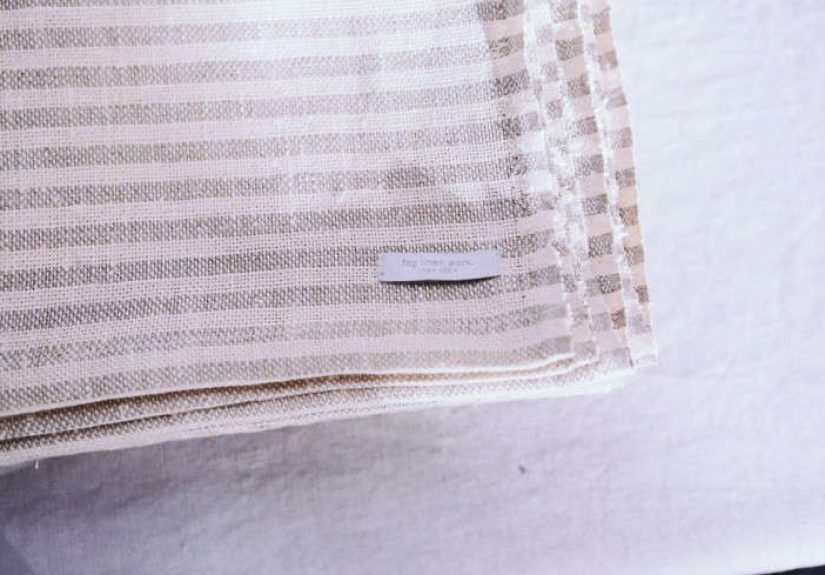
A chambray throw adds visual depthsoft marling, subtle color shiftwithout screaming for attention. It pairs
well with linen, cotton percale, leather, velvet, boucle, and most upholstery fabrics. It’s basically the
“good listener” of textiles.
It can look casual and polished at the same time
Chambray’s signature charm is that it looks intentionally relaxed. Even when it’s casually draped, it reads
as “effortless style” instead of “I gave up.” (Important distinction.)
How to Choose a Natural Chambray Throw That You’ll Actually Keep
1) Start with fiber content (because feelings are not facts)
If you want “natural,” check the label for the fiber percentage. Common options:
- 100% cotton chambray: soft, breathable, widely available, generally easy to wash.
-
Cotton-linen blend: a bit more texture and airflow; tends to wrinkle more (which can look
charming, not messydepending on your personality and caffeine intake). -
Cotton with a small percent of another fiber: sometimes added for durability or drape.
If “natural” is your top priority, keep synthetics minimal and intentional.
2) Pay attention to weave and weight
Throws come in different personalities:
- Lightweight: great for summer, layering on a bed, travel, or keeping on the sofa year-round.
-
Midweight: better for chilly nights, movie marathons, and anyone who believes “cozy” is a
lifestyle.
A chambray throw is often woven (not knit), which can help it hold a clean drape on the corner of a sofa. Woven
options can snag more easily than chunky knits, so if your household includes pets with enthusiastic claws, choose
a tighter weave.
3) Color: look for depth, not drama
Chambray is famous for a soft two-tone look (often blue-and-white), but it also comes in modern neutrals like
gray, sand, olive, and charcoal. If you want maximum versatility:
- Choose a shade that repeats something already in your room (a pillow stripe, rug tone, or wall art accent).
- Use chambray as the “bridge” between warm and cool tones (it’s surprisingly good at playing matchmaker).
- If you love crisp interiors, pick lighter chambray. If you want a moodier look, go slate or indigo.
4) Finishing details that matter more than they should
Small details can decide whether a throw looks “designer” or “discount bin.”
- Hem quality: clean stitching and even edges help it drape nicely.
- Fringe: can look airy and casual, but check that it’s not shedding like a stressed-out cat.
- Pre-washed/garment-washed: often softer out of the box and less likely to shrink dramatically.
5) Size: pick based on how you’ll use it
“Throw” can mean anything from lap blanket to “this could cover a small car.” Think through your use case:
- Sofa throw: large enough to cover your legs and tuck beside you without fighting you.
- Bed layer: wide enough to sit across the foot of the bed without looking like a scarf.
- Outdoor/picnic: bigger is better, but make sure it’s washable and not precious.
Styling a Natural Chambray Throw Without Making It Look Staged
The “casual corner” drape (fast, forgiving, always works)
Fold the throw lengthwise once or twice, then drape it over one sofa arm or corner so it falls naturally.
Bonus points if the underside shows a slightly lighter tonethat two-tone chambray vibe looks intentional.
The “bed upgrade” move (the easiest way to make bedding look layered)
Place the chambray throw across the foot of the bed. Keep it slightly rumpled (not wrinkled into chaos) so it
reads cozy. If your bedding is all one color, chambray adds contrast without introducing loud patterns.
The basket trick (storage that doubles as decor)
A natural chambray throw looks great partially tucked into a basketespecially in living rooms, nurseries, and
guest rooms. It signals “welcome, humans” while hiding the fact that you own more blankets than emotionally
necessary.
Pairing ideas (a few combos that rarely fail)
- Chambray + linen pillow covers for an airy, coastal feel.
- Chambray + warm wood for a soft modern-farmhouse look.
- Chambray + leather sofa to add softness and stop leather from feeling cold visually.
- Chambray + chunky knit to mix smooth and textured layers (cozy without being cluttered).
Care and Cleaning: Keeping Chambray Soft, Not Sad
Wash smarter, not harder
Always follow the care label first, but in general, woven cotton throws do best with a gentle approach:
cold or cool water, mild detergent, and a gentle cycle. Wash it with similar colors, especially the first time,
since darker chambray shades can release excess dye early on.
Drying: low heat is your friend
High heat can shrink natural fibers and make a throw feel stiff. Tumble dry low or air dry when possible,
and remove promptly to reduce creasing. If you like the relaxed look, you’re allowed to call wrinkles “texture.”
That’s basically what the fashion industry has done for decades.
Skip the heavy softeners (they can backfire)
Fabric softener can coat fibers and reduce absorbency or change the hand-feel over time. If your throw starts
feeling less breathable, stripping away buildup (gently) or simply using less detergent can help.
Stains and snags: quick moves that save the day
- Spills: blot first, don’t rub. Rubbing pushes stains deeper and frays fibers faster.
- Food marks: pre-treat before washing with a gentle stain remover.
- Snags: don’t cut the loop. Use a needle to pull it to the back side if possible.
- Pilling: a fabric shaver can help, but prevention is bestwash gently and avoid friction.
Sustainability Signals Worth Paying Attention To
Certifications: what they can tell you
If “natural” is partly about peace of mind, third-party standards can help. Two labels people often look for:
-
OEKO-TEX® STANDARD 100: indicates the textile has been tested for harmful substances.
It doesn’t automatically mean “organic,” but it can be a helpful safety-focused benchmark. -
GOTS (Global Organic Textile Standard): focuses on organic fibers and includes environmental
and social criteria across processing stages. If you’re prioritizing organic textile supply chains, this is
one of the most recognized standards.
Label transparency (yes, the tag matters)
In the U.S., textile labeling rules require disclosure of fiber content and other key details. When a brand is
clear about materials, processing, and origin, it’s easier to shop with confidence and compare options fairly.
Quick Buying Checklist for a Natural Chambray Throw
- Fiber content is clearly listed (cotton or cotton/linen if you want natural fibers).
- Weave feels tight enough to resist snags, especially in pet-friendly homes.
- Weight matches your use (summer layer vs. year-round couch staple).
- Care instructions fit your life (machine-washable is a gift to your future self).
- Color has depth (that chambray two-tone look) and complements your room.
- Finish looks neat (even hems, sturdy stitching, tidy fringe if included).
- Any “natural” claims are backed by specifics (materials, standards, or clear sourcing info).
FAQ
Is a chambray throw warm enough for winter?
Many chambray throws are lightweight to midweight. For deep winter warmth, layer it over a thicker blanket or
duvet. Think of chambray as the stylish top layer that also happens to be functional.
Will chambray wrinkle?
Yesespecially if there’s linen in the blend. But chambray wrinkles tend to look relaxed, not messy. If you want
fewer wrinkles, remove it from the dryer promptly and fold (or drape) while warm.
Does chambray fade?
Over time, dyed fibers can soften in coloroften in a nice, lived-in way. Washing cold, using mild detergent,
and avoiding high heat helps maintain color longer.
Is chambray good for sensitive skin?
Many people find cotton chambray comfortable and breathable. If sensitivity is a concern, look for transparent
material details and safety-focused certifications, and wash before first use to remove any finishing residues.
Extra: of Real-World Experiences with a Natural Chambray Throw
If you’ve ever bought a throw that looked amazing online but felt like plastic wrap in person, you already know:
the “experience” of a blanket matters as much as the specs. A natural chambray throw tends to win people over in
the small, everyday momentsthe ones that don’t make it into product photos.
In a living room, chambray is the throw that actually gets used. It’s light enough to grab with one hand when
you’re heading to the couch, but still has enough body to feel comforting when the air conditioning is doing
the most. People often keep it draped over the armrest because it doesn’t look bulky; it looks like part of the
room. And because chambray has that subtle two-tone look, it hides minor life messes better than bright, flat
fabrics. (Not “hides everything,” but at least it won’t spotlight every crumb like a detective with a flashlight.)
On a bed, a natural chambray throw is the layer that makes the whole setup feel finished. You don’t need a dozen
decorative pillows to get that styled look. Fold it at the foot of the bed and suddenly your bedding reads
intentionallike you meant to create a calm retreat instead of “I own one comforter and I’m committed to it.”
In warmer months, some people swap heavy blankets for a sheet plus chambray, especially for afternoon naps or
those nights when temperatures can’t decide what season they’re in.
Chambray also shines in the “portable comfort” category. It’s a favorite for road trips, because it folds down
without taking up half the trunk, and it doesn’t feel overly precious. On a plane or in a hotel room, it’s an
easy personal layersoft, breathable, and not too thick. If you’ve ever used a scratchy airline blanket, you’ll
understand why people become weirdly loyal to the throw they bring from home. It’s comfort with trust issues.
In households with kids or pets, the experience becomes about resilience. A tightly woven chambray throw can hold
up well to daily handling and frequent washing, as long as you keep the wash routine gentle. It’s the kind of
textile that improves with use: it softens a bit, drapes better, and develops that relaxed “lived-in” character
that makes a space feel welcoming. And when it’s time to clean it, you’re not negotiating with a “dry clean only”
label like it’s a legal contract. You wash it, dry it carefully, and move on with your lifelike a functional adult
who still deserves nice things.
Conclusion
A natural chambray throw is a practical upgrade that also happens to look great. Its breathable
weave, soft texture, and easygoing style make it one of the most flexible layers you can add to a sofa, chair,
or bed. The best one for you will be clear about fiber content, comfortable in your climate, and realistic for
your laundry routine. Choose thoughtfully, care for it gently, and you’ll get that rare home accessory that’s
both pretty and genuinely usefulno staging required.