Table of Contents >> Show >> Hide
- Why a Classic Banana Bread Recipe Still Wins
- The Best Ingredients for Classic Banana Bread
- Classic Banana Bread Recipe: Step-by-Step
- What Makes Banana Bread Moist and Tender?
- Common Banana Bread Mistakes to Avoid
- Easy Ways to Customize Without Losing the Classic Feel
- How to Store and Freeze Banana Bread
- Serving Ideas for a Classic Banana Bread Recipe
- Classic Banana Bread Recipe Card
- Real Kitchen Experiences With Classic Banana Bread
- Conclusion
Note: Clean HTML body only, written in standard American English and ready for web publishing.
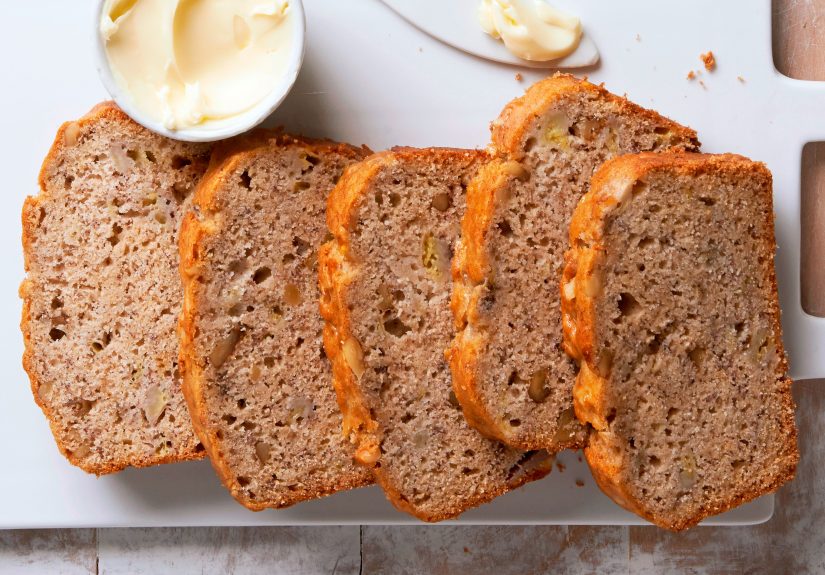
There are fancy banana breads out there with brown butter, espresso swirls, and enough chocolate chips to qualify as dessert wearing a breakfast disguise. But sometimes what you really want is the old-school loaf: soft in the center, golden at the edges, full of banana flavor, and reliable enough to save three overripe bananas from a tragic trip to the trash can.
This classic banana bread recipe is exactly that kind of loaf. It is simple, deeply comforting, and easy enough for beginners, but it still delivers the things experienced bakers care about: a tender crumb, rich banana flavor, balanced sweetness, and a texture that stays moist for days. It is the sort of recipe you make once, then scribble “keeper” at the top and bring out whenever the fruit bowl starts looking dramatic.
Below, you will find a truly classic approach, plus the practical details that make the difference between banana bread that tastes homemade in the best possible way and banana bread that feels like a brick with identity issues. We will cover ingredients, method, common mistakes, smart variations, storage, and real kitchen experience so your loaf comes out delicious the first time and every time after that.
Why a Classic Banana Bread Recipe Still Wins
A classic banana bread recipe works because it keeps the chemistry and the comfort in balance. Very ripe bananas add sweetness and moisture. Butter brings richness. Eggs provide structure. Flour gives the loaf body, while baking soda helps it rise. The result is not cake, not muffins, and definitely not regular bread. It lives in that wonderful quick-bread middle ground where “slice” and “snack” become beautiful best friends.
The beauty of classic banana bread is that it does not ask for much. No electric mixer is required. No rare ingredients are hiding in the back of a specialty store. And no one needs to pretend they are making it for “meal prep” when the real goal is to eat a warm slice with coffee and feel like life is manageable again.
The Best Ingredients for Classic Banana Bread
What You Need
- 3 very ripe bananas, mashed well (about 1 1/2 cups)
- 1/2 cup unsalted butter, melted and slightly cooled
- 3/4 cup packed light brown sugar
- 2 large eggs
- 1 teaspoon pure vanilla extract
- 1 3/4 cups all-purpose flour
- 1 teaspoon baking soda
- 1/2 teaspoon salt
- 1/2 teaspoon ground cinnamon
- 1/2 cup chopped walnuts or pecans (optional)
Ingredient Notes That Actually Matter
The bananas should be heavily speckled or mostly brown. Bright yellow bananas are fine for snacking, but they do not have the same sweetness, aroma, or softness needed for a great banana bread loaf. In banana bread terms, ugly bananas are overachievers.
Brown sugar adds a deeper flavor and helps the bread stay soft, though you can use granulated sugar if that is what you have. Butter gives the loaf a rich, classic taste. Cinnamon is optional, but it adds gentle warmth without turning the loaf into spice bread. Nuts are also optional, but they bring welcome crunch and make each slice feel a little more bakery-worthy.
Classic Banana Bread Recipe: Step-by-Step
1. Prep the Pan and Oven
Preheat your oven to 350°F. Grease a 9×5-inch loaf pan and, if you like easy removal and fewer cleanup regrets, line it with a strip of parchment paper.
2. Mash the Bananas
In a large bowl, mash the bananas with a fork until mostly smooth. A few small lumps are perfectly fine. Banana bread is rustic; it does not need spa-level perfection.
3. Mix the Wet Ingredients
Add the melted butter, brown sugar, eggs, and vanilla to the bananas. Whisk until the mixture looks smooth and glossy.
4. Combine the Dry Ingredients
In a separate bowl, whisk together the flour, baking soda, salt, and cinnamon.
5. Bring It Together Gently
Add the dry ingredients to the wet ingredients and stir with a spatula just until no dry streaks remain. Fold in the nuts, if using. Do not overmix. That is the fastest way to turn a tender loaf into a dense, rubbery one.
6. Bake
Pour the batter into the prepared loaf pan and smooth the top. Bake for 55 to 65 minutes, or until the loaf is golden and a toothpick inserted in the center comes out with a few moist crumbs but no wet batter. If the top starts browning too quickly, loosely tent it with foil during the last 15 minutes.
7. Cool Before Slicing
Let the loaf cool in the pan for about 10 to 15 minutes, then transfer it to a wire rack. Wait until it is mostly cool before slicing. Yes, waiting is annoying. It is also the difference between neat slices and banana bread that falls apart in steamy protest.
What Makes Banana Bread Moist and Tender?
If you have ever searched for the best banana bread recipe, you have probably noticed that the winning versions all focus on a few key things: ripe bananas, careful measuring, and gentle mixing. That is because moisture in banana bread is not magic. It is the result of good ingredients and restraint.
First, ripe bananas bring natural moisture. Second, butter and eggs enrich the batter. Third, the correct amount of flour matters. Too much flour creates a dry, heavy loaf, which is why spooning flour into the measuring cup and leveling it off is smarter than scooping directly from the bag. Finally, once the dry ingredients go in, less mixing is better. The batter should look combined, not beaten into submission.
If you want your classic banana bread recipe to stay moist, avoid overbaking. Start checking around the 55-minute mark. A loaf can go from perfect to dry surprisingly fast, and no one has ever said, “You know what this banana bread needed? Less softness.”
Common Banana Bread Mistakes to Avoid
Using Bananas That Are Not Ripe Enough
This is the big one. Pale yellow bananas will not deliver the same flavor, sweetness, or mashable texture. Save them for later and wait until the peels look freckled, brown, or almost suspicious.
Overmixing the Batter
Quick breads do not like aggressive stirring. Once flour is added, mix gently and stop as soon as the batter comes together.
Adding Too Many Extras
A handful of nuts? Great. A modest amount of chocolate chips? Also fine. But if the batter starts looking like trail mix in wet cement, the loaf may bake unevenly and lose its classic texture.
Slicing Too Soon
Fresh-from-the-oven banana bread smells incredible, but slicing it too early can lead to a gummy center. Let the crumb set before cutting in.
Guessing at Doneness
Color helps, but the toothpick test matters more. The center should be baked through, with just a few moist crumbs clinging to the tester.
Easy Ways to Customize Without Losing the Classic Feel
The best part of a classic banana bread recipe is that it plays nicely with small upgrades. You can make it your own without turning it into a completely different species of baked good.
- For extra crunch: Add chopped walnuts or pecans.
- For a warmer flavor: Add a pinch of nutmeg alongside the cinnamon.
- For a sweeter finish: Sprinkle coarse sugar on top before baking.
- For breakfast energy: Toast a slice and spread it with salted butter or cream cheese.
- For dessert mode: Serve a slice warm with vanilla ice cream. This is not technically necessary, but it is emotionally sound.
You can also turn this batter into muffins. Fill lined muffin cups about three-quarters full and bake at 350°F for roughly 18 to 24 minutes, depending on size. Same flavor, shorter bake time, and less waiting before snacking.
How to Store and Freeze Banana Bread
Once the loaf has cooled completely, wrap it tightly or store it in an airtight container. At room temperature, banana bread is usually best for about 3 to 4 days. If your kitchen runs warm or humid, refrigeration may help it last longer, though the texture can become a bit firmer.
For longer storage, freeze the loaf or individual slices. Wrap them well and freeze for up to 3 to 4 months. Slices are especially handy because you can thaw only what you need. Future-you will be extremely impressed with present-you.
If you freeze a whole loaf, thaw it overnight in the refrigerator or at room temperature, then warm slices gently before serving. Banana bread rebounds beautifully with a little heat.
Serving Ideas for a Classic Banana Bread Recipe
Classic banana bread is wonderfully flexible. It fits breakfast, snack time, dessert, and those odd in-between moments when you are standing in the kitchen pretending you are “just having a tiny piece.”
- Serve plain with hot coffee or tea
- Toast and add butter for a crisp-edged breakfast
- Spread with peanut butter for a more filling snack
- Top with honey and a pinch of flaky salt
- Pair with Greek yogurt and fruit for brunch
- Turn slightly stale slices into banana bread French toast
Classic Banana Bread Recipe Card
Ingredients
- 3 very ripe bananas, mashed
- 1/2 cup unsalted butter, melted
- 3/4 cup light brown sugar
- 2 large eggs
- 1 teaspoon vanilla extract
- 1 3/4 cups all-purpose flour
- 1 teaspoon baking soda
- 1/2 teaspoon salt
- 1/2 teaspoon cinnamon
- 1/2 cup walnuts or pecans, optional
Instructions
- Preheat oven to 350°F. Grease a 9×5-inch loaf pan.
- Mash bananas in a large bowl.
- Whisk in melted butter, brown sugar, eggs, and vanilla.
- In another bowl, whisk flour, baking soda, salt, and cinnamon.
- Stir dry ingredients into wet ingredients just until combined.
- Fold in nuts, if using.
- Pour into pan and bake 55 to 65 minutes.
- Cool 10 to 15 minutes in pan, then transfer to a rack.
- Slice when mostly cool and enjoy.
Real Kitchen Experiences With Classic Banana Bread
One of the most useful things you learn from making banana bread more than once is that the recipe is simple, but the little details carry a lot of weight. The first time many home bakers make it, they tend to think, “It is just quick bread, how complicated can it be?” Then they scoop flour straight from the bag, use bananas that are merely yellow, bake it until the top looks done, and wonder why the center is heavy and the flavor is shy. Banana bread is forgiving, but it still notices what you do.
A common experience is discovering that the bananas matter more than almost anything else. Three truly overripe bananas can produce a loaf that smells rich, tastes naturally sweet, and stays soft for days. Three barely ripe bananas can make a loaf that is technically fine but emotionally disappointing. That is why many regular bakers freeze ripe bananas once the peels turn dark. It feels clever, thrifty, and slightly heroic.
Another real-life lesson is about mixing. The batter often looks rougher than beginners expect, and that can tempt people to keep stirring. But experience teaches that banana bread batter should not be perfectly silky. A slightly lumpy batter usually bakes into a better loaf than an overworked one. This is especially true if you are baking for texture, not just survival.
Pan size also comes up more often than people think. An 8×4-inch pan gives a taller loaf and may need more baking time. A 9×5-inch pan gives a slightly wider, lower loaf that bakes a bit faster. If your banana bread always seems underdone in the middle, the pan may be part of the story. So may your oven. Many bakers eventually learn that their oven runs hot, cool, or in a way that suggests it has unresolved feelings. An inexpensive oven thermometer can solve a surprising number of banana bread mysteries.
Then there is the cooling stage, which tests character. Fresh banana bread smells so good that patience becomes theoretical. But experienced bakers know the loaf slices better after resting. The crumb sets, the moisture redistributes, and the flavor deepens. Warm banana bread is wonderful, but slightly cooled banana bread is usually better structured and more flavorful.
Storage offers its own small wisdom. Wrapped well, banana bread often tastes even better on day two. The texture settles, the banana flavor rounds out, and the loaf becomes the kind of snack that disappears one “just a little piece” at a time. Freezing slices is another veteran move. It turns banana bread into a ready-made comfort food for busy mornings, late-night cravings, or afternoons when only carbs and optimism will do.
Perhaps the most universal banana bread experience is this: once you make a loaf that really works, you stop seeing overripe bananas as a problem. You start seeing them as an opportunity. That might be the true charm of a classic banana bread recipe. It transforms something neglected into something warm, fragrant, and worth sharing. Not bad for a loaf built from pantry staples and fruit that looked one day away from retirement.
Conclusion
A great classic banana bread recipe does not need trendy ingredients or complicated steps. It needs ripe bananas, a gentle hand, and a little attention to timing. When those pieces come together, the result is a moist, flavorful loaf that feels timeless for a reason. It is comforting, practical, and endlessly useful, whether you are baking for guests, family, or just yourself on a rainy afternoon.
If you have been looking for an easy banana bread recipe that still tastes like the version everyone hopes for, this is it. Save the recipe, keep a few overripe bananas in the freezer, and the next time your kitchen needs a win, you will know exactly what to bake.