Table of Contents >> Show >> Hide
- Why the Spatula Deserves the Spotlight
- The Anatomy of a Great Grilling Spatula
- How to Match the Spatula to the Food
- Food Safety: The Part Nobody Should Ignore
- The Best Cookout Toolkit Beyond the Spatula
- Style, Hosting, and the All-American Cookout Mood
- How to Choose a Spatula That Lasts
- Experience Section: Tales From the Land of Star Spangled Spatulas
- Conclusion
There are heroes at every American cookout, and no, they are not always the person wearing the stars-and-stripes apron while dramatically over-seasoning the burgers. Sometimes the real MVP is the spatula. Not the flashy grill with enough burners to launch a small spacecraft. Not the cooler packed with suspiciously patriotic cupcakes. The spatula.
A good spatula does more than flip food. It protects delicate fish from becoming expensive confetti, helps burgers hold their dignity, keeps your hands farther from the heat, andif you are smart about food safetycan even help prevent cross-contamination. In other words, the humble turner is not just a kitchen utensil. Around summer holidays, backyard parties, and weekend grilling sessions, it is practically a public service.
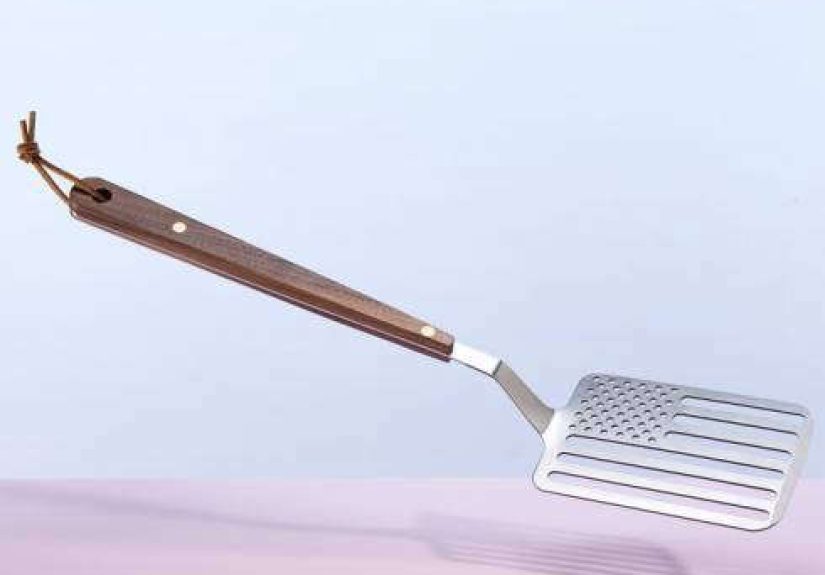
That is where Star Spangled Spatulas comes in. This is a deep dive into the spatulas, turners, and flipping tools that deserve a place in your cookout kit, along with how to choose them, use them, clean them, and avoid turning your barbecue into a cautionary tale. If you love burgers, pancakes, grilled vegetables, seafood, smash burgers, cast iron breakfasts, or simply the satisfying feeling of flipping something without losing half of it through the grates, you are in the right place.
Why the Spatula Deserves the Spotlight
American cookout culture tends to celebrate the big-ticket stars: grills, smokers, steaks, and recipes with ingredient lists longer than a congressional hearing. But the actual work of outdoor cooking depends on tools. A spatula is one of the few utensils that touches nearly everything on the menu. It slides, lifts, turns, scrapes, and transfers. It helps you manage both delicate foods and heavy ones. It can be the difference between a crisp-edged smash burger and a sad pile of ground beef fragments.
There is also a practical reason the spatula matters so much. Summer cookouts often happen outside the neat, predictable ecosystem of the kitchen. You may be balancing trays, dodging wind, keeping an eye on kids, talking to guests, and trying not to overcook the chicken while someone asks whether the corn is “organic.” Under those conditions, a tool that gives you control is worth its weight in grilled onions.
And in 2025, that control matters even more. Feeding a crowd is not exactly cheap. A typical 10-person summer cookout in the United States averaged just over seventy dollars, which means every burger you drop through the grates now feels like a tiny financial tragedy. A reliable spatula will not lower grocery prices, but it can help you make the most of the food you bought.
The Anatomy of a Great Grilling Spatula
Not all spatulas are created equal. Some are built for flipping burgers on a hot grill. Others are better for eggs, fish, or nonstick pans. Choosing the right one means understanding a few basics: material, flexibility, edge shape, handle length, and head size.
Stainless Steel Spatulas
If you cook on cast iron, stainless steel, carbon steel, or a grill griddle, a stainless steel spatula is the classic workhorse. It is sturdy, durable, and usually thin enough to slide under food cleanly. A beveled edge helps scrape and lift, which is especially useful for smash burgers, pancakes on a flat top, and crisp-skinned fish.
The trade-off is simple: metal is not the best friend of delicate nonstick coatings. If your spatula sounds like it is auditioning for a drum solo against your pan, switch tools before your cookware files a complaint.
Silicone Spatulas and Turners
Silicone is the diplomat of the spatula world. It is gentle, flexible, and safe for nonstick, ceramic, and enameled surfaces. A good silicone turner is ideal for pancakes, eggs, softer fish, and indoor stovetop cooking where you want finesse without scratches.
That said, not every silicone spatula is built for burger duty. Some are too floppy to support heavier foods. The best versions have a firm core, a thin front edge, and enough structure to lift without bending like a yoga instructor.
Fish Spatulas and Offset Turners
Despite the name, fish spatulas are not one-trick ponies. Their thin, angled heads make them excellent for fish, yes, but also for burgers, cookies, pancakes, roasted vegetables, and anything that benefits from a clean, confident slide underneath. Many cooks end up using a fish spatula more than any other turner in the drawer.
Offset turners deserve love too. The slight bend between handle and blade improves leverage and visibility, making them excellent for griddles and cast iron. If you are the kind of cook who wants to feel like you are running a diner in your own backyard, an offset spatula will speak your language.
Handle Length and Grip
Outdoor grilling calls for a longer handle than indoor pan cooking. The extra length keeps your hand farther from flare-ups and heat. Look for a grip that feels secure even when your hands are a little greasy, because nothing says “backyard chaos” like a spatula slipping out of your hand while holding a burger over open flame.
How to Match the Spatula to the Food
The smartest cooks do not use one spatula for everything. They use the right spatula for the job.
Burgers
For burgers, especially smash burgers or thicker patties, you want a firm metal spatula with a thin front edge. It should be wide enough to support the patty and strong enough to scrape up the flavorful browned bits without bending. This is not a moment for a floppy silicone number that behaves like a motivational poster.
Fish and Seafood
For salmon, white fish, shrimp, and delicate fillets, a thin fish spatula is hard to beat. The slotted design helps reduce sticking and drain excess oil or moisture. A wider turner is also useful when moving larger cuts of fish from grill to platter without breaking them into patriotic fragments.
Vegetables
Vegetables benefit from a turner with a little width and a beveled edge. Think asparagus, zucchini planks, mushrooms, and onion slices. A good spatula helps you lift and turn quickly before the vegetables char beyond “pleasantly smoky” and into “accidentally archaeological.”
Pancakes, Eggs, and Breakfast on the Griddle
If your cookout includes breakfast or brunch, use a gentler tool for pancakes and eggs, especially on nonstick or ceramic surfaces. A silicone turner with enough firmness to slide underneath without folding is ideal. Your pancakes deserve a graceful flip, not a trust fall.
Food Safety: The Part Nobody Should Ignore
Here is where the spatula graduates from cooking tool to food-safety sidekick. One of the easiest ways to spread bacteria at a cookout is by reusing the same utensil for raw and cooked food. If a spatula touched raw burger patties, chicken, or sausage, it should not touch cooked food unless it has been washed first.
That means the best cookout setup often includes at least two spatulas: one for raw food and one clean tool for finished food. The same goes for plates and trays. Raw meat should not ride out on the same platter that brings the cooked food back in triumph.
Temperature matters too. For safe grilling, ground meats should reach 160°F, poultry should reach 165°F, and whole cuts like steaks, chops, and roasts generally need 145°F with rest time, depending on the cut. A food thermometer is more reliable than color, texture, or the timeless grilling strategy known as “Eh, looks done.”
Time matters just as much. Perishable foods should not sit out for more than two hours, and just one hour if the temperature rises above 90°F. That potato salad is not invincible simply because it is wearing paprika.
Grill safety is equally important. Keep grills away from anything that can burn, clean away grease buildup, and pay attention to flare-ups. Also, be careful with grill-cleaning brushes that shed wire bristles. Those tiny metal pieces have caused serious injuries when swallowed, which is a terrible ending for any hot dog.
The Best Cookout Toolkit Beyond the Spatula
A patriotic cookout does not require a mountain of gear, but a few supporting tools make life easier:
- Tongs: Great for sausages, vegetables, and quick repositioning.
- Instant-read thermometer: The unsung genius of safe grilling.
- Clean tray system: One for raw items, one for cooked items.
- Basting brush: For sauce, preferably used late in cooking to prevent burning.
- Grill brush alternative or careful cleaning tool: Clean grates matter, but so does avoiding loose wire bristles.
- Heat-resistant glove: Because eyebrows are surprisingly flammable.
If you are building a cookout kit from scratch, start with one sturdy metal spatula, one safe-for-nonstick silicone turner, one pair of tongs, and a thermometer. That simple setup covers almost everything from burgers to breakfast.
Style, Hosting, and the All-American Cookout Mood
The phrase “Star Spangled Spatulas” may sound cheeky, but it taps into something real: Americans love turning cooking into an event. Backyard grilling is part meal, part performance, part social glue. The right tool can make you more relaxed, more efficient, and frankly more fun to watch. There is a reason people gather around the grill like it is a tiny neighborhood theater.
Spatulas even play a role in presentation. A wide turner helps you move burgers cleanly onto buns without squeezing out juices. A fish spatula makes it easier to plate grilled salmon or halloumi without wrecking the look. A good tool creates cleaner edges, better transfers, and a more confident rhythm. Cooking looks smoother when it actually is smoother.
And that matters because cookouts are not only about food. They are about timing, conversation, music, and the soft panic of serving everything warm at once. Good tools reduce friction. Less fumbling, less sticking, less breaking, less muttering under your breath while guests pretend not to notice.
How to Choose a Spatula That Lasts
If you are shopping for a new grilling spatula, skip gimmicks and look for durability. Choose sturdy construction, a comfortable grip, and a blade shape that matches how you cook most often. Thin edges are great for sliding under food. Wider heads are useful for burgers and fish. Longer handles help outdoors. Dishwasher-safe tools are convenient, but even then, a quick hand wash after handling raw food is often the smarter move during a cookout.
Avoid tools that feel flimsy, overly decorative, or strangely bulky. A spatula is not supposed to look like it belongs in a superhero movie. It is supposed to do its job with quiet competence, like a very reliable uncle.
Experience Section: Tales From the Land of Star Spangled Spatulas
The first time I realized how important a spatula could be was at a Fourth of July cookout where everything seemed perfectly under control right up until it absolutely was not. The burgers were seasoned, the corn was soaking, the watermelon was chilling, and somebody had brought a playlist so aggressively patriotic it felt like the speakers might start saluting. Then the designated grill master reached for the only spatula in sight: a flimsy plastic turner with the courage of a paper napkin.
What followed was less “backyard barbecue” and more “culinary slapstick.” The first burger folded in half. The second slipped through the grates like it had a bus to catch. The third survived, but only after being poked, scraped, and bullied into submission. Meanwhile, a clean platter for cooked food never materialized, so the same tray used for raw patties was nearly drafted back into service. Somewhere off to the side, a bowl of potato salad sat in the heat long enough to start making poor life choices.
That day taught me two things. First, most cookout disasters are not dramatic. They are small, preventable tool-and-timing mistakes. Second, a sturdy spatula can restore order faster than a ten-minute speech about “grilling technique.”
At the next summer gathering, I came armed. There was a long-handled stainless steel spatula for the grill, a silicone turner for the griddle, color-coded trays for raw and cooked food, and an instant-read thermometer that made everyone feel either reassured or slightly judged. The difference was immediate. Burgers flipped cleanly. Pineapple slices stayed intact. Fish actually made it from grill to platter looking like fish. It was borderline emotional.
What I remember most, though, was not the efficiency. It was the mood. Once the tools were right, everything else became easier. The cook could talk without panic. Guests lingered without hovering. Food came off the grill in waves instead of emergencies. The spatula was no longer a desperate rescue device. It became part of the rhythm: flip, lift, serve, laugh, repeat.
Since then, I have seen the same pattern at tailgates, camping trips, apartment balconies, and family reunions. The best cookouts are rarely the fanciest. They are the ones where the tools match the plan, safety is handled without drama, and the cook is calm enough to enjoy the event. A good spatula will not write your menu, lower the humidity, or stop someone from asking whether the burgers are grass-fed. But it will help you cook with more confidence, waste less food, and look a whole lot more competent while doing it.
So yes, Star Spangled Spatulas is a playful title. But there is a real idea behind it. Cookout culture is full of giant personalities and giant equipment, yet success often comes down to a few humble tools used well. In the grand pageant of summer grilling, the spatula may not get the fireworks finale. Still, it deserves a salute.
Conclusion
When people think about unforgettable summer cooking, they usually picture sizzling burgers, smoky vegetables, and that unmistakable backyard buzz that makes even folding chairs feel festive. But behind every smooth, satisfying cookout is a set of tools doing the quiet work. A well-chosen spatula helps you cook more cleanly, flip more confidently, protect your cookware, and serve food more safely.
So the next time you plan a backyard feast, do not just shop for meat, buns, and barbecue sauce. Upgrade the tool in your hand. Because sometimes the secret to a better American cookout is not bigger flames or fancier marinades. Sometimes it is simply choosing the right spatula and letting it do what it was born to do: save dinner with style.