Table of Contents >> Show >> Hide
- What Is a Classic Pork Tenderloin Sandwich?
- A Brief History of the Pork Tenderloin Sandwich
- What Makes a Great Classic Pork Tenderloin Sandwich?
- How to Make a Classic Pork Tenderloin Sandwich at Home
- Classic Toppings, Smart Variations, and What to Serve With It
- Common Mistakes to Avoid
- Why This Midwestern Sandwich Still Matters
- The Experience of a Classic Pork Tenderloin Sandwich
- Conclusion
There are sandwiches, and then there are Midwestern statements. The classic pork tenderloin sandwich belongs in the second category. It is crunchy, juicy, unapologetically golden, and usually so oversized that the bun looks like it showed up underdressed. That tiny-bun-big-cutlet ratio is not a design flaw. It is the point.
If you have never had one, picture this: a thin pork cutlet pounded wide, breaded until it promises maximum crunch, fried until crisp, and tucked onto a soft bun with pickles, onion, mustard, mayo, or whatever your local diner swears is the only correct way to do it. It is a sandwich with a regional accent and a whole lot of personality.
In this guide, we are digging into what makes a classic pork tenderloin sandwich so beloved, where the sandwich comes from, what separates a good one from a truly memorable one, and how to make one at home without turning your kitchen into a breadcrumb crime scene. We will also cover toppings, texture, common mistakes, and the experience of eating one the way it deserves to be eaten: with both hands and zero dignity.
What Is a Classic Pork Tenderloin Sandwich?
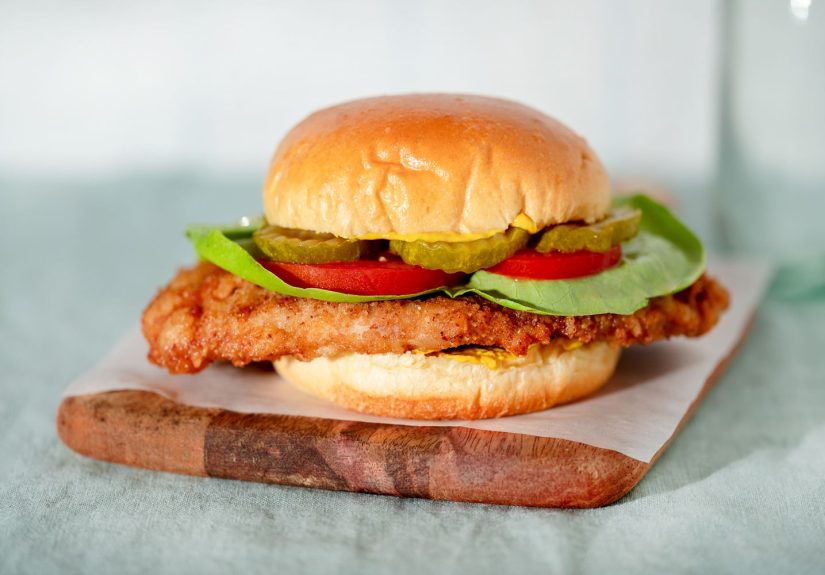
At its core, a classic pork tenderloin sandwich is a breaded and fried pork cutlet served on a bun. The pork is usually pounded thin before breading so it cooks quickly, stays tender, and develops that dramatic plate-overhanging shape people love. Depending on the recipe, cooks may start with pork tenderloin, boneless pork loin, or center-cut pork chops. For home kitchens, the exact cut matters a little, but the final texture matters more: tender meat, crisp coating, and a sandwich that feels substantial without eating like a brick.
The sandwich is especially associated with Indiana pork tenderloin sandwiches and Iowa diner culture, though you will find versions throughout the Midwest. Some are cracker-crumb breaded. Some lean into breadcrumbs or panko. Some get a buttermilk soak. Others go straight through a flour-egg-crumb line and into hot oil. The spirit stays the same: big pork, soft bun, crunchy outside, juicy inside.
The classic version usually includes:
- Thin-pounded pork cutlet
- Seasoned flour and crumb coating
- Shallow-frying or pan-frying in hot oil
- A soft hamburger bun or kaiser roll
- Pickles, onion, mustard, mayo, lettuce, and tomato as optional toppings
Not every sandwich needs a backstory. This one absolutely does, because it arrives looking like a fried edible eclipse.
A Brief History of the Pork Tenderloin Sandwich
Most origin stories for the breaded pork tenderloin sandwich trace back to Huntington, Indiana, where Nick Freienstein is widely credited with popularizing an early version in the early 1900s. The classic explanation is that the sandwich evolved from a schnitzel-style preparation brought over by European immigrants. Veal was less practical and less common in the region, so pork stepped in and never looked back.
That background helps explain why the sandwich feels familiar even if you have never eaten one before. It belongs to a huge family of breaded cutlets found around the world: schnitzel, milanese, katsu, and similar fried cutlet dishes all celebrate the same magical equation of thin meat plus crisp coating plus quick cooking. The Midwestern pork tenderloin sandwich simply turned that idea into a diner icon by putting the cutlet on a bun and letting the toppings stay mostly simple.
Over time, the sandwich became less of a recipe and more of a regional badge of honor. Indiana has built entire food trails around it. Iowa has annual contests celebrating the best versions. The result is a sandwich that feels both humble and competitive, which is a very American combination. It is comfort food with bragging rights.
What Makes a Great Classic Pork Tenderloin Sandwich?
1. The pork must be pounded thin
Thin pork is not just traditional. It is practical. Pounding the meat gives you a larger surface area for crunch, helps it cook evenly, and makes each bite more tender. The best sandwiches are often around 1/4 inch thick before frying. Thick pork can still taste good, but it starts drifting away from the classic style and into pork-chop-on-a-bun territory.
2. The coating should be crisp, not heavy
A classic breaded pork tenderloin sandwich should crunch when you bite into it, but it should not wear a thick, armor-like shell. Traditionalists often love cracker crumbs, especially saltines, because they fry up crisp and savory without feeling bulky. Breadcrumbs and panko work too, but for the most old-school character, cracker crumbs bring real diner energy.
3. The bun is support staff, not the star
This is not a towering artisan sandwich that requires jaw yoga. The bun should be soft, lightly toasted if you like, and sturdy enough to hold the pork without turning soggy. Its job is to support the cutlet, not challenge it for attention. In a classic sandwich, the bun is deliberately smaller than the pork. That is part visual joke, part textural strategy, and entirely correct.
4. Toppings should add brightness
Rich, fried pork needs contrast. Pickles, sliced onion, mustard, lettuce, and tomato bring sharpness and freshness. Mayo adds a little cushion. The best toppings do not bury the pork; they wake it up. A tenderloin sandwich should taste lively, not greasy and sleepy by the third bite.
5. The fry should be fast and hot
Because the pork is thin, it cooks quickly. That is exactly what you want. Oil that is too cool leaves the coating greasy. Oil that is too hot can darken the crust before the pork is cooked through. The sweet spot for a fried pork cutlet sandwich is hot enough to create fast browning and keep the inside juicy. Once cooked, whole cuts of pork should hit 145°F and rest briefly.
How to Make a Classic Pork Tenderloin Sandwich at Home
Ingredients for 4 sandwiches
- 1 to 1 1/4 pounds pork tenderloin, or 4 boneless pork loin chops
- 1 cup buttermilk
- 1 cup all-purpose flour
- 2 eggs
- 2 cups crushed saltine crackers or fine breadcrumbs
- 1 teaspoon kosher salt
- 1/2 teaspoon black pepper
- 1/2 teaspoon garlic powder
- 1/2 teaspoon onion powder
- Neutral oil for frying
- 4 soft buns or kaiser rolls
- Pickles, yellow mustard, mayo, sliced onion, lettuce, and tomato
Step 1: Prep and pound the pork
Slice the pork into portions, then butterfly each piece if needed and pound it between sheets of plastic wrap until thin and wide. Aim for roughly 1/4 inch thick. This step is where the sandwich becomes the sandwich. Without it, you just have lunch. With it, you have regional glory.
Step 2: Season and soak
Stir the buttermilk with a little salt, pepper, garlic powder, and onion powder. Add the pork and let it soak for at least 30 minutes, or up to a few hours in the refrigerator. This helps with tenderness and gives the coating something to cling to. If you are in a hurry, you can skip a long soak, but a little patience pays off.
Step 3: Build a breading station
Put flour in one shallow dish. Beat the eggs in a second dish. Put crushed crackers or breadcrumbs in a third dish with the remaining seasonings. Dredge the pork in flour, dip it in egg, then press it into the crumbs until fully coated.
For extra crunch, let the breaded cutlets sit for 5 to 10 minutes before frying. This tiny pause helps the coating set so it stays attached instead of floating away in the oil like a flaky little life choice.
Step 4: Fry until golden
Heat about 1/2 inch to 1 inch of oil in a heavy skillet. Fry one cutlet at a time, or in small batches, until golden and crisp, usually 2 to 4 minutes per side depending on thickness. Transfer to a rack or paper towels. Check that the pork reaches 145°F, then let it rest for a few minutes.
Step 5: Assemble the sandwich
Lightly toast the buns if you like. Spread on mustard, mayo, or both. Add the pork, then top with pickles and onion for the most classic effect. Lettuce and tomato are great if you want freshness, but do not overbuild. This sandwich is about the pork, not a salad trying to stage a coup.
Classic Toppings, Smart Variations, and What to Serve With It
Most classic toppings
If you want the sandwich to stay true to its roots, go simple: dill pickles, sliced white onion, yellow mustard, and a swipe of mayo. Those ingredients cut through the richness beautifully and keep the flavor profile balanced.
Popular but still respectable additions
- Lettuce and tomato for freshness
- Pickled red onions for a brighter tang
- Horseradish mayo for extra zip
- Hot sauce if you like a little heat with your crunch
Best side dishes
Fries are the obvious move, and for good reason. Onion rings are excellent if you want to double down on crispiness. Potato salad, slaw, and dill pickle spears also make sense. Basically, if it belongs next to a burger or diner sandwich, it probably belongs here too.
Common Mistakes to Avoid
Using pork that is too thick
Thick pork cooks slower and can turn the sandwich heavy. Pound it properly. The dramatic size is not just fun to look at; it improves the eating experience.
Skipping seasoning in the coating
Pork is delicious, but fried pork without seasoning can taste flat. Season the flour, the egg mixture, or the crumb mixture so the sandwich has flavor in every layer.
Overcrowding the skillet
Too many cutlets at once drop the oil temperature and sabotage crispness. Fry in batches and keep finished cutlets warm on a rack if needed.
Building a soggy sandwich
Let the pork drain briefly after frying. Toasting the bun helps too. Add wet toppings right before serving so the crust stays crisp.
Trying to make it too fancy
Yes, there are elevated chef versions with brioche, fancy sauces, and artisanal pickles that probably went to finishing school. They can be delicious. But the classic pork tenderloin sandwich recipe is at its best when it stays grounded, crunchy, and a little bit ridiculous.
Why This Midwestern Sandwich Still Matters
The best regional foods survive because they do more than taste good. They create memory, loyalty, and local pride. The classic pork tenderloin sandwich does all three. It is a diner staple, a fairground favorite, and a road-trip target. It is also wonderfully democratic: not expensive, not fussy, and not interested in impressing anyone with microgreens.
It impresses people the old-fashioned way, by showing up hot, crispy, and larger than expected. Honestly, more lunches should have that level of confidence.
The Experience of a Classic Pork Tenderloin Sandwich
Part of the magic of a classic pork tenderloin sandwich is that it never enters a room quietly. Even before you take a bite, it announces itself. Someone at the table says, “Wow, that thing is huge,” and they are correct. The bun sits in the middle like a tiny life raft while the breaded pork stretches out around it in every direction. You do not just eat the sandwich. You assess it, admire it, and make a strategy.
In a small-town diner, the experience starts with the sound before the plate even hits the table. You hear the faint crunch of the crust when the knife taps it. You smell hot oil, toasted bun, and that savory, almost nostalgic scent of seasoned breading. Then the pickles and onions arrive like the sharp little backup singers they were born to be. The first bite is usually a little awkward, because no one bites a pork tenderloin sandwich elegantly. But that is part of the fun. It is food that gives you permission to stop pretending lunch needs to be tidy.
The texture is what really sticks with people. You get the crisp shell first, then the tender pork underneath, then the soft give of the bun, then a quick hit of mustard or pickle. It is a chain reaction of contrast. Nothing about it is subtle, but it is not heavy in a one-note way either. The bright toppings keep the sandwich moving, so each bite feels a little different from the last.
Making one at home brings a different kind of satisfaction. There is something deeply rewarding about pounding the pork thin, setting up the breading station, and frying each piece until it turns that perfect golden brown. Your kitchen smells incredible. Your counter looks mildly chaotic. You tell yourself you will make just one sandwich, then suddenly you are toasting extra buns because someone wandered in and asked, “Are those tenderloins?” Fried food has a way of creating instant community.
There is also the visual comedy of it all, which should not be underestimated. In a world of overly designed food trends, the pork tenderloin sandwich remains gloriously straightforward. It is absurd in the best possible way. Nobody sees a breaded cutlet hanging six inches past the bun and thinks, “How refined.” They think, “I need that immediately.” It is honest food, and sometimes honest food is exactly what people remember most.
The sandwich also carries a strong sense of place. Eat one on a road trip through the Midwest, and it feels like more than lunch. It feels like you found a local favorite that people have been defending for years. Everyone has an opinion about where to get the best one, which toppings belong on it, and whether the coating should be cracker crumbs or breadcrumbs. That kind of debate is the mark of a food with roots.
Even leftovers have charm. A cold piece of breaded pork tucked into soft bread the next day is still excellent, especially with extra pickles. It may lose a bit of crunch, but it gains that wonderful next-day sandwich quality that makes you feel like your past self did you a favor. And really, that may be the most classic experience of all: a sandwich so satisfying you are already thinking about the next one before you finish the first.
Conclusion
The classic pork tenderloin sandwich is more than a fried pork sandwich on a bun. It is a Midwestern icon built on texture, balance, and a little visual swagger. The best versions keep the pork thin, the breading crisp, the toppings sharp, and the bun soft. Whether you order one in a historic diner or fry one up at home, the goal is the same: golden crust, juicy pork, and a sandwich that looks slightly unreasonable in the most delicious way possible.
Keep it simple, fry it hot, and do not be afraid of the oversized cutlet. That giant piece of pork is not showing off. It is just being classic.