Table of Contents >> Show >> Hide
- First: What’s a Protein, Really?
- Complete vs. Incomplete Proteins: The Real Definitions
- Quick Comparison Table (Because Your Brain Likes Shortcuts)
- Examples of Complete Proteins
- Examples of Incomplete Proteins (AKA: The Team Players)
- Complementary Proteins: How to “Complete” an Incomplete Protein
- Protein Quality vs. Protein Quantity (And Why Labels Complicate Everything)
- How to Build Protein-Rich Meals (Without Overthinking It)
- Common Myths (Busted With Kindness)
- Complete vs. Incomplete Protein Examples: A Simple Cheat List
- Real-World Experiences: 5 Scenarios You’ll Recognize (About )
- Conclusion
Protein has a PR problem. The word “incomplete” sounds like your lunch forgot to finish its homework. Meanwhile, “complete” sounds like it’s wearing a graduation cap and walking across a stage to applause. But in real life, your body is less dramatic than that. It’s basically a clever construction crew that just wants the right suppliesamino acidsdelivered consistently.
This guide breaks down what complete and incomplete proteins actually mean, why the “incomplete” label is often misunderstood, and how to build meals that hit all nine essential amino acids without turning your kitchen into a chemistry lab. You’ll also get plenty of specific food examples (because “eat more protein” is about as useful as “be more organized”).
First: What’s a Protein, Really?
Proteins are made of amino acidsthink of them as the LEGO bricks your body uses to build and repair tissues, make enzymes, support immune function, and keep a lot of important systems humming along.
Your body can make some amino acids on its own, but there are nine essential amino acids you must get from food: histidine, isoleucine, leucine, lysine, methionine, phenylalanine, threonine, tryptophan, and valine.[1]
Complete vs. Incomplete Proteins: The Real Definitions
A complete protein provides adequate amounts of all nine essential amino acids in the proportions your body needs.[2] Many animal-based foods fall into this category, and a few plant-based foods do, too.
An incomplete protein is a protein source that is lower in one or more essential amino acids (or has them in proportions that aren’t “ideal” for human needs).[2] Here’s the key point: “incomplete” doesn’t mean “useless.” It means “best friends with other foods.”
Why the “Incomplete” Label Can Be Misleading
Many plant foods contain all essential amino acids, just not always in the same balance as typical animal proteins. Nutrition scientists often talk about a limiting amino acidthe essential amino acid that’s in the shortest supply relative to what your body needs. If you’re short on that one, your body can’t use the other amino acids as efficiently for building new proteins. That’s why pairing matters more than perfection.
Quick Comparison Table (Because Your Brain Likes Shortcuts)
| Type | What it means | Common examples | Best use |
|---|---|---|---|
| Complete protein | Has all 9 essential amino acids in adequate amounts | Eggs, dairy, fish, poultry, beef; soy foods; quinoa; buckwheat[3] | Great standalone protein source |
| Incomplete protein | Lower in one or more essential amino acids (or less ideal balance) | Beans, lentils, nuts, seeds, whole grains, many vegetables[2] | Works best with variety and pairings |
Examples of Complete Proteins
Most people first learn “complete protein” through animal foodspartly because they’re reliably complete and partly because nutrition advice historically centered them. But complete proteins show up in plant-forward patterns, too.
Animal-Based Complete Protein Examples
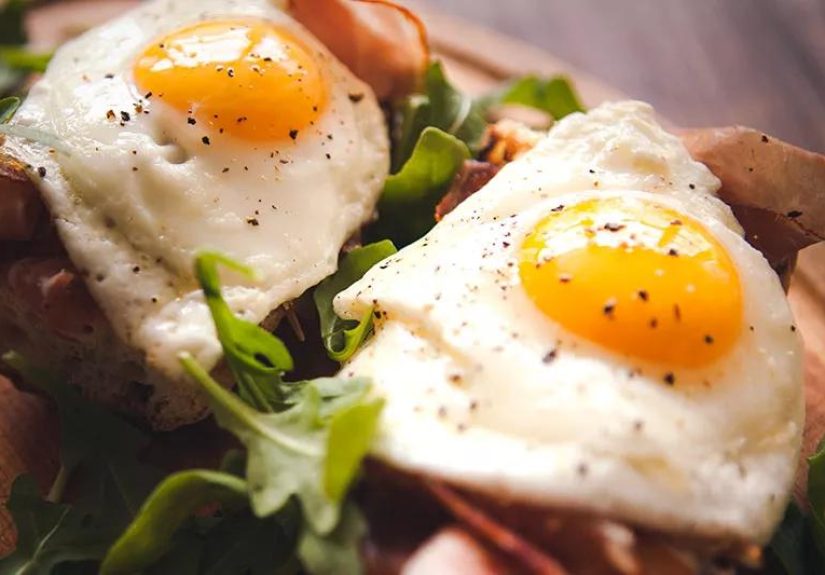
- Eggs (classic, affordable, extremely versatile)
- Dairy (milk, yogurt, cottage cheese, cheese)
- Fish and seafood (salmon, tuna, shrimp, sardines)
- Poultry (chicken, turkey)
- Beef and pork (especially lean cuts if you’re watching saturated fat)
Plant-Based Complete Protein Examples
Here’s where things get funbecause it surprises people who were told “plants don’t count.”
- Soy foods: tofu, tempeh, edamame, miso[2]
- Quinoa[3]
- Buckwheat (yep, despite the name, it’s not wheat)[3]
Important nuance: “complete” doesn’t automatically mean “healthiest.” A complete protein can show up in a food that’s also high in sodium, saturated fat, or ultra-processed ingredients. The goal is a strong amino-acid profile and an overall pattern that supports your health.
Examples of Incomplete Proteins (AKA: The Team Players)
Incomplete proteins are everywhereespecially in plant-based dietsand they’re still packed with benefits like fiber, vitamins, minerals, and phytonutrients. They just do their best work when you eat a variety of them across the day.
Common Incomplete Protein Examples
- Legumes: beans, lentils, peas, chickpeas[2]
- Whole grains: brown rice, oats, wheat, barley[2]
- Nuts and seeds: almonds, peanuts, pumpkin seeds, chia, hemp, sunflower seeds[2]
- Vegetables: especially higher-protein ones like spinach, broccoli, Brussels sprouts[2]
Complementary Proteins: How to “Complete” an Incomplete Protein
Complementary proteins are different protein sources that, together, provide all nine essential amino acids in the needed balance. The classic formula is: legumes + grains.
Why that combo? Many legumes are relatively lower in methionine, while many grains are relatively lower in lysine. Put them together, and their amino acid profiles “cover” each other’s gapslike two friends swapping notes before a test.[4]
Easy Complementary Protein Pairings (Real Food Edition)
- Beans + rice (the legendary duo)[4]
- Lentil soup + whole-grain bread
- Peanut butter + whole-wheat toast
- Hummus + pita (or hummus + crackers made from whole grains)
- Black beans + corn tortillas
- Tofu stir-fry + brown rice (already strong; even stronger together)
Do You Have to Combine Complementary Proteins in the Same Meal?
Nope. Your body maintains an amino acid pool and can balance intake across the day. Eating a varied diet matters more than hitting a perfect amino acid profile at breakfast, lunch, and dinner like you’re trying to win a nutrition spelling bee.[4]
Protein Quality vs. Protein Quantity (And Why Labels Complicate Everything)
“Complete vs. incomplete” is a useful shortcut, but it’s not the only way nutrition experts evaluate protein. There’s also protein quality, which considers amino acid profile and digestibilityhow well your body can actually use what you eat.
PDCAAS: The U.S. Labeling Method You Never Asked For
In the United States, protein quality for certain labeling purposes uses a method called PDCAAS (Protein Digestibility-Corrected Amino Acid Score). The FDA’s labeling guidance explains that when % Daily Value for protein is provided, it’s calculated by correcting grams of protein by its amino acid score adjusted for digestibility, consistent with federal regulation.[6]
Translation: two foods with the same “grams of protein” can deliver different usable amounts depending on amino acid pattern and digestibility. This is one reason why “30 grams of protein” on a label doesn’t always mean the exact same thing across products.
DIAAS: A Newer Way Researchers Talk About Protein Quality
Researchers have also discussed DIAAS (Digestible Indispensable Amino Acid Score), a newer approach recommended by an expert consultation summarized in an FAO report, which emphasizes digestibility of individual essential amino acids (often measured at the end of the small intestine).[7]
You don’t need to memorize PDCAAS or DIAAS to plan dinner. But knowing these exist helps you understand why protein conversations can get oddly technicallike your chicken breast is being graded on a curve.
How to Build Protein-Rich Meals (Without Overthinking It)
If you eat a mix of protein sourcesanimal, plant, or bothyour bases are usually covered. A few practical strategies make it even easier:
1) Anchor Each Meal With a “Primary” Protein
Choose one main protein source, then build around it:
- Greek yogurt bowl → add oats + nuts + fruit
- Chicken salad → add beans or quinoa to boost fiber and protein
- Tofu stir-fry → add edamame or cashews for extra protein
2) Let Variety Do the Heavy Lifting
Many reputable health and nutrition resources emphasize that a varied diet makes it easier to meet amino acid needsespecially for plant-forward eaterswithout micromanaging every bite.[8]
3) Use “Lazy Complementary Protein” Rules
If your meal includes a legume and a grain, you’re probably doing great. If it also includes nuts/seeds/vegetables, you’re basically building a protein Avengers team.
Common Myths (Busted With Kindness)
Myth: “Incomplete proteins don’t count.”
They absolutely count. They contribute amino acids and often come packaged with fiber and micronutrients. The goal is overall adequacy and variety, not a purity test.[2]
Myth: “Vegans can’t get enough essential amino acids.”
With a well-planned, varied diet that includes legumes, grains, nuts/seeds, and higher-protein plants like soy, meeting essential amino acid needs is very doable. The “combine everything at the same meal” rule is outdated, too.[4]
Myth: “Complete protein is always healthier than incomplete protein.”
“Complete” only describes amino acids, not the whole nutrition picture. A complete protein can come in a sugar-loaded protein bar just as easily as in plain yogurt. Look at the whole food, not just the label.
Complete vs. Incomplete Protein Examples: A Simple Cheat List
Complete protein examples
- Eggs
- Milk, yogurt, cheese
- Fish and seafood
- Chicken and turkey
- Beef and pork
- Tofu, tempeh, edamame (soy foods)
- Quinoa
- Buckwheat
Incomplete protein examples
- Black beans, kidney beans, chickpeas, lentils
- Peanut butter, almonds, walnuts
- Chia seeds, pumpkin seeds, sunflower seeds
- Brown rice, oats, whole wheat
- Most vegetables (still valuable, just not usually “complete” alone)
Real-World Experiences: 5 Scenarios You’ll Recognize (About )
Let’s make this practicalbecause nobody wants to leave with nothing but definitions and a vague sense that beans are “missing something.” Here are five real-life scenarios (the kind people run into in actual kitchens, grocery aisles, and “what do I eat now?” moments) and what the complete vs. incomplete protein concept looks like in the wild.
1) The “I Went Plant-Based and Now I’m Nervous” Week
This usually starts with a cart full of vegetables (great), a bag of almonds (also great), and a sudden fear that your muscles will evaporate by Thursday. The fix is rarely complicated: add consistent anchors like tofu, tempeh, edamame, lentils, or chickpeas, then pair them with grains like oats, brown rice, or whole-wheat bread. You don’t have to “complete” every meal like a video game quest. You just need repeated, varied protein hits across the day.
2) The “Protein Bar Is My Personality” Phase
Protein bars can be convenient, sure. But relying on them as the main protein strategy often means you’re getting protein without the supporting castfiber, potassium, magnesium, and the satisfying volume of real food. A more sustainable approach is to keep one convenient option (bar or shake) and build the rest from meals: yogurt + fruit + oats, turkey sandwich + veggie side, tofu bowl + rice + broccoli. The “complete” part becomes almost automatic when you’re eating actual meals with multiple ingredients.
3) The “I Eat Beans, But My Stomach Files a Complaint” Problem
Beans are an amazing incomplete protein that pairs beautifully with grainsbut not everyone’s gut loves a sudden bean tsunami. A gentler ramp works: start with lentils (often easier for people), try smaller portions, choose canned beans and rinse them, and combine with familiar foods (like bean tacos on corn tortillas). You’ll still get complementary protein benefits, and your digestive system won’t feel like it’s hosting a surprise music festival.
4) The “Breakfast Is Always the Hardest” Situation
Breakfast can feel protein-light if you default to toast or cereal. Easy fixes: add eggs (complete), Greek yogurt (complete-ish via dairy proteins), or tofu scramble (complete via soy). If you prefer plant-only and less “savory breakfast,” try oatmeal with soy milk plus nut butter and chia. That combo blends grains + legumes (soy) + seeds in one bowlcomplementary protein without the math.
5) The “I Lift / I Run / I’m Busy” Reality
For active people, the stress is often less about “complete vs. incomplete” and more about consistency: getting enough total protein, spread across meals, using convenient but solid sources. The good news is that a mixed approach works: animal proteins, soy foods, and varied plant sources all contribute. A lunch bowl with quinoa + black beans + avocado + salsa is legitimately strong. So is chicken + rice + veggies. The protein “type” matters less than your ability to repeat a plan you enjoy and can affordbecause the best meal plan is the one you’ll actually eat next week.
Conclusion
Complete proteins deliver all nine essential amino acids in the right balance, while incomplete proteins are simply lower in one or moremeaning they shine best with variety and complementary pairings. If you eat a mixed diet, you’re likely covered without much effort. If you eat mostly plants, you can absolutely meet your needs by leaning on soy foods, rotating legumes and whole grains, and letting combinations like beans + rice do their quietly brilliant work.