Table of Contents >> Show >> Hide
- Why Container Gardens Work So Well (And Why They Sometimes Don’t)
- Step 1: Choose the Right Container (Size Is the Secret Cheat Code)
- Step 2: Use the Right “Soil” (Spoiler: It’s Usually Not Garden Soil)
- Step 3: Light and Placement (Your Microclimate Has Opinions)
- Step 4: Plant Selection That Actually Makes Sense
- Step 5: Watering Without Losing Your Mind
- Step 6: Fertilizer (Because Containers Are Basically Hungry All the Time)
- Quick Examples: Container Setups That Work
- Common Container Garden Problems (And the Fixes)
- Seasonal Upgrades: Keep Containers Looking Great Longer
- A Simple Container Garden Checklist
- Conclusion
- Real-World Container Garden Experiences (What People Learn Fast)
- SEO Tags
If you’ve ever looked at your patio, balcony, front steps, or that mysterious patch of “sort-of sun” by the garage and thought,
“I could totally grow something here… if only I had a garden,” congratulations: you’re the exact audience container gardens were invented for.
Container gardening is basically gardening with training wheelsexcept the training wheels can be terracotta, fabric, wood, or a repurposed bucket
with excellent vibes and slightly questionable aesthetics.
A container garden is simply plants grown in pots or planters instead of the ground. But don’t let “simply” fool you. Done well, containers can be
ridiculously productive (hello, patio tomatoes) and shockingly beautiful (hello, planter that makes your neighbors suddenly care about color theory).
Done poorly… well, let’s just say plants can’t Venmo you for emotional damages.
Why Container Gardens Work So Well (And Why They Sometimes Don’t)
Containers shine because you control the environment: the soil, the drainage, the location, and the plant mix. You can move a pot into more sun, away
from wind, or closer to the kitchen door so basil is always within “snip distance.” That flexibility is the superpower.
The weakness is the same thing: everything is contained. Limited soil volume dries out faster, heats up faster, and runs out of nutrients faster.
Translation: container gardens reward consistency. Miss a few hot-day waterings and your plants won’t just “look sad”they’ll stage a dramatic fainting
scene worthy of daytime TV.
Step 1: Choose the Right Container (Size Is the Secret Cheat Code)
Go bigger than you think
Most beginners pick containers based on what looks cute, not what holds enough soil to keep roots happy. The bigger the container, the more stable the
moisture and temperature, and the less likely you are to become a full-time plant butler in July.
Match container size to the plant’s mature size
A tiny seedling may look like it belongs in a small pot, but it’s basically a toddler who will soon demand more space, more food, and more attention.
If you squeeze big plants into small containers, you’ll get stunted growth and constant wiltinglike trying to run a marathon in flip-flops.
Material matters (mostly for watering frequency)
- Terracotta: classic and breathable, but dries out quickly (great for herbs that hate wet feet, less great during heat waves).
- Glazed ceramic: holds moisture better, looks fancy, can be heavy.
- Plastic/resin: lightweight and affordable, retains moisture well, can heat up in intense sun.
- Fabric grow bags: excellent aeration and drainage, but also dry out faster in windy/hot spots.
- Wood planters: charming, can last years, but eventually weather and rot happenbecause nature is honest like that.
Drainage: non-negotiable
If the container doesn’t have drainage holes, you either add them, use it as a decorative outer pot (with a real draining pot inside), or prepare for
root rot and regret. Good drainage lets excess water escape and keeps roots from sitting in a swamp they did not consent to.
Step 2: Use the Right “Soil” (Spoiler: It’s Usually Not Garden Soil)
Potting mix is built for containers
Garden soil (the stuff from the ground) compacts in containers, drains poorly, and can become hard to re-wet once it dries. Potting mix is designed to
stay lighter and more porous, which improves aeration and drainagetwo things roots care about more than your playlist.
What to look for in a good potting mix
A quality potting mix typically includes ingredients like peat moss or coconut coir (moisture retention), perlite/vermiculite (air space), and sometimes
compost or bark (structure and nutrients). It should feel light and crumbly, not heavy and mud-like.
Skip the “rocks in the bottom” trick
Adding gravel or rocks to the bottom of a pot is a classic gardening myth. It doesn’t improve drainage; it can actually keep water sitting higher in the
pot, creating a soggy zone where roots are more likely to rot. The fix is drainage holes + the right potting mixnot a rock collection.
Leave a watering gap at the top
When filling containers, don’t pack soil to the rim. Leaving about an inch of space makes watering easier and keeps overflow from washing soil out the top
like a tiny landslide.
Step 3: Light and Placement (Your Microclimate Has Opinions)
Before you pick plants, watch your space for a couple of days. Morning sun vs. harsh afternoon sun makes a huge differenceespecially on patios, balconies,
and near reflective surfaces (hello, heat radiating off concrete like it’s trying to cook your petunias).
Easy placement rules
- Veggies and most herbs: aim for at least 6 hours of sun; fruiting crops (tomatoes/peppers) prefer more.
- Shade lovers: choose plants labeled part-shade/shade and protect them from blazing afternoon sun.
- Windy balconies: use heavier pots or add weight, and choose sturdier plants; drying wind can turn watering into a daily sport.
Step 4: Plant Selection That Actually Makes Sense
Group plants by needs
The easiest way to fail a container is to combine plants that want totally different conditionslike pairing a drought-tolerant herb with a thirsty annual
and expecting them to co-parent politely. Group plants with similar sun and watering needs so your care routine stays simple.
A foolproof design formula: Thriller, Filler, Spiller
If you want containers that look “professional” (or at least “I definitely planned this”), use the classic trio:
- Thriller: the tall focal point (ornamental grass, upright coleus, salvia, dwarf canna).
- Filler: mid-height plants that add volume (petunias, begonias, calibrachoa, marigolds).
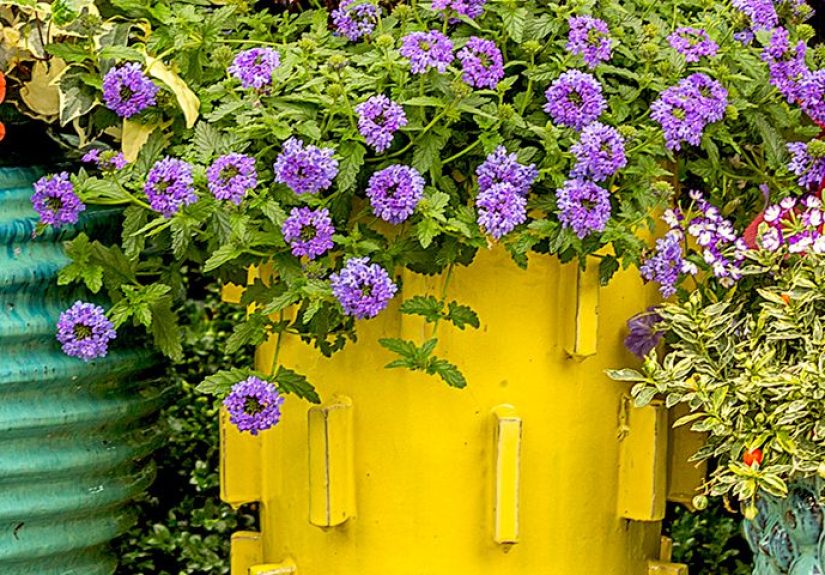
- Spiller: trailing plants that soften edges (sweet potato vine, bacopa, creeping jenny, trailing verbena).
Edible containers: start with “high return” crops
Want the most satisfaction per square foot? Start with herbs (basil, parsley, chives, thyme), salad greens (lettuce, arugula), and compact peppers or
patio tomatoes. They grow well in containers and give you frequent harvestsaka instant gratification, but legal and delicious.
Step 5: Watering Without Losing Your Mind
The golden rule: check the soil, not the calendar
Containers can dry out fast, but the timing depends on sun, wind, pot size, and plant size. The best method is simple: touch the soil. If the top inch
feels dry, water.
Water deeply, not lightly
A quick splash is basically a tease. Water until it runs out of the drainage holes so the entire root zone gets moisture. Deep watering also helps flush
out excess salts that can build up from fertilizer over time.
Make watering easier (your future self will thank you)
- Use larger containers to reduce how often they dry out.
- Add mulch (even a thin layer) to slow evaporation.
- Consider self-watering planters if you travel or forget occasionally (no judgment; calendars exist because humans forget).
- Water early when possible, especially in hot weather.
Step 6: Fertilizer (Because Containers Are Basically Hungry All the Time)
Every time you water, some nutrients wash out. That’s normalbut it means container plants often need regular feeding to stay productive and lush.
If your potting mix includes slow-release fertilizer, it helps early on, but it won’t last forever.
A practical feeding approach
- At planting: use a quality potting mix (many include starter nutrients) and optionally add a slow-release fertilizer.
- After establishment: begin regular fertilizer applications a few weeks after planting (timing depends on mix and growth rate).
- During peak growth: use an all-purpose or crop-specific fertilizer as directed, and watch the plant’s response.
Pro tip: “More fertilizer” is not the same as “more better.” Overfeeding can burn roots and leaves. If plants look stressed, slow down and troubleshoot
before you turn the fertilizer dial to chaos.
Quick Examples: Container Setups That Work
1) The Salad Bowl Planter (Beginner-friendly, fast payoff)
Use a wide container (think 10–14 inches or larger) with potting mix. Plant leaf lettuce, arugula, baby kale, and a few scallions. Keep it in part sun to
full sun depending on heat. Harvest “cut-and-come-again” leaves for weeks.
2) The Pizza Herb Pot (Because dreams should be edible)
Combine basil, oregano, thyme, and parsley. Give them good drainage and plenty of sun. Keep mint in its own container unless you enjoy watching it take over
like a tiny green supervillain.
3) The Patio Salsa Planter (The crowd-pleaser)
Try one patio tomato in a large container, plus compact peppers and cilantro nearby in separate pots. Tomatoes and peppers need lots of sun, steady watering,
and support (cage or stake). Harvest and feel like a backyard wizard.
4) The “Looks Expensive” Flower Combo (Thriller/Filler/Spiller)
Thriller: ornamental grass. Filler: bright petunias. Spiller: sweet potato vine. Add slow-release fertilizer, water deeply, deadhead as needed, and pretend
you hired a landscape designer named “You.”
Common Container Garden Problems (And the Fixes)
“My plant wilts every afternoon”
In heat, some plants droop temporarily and recover in the evening. But repeated wilting is a sign the pot is too small, drying too fast, or the roots are
stressed. Upgrade the container size, water earlier, add mulch, and consider moving to morning sun if afternoons are brutal.
“Yellow leaves and sad growth”
Common causes: overwatering, poor drainage, nutrient deficiency, or crowded roots. Check drainage holes, let the top inch dry before watering again, and
start a balanced feeding routine.
“Mushrooms / gnats / weird stuff in the soil”
Often linked to consistently wet potting mix. Improve airflow, water less frequently (but deeply), and avoid leaving containers sitting in water-filled
saucers for long periods.
“My balcony is dripping on my neighbors”
Deep watering is important, but you can manage runoff. Use a catch tray where appropriate, water slowly, and make sure drainage is directed responsibly.
(Your neighbor did not sign up for a surprise rainstorm at 7 a.m.)
Seasonal Upgrades: Keep Containers Looking Great Longer
One of the best parts of container gardening is the ability to swap plants seasonally. After spring greens bolt in summer heat, replant with heat-tolerant
herbs or flowers. In fall, you can refresh containers with cool-season color and texture. For tender plants, plan ahead for frost and bring pots indoors or
protect them as temperatures drop.
Cold-weather note
In freezing climates, some containers (especially porous ones) can crack if water expands as it freezes. If you overwinter pots outdoors, keep drainage
clear, avoid waterlogged soil, and consider moving or insulating vulnerable containers.
A Simple Container Garden Checklist
- Pick a container that’s bigger than your instincts (your instincts are adorable, but often wrong here).
- Confirm drainage holes exist or create a plan that guarantees drainage.
- Use a quality potting mix (not straight garden soil).
- Leave an inch at the top for watering space.
- Choose plants with similar sun and water needs.
- Water when the top inch is dry; water until it drains.
- Start fertilizing regularly once plants are established and growing strongly.
- Prune, harvest, deadhead, and adjust as the season changes.
Conclusion
Container gardens make it possible to grow food and flowers almost anywherewithout a yard, without perfect soil, and without waiting for “someday.”
The recipe is straightforward: pick a roomy container with drainage, use a real potting mix, match plants to your light, water deeply when needed, and feed
consistently. Once you get the rhythm, containers stop feeling like “extra work” and start feeling like the easiest way to turn blank outdoor space into
something alive, useful, and honestly pretty impressive.
Real-World Container Garden Experiences (What People Learn Fast)
Ask a handful of container gardeners what they “wish they knew earlier,” and you’ll hear the same themesusually said with a laugh that sounds slightly
haunted. First: small pots are a trap. They look tidy and cute, but they dry out so fast that you end up watering constantly, especially
on patios and balconies where wind and reflected heat speed up evaporation. Many gardeners eventually graduate to fewer, larger containers because the plants
stay healthier and the daily maintenance drops from “part-time job” to “quick routine.”
Second: watering is a skill, not a timer. Beginners often bounce between two extremes: frequent tiny splashes or infrequent flood events.
The experience most people settle into is simple and reliablecheck the soil with your finger, then water thoroughly until it drains. This one habit tends
to fix a surprising number of “mystery problems,” from drooping leaves to uneven growth. And yes, people also learn (sometimes the hard way) that containers
under an overhang might not get rain. The sky can be pouring while your pot stays bone dry, like it’s living under a tiny roof of denial.
Third: plants are social… but only with the right roommates. Mixing plants with different needs is a classic early mistake. Someone puts
a sun-loving pepper next to a shade plant, waters for one, and wonders why the other looks offended. Experienced container gardeners group plants by the same
sun and water preferences, and suddenly everything feels easier. The bonus lesson here is that “thriller, filler, spiller” isn’t just a design trickit can
be a planning tool. When people start thinking in roles (tall focal point, mid-level mass, trailing edge), they stop impulse-buying random plants and start
building combinations that look intentional.
Fourth: feeding matters more than people expect. In-ground gardens have a large reservoir of soil and biology. Containers don’t. Gardeners
often notice that plants look great early on, then stall or pale out midseason. The “aha” moment usually comes when they realize nutrients wash out with
watering. Once they add a consistent fertilizer routine (without overdoing it), growth and flowering bounce back. Many gardeners describe it as the moment
their containers go from “surviving” to “thriving.”
Finally: container gardening builds confidence fast. There’s something motivating about seeing a pot change quicklynew leaves, buds,
harvestable herbsbecause it proves you’re doing something right. People also learn to experiment: moving a pot to better light, swapping a plant that isn’t
happy, trying a new variety bred for containers, or replanting the same pot for a new season. Over time, container gardeners tend to develop a calm,
problem-solving mindset: observe, adjust, repeat. It’s less “perfect gardening” and more “smart gardening,” which is honestly a better life skill anyway.