Table of Contents >> Show >> Hide
- What “flour sack” cotton actually means
- Why a flour sack makes a surprisingly great pillow cover
- Buying guide: how to choose the right cotton flour sack for a pillow cover
- Fit math: sizing your pillow cover so it looks full, not floppy
- DIY: sew a flour sack pillow cover in an afternoon
- Design ideas that don’t scream “I made this from a kitchen towel”
- Care & longevity: keep it soft, bright, and not mysteriously smaller
- Where cotton flour sack pillow covers fit in your decor
- Common mistakes (and how to avoid them)
- FAQ
- Conclusion
- Real-life experiences with cotton flour sack pillow covers
If your couch could talk, it would probably say: “I’d like a glow-up… but make it washable.” Enter the cotton flour sack pillow coverthe rare home upgrade that’s equal parts charming, practical, and suspiciously affordable. It’s soft (especially after a few washes), breathable, and gives that relaxed, lived-in look that interior designers try to sell you for the price of a small refrigerator.
In this guide, we’ll break down what flour sack cotton actually is, why it works so well as a pillow cover, how to buy or DIY one without crying into your seam ripper, and how to keep it looking freshbecause nobody wants a “shrank in the wash” throw pillow era.
What “flour sack” cotton actually means
Flour sack fabric started as a utilitarian textilethin, sturdy cotton historically associated with flour and grain storage. Modern “flour sack” items are usually 100% cotton with a flat, plain weave (that simple over-under weave pattern). The result is a fabric that’s lightweight, flexible, and smooth enough to be low-lint and easy to press.
Why the weave matters
A plain weave tends to feel balanced and stable. It’s not fluffy like terry cloth, which is great if you’re trying to avoid fuzz on glasswareor, in pillow terms, if you want a crisp cover that doesn’t shed lint onto dark pants the second someone sits down.
Why a flour sack makes a surprisingly great pillow cover
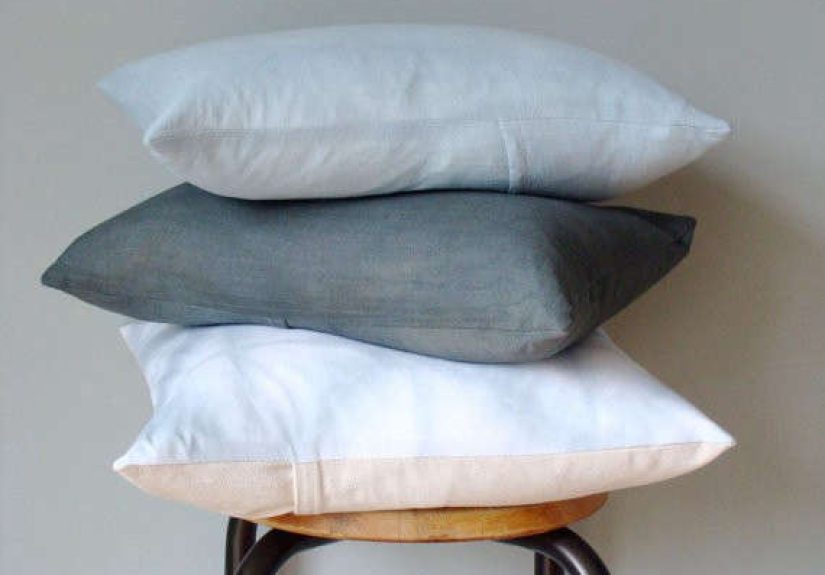
A cotton flour sack pillow cover sits in the sweet spot between “pretty enough for the living room” and “tough enough for real life.” Here’s why it works:
- Breathable comfort: Cotton stays cooler than many synthetics, which is nice for nap-approved sofas.
- Quick-drying: The thin weave dries faster after washing, so you’re not waiting until next Tuesday to re-dress your pillows.
- Low-lint, smooth finish: Great for a clean look (and for households that consider lint a personal enemy).
- Softens with use: Like good jeans and better friendships, it tends to improve over time.
- Decor flexibility: Works in farmhouse, coastal, minimalist, vintage, and “I have plants and opinions” aesthetics.
Bonus: flour sack cotton is a dream for DIY customizationpaint, embroidery, stenciling, block printing, iron-on transfers it’s basically the “yes, and…” of fabrics.
Buying guide: how to choose the right cotton flour sack for a pillow cover
Not all flour sack textiles are created equal. Some are buttery-soft; others feel like they’re training for a career as sandpaper. Use these checkpoints to pick a winner.
Bleached vs. unbleached
Bleached (bright white) flour sack cotton looks clean and classicgreat for modern or minimalist spaces. Unbleached (natural/cream) leans warmer and more rustic, perfect for farmhouse or vintage decor. If you plan to dye or coffee/tea-stain, unbleached often gives you richer, less “hospital-linen” results.
Look for “100% cotton” and a hem you can trust
If you’re buying flour sack towels to convert into covers, look for 100% cotton and solid stitching at the hem. Reinforced hems save you time (and prevent the “why is this unraveling like a mystery novel?” moment).
Size matters (and flour sack towels are usually generous)
A common flour sack towel size is large enough to cover many throw pillow forms with smart cutting. The bigger the towel, the more options you haveenvelope backs, extra overlap, or matching covers if you buy multiples.
Fit math: sizing your pillow cover so it looks full, not floppy
The best-looking pillows typically have a cover that fits snugly. Here’s a simple approach that works for most woven cotton:
- Match the insert size for a tailored look (example: 18″ cover for an 18″ insert).
- Go 1″ smaller (example: 17″ cover for an 18″ insert) if you want a plumper, “designer” finishespecially if the fabric is thin.
- Add seam allowance to your cut pieces: typically 1/2″ on each side (so add 1″ total to width and height).
Example: For an 18″ x 18″ finished cover with 1/2″ seams, cut your front panel to 19″ x 19″. If you want a fuller look, aim for a 17″ x 17″ finished cover on an 18″ insert (cut front panel 18″ x 18″).
DIY: sew a flour sack pillow cover in an afternoon
You don’t need an advanced sewing degree. You need: a sewing machine (or a stubborn amount of hand-stitch patience), cotton thread, pins or clips, scissors/rotary cutter, and an iron. The iron is not optional. The iron is the boss.
Option A: Envelope back (beginner-friendly and zipper-free)
Envelope closures are popular because they’re easy, washable, and forgiving if your seams aren’t runway-ready.
- Pre-wash and dry your flour sack cotton first (more on why later). Then iron it flat.
- Cut 3 panels:
- Front panel: finished size + seam allowance (example: 19″ x 19″ for an 18″ pillow).
- Two back panels: same height as the front, but narrower width with overlap. For an 18″ pillow, a common approach is two panels around 19″ x 13″ each (gives overlap so the insert doesn’t escape).
- Hem one long edge on each back panel (fold 1/2″ twice, stitch). This becomes the clean inner edge of the envelope.
- Layer it: Place the front panel right-side up. Lay the back panels on top, right-side down, with hemmed edges overlapping in the center.
- Pin and sew around all four edges using a 1/2″ seam allowance. Reinforce corners with a second line of stitching if you want extra durability.
- Trim corners, turn right-side out, press, and insert your pillow form.
Pro tip: If the flour sack fabric feels very lightweight, consider a slightly smaller cover than the insert for a fuller look, or use a plump insert. Thin cotton looks best when it has something confident to wrap around.
Option B: Zipper closure (clean look, slightly more effort)
A zipper gives a polished finish and keeps the back completely flatnice for modern decor. Use an invisible zipper if you want to feel fancy, or a standard zipper if you want to keep things friendly and functional. The key is to stabilize the zipper area with careful pressing and straight stitching.
Option C: No-sew shortcuts (for the commitment-phobic)
- Fusible hemming tape: Great for quick hems and clean edges (best for decorative pillows, not heavy daily abuse).
- Fabric ties: Create an envelope-style overlap and secure with corner tiescute, cottage-y, and adjustable.
- Button flap: Use sturdy buttons and reinforce stress points. Yes, it’s extra work. Yes, it looks adorable.
Design ideas that don’t scream “I made this from a kitchen towel”
Flour sack cotton can look intentionally elevated with the right design move. Here are crowd-pleasers that work in real homes.
Painted stripes and geometric patterns
Painter’s tape + fabric paint is the gateway craft. Insert a piece of cardboard inside the cover while painting to prevent bleed-through, then peel the tape for crisp lines. Stripes look classic in coastal, farmhouse, and modern spacesbasically the jeans-and-white-tee of pillow design.
Stenciling: the “I can’t draw but I have taste” solution
Use a stencil with a foam pouncer for cleaner edges. Keep the paint lightly loaded (less paint = less seepage). A single centered motif feels modern; an all-over pattern feels playful and cozy.
Iron-on transfers and typography
Flour sack cotton takes transfers well because it’s flat and press-friendly. If you’re doing text, pick something timeless: a city name, a family initial, or a short phrase that won’t make you cringe in six months.
Patchwork with vintage textiles
For a true “collected over time” look, combine flour sack cotton with small panels of vintage tea towels or striped grain-sack style fabric. Keep the palette consistent (two or three colors max) so it reads curated, not chaotic.
Care & longevity: keep it soft, bright, and not mysteriously smaller
Flour sack cotton has one main personality trait: it likes to change a little after its first wash. Plan for that, and you’ll be fine.
Pre-wash like you mean it
Wash before sewing to remove any finishing agents and to let the fabric do its initial shrinking nowbefore it’s wrapped around a pillow insert. Pre-washing also helps boost softness and absorbency.
Washing basics
- Use a gentle detergent and avoid overdoing ittoo much detergent can leave residue that makes cotton feel stiff.
- Warm or cool water is often a safe default for maintaining shape and reducing shrinkage.
- Skip fabric softener if you want the fabric to stay absorbent and breathable; softener can leave a coating on fibers.
- Use white vinegar in the rinse occasionally if you want natural softening and fresher-smelling cotton.
Drying: the shrinkage prevention plan
High heat is the fast track to “why is this suddenly a doll pillow?” Air-drying is gentlest. If you use a dryer, choose low heat, remove promptly, and smooth it out while warm.
Stain strategy (because life happens near pillows)
Spot-treat sooner rather than later. For white covers, oxygen bleach can help brighten over time. If you’re dealing with oily stains, a small amount of dish soap can be effective before washing. Always test any strong treatment on a hidden seam first, especially if the cover is painted or transferred.
Where cotton flour sack pillow covers fit in your decor
One reason this fabric is so popular is that it plays well with others:
- Farmhouse: Pair with ticking stripes, vintage wood tones, and cozy knits.
- Coastal: Add blue stripes, rope textures, and breezy neutrals.
- Modern minimalist: Keep it crisp white or natural, with clean seams and a hidden zipper.
- Vintage eclectic: Mix flour sack cotton with embroidered pieces, patches, and worn-in linen.
The fabric’s slightly rumpled drape can look intentional and relaxedlike your house is stylish but also knows how to make grilled cheese.
Common mistakes (and how to avoid them)
- Skipping pre-wash: The cover may shrink after sewing and pull at seams. Pre-wash first.
- Making it too loose: Thin cotton looks best snug; consider sizing down or using a fuller insert.
- Not pressing seams: Pressing is half of “professional-looking sewing.” The other half is pretending you always press seams.
- Using high heat drying: Low heat or air dry helps keep size stable.
- Painting without a barrier: Use cardboard inside the cover to prevent paint bleed-through.
FAQ
Is a flour sack pillow cover actually comfortable?
Yesespecially after a few washes. It won’t feel plush like velvet, but it’s soft, breathable, and pleasant against skin. If you want extra coziness, pair it with a textured throw blanket or use it as a layering pillow behind a softer front pillow.
Will it look “cheap”?
It can, if the fit is baggy or the finishing is sloppy. But with a snug fit, crisp seams, and a simple design, it reads as intentionally minimal and modern-rustic. Think “effortless,” not “emergency craft hour.”
Do I need a liner because the fabric is thin?
Usually noespecially for light-colored inserts. If you’re covering a dark insert with a white cover, add a second layer, choose a heavier flour sack textile, or use a white insert cover underneath.
Conclusion
A cotton flour sack pillow cover is one of those rare home projects that checks all the boxes: it looks good, it’s washable, it’s customizable, and it doesn’t demand a second mortgage. Buy them for a clean, classic lookor DIY them for a personal, handmade finish that still feels grown-up. Keep the fit snug, pre-wash before sewing, go easy on high heat, and you’ll have pillows that look stylish and handle real life with zero drama.
Real-life experiences with cotton flour sack pillow covers
The first thing you notice when you live with flour sack pillow covers isn’t the lookit’s the behavior. These covers don’t act like heavy upholstery fabric. They act like that dependable friend who shows up early, helps you clean, and somehow still looks good in photos. They’re light, flexible, and surprisingly resilient, which is exactly what you want on a couch that gets used by humans (and, let’s be honest, sometimes by pets who didn’t pay rent but behave like landlords).
Experience number one: the “softness curve.” Fresh flour sack cotton can feel a little crisp at first. Not scratchymore like “new button-down shirt” crisp. But after a couple of washes, it relaxes and softens in a way that feels natural, not artificially slick. If you’ve ever had a towel that got better the more you used it, it’s that vibe. The covers start to drape more nicely, and the surface becomes less stiff, which makes the pillows look more inviting.
Experience number two: the stain reality check. White or natural cotton looks amazing… right up until someone sets down a snack, a coffee, or a marker “for just one second.” The upside is that cotton is forgiving if you treat stains quickly. A little spot-cleaning and a normal wash can rescue most everyday messes. The downside is you can’t pretend stains aren’t there. Flour sack cotton will absolutely expose your lies. If your household is high-chaos, consider choosing unbleached natural cotton, a subtle pattern, or a striped/painted design that visually camouflages minor life events.
Experience number three: seasonal swapping is effortless. Because these covers wash and dry relatively quickly, they’re easy to rotate. In warmer months, the light cotton feels airy and fresh. In colder months, they layer beautifully with knits, faux fur, or thicker woven pillows, adding contrast without making the whole couch feel like it’s wearing a winter coat indoors.
Experience number four: they’re quietly “design helpful.” When your room has a lot going onpatterned rug, colorful art, busy shelvesflour sack pillow covers can calm the space down. They add texture without shouting. And if your room is too neutral and needs a little personality, flour sack cotton is easy to customize. A simple stencil, a stripe, or even a single letter can make the pillows feel intentional. The fabric basically begs to be personalized, but it also looks totally fine staying plain. It’s the rare material that doesn’t guilt-trip you either way.
Experience number five: the fit is everything. The biggest difference between “wow, cute” and “why does this look like a sad bag?” is sizing. Thin cotton needs a snug fit or a plump insert. Once you dial that in, the pillows look tailored and expensiveeven if you made them from an item that once lived in your kitchen drawer. And there’s something genuinely satisfying about that: the cozy, comfortable proof that good style doesn’t have to be complicated. Sometimes it’s just cotton, clean seams, and the confidence to put a pillow in what looks like a flour sack (and then pretend you meant to do it all along).