Table of Contents >> Show >> Hide
- What Is Crepey Skin (and How Is It Different From Wrinkles)?
- What Causes Crepey Skin?
- Prevention: How to Slow Crepey Skin Before It Starts (or Gets Worse)
- Treatment at Home: What Actually Helps Crepey Skin?
- 1) Retinoids/Retinol (The Gold Standard for Texture and Fine Lines)
- 2) Hydrating Ingredients (Immediate Cosmetic Improvement + Long-Term Support)
- 3) Gentle Chemical Exfoliation (If Your Skin Can Handle It)
- 4) Antioxidants and Supportive Ingredients
- 5) The “Body Skin Care Routine” That People Actually Stick With
- In-Office Treatments: When You Want Bigger, Faster Results
- How to Choose the Right Treatment: A Practical Decision Guide
- Common Myths About Crepey Skin (Let’s Retire These, Please)
- When to See a Dermatologist
- Experiences People Commonly Have With Crepey Skin (and What They Learn)
- Experience #1: “It Came Out of Nowhere… Until I Looked at My Habits”
- Experience #2: “I Tried Retinol and My Skin Freaked Out”
- Experience #3: “Weight Loss Changed My Skin, and I Didn’t Expect That”
- Experience #4: “My Hands Gave Me Away”
- Experience #5: “I Wanted One Magic Treatment, but the Best Results Were a Combo”
- Experience #6: “I Stopped Chasing Perfect and Started Chasing Healthy”
- Conclusion
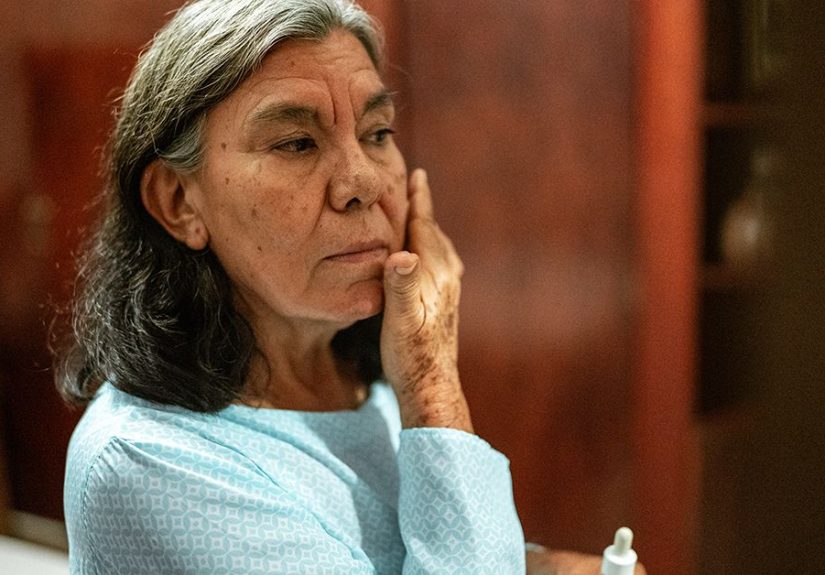
Crepey skin is one of those beauty terms that sounds kind of cutelike a fancy French dessert until you realize it’s describing skin that looks thin, finely wrinkled, and a bit “crinkly,” like crepe paper. (Delicious pancakes: yes. Crepe-paper texture on your arms: less yes.)
The good news: crepey-looking skin is common, it’s usually harmless, and there are real ways to improve how it looks and feels. The more realistic news (still good, just less Instagram-filter): you can’t time-travel your collagen back to 1998, but you can support it, protect what you have, and use treatmentsat home and in-office that can noticeably smooth and firm things up.
What Is Crepey Skin (and How Is It Different From Wrinkles)?
Crepey skin is typically characterized by a “paper-thin,” finely wrinkled texture that can appear slightly loose or lax. It’s often most noticeable when skin is dry, when you pinch it lightly, or when it catches light at certain angles. Unlike deeper, etched-in wrinkles (think “expression lines”), crepey texture is more about thinness + dryness + laxitya combo of reduced structural support (collagen/elastin), reduced natural oils/water retention, and cumulative environmental stress (hello, UV).
Common Areas Where Crepey Skin Shows Up
- Under-eyes and eyelids (thin skin, lots of movement)
- Neck and décolletage (often under-protected from sun)
- Upper arms (especially inner arms)
- Hands (loss of fullness makes texture more obvious)
- Thighs and knees (skin laxity plus movement)
What Causes Crepey Skin?
Crepey skin usually isn’t caused by one villain twirling a mustache. It’s more like an ensemble cast: natural aging, sun exposure, dryness, lifestyle factors, and sometimes weight changes or medications. Here’s what’s going on under the hood.
1) Natural Aging: Collagen, Elastin, and “Where Did My Bounce Go?”
As we age, the skin naturally produces less collagen and elastinproteins that help keep skin firm, springy, and resilient. Skin also becomes thinner and tends to lose water more easily, which can make fine crinkling more visible. Hormonal shifts (including perimenopause/menopause) can amplify dryness and changes in texture.
2) Sun Exposure (Photoaging): The Biggest External Accelerant
UV exposure breaks down collagen and elastin over time and contributes to premature skin aging. Even if you’re not “burning,” repeated unprotected exposure can gradually change texture, elasticity, and tone. This is why dermatologists are so relentlessly loyal to sunscreenit’s not a trend; it’s physics.
3) Dryness and Barrier Weakening
Crepey texture often looks worse when the skin barrier is compromised or the skin is dehydrated. When the outer layer of skin can’t hold onto water well, it can appear thinner, rougher, and more finely wrinkled. The solution isn’t just “drink water” (though hydration matters)it’s also about sealing moisture in with the right topical ingredients.
4) Weight Changes and Volume Loss
Significant weight loss (especially rapid loss) can reduce the underlying fat that “fills” the skin, making laxity and texture more noticeable. Similarly, age-related loss of subcutaneous fat in areas like hands can create a crepe-paper look because the skin has less support underneath.
5) Lifestyle Factors (The Usual Suspects)
- Smoking: accelerates visible aging and impairs collagen support.
- High alcohol intake: can contribute to dehydration and dullness.
- Poor sleep and high stress: can worsen inflammation and repair capacity over time.
- Air pollution: may increase oxidative stress, which can affect skin aging.
6) Certain Medications and Medical Context
Long-term use of certain medications (for example, chronic systemic steroids in some cases) may contribute to thinning skin. If crepey changes seem sudden, severe, or accompanied by easy bruising/tearing, it’s worth bringing up with a clinician to rule out medication effects or other issues.
Prevention: How to Slow Crepey Skin Before It Starts (or Gets Worse)
Prevention isn’t about perfection. It’s about stacking the odds in your favorlike wearing a seatbelt and also not texting while driving. Here are the most evidence-aligned habits that pay off.
1) Sun Protection Every Day (Yes, Even on “Meh” Weather)
- Use a broad-spectrum sunscreen (SPF 30+ is a common baseline recommendation).
- Apply generously to face, neck, chest, ears, and handsareas people forget until they look in the mirror later.
- Reapply when outdoors for extended periods (especially with sweating or water exposure).
- Use shade and sun-protective clothing for added protection.
2) Moisturize Like You Mean It (Barrier Care = Texture Care)
Daily moisturizing can make crepey texture look better quickly by plumping the top layer of skin. Look for a combination of:
- Humectants (pull water in): hyaluronic acid, glycerin
- Emollients (smooth/soften): squalane, fatty acids
- Occlusives (seal it in): petrolatum, dimethicone (especially for very dry areas)
- Barrier helpers: ceramides, niacinamide
Pro tip: Apply moisturizer to slightly damp skin after bathingthen seal it. That “damp sandwich” approach is simple and surprisingly powerful.
3) Build Collagen-Friendly Habits
- Don’t smoke (or get help quittingyour skin and lungs will both throw a party).
- Strength training can help maintain muscle and overall tissue support as you age.
- Protein + colorful plants support overall skin health (collagen is protein, after all).
- Sleep and stress management support repair and inflammation balance.
4) Avoid Over-Exfoliating (The Fast Track to “Why Is My Skin Angry?”)
Gentle exfoliation can help texture, but too much can wreck your barrier and make crepey skin look worse. If you’re using retinoids, acids, scrubs, and a “clarifying” cleanser all at once… congratulations, you may be speed-running irritation.
Treatment at Home: What Actually Helps Crepey Skin?
Home care is the foundation. It may not deliver dramatic tightening overnight, but it can significantly improve texture, hydration, and fine crepingespecially if the skin is dry and sun-stressed.
1) Retinoids/Retinol (The Gold Standard for Texture and Fine Lines)
Retinoids (vitamin A derivatives) help support collagen and increase skin cell turnover, which can improve fine lines and texture over time. Over-the-counter retinol is generally gentler; prescription tretinoin can be more potent but also more irritating at first.
- Start 2–3 nights per week, then increase as tolerated.
- Use a pea-sized amount for face; for body areas, apply thinly and moisturize after.
- Expect a “retinization” phase (dryness, flaking, mild irritation) early on.
- Use sunscreen dailyretinoids can increase sun sensitivity.
- Avoid retinoids during pregnancy unless your clinician says otherwise.
2) Hydrating Ingredients (Immediate Cosmetic Improvement + Long-Term Support)
Hyaluronic acid is a well-known humectant that helps skin retain water and can reduce the appearance of fine lines by improving hydration. It works best when you apply it to damp skin and follow with a moisturizer to prevent water from evaporating right back out.
3) Gentle Chemical Exfoliation (If Your Skin Can Handle It)
Ingredients like lactic acid (an AHA) can help smooth roughness and support hydration, but the key is low and slow. For crepey-prone areas (neck, chest), choose gentle formulas and don’t combine too many actives at once.
4) Antioxidants and Supportive Ingredients
- Vitamin C: supports antioxidant protection and brightening.
- Niacinamide: supports barrier function and can improve texture tolerance.
- Peptides: often used in firming formulas; results vary, but many people like the feel.
5) The “Body Skin Care Routine” That People Actually Stick With
- After shower: apply a hydrating lotion (humectant + emollient) to damp skin.
- Night: use retinol on targeted areas 2–4x/week (arms, chest, legs), then moisturize.
- Morning: SPF on exposed areas (hands, neck, chest, arms when uncovered).
- Weekly: gentle exfoliation 1x/week if tolerated (skip if irritated).
In-Office Treatments: When You Want Bigger, Faster Results
If crepey skin is largely driven by laxity and collagen loss (not just dryness), in-office procedures can offer more noticeable tightening and smoothing. The best option depends on location (face vs body), skin tone, budget, downtime tolerance, and how dramatic a change you’re aiming for.
1) Energy-Based Skin Tightening (Ultrasound and Radiofrequency)
Treatments like microfocused ultrasound (often known by brand names like Ultherapy) deliver energy below the surface to stimulate new collagen over time. Radiofrequency (RF) devices use heat to encourage collagen remodeling and tightening. These options are commonly used for mild-to-moderate laxity on face, neck, and some body areas.
- Results build gradually over weeks to months (collagen is not an instant noodle).
- Multiple sessions may be needed, depending on the device and area.
- Downtime is often minimal, but temporary swelling or tenderness can happen.
2) Laser Resurfacing (Texture + Tone + Fine Lines)
Fractional lasers and resurfacing treatments can improve texture and fine creping by stimulating collagen and remodeling the skin surface. These range from lighter treatments with little downtime to deeper resurfacing that requires recovery. A board-certified dermatologist can help match the procedure to your skin type and goals.
3) Microneedling (Including RF Microneedling)
Microneedling creates controlled micro-injuries that signal collagen repair. When paired with radiofrequency, it can provide additional tightening for some people. It’s commonly used for face and neck texture concerns, and sometimes for body areas depending on the device and clinician.
4) Fillers or Fat Transfer (Especially for Hands)
When crepey skin is partly a “lost volume” problemlike hands looking bony and veinyrestoring fullness can make the skin look smoother and more youthful. Dermatologists may use fillers or fat transfer to improve the look of hands, which can reduce the crepe-like appearance by providing support under the skin.
5) Chemical Peels (Selected Cases)
Peels can help texture and pigmentation, but they’re not one-size-fits-all. The neck and chest, in particular, can be sensitive. If your skin is already crepey and reactive, your clinician may recommend a gentle approach or a different modality altogether.
How to Choose the Right Treatment: A Practical Decision Guide
If the skin looks crepey mainly when it’s dry…
Prioritize hydration, barrier repair, and consistent moisturizing. Add a gentle retinoid slowly. This is the most cost-effective “first line,” and often gives surprisingly visible improvement.
If laxity is the main issue (looseness, sagging, thin texture)…
Consider in-office collagen-stimulating treatments (ultrasound/RF/laser/microneedling) plus a solid home routine. Home care supports results, but devices can move the needle more for laxity.
If the issue is volume loss (hands, under-eyes, temples)…
Discuss volume restoration (fillers or fat transfer) with a qualified specialist. Texture can look dramatically better when the “support beams” underneath are restored.
Common Myths About Crepey Skin (Let’s Retire These, Please)
Myth: “If I just drink more water, it’ll go away.”
Hydration helps overall health, but crepey skin is largely about structural proteins, sun damage, and barrier function. Topical hydration + sun protection + collagen-supporting treatments are what change the look.
Myth: “Any ‘tightening’ cream will tighten skin permanently.”
Some products temporarily tighten or smooth by forming a film or plumping the surfaceuseful, but not the same as rebuilding collagen. Long-term improvement usually requires consistent actives (like retinoids) and/or procedures that stimulate collagen deeper down.
Myth: “More exfoliation = faster results.”
Over-exfoliation can inflame and thin the barrier, making texture worse. The goal is calm, hydrated, protected skin that can tolerate helpful actives.
When to See a Dermatologist
It’s worth getting professional input if:
- Crepey changes are sudden or rapidly worsening
- Your skin bruises/tears easily or feels unusually fragile
- You’re on long-term medications that may affect skin thickness
- You want procedure options and a plan tailored to your skin tone and goals
Experiences People Commonly Have With Crepey Skin (and What They Learn)
The internet loves a dramatic before-and-after, but real life is usually messiermore like “before and after, plus a confusing middle phase where you question every purchase you’ve ever made.” Below are common experiences people report (and clinicians frequently hear), along with the practical lessons that tend to stick.
Experience #1: “It Came Out of Nowhere… Until I Looked at My Habits”
A lot of people notice crepey texture in their 40s or 50s and swear it appeared overnightoften on the arms, neck, or under-eyes. The “overnight” part is usually the lighting (or a new mirror that is absolutely not your friend). The underlying process, though, is gradual: years of UV exposure, slower collagen production, and a drier skin barrier. The lesson many people learn: consistency beats intensity. Daily sunscreen and regular moisturizing don’t feel exciting, but over months they can noticeably soften the crinkly look.
Experience #2: “I Tried Retinol and My Skin Freaked Out”
Another common story: someone buys a strong retinol, uses it nightly (because optimism), then wonders why their skin looks drier and more crepey. Retinoids can be extremely effective, but the early irritation phase is real. People who do best often pivot to a slower approach: two nights a week, moisturizer on top (or the “sandwich” method with moisturizer before and after), and sunscreen every morning. The not-so-fun truth is that collagen-building is a long game. The fun truth is that your future self will quietly thank you.
Experience #3: “Weight Loss Changed My Skin, and I Didn’t Expect That”
After significant weight lossespecially if it’s fastsome people notice looser, thinner-looking skin on arms, thighs, or around knees. It can feel unfair (you did something healthy, and your skin files a complaint). What tends to help: strength training to maintain muscle, diligent moisturizing, and a realistic conversation about what home care can do versus what procedures might do. Many people find that hydration and barrier repair improve the “paperiness,” while in-office tightening procedures may help more with laxity.
Experience #4: “My Hands Gave Me Away”
Hands are a classic place for crepey texture because they’re exposed to sun constantly and naturally lose fullness with age. People often say, “My face looks fine, but my hands are telling the truth.” Common upgrades that people love: sunscreen by the sink (so it actually gets used), a rich hand cream after washing, andwhen they want more dramatic improvementprofessional treatments aimed at restoring volume and improving skin quality. The big lesson: the best hand routine is the one you can do on autopilot.
Experience #5: “I Wanted One Magic Treatment, but the Best Results Were a Combo”
Many people start by hunting for a single hero product (understandablewe all want the skincare equivalent of a password reset for aging). The best real-world results are usually layered: sun protection + hydration + a collagen-supporting topical (like a retinoid) + patience. If someone adds an in-office procedure, the home routine often becomes the “maintenance plan” that helps the results last and look better.
Experience #6: “I Stopped Chasing Perfect and Started Chasing Healthy”
This might be the most relatable one. People often feel better when they reframe the goal: not “erase every line,” but “make my skin feel comfortable, look smoother, and age more slowly.” That mindset shift tends to reduce the urge to over-exfoliate or hop between a dozen harsh actives. Over time, the “healthy skin” approach usually looks better anywaycalmer, more hydrated, and more even in texture.
Bottom line: crepey skin is common, and improvement is possible. The winning formula isn’t secretit’s consistent protection, barrier support, smart actives, and (if desired) the right in-office options for your specific pattern of texture and laxity.
Conclusion
Crepey skin happens when structure (collagen/elastin), hydration, and support under the skin gradually decline and when UV exposure speeds that process along. The most impactful prevention is also the least glamorous: daily sun protection. The most reliable home improvements come from moisturizing strategically and using collagen-supporting actives like retinoids with patience. And if you want bigger changes, professional options like ultrasound/RF tightening, lasers, microneedling, and volume restoration can helpespecially when paired with a steady at-home routine.

![18 Best Types of Charts and Graphs for Data Visualization [+ How to Choose]](https://corkopencoffee.org/wp-content/uploads/2026/05/18-best-types-of-charts-and-graphs-for-data-visualization-how-to-choose-qKM1PBYG-thumb.jpg)