Table of Contents >> Show >> Hide
- Why “Current Obsessions” Hit Differently Right Now
- Obsession No. 1: Personality-First Spaces
- Obsession No. 2: Comfort Became Cool
- Obsession No. 3: Nostalgia, But Make It Smarter
- Obsession No. 4: Rituals Are the New Status Symbols
- Obsession No. 5: Beauty and Style Want Joy Again
- How to Use These Obsessions Without Becoming a Trend Casualty
- Experiences That Capture the Mood of “Current Obsessions: Fresh Perspectives”
- Conclusion
Every year brings a fresh batch of obsessions, but this moment feels a little different. The vibe is less “look at me following trends” and more “look at me finally making my life feel like mine.” That shift matters. Today’s current obsessions are not just about aesthetics for aesthetics’ sake. They are about comfort with character, beauty with personality, and everyday rituals that feel a lot more intentional than performative.
In other words, the age of sterile perfection is getting politely shown the door. People still want beauty, of course. They want rooms that look good, outfits that feel current, and routines that seem slightly more glamorous than eating crackers over the sink. But they also want softness, humor, nostalgia, practicality, and a sense that the things they bring into their lives actually say something about who they are. That is where the fresh perspective comes in.
So what are people obsessed with right now? A better question might be: what kinds of obsessions are sticking? The answer is surprisingly human. Warmth over cold minimalism. Storytelling over sameness. Small upgrades over dramatic overhauls. Rituals over rushing. Personality over polish. The result is a culture that feels less obsessed with looking flawless and more interested in feeling alive.
Why “Current Obsessions” Hit Differently Right Now
The newest wave of lifestyle trends is not powered by one giant aesthetic takeover. It is powered by many smaller shifts that all point in the same direction. People are tired of living inside algorithm-approved sameness. They want environments, wardrobes, and routines that feel personal. Not perfect. Not sterile. Personal.
That is why fresh perspectives matter so much at the moment. Instead of asking, “What is the one right way to decorate, dress, or live?” more people are asking, “What feels good in my space, with my budget, for my daily life?” It is a subtle difference, but it changes everything. Suddenly, a reading nook beats a giant renovation. A hand-thrown mug feels more exciting than a matching 12-piece set. A signature scent, a moody paint color, or a beautifully stocked nonalcoholic bar becomes less about status and more about atmosphere.
These obsessions are not random. They are responses. Responses to burnout. Responses to visual clutter online. Responses to years of being told that minimalism was the answer to every design problem and that “clean girl” polish was the answer to every beauty one. People are ready for some texture again, literally and figuratively.
Obsession No. 1: Personality-First Spaces
Homes are becoming autobiographies
One of the clearest current obsessions is the return of personality-led interiors. Not chaos for the sake of chaos, but spaces that actually tell a story. Think layered color, vintage pieces with a little history, textured fabrics, sculptural silhouettes, curated clutter, and rooms that do not look like they were assembled by a very efficient robot with a beige addiction.
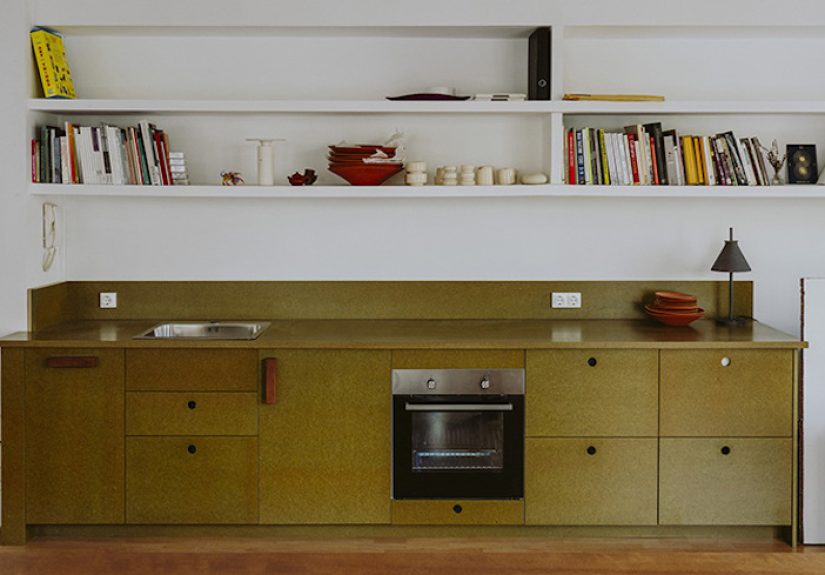
This is why color-drenched rooms, narrative maximalism, and warm, collected interiors are everywhere. Cool grays and generic white boxes no longer feel aspirational to a lot of people. What feels fresh now is a room with some mood. Deep aubergine in the kitchen. A striped chair next to antique brass lighting. Handmade ceramics that look slightly imperfect in the best possible way. The room says, “A person lives here,” which is apparently revolutionary now.
The best part is that this obsession is flexible. You do not need a mansion, a designer budget, or a forklift for imported marble. Personality-first design thrives on contrast and creativity. It welcomes thrifted finds, inherited furniture, playful dishware, and offbeat combinations. It makes room for whimsy without becoming childish, and elegance without becoming uptight. That balance is exactly why it feels modern.
Small details are doing big emotional work
People are also falling hard for details that would have seemed too fussy just a few years ago. Decorative trim. Patterned wallpaper. Curved furniture. Vintage textiles. Old-world flourishes. Even quirky tableware is getting star treatment. These are not just decorative add-ons. They create emotional texture. They make a room feel layered, lived in, and a little more memorable.
That is the fresh perspective: design is no longer only about visual cleanliness. It is about emotional resonance. If a room can make you exhale, smile, or stay for another cup of coffee, it is doing its job.
Obsession No. 2: Comfort Became Cool
The cozy corner has gone mainstream
Comfort is having a very stylish era. Cozy reading nooks, cocoon-like bedrooms, plush seating, softer lines, and touchable materials are not niche anymore. They are central. The new luxury is not just something rare or expensive. It is something that makes daily life feel gentler.
This is why people are obsessed with corners that invite them to slow down. A bench by the window. A small lamp with warm light. A stack of books that may or may not be read immediately but definitely improve the mood. These details are low drama and high reward. They turn underused space into a private retreat, which feels especially relevant in a world that asks for everyone’s attention all the time.
Even bedrooms are becoming more expressive and more comforting at once. Layered bedding, mixed textiles, softer palettes, and seating areas are being used to make sleeping spaces feel like sanctuaries rather than afterthoughts. The point is no longer just to make a room look finished. The point is to make it feel restorative.
Wellness is becoming invisible
Another major obsession is what could be called quiet wellness. Not the flashy kind that screams, “I own a cold plunge and I would like you to know it.” The newer version is more integrated. Better lighting. Gentler color palettes. Natural materials. Cleaner air. Scent rituals. Acoustic softness. Spaces that support sleep, focus, and calm without looking like wellness showrooms.
That shift is important because it reframes well-being as something woven into daily life rather than bolted on as an expensive extra. A warmer bulb in the evening. A home layout that lets natural light do more work. Less sensory overload. More tactile surfaces. More wood, linen, clay, and stone. It is not dramatic, but it is deeply effective.
In fresh-perspective terms, this obsession says that health does not always have to look futuristic. Sometimes it looks like better curtains, a quieter bedroom, and a candle that makes your apartment smell like you have your life together.
Obsession No. 3: Nostalgia, But Make It Smarter
Looking back without moving backward
Nostalgia is still everywhere, but it has matured. Today’s version is less about copying the past and more about remixing it. That is why Y2K bedrooms, neo-deco glamour, modern heritage rooms, and whimsical tabletop trends all feel relevant at once. The common thread is emotional familiarity with a sharper point of view.
People are not interested in living inside a museum exhibit of their childhood. They are interested in borrowing the parts that still spark joy and combining them with better taste, better materials, and better self-awareness. A framed concert poster from 2004 can live happily next to a sleek lamp. A cabbage-shaped serving platter can somehow look chic if the rest of the table feels grounded. A Deco-inspired mirror in a modern hallway suddenly feels less costume and more conversation piece.
This obsession works because it offers comfort without stagnation. It lets people revisit older aesthetics while keeping them edited and intentional. That is what makes nostalgia feel fresh instead of dusty.
The new mood is playful sophistication
There is also a certain wink to many of today’s obsessions. Things do not have to be solemn to be stylish. In fact, a little weirdness is part of the appeal. Playful dishware, eccentric florals, bold trims, fringe details, quirky accessories, and vintage-inspired shapes are all getting a second life because they make everyday routines feel less generic.
That playful edge is especially important in a time when so much visual culture feels over-optimized. A strange little object on a shelf, a joyful print on a pillow, or a lipstick shade that looks almost too fun to wear can be the exact thing that makes a person or a room feel alive again.
Obsession No. 4: Rituals Are the New Status Symbols
The little things are suddenly the big things
One of the most interesting fresh perspectives in current obsessions is how many of them are tied to ritual. Coffee stations. Nonalcoholic home bars. Signature fragrances. Better glassware. Intentional hosting. Beautiful corners for reading, writing, or doing absolutely nothing productive for 20 blessed minutes.
These are not just habits. They are identity markers. They say, “This is how I move through the day.” And unlike status symbols built around flashy consumption, these rituals feel more intimate and more sustainable. They prioritize the experience over the spectacle.
A thoughtfully arranged coffee setup is a perfect example. It turns a rushed caffeine grab into a tiny daily ceremony. The same goes for a home bar stocked with alcohol-free aperitifs, citrus, syrups, and good glassware. It is less about copying a traditional bar cart and more about creating a welcoming ritual that matches how people actually want to gather now.
Micro-upgrades beat giant overhauls
Another reason these obsessions resonate is that many of them are achievable. People do not need a total reinvention. They want micro-renovations and low-lift upgrades that shift the mood fast. Painting a room. Swapping a lamp. Changing bedding. Styling a shelf. Adding one gorgeous chair where chaos used to live.
That is the genius of the current mood. It is aspirational without being ridiculous. It leaves space for budget realities while still delivering transformation. And frankly, that is refreshing.
Obsession No. 5: Beauty and Style Want Joy Again
Personal expression is back in the mirror
The same themes shaping homes are showing up in fashion and beauty. More color. More experimentation. More softness with edge. People are craving looks that feel expressive rather than overly disciplined. That is why colorful makeup, nostalgic references, fruity fragrances, playful nails, and statement accessories are all getting attention.
After a long stretch of ultra-minimal beauty trends, the mood is loosening up. There is more room for shimmer, unconventional color, and styling choices that do not apologize for being seen. Even when the look is subtle, it often includes something personal: a specific scent profile, a throwback hair reference, a high-waisted silhouette, or jewelry that feels customized rather than generic.
This does not mean elegance is over. It means elegance is broadening. A fresh perspective in beauty is not about following one approved formula. It is about choosing what feels good on your face, your body, your schedule, and your actual life. Revolutionary concept, honestly.
How to Use These Obsessions Without Becoming a Trend Casualty
The trick is not to adopt every obsession at once like you are speed-running a personality transplant. The smarter move is to notice the deeper lesson behind the trend. If bold color appeals to you, maybe the real need is energy. If reading nooks keep catching your eye, maybe what you want is softness and boundaries. If you are suddenly fascinated by scent layering, maybe you are craving atmosphere more than stuff.
Start there. Choose one shift that genuinely improves your everyday experience. Paint the hallway. Upgrade the lamp. Buy the mug you keep thinking about. Rearrange the furniture so conversation happens more easily. Build a tiny ritual around coffee, books, skincare, or hosting. Fresh perspectives do not require a dramatic personality reveal. They usually begin with one useful, beautiful decision repeated consistently.
The best obsessions are the ones that make life feel more like life. Not louder, not more expensive, not more performative. Just more yours.
Experiences That Capture the Mood of “Current Obsessions: Fresh Perspectives”
A friend of mine recently painted her tiny entryway a moody plum shade that would have terrified her five years ago. Before, the space was plain, forgettable, and mostly used for dropping bags with the elegance of a raccoon in a hurry. Afterward, it felt intentional. She added a vintage brass mirror, a narrow wooden shelf, and a ceramic bowl for keys. Suddenly the entryway was not a pass-through. It was a greeting. That is what so many current obsessions are really about: changing the emotional temperature of ordinary moments.
I have seen the same thing happen in smaller, almost laughably simple ways. Someone buys a better lamp and starts reading again because the corner finally feels inviting. Someone swaps an overloaded bar cart for a compact nonalcoholic setup with tonic, bitters, citrus, and nice glasses, and their friends start lingering longer after dinner. Someone replaces stiff white bedding with layered cotton, a patterned quilt, and a pillow that serves no practical purpose except looking charming, and suddenly bedtime stops feeling like a collapsed ending to the day and starts feeling like a ritual.
Even beauty has this shift. A person who spent years wearing the same safe makeup look tries a blurred berry lip or a wash of soft blue shadow and realizes the thrill is not in looking trendy. It is in feeling awake to their own reflection again. Another starts wearing a green, figgy fragrance instead of the usual sugary one and says it makes them feel less like they are performing femininity and more like they are choosing an atmosphere. That is such a useful distinction. Current obsessions are not only about appearance. They are about recognition.
There is also something deeply practical about these experiences. They do not require a total reinvention. Most of them start with a single permission slip: you are allowed to want more feeling from your space, your routine, your style, and your home life. You are allowed to choose charm over default settings. You are allowed to create a coffee station that feels a little dramatic, a reading nook that steals square footage from “more sensible” uses, or a dining table that looks ready for guests even on a random Tuesday.
That is why the phrase fresh perspectives fits so well. These obsessions are not truly new in the historical sense. People have always loved color, texture, ritual, beauty, and comfort. What is new is the permission to combine them without apologizing. To have taste without stiffness. To have nostalgia without regression. To have wellness without turning your house into a laboratory. To have style without treating joy like a guilty pleasure.
And maybe that is the biggest experience tied to this topic: the feeling of returning to yourself through small, visible choices. Not by chasing every passing thing, but by noticing which obsessions actually improve the texture of your day. The room gets warmer. The lighting gets kinder. The lipstick gets bolder. The coffee gets slower. The home feels more personal. The routine feels less borrowed. And all at once, life does not look trendier. It looks more inhabited.
Conclusion
Current obsessions are no longer just about what is hot. They are about what feels human, useful, expressive, and a little bit magical in everyday life. The fresh perspective is this: people are not simply decorating, dressing, or upgrading for appearance. They are shaping experiences. They are building rooms that comfort them, routines that ground them, and styles that reflect them. And that is a much better obsession than perfection ever was.
Note: SEO tags are included below in JSON format for publishing convenience.