Table of Contents >> Show >> Hide
- What Happened in the Nationwide Deli Meat Recall?
- Why Listeria Is More Serious Than Ordinary Food Poisoning
- Common Symptoms of Listeria Infection
- Why Deli Meats Are a Known Listeria Risk
- Which Products Were Included in the Recall?
- What Consumers Should Do After a Deli Meat Recall
- How to Reduce Listeria Risk at Home
- What Businesses Should Learn From the Outbreak
- Why Recalls Feel Confusing to Shoppers
- The Bigger Food Safety Lesson
- Specific Example: A Safer Sandwich Routine
- Experience Section: What This Recall Teaches Everyday Families
- Conclusion
- SEO Tags
A deli sandwich should not feel like a high-stakes science experiment. Yet the nationwide deli meat recall tied to a Listeria outbreak reminded American shoppers that ready-to-eat foods are convenient, delicious, and occasionally in need of serious scrutiny. The outbreak connected to deli-sliced meats, including Boar’s Head liverwurst and other ready-to-eat products made at a Jarratt, Virginia facility, became one of the most closely watched food safety stories in recent years.
The Centers for Disease Control and Prevention eventually marked the outbreak as over, but the final numbers were sobering: 61 reported cases, 60 hospitalizations, and 10 deaths across 19 states. That is not a minor kitchen mishap. That is a national warning label with extra bold font.
This article breaks down what happened, why Listeria is so dangerous, what consumers should do after a deli meat recall, and how families can build smarter food safety habits without turning lunch into a full-time job.
What Happened in the Nationwide Deli Meat Recall?
The outbreak was linked to meats sliced at deli counters, with investigators identifying Boar’s Head brand liverwurst as one of the contaminated products. The recall began in July 2024 and expanded quickly after testing and traceback work connected the outbreak strain of Listeria monocytogenes to products made at the company’s Jarratt, Virginia facility.
The recall eventually covered more than 7 million pounds of ready-to-eat meat and poultry products. The affected products included items sold under the Boar’s Head and Old Country brand names, including liverwurst, ham, bologna, salami, bacon products, and other deli meats intended for slicing at retail deli counters. Some packaged meat and poultry products sold at stores were also included.
For shoppers, the tricky part was that many recalled deli meats looked perfectly normal. Listeria does not send a polite postcard before causing trouble. Contaminated food may not smell bad, look spoiled, or taste strange. That is why recall alerts matter: they give consumers information their eyes and noses cannot.
Why Listeria Is More Serious Than Ordinary Food Poisoning
Listeria is not the average “I regret that gas-station sushi” stomach bug. It can cause listeriosis, a serious infection that may spread beyond the digestive system. While healthy adults may experience mild symptoms or no symptoms at all, Listeria can be life-threatening for certain groups.
The highest-risk groups include pregnant people, newborns, adults age 65 and older, and people with weakened immune systems. For pregnant people, listeriosis may cause miscarriage, stillbirth, premature delivery, or serious infection in newborns. For older adults and immunocompromised people, the infection can lead to bloodstream infections, meningitis, hospitalization, and death.
One of the most frustrating things about Listeria is its timeline. Symptoms often begin within two weeks after eating contaminated food, but they can appear as soon as the same day or as late as 10 weeks later. That long window makes outbreak investigations more difficult because people may not remember exactly what they ate weeks earlier. Most of us can barely remember where we put our keys this morning.
Common Symptoms of Listeria Infection
Listeria symptoms can vary depending on the person and whether the infection remains mild or becomes invasive. Mild illness may include fever, muscle aches, nausea, vomiting, or diarrhea. In more serious cases, symptoms may include headache, stiff neck, confusion, loss of balance, and convulsions.
Pregnant people may experience only mild flu-like symptoms, such as fever, fatigue, and muscle aches, even when the infection poses a serious risk to the pregnancy. That is why people in high-risk groups should contact a healthcare provider if they develop symptoms after eating recalled deli meat or other foods associated with Listeria.
Why Deli Meats Are a Known Listeria Risk
Deli meat is convenient because it is usually ready to eat. That same convenience creates a food safety challenge. Ready-to-eat products are often eaten without another cooking step, which means any contamination that happens after processing can go straight from package to plate.
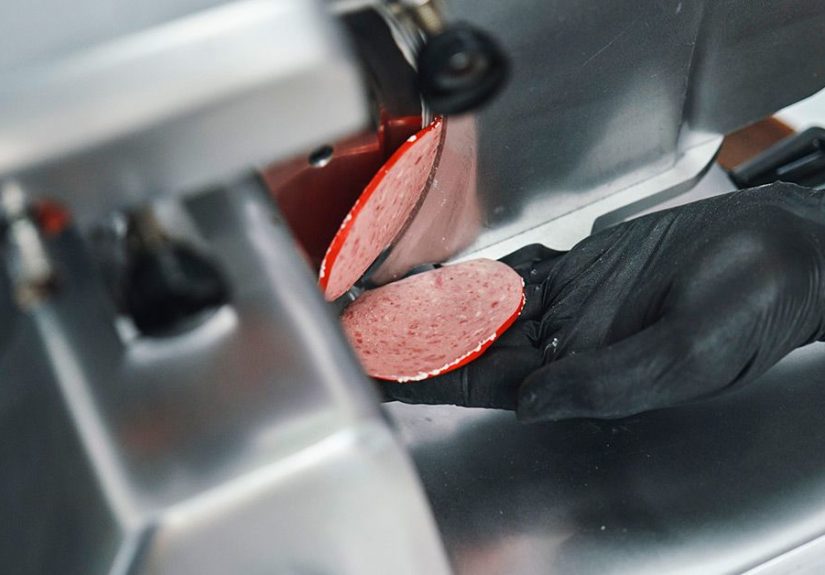
Listeria can survive and grow at refrigerator temperatures. It can also persist on surfaces, slicers, counters, drains, and equipment in food production facilities or retail deli areas. When deli meats are sliced on shared equipment, cross-contamination can occur if strict cleaning and sanitation steps are not followed.
This does not mean every turkey sandwich is a villain in disguise. It does mean deli departments and food manufacturers must treat sanitation like the main character, not the intern. Clean equipment, temperature control, testing programs, employee training, and rapid recall systems all matter.
Which Products Were Included in the Recall?
The expanded recall included 71 products produced between May 10, 2024, and July 29, 2024, at the Jarratt facility. Products were distributed nationwide and included both meats intended for slicing at retail delis and some packaged items sold directly to consumers.
Many affected products carried establishment numbers such as “EST. 12612” or “P-12612” inside the USDA mark of inspection. These details are important because recall notices often identify products by establishment number, production date, sell-by date, lot code, package size, or brand name.
If there is one golden rule during a food recall, it is this: do not rely on memory. Check the label. Check the date. Check the recall notice. And if the product was sliced at a deli and repackaged without the original label, contact the store where it was purchased.
What Consumers Should Do After a Deli Meat Recall
1. Do Not Eat Recalled Products
If a deli meat product is included in a recall, do not taste it “just to check.” That is not bravery; that is giving bacteria a backstage pass. Recalled products should be thrown away safely or returned to the store, depending on the instructions in the recall notice.
2. Check the Refrigerator Carefully
Deli meats can hide in refrigerator drawers, lunch containers, wrapped deli paper, and the “I’ll eat this later” zone behind the pickles. Look for any recalled products, especially meats purchased from deli counters during the recall window.
3. Clean Surfaces That May Have Touched the Meat
Listeria can spread from contaminated food to refrigerator shelves, containers, cutting boards, countertops, knives, and hands. Clean surfaces with hot, soapy water, then sanitize where appropriate. Pay special attention to drawers and containers that held deli meat.
4. Watch for Symptoms
Anyone who ate recalled deli meat should monitor for symptoms. People at higher risk should be especially cautious and should contact a healthcare provider if they develop fever, muscle aches, fatigue, headache, stiff neck, confusion, balance problems, or gastrointestinal symptoms.
5. Heat Deli Meat Before Eating If You Are High Risk
Pregnant people, adults 65 and older, and people with weakened immune systems are generally advised to avoid deli meats unless they are reheated to an internal temperature of 165°F or until steaming hot. The sandwich may lose a little chill, but it gains a lot of safety.
How to Reduce Listeria Risk at Home
Food safety does not require a laboratory coat, but it does require consistency. Keep your refrigerator at 40°F or below and your freezer at 0°F or below. A refrigerator thermometer is inexpensive and useful, especially because built-in fridge dials can be vague. “Colder-ish” is not a temperature.
Use opened packages of lunch meat within three to five days. Store deli meats away from raw meat, poultry, and seafood. Wash hands before and after handling ready-to-eat foods. Clean spills immediately, especially meat juices or liquids from packages.
For households with someone at higher risk, consider safer lunch options such as freshly cooked chicken, tuna from a sealed can, hard cheeses made with pasteurized milk, egg salad made at home, nut butter, hummus, or deli meat that has been reheated until steaming hot and then cooled slightly before eating.
What Businesses Should Learn From the Outbreak
The deli meat recall was not just a consumer issue. It was also a wake-up call for food producers, grocery stores, delis, and regulators. Ready-to-eat foods demand a strict food safety culture from production to slicing to storage.
Businesses should maintain written Listeria control programs, test food-contact and non-food-contact surfaces, train employees on sanitation, separate raw and ready-to-eat production areas, maintain clean drains and floors, and respond quickly to any positive environmental tests. A single missed cleaning step may not seem dramatic, but Listeria loves small opportunities.
Retail delis also play a major role. Slicers, counters, gloves, storage bins, and scales can become cross-contamination points. Cleaning must happen regularly and thoroughly, not just when the slicer looks like it has been through a ham snowstorm.
Why Recalls Feel Confusing to Shoppers
Food recalls can be hard to follow because one recall may expand several times. A company may first recall a narrow group of products, then add more products after testing, traceback investigations, or regulatory review. That is exactly why shoppers should look for the most recent recall update rather than relying on the first headline they saw.
Another challenge is that deli counter products are often repackaged by stores. Consumers may not have the original manufacturer label once the meat has been sliced, wrapped, and priced by the deli department. In that case, the safest move is to contact the store, explain when and what you purchased, and ask whether it may have been affected.
When in doubt, throw it out. Yes, food waste is annoying. But compared with a Listeria infection, losing a few slices of ham is a bargain.
The Bigger Food Safety Lesson
The nationwide deli meat recall shows how connected the American food system is. A product made in one facility can reach stores across the country. That scale is efficient, but it also means one contamination problem can become a multi-state outbreak.
The solution is not panic. It is better systems. Stronger sanitation, faster testing, transparent reporting, clear consumer communication, and better retail deli practices can all reduce risk. Consumers also have power: reading recall alerts, storing food correctly, reheating high-risk foods, and asking questions at the deli counter are small actions that matter.
Food safety is a shared responsibility. Manufacturers must produce safe food. Retailers must handle it safely. Regulators must enforce standards. Consumers must respond to recall warnings. Everyone gets a role, and unfortunately, no one gets popcorn.
Specific Example: A Safer Sandwich Routine
Imagine a household where one person is pregnant and another is over 70. Before the outbreak, lunch might have been a cold turkey sandwich straight from the deli drawer. After learning about Listeria risk, that family can make a few simple changes.
They buy smaller amounts of deli meat so it is used within a few days. They store it in a clean, sealed container. They keep the refrigerator below 40°F. Before serving, they heat the turkey until steaming hot, then let it cool slightly before assembling the sandwich. They clean the plate and utensils used for heating, and they avoid keeping old deli meat “just in case.”
That routine is not dramatic. It does not require fear, expensive gadgets, or a laminated kitchen constitution. It simply adds smart barriers between a high-risk person and a bacteria that can cause serious illness.
Experience Section: What This Recall Teaches Everyday Families
The most practical experience from a deli meat recall is that food safety becomes real when it touches ordinary habits. Deli meat is not exotic. It is lunchbox food. It is road-trip food. It is the quick protein people grab when they do not want to cook. That familiarity is exactly why recalls feel unsettling. Nobody expects danger to be hiding between two slices of bread and a heroic smear of mustard.
One useful lesson is to treat the refrigerator like an active food safety tool, not just a cold cabinet. Many families keep deli meat in the same drawer as cheese sticks, opened bacon, leftovers, and mystery foil packets from last Tuesday. During a recall, that drawer becomes the first place to inspect and clean. Remove the products, check dates and labels, wipe the drawer with hot, soapy water, rinse, dry, and sanitize if needed. Then wash your hands. It sounds basic, but basic steps are often the ones that prevent problems.
Another real-world lesson is to buy deli meat in realistic amounts. The “family pack” may look like a good deal, but if half of it sits around for a week, the bargain becomes questionable. Smaller purchases turn over faster and reduce the chance that older ready-to-eat food will linger in the fridge. For busy households, labeling containers with the purchase date can help. A simple piece of tape that says “turkey, Monday” is not glamorous, but neither is food poisoning.
For caregivers, the recall offers an important reminder: risk is not the same for everyone. A healthy teenager may eat a cold sandwich with no issue, while a pregnant person, an older adult, or someone on immune-suppressing medication faces much greater danger from the same food. That means household food rules should be built around the most vulnerable person at the table. If Grandma is visiting or someone is pregnant, reheating deli meat until steaming hot is a smart, respectful step.
Parents can also use recalls as teachable moments without creating fear. Kids can learn to wash hands, keep lunch bags cold, avoid eating food that smells odd, and tell an adult when they hear about a recall at school or online. The goal is not to make children suspicious of every sandwich. The goal is to make safe habits feel normal.
Finally, the recall shows why trust matters. Consumers expect brands, stores, and regulators to act quickly and honestly. When a recall happens, clear communication helps people protect themselves. Confusing labels, delayed updates, or vague instructions make everything harder. The best food safety systems are not only clean; they are transparent. A good recall message should tell people what product is affected, where it was sold, what dates or codes to check, what symptoms to watch for, and what to do next.
In the end, the experience is not “never eat deli meat again.” It is “respect ready-to-eat foods.” Keep them cold. Use them quickly. Reheat them when risk is higher. Clean what they touch. Follow recall notices. Lunch can still be easy, tasty, and safeas long as convenience does not outrank common sense.
Conclusion
The deli meat recalled nationwide due to the Listeria outbreak was a serious reminder that ready-to-eat foods need careful handling from factory to fridge. The outbreak linked to deli-sliced meats caused severe illness, hospitalizations, and deaths, especially among people at higher risk. While the outbreak was declared over, the lessons remain highly relevant.
Consumers should check recall notices, discard or return affected products, clean refrigerators and surfaces, and watch for symptoms after possible exposure. Pregnant people, adults 65 and older, and people with weakened immune systems should avoid cold deli meats unless they are heated to 165°F or steaming hot. Businesses, meanwhile, must keep sanitation, testing, training, and transparent communication at the center of their food safety programs.
A sandwich should be simple. Food safety is what keeps it that way.