Table of Contents >> Show >> Hide
- What Counts as Processed Red Meat?
- The Study Behind the 14% Dementia Risk Headline
- Does Processed Red Meat Cause Dementia?
- Why Might Processed Red Meat Affect Brain Health?
- Better Protein Swaps for Brain Health
- The Brain-Friendly Eating Pattern: Think MIND and Mediterranean
- Dementia Risk Is Bigger Than One Food
- How Much Processed Red Meat Is Too Much?
- Smart Grocery Tips for Cutting Back
- Practical 7-Day Cutback Plan
- Experiences Related to Dementia and Processed Red Meat Risk
- Conclusion: Should You Break Up With Bacon?
There are few breakfast smells as persuasive as bacon in a skillet. It can make sleepy people appear in the kitchen like cartoon characters floating toward a pie on a windowsill. But new research suggests that processed red meat may not be doing our brains any favors. A major long-term study linked higher intake of processed red meatthink bacon, hot dogs, sausage, salami, bologna, and many deli meatswith a higher risk of dementia and cognitive decline.
The headline number is attention-grabbing: eating more processed red meat was associated with about a 14% higher risk of subjective cognitive decline, and the published dementia-risk estimate was close behind at 13%. In plain English, people who ate more processed red meat were more likely to develop memory and thinking problems than people who ate very little. That does not mean one hot dog will erase your Wi-Fi password from memory forever. It does mean that repeated food choices, made over years, may add up in ways the brain notices.
This article breaks down what the research found, why processed red meat may affect brain health, what foods make smarter swaps, and how to reduce risk without turning dinner into a joyless spreadsheet.
What Counts as Processed Red Meat?
Processed red meat is meat that has been preserved, flavored, or changed through methods such as smoking, curing, salting, fermenting, or adding chemical preservatives. Common examples include bacon, hot dogs, sausage, pepperoni, salami, bologna, ham, corned beef, and many packaged lunch meats.
Red meat itself usually includes beef, pork, lamb, veal, and similar meats. The “processed” part matters because these foods often contain higher levels of sodium, saturated fat, nitrites, nitrates, and other compounds that may influence inflammation, blood vessel health, metabolism, and possibly brain aging.
Unprocessed red meat, such as a steak, pork chop, or hamburger made from fresh ground beef, was not linked to dementia risk in the same way in the recent study. However, that does not give anyone a free pass to build a house out of ribeye. Heart health, cancer risk, diabetes risk, and overall dietary pattern still matter.
The Study Behind the 14% Dementia Risk Headline
The research followed more than 133,000 adults for up to 43 years. Participants regularly reported what they ate, and researchers tracked dementia diagnoses, memory complaints, and cognitive test results over time. The participants were generally middle-aged at the start and did not have dementia when the study began.
Researchers divided processed red meat intake into groups. People in the higher-intake group ate at least 0.25 servings of processed red meat per day. That sounds tiny, but it adds up to roughly two servings per week. A serving was considered about three ounces of red meat, or around the size of a deck of cards. In practical terms, the higher-intake level could look like a hot dog, a few slices of bacon, or a modest amount of bologna across the week.
Compared with people who ate very little processed red meatless than 0.10 servings per day, or around three servings per monthhigher consumers had a higher risk of dementia and cognitive decline. The study also found that higher processed red meat intake was associated with faster cognitive aging in areas such as global cognition and verbal memory.
Does Processed Red Meat Cause Dementia?
Not necessarily. This was an observational study, which means it can show an association but cannot prove direct cause and effect. Researchers adjusted for many factors, including age, sex, lifestyle, and health history, but no study can perfectly capture every possible influence. People who eat more processed meat may also differ in exercise habits, sleep, income, medical care, vegetable intake, or other behaviors that affect dementia risk.
Still, the finding fits into a larger pattern. Processed red meat has already been linked in many studies to cardiovascular disease, type 2 diabetes, colorectal cancer, and earlier mortality. Those conditions are not separate from brain health. The brain is an energy-hungry organ that depends on healthy blood vessels, steady blood sugar, controlled blood pressure, and low chronic inflammation. When the body’s “plumbing and power supply” struggle, the brain does not exactly send a thank-you card.
Why Might Processed Red Meat Affect Brain Health?
1. Saturated Fat and Blood Vessel Health
Many processed meats are high in saturated fat. Diets high in saturated fat can raise LDL cholesterol, often called “bad” cholesterol. Over time, poor cholesterol patterns may contribute to plaque buildup in blood vessels. Since the brain relies on a constant supply of oxygen-rich blood, vascular health is central to memory and thinking.
Cardiovascular problems are strongly connected with cognitive decline. High blood pressure, diabetes, obesity, and stroke risk all overlap with dementia risk. In short, what is good for the heart is usually good for the brain. Your arteries do not care whether a food is trendy; they care what it does over decades.
2. Sodium and Blood Pressure
Processed meats are often salty because sodium helps preserve flavor and shelf life. Too much sodium can raise blood pressure in many people. High blood pressure can damage blood vessels, reduce blood flow to the brain, and increase the risk of stroke. Even small strokes or long-term vascular damage can contribute to problems with memory, attention, and processing speed.
This is one reason a sandwich stacked with processed deli meat can be sneakier than it looks. It may seem like a quick lunch, but depending on the portion, it can pack a sodium punch before the chips even enter the room.
3. Nitrites, Nitrates, and Processing Byproducts
Some processed meats contain nitrites or nitrates used for curing and preservation. These compounds can form other substances in the body or during high-heat cooking. Researchers are still studying how these pathways may affect inflammation, oxidative stress, the gut microbiome, and long-term disease risk.
The brain is especially sensitive to oxidative stress because it uses a lot of oxygen and contains delicate fatty tissues. A diet that repeatedly promotes inflammation may contribute to an internal environment that is less friendly to healthy aging.
4. Gut-Brain Connections
The gut and brain communicate constantly through immune signals, hormones, nerves, and microbial metabolites. Diet influences the gut microbiome, and the microbiome may influence inflammation and metabolism. Some researchers are exploring whether compounds produced during digestion of red meat, including metabolites such as TMAO, could play a role in cardiovascular and cognitive risk.
This area of science is still developing, so it is too early to blame one molecule for everything. Still, the big picture is clear: a high-fiber, plant-forward diet tends to support a more diverse gut microbiome, while diets heavy in processed foods may do the opposite.
Better Protein Swaps for Brain Health
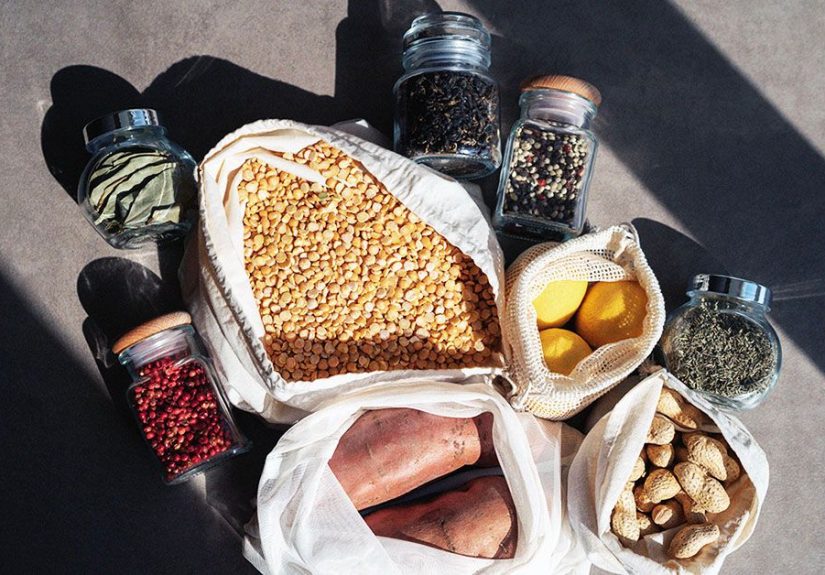
The most encouraging part of the research is not “never enjoy bacon again or else.” It is that substitutions may matter. Replacing processed red meat with nuts, legumes, fish, poultry, or other healthier proteins was associated with lower dementia risk in the study.
Here are practical swaps that do not require a culinary degree or a personality transplant:
- Instead of bacon at breakfast: Try eggs with spinach, avocado toast, Greek yogurt with nuts, or oatmeal with peanut butter.
- Instead of a deli-meat sandwich: Try tuna salad, hummus and vegetables, grilled chicken, roasted turkey breast, or a bean spread.
- Instead of sausage in pasta: Try lentils, mushrooms, white beans, chicken, or salmon.
- Instead of hot dogs at a cookout: Try grilled fish, veggie skewers, turkey burgers, bean burgers, or chicken kebabs.
- Instead of pepperoni pizza every time: Try vegetables, mushrooms, grilled chicken, or a half-and-half approach.
Small changes are easier to repeat, and repeated changes are where health benefits usually live. A person who swaps processed meat twice a week for beans, fish, or nuts may make a bigger long-term impact than someone who declares a dramatic “new life” on Monday and returns to bacon-wrapped everything by Thursday.
The Brain-Friendly Eating Pattern: Think MIND and Mediterranean
No single food can guarantee protection from dementia. Brain health is built through patterns. Two eating styles often discussed in cognitive-health research are the Mediterranean diet and the MIND diet, which combines Mediterranean and DASH diet principles.
These diets emphasize vegetables, leafy greens, berries, beans, lentils, whole grains, nuts, olive oil, fish, and poultry. They limit red meat, processed meats, butter, fried foods, sweets, and highly processed snacks. The point is not perfection. The point is moving your usual meals toward foods that bring fiber, healthy fats, antioxidants, minerals, and steady energy.
For example, a brain-friendly day might include oatmeal with walnuts and blueberries for breakfast, a lentil soup and salad for lunch, and salmon with roasted vegetables and brown rice for dinner. That is not punishment. That is food your grandmother, cardiologist, and future brain cells could probably agree on.
Dementia Risk Is Bigger Than One Food
Processed red meat is only one piece of the dementia-risk puzzle. Age, genetics, family history, hearing loss, blood pressure, diabetes, sleep, depression, smoking, alcohol use, social connection, and physical activity all matter. Some risk factors cannot be changed, but many can be improved.
Public health experts often emphasize that regular physical activity, blood pressure control, diabetes prevention or management, hearing care, not smoking, moderate alcohol intake, and healthy eating can all support brain health. That means a person does not have to fix everything at once. The brain appreciates progress, even if your pantry needs a few rounds of negotiations.
How Much Processed Red Meat Is Too Much?
There is no universally agreed “safe” amount of processed meat for dementia prevention. Cancer-prevention organizations often recommend eating little, if any, processed meat. Heart-health guidance encourages limiting saturated fat and choosing more plant proteins, fish, and lean poultry. The dementia study suggests that even a couple of weekly servings may be associated with measurable differences in long-term risk.
A reasonable goal for many people is to treat processed red meat as an occasional food rather than a daily staple. If you currently eat it every day, start by cutting back to a few times per week. If you eat it a few times per week, try making it once weekly or less. If you already rarely eat it, congratulationsyour sandwich has probably seen a vegetable before.
Smart Grocery Tips for Cutting Back
The easiest time to make a healthy decision is before hunger takes over. When the fridge contains quick protein options, processed meat becomes less tempting. Stock items such as canned beans, lentils, eggs, plain Greek yogurt, canned tuna or salmon, tofu, rotisserie chicken, unsalted nuts, and frozen fish. Keep whole-grain bread, prewashed greens, tomatoes, hummus, and avocado nearby for fast lunches.
Read labels carefully. “Natural,” “uncured,” or “no added nitrates” does not automatically make a processed meat brain-friendly. Many products are still high in sodium and saturated fat. Also watch portion sizes. A few slices can turn into a mountain quickly, especially when the sandwich is built with the ambition of a construction crew.
Practical 7-Day Cutback Plan
Here is a simple, realistic plan for reducing processed red meat without making meals boring:
- Monday: Replace breakfast bacon with oatmeal, walnuts, and berries.
- Tuesday: Swap deli meat for hummus, cucumber, tomato, and grilled chicken in a wrap.
- Wednesday: Make bean chili instead of sausage chili.
- Thursday: Add salmon, tuna, or sardines to dinner for omega-3-rich protein.
- Friday: Choose a vegetable pizza or chicken-and-mushroom pizza instead of pepperoni.
- Saturday: Grill chicken skewers, fish, or veggie burgers instead of hot dogs.
- Sunday: Prep lentil salad, roasted turkey breast, or chickpea spread for the week.
By the end of the week, you have not joined a monastery. You have simply made processed red meat less central and given your brain a better supporting cast.
Experiences Related to Dementia and Processed Red Meat Risk
In real life, changing food habits rarely happens because someone reads one study and immediately reorganizes the refrigerator alphabetically. It usually begins with a small moment: a parent forgets a familiar name, a grandparent starts repeating the same question, or a routine doctor visit turns into a conversation about blood pressure, cholesterol, and family history. Suddenly, brain health feels less abstract. It is no longer something that belongs only in medical journals. It is sitting at the kitchen table, asking what is for lunch.
Many people who decide to cut back on processed red meat describe the first challenge as convenience. Bacon is easy. Deli meat is easy. Hot dogs are easy. These foods are designed to be quick, salty, familiar, and satisfying. They solve the “I am hungry and do not want to think” problem very efficiently. The trick is not relying on willpower alone. It is replacing one convenience with another. A container of chickpea salad, a pouch of tuna, boiled eggs, leftover grilled chicken, or hummus with whole-grain pita can be just as fast when it is ready before hunger starts shouting.
Another common experience is family resistance. Someone announces, “We are eating less processed meat,” and another person reacts as though dinner has been personally attacked. This is where gradual change works better than dramatic speeches. Instead of banning bacon, use it as a garnish. Instead of removing sausage from a pasta dish overnight, cut the amount in half and add mushrooms, lentils, or white beans. Instead of serving hot dogs every weekend, rotate in grilled chicken, salmon burgers, or bean chili. The goal is not to win a food argument. The goal is to make the healthier choice normal enough that nobody files a complaint with the household snack committee.
People also notice that taste buds adjust. At first, lower-sodium and less-processed meals may seem less exciting. After a few weeks, the flavor of herbs, garlic, citrus, roasted vegetables, olive oil, beans, nuts, and spices becomes more noticeable. Many processed meats are loud foods; they enter the room wearing a marching band uniform. Whole foods are quieter, but they can be deeply satisfying once the palate gets used to them.
Caregivers often find that brain-friendly eating has emotional value, too. When a loved one is already experiencing memory problems, meals can become one of the few daily routines that still feel comforting and shared. A bowl of vegetable soup, a piece of fish, a bean stew, or a colorful salad may not cure dementia, but preparing those meals can create structure, dignity, and connection. Food becomes more than nutrients. It becomes a way of saying, “I am still here with you.”
The most useful lesson from these experiences is that prevention is not a single heroic act. It is a pattern of ordinary choices repeated over time. Choosing beans over bacon once will not transform anyone’s future. But choosing better proteins most of the time, walking after dinner, managing blood pressure, getting hearing checked, sleeping well, and staying socially connected can create a lifestyle that supports the brain from several directions. That is the kind of boring magic that actually works.
Conclusion: Should You Break Up With Bacon?
You do not need to panic over every slice of bacon you have ever eaten. Dementia is complex, and no single food determines your future. But the evidence increasingly suggests that processed red meat should not be an everyday habit, especially for people who care about long-term brain health.
The smartest move is not fear. It is substitution. Eat more beans, lentils, nuts, fish, poultry, vegetables, whole grains, and fruit. Treat processed red meat as an occasional flavor, not the main character. Your brain may not send you a handwritten thank-you note, but years from now, it may be quietly grateful.