Table of Contents >> Show >> Hide
- Who Was Patrick Rylands?
- The Story Behind the Patrick Rylands Bath Toy
- Why the Design Still Feels Modern
- Patrick Rylands Bath Toy and Open-Ended Play
- Collectibility and Design Value
- Safety, Cleaning, and Practical Bath-Time Care
- Why Parents Still Appreciate the Patrick Rylands Bath Toy
- Design Lessons From the Patrick Rylands Bath Toy
- Experience Section: Living With a Patrick Rylands Bath Toy
- Conclusion
The Patrick Rylands Bath Toy is the kind of object that makes you pause before tossing it into a tub full of bubbles. At first glance, it looks almost too simple: a smooth little bird or fish, a bright plastic body, a pair of tiny eyes, and no unnecessary drama. No flashing lights. No underwater disco mode. No app. No “requires four batteries and a parent with a tiny screwdriver.” Just form, balance, color, and play.
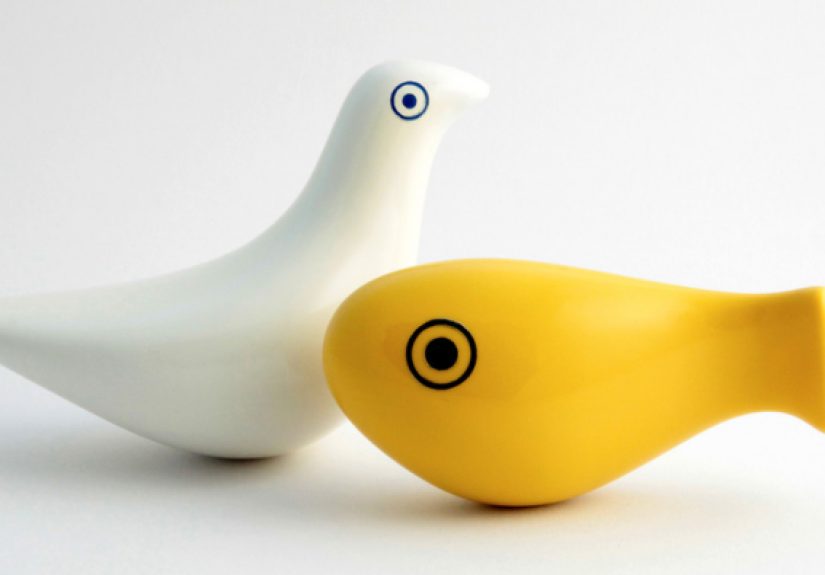
That simplicity is exactly why Patrick Rylands’s bath toys still matter. Designed in the late 1960s for Trendon Toys, the Bird and Fish bath toys became modern classics because they did what great toys often do: they respected children’s imagination. They floated. They bobbed. They stayed upright thanks to internal ballast. They felt good in small hands. And they proved that a bath toy could be both a child’s plaything and a miniature lesson in modern design.
In an age when many toys shout for attention, the Patrick Rylands Bath Toy whispers, “Go ahead. Make your own story.” For parents, collectors, designers, and anyone who has ever stepped barefoot on a rubber duck at 2 a.m., this toy offers a refreshing reminder: the best bath toys do not have to do everything. Sometimes they just need to float beautifully.
Who Was Patrick Rylands?
Patrick Rylands was a British toy designer known for elegant, child-centered objects that encouraged open-ended play. Born in Hull, England, he studied ceramics at the Royal College of Art in London and developed a design language rooted in clarity, tactile pleasure, and restraint. His famous PlayPlax construction toy, made of translucent interlocking plastic squares, became an icon of modern creative play.
Rylands did not design toys as noisy distractions. He designed them as invitations. His work often avoided excessive decoration, gendered styling, and complicated mechanisms. Instead, he focused on shape, movement, touch, and the child’s ability to invent meaning. That philosophy is easy to see in his bath toys. A fish is not just a fish. A bird is not just a bird. In a child’s hands, either one can become a submarine captain, a bathtub explorer, a royal sea creature, or a silent witness to a shampoo-related tragedy.
The Story Behind the Patrick Rylands Bath Toy
The best-known Patrick Rylands bath toys are the Bird Bath Toy and Fish Bath Toy, originally introduced around 1969 and associated with Trendon Toys. These pieces were part of a group of designs that helped Rylands win the Duke of Edinburgh’s Prize for Elegant Design in 1970, later known as the Prince Philip Designers Prize.
That award matters because it recognized a toy not as a disposable novelty, but as a serious design achievement. The judges praised Rylands’s toys for introducing children to ideas of form, color, structure, and balance. In plain English: these toys looked simple, but they were doing a lot of quiet educational work.
A Toy Built on Balance
One of the smartest features of the Patrick Rylands Bath Toy is hidden inside. The Bird and Fish bath toys use internal ballast, which helps them stay upright as they float and bob in the water. This gives the toy a pleasing, almost magical movement. Push it down, and it returns. Tip it sideways, and it corrects itself. It behaves like a tiny floating sculpture with excellent posture.
For a child, that movement is fascinating. For a designer, it is a masterclass in physical behavior. For a tired parent, it is a rare bath toy that does not immediately become a moldy squirt cannon or a plastic submarine full of mysterious black gunk.
Minimal Decoration, Maximum Personality
The Patrick Rylands Bath Toy uses only the bare minimum of decoration. Most notably, the toys have simple eyes and smooth, abstract bodies. There are no scales painted on the fish, no feathers painted on the bird, no cartoon eyebrows trying too hard to be relatable. The shape does the work.
This minimalist approach is one reason the toys appeal to adults as well as children. They are playful without being childish, sculptural without being precious, and practical without being boring. In other words, they are rare members of the toy kingdom: objects you can leave on a bathroom shelf without feeling like your home has been conquered by neon chaos.
Why the Design Still Feels Modern
More than five decades after its debut, the Patrick Rylands Bath Toy still feels surprisingly fresh. That is because it avoids the design traps that make many toys age badly. It does not rely on a cartoon license, a passing trend, or a gimmick that becomes outdated the moment the batteries corrode.
The toy’s appeal comes from fundamentals: color, shape, weight, motion, and touch. These are the same principles that guide good industrial design, good furniture, good architecture, and good tools. A well-designed toy should not need a manual the size of a sandwich. It should explain itself through use.
Shape That Invites Touch
The Bird and Fish bath toys are smooth and rounded, making them easy for little hands to grasp. This matters more than it may seem. Young children explore the world through touch. A toy’s surface, weight, and size influence how a child holds it, moves it, and incorporates it into play.
Many modern toys are overloaded with buttons, textures, lights, stickers, and sound chips. Rylands went in the opposite direction. He created a toy that feels complete because it is so carefully reduced. The result is not emptiness; it is openness.
Color That Works Hard
Patrick Rylands often used clear, bright colors in his toy designs. The bath toys are commonly associated with bold, cheerful tones such as yellow, red, orange, and white. These colors stand out against water, bubbles, tile, and towels. They are visually strong without being visually exhausting.
Good color in a bath toy is not just about looking cute. It helps a child track the object in water, recognize it easily, and form a connection with it. A bright floating fish becomes part of the bath routine. The child remembers it. The parent remembers where it went. Everyone wins, except possibly the towel, which is still on the floor.
Patrick Rylands Bath Toy and Open-Ended Play
One reason the Patrick Rylands Bath Toy has lasting value is that it supports open-ended play. Open-ended toys do not dictate a single correct use. They allow children to invent stories, test ideas, repeat actions, and create their own rules.
A fish bath toy can swim, hide under bubbles, rescue another toy, become a boat, or simply bob while a toddler learns what happens when water moves. A bird bath toy can float on a “lake,” dive into foam, or become part of a family of bathtub characters. The toy does not interrupt with a prerecorded voice saying, “Great job!” every nine seconds. It lets the child lead.
Why Simple Toys Help Children Learn
Simple toys can support problem-solving, fine motor skills, sensory exploration, and imaginative thinking. When a child pushes a floating toy under the water and watches it pop back up, they are experimenting with cause and effect. When they chase it across the tub, they practice hand-eye coordination. When they decide the fish is “going to school,” they are building narrative skills and language.
This is the genius of Rylands’s work. The toy does not look educational in the heavy-handed way some learning products do. It does not have letters printed all over it or announce that it is “STEM-approved” in giant packaging. Yet it still teaches through experience. It is physics in a bathtub, sculpture in a puddle, and storytelling in foam.
Collectibility and Design Value
Vintage Patrick Rylands bath toys have become interesting to collectors of design objects, not just toy collectors. Original Trendon versions, later Ambi-related pieces, and reissued designs can appear in vintage toy shops, design stores, museum shops, and online marketplaces. Their value often depends on condition, rarity, packaging, color, and provenance.
Collectors are drawn to these toys because they represent a specific moment in modern toy design. The late 1960s and early 1970s saw renewed interest in toys that encouraged creativity, simplicity, and hands-on engagement. Rylands’s work fits beautifully into that moment. His bath toys are small, but they carry big design ideas.
What to Look for When Buying One
If you are searching for a Patrick Rylands Bath Toy, look carefully at the listing details. Confirm whether it is a vintage original, a later reissue, or a modern reproduction. Check for cracks, discoloration, seam separation, missing eyes, or signs that water has entered the body. A bath toy may be charming, but if it has spent decades absorbing mystery moisture, it may be better suited to display than to actual bath time.
For collectors, packaging can add appeal. For families, safety and cleanability matter more. A vintage toy may be best admired on a shelf, while a newer version may be more appropriate for supervised play if it meets current safety expectations and is in good condition.
Safety, Cleaning, and Practical Bath-Time Care
Bath toys live a difficult life. They are soaked, chewed, dropped, sat on, launched, and occasionally blamed for splashing that was definitely caused by the child. Because bath toys spend time in warm, wet environments, they need regular cleaning and drying.
One practical advantage of many solid or well-sealed floating toys is that they avoid the biggest bath-toy problem: trapped water. Squeeze toys with holes can pull in dirty bath water and become mold hotels. If a bath toy cannot fully drain or dry, it can become unhygienic over time.
How to Keep Bath Toys Cleaner
After bath time, rinse toys with clean water and let them air dry thoroughly. Store them in a mesh bag, open basket, or well-ventilated area rather than a sealed container. If a toy has openings, squeeze out all water and inspect it regularly. If black residue appears inside and cannot be cleaned, it is time to retire the toy. Yes, even if the child insists it is “just the fish’s snack.”
For nonporous toys, cleaning with warm soapy water is a good routine step. Sanitizing may be appropriate when a child has been sick or when the toy has been heavily handled, but always follow manufacturer instructions. If using disinfecting products, rinse thoroughly and allow the toy to air dry completely before returning it to a child.
Why Parents Still Appreciate the Patrick Rylands Bath Toy
Parents often love toys that are durable, easy to understand, and not aggressively annoying. The Patrick Rylands Bath Toy checks those boxes with style. It does not sing. It does not blink. It does not require an update. It does not suddenly speak from the bottom of the toy bin at midnight.
It also fits naturally into bath routines. Some children resist baths; a familiar floating toy can help make the transition smoother. The toy becomes a friendly presence, something the child can anticipate. “Let’s see if the fish is ready for bath time” sounds much better than “Please stop running away while covered in yogurt.”
A Toy That Respects the Child
Rylands’s design respects the child by leaving room for imagination. It does not over-explain. It does not turn play into performance. It trusts children to notice, test, invent, repeat, and laugh. That may sound simple, but it is rare.
In many ways, the Patrick Rylands Bath Toy is the opposite of overdesigned childhood. It is calm, clear, and confident. It understands that a child does not need every toy to be a full entertainment system. Sometimes a floating bird is enough. Sometimes a yellow fish can carry the whole show.
Design Lessons From the Patrick Rylands Bath Toy
The Patrick Rylands Bath Toy offers several lessons for modern toy makers, parents, and designers.
1. Reduce Until the Toy Becomes Stronger
Minimalism is not about removing things randomly. It is about removing what is unnecessary until what remains becomes more powerful. Rylands removed details that did not serve play. The eyes stayed. The clean body stayed. The floating movement stayed. Everything else politely left the bathroom.
2. Let the Child Finish the Story
A great toy is not always the one with the most features. Often, it is the one that gives children enough structure to begin and enough freedom to continue. The Patrick Rylands Bath Toy suggests a character but does not define the entire plot.
3. Make Function Beautiful
The internal ballast is functional, but it also creates charm. The toy rights itself in the water, producing a movement children want to repeat. This is design doing double duty: solving a practical problem and creating delight at the same time.
4. Design for Hands, Not Just Eyes
Online shopping has made toys more image-driven than ever, but children experience toys physically. Rylands understood this. His bath toys are meant to be held, pushed, floated, and watched in motion. They are not just photogenic; they are playable.
Experience Section: Living With a Patrick Rylands Bath Toy
Using a Patrick Rylands Bath Toy is a different experience from using the average novelty bath toy. The difference is not loud at first. In fact, that is the point. You place the bird or fish in the water, and it simply floats. Then the quiet magic begins. It bobs upright, gently resisting chaos like a tiny plastic philosopher. A child taps it, and it glides away. They pull it back, push it under, release it, and watch it return. The toy creates a loop of curiosity without demanding attention.
In a real bath-time routine, that matters. Bath time can be a peaceful ritual or a wet hostage negotiation, depending on the child, the hour, and whether shampoo is involved. A toy like this can soften the mood. It gives the child something predictable and friendly. Unlike complicated bath toys with pumps, squirters, detachable parts, or musical buttons, the Patrick Rylands Bath Toy is low-friction. There is almost nothing to explain. The child understands it immediately: water, floating, movement, play.
One of the most enjoyable experiences is watching how different ages respond to it. A baby may simply track the bright shape as it moves through water. A toddler may grab it, name it, and include it in a dramatic bathtub adventure. A preschooler may create rules: the fish lives near the faucet, the bird guards the soap, and the washcloth is apparently a dangerous sea monster. None of this comes from the toy’s packaging. It comes from the child.
Parents may also appreciate the toy on a practical level. Its smooth shape feels easier to rinse than heavily textured toys. It does not create a pile of parts on the tub floor. It does not turn bath time into a cleanup puzzle. It is the rare children’s object that can sit near a sink and still look intentional. In a home already filled with plastic dinosaurs, building blocks, mismatched puzzle pieces, and one suspiciously sticky toy car, that visual calm is a gift.
There is also an emotional layer to the experience. A Patrick Rylands Bath Toy feels nostalgic even if you did not grow up with one. It recalls an older idea of childhood: fewer features, more imagination; fewer instructions, more discovery. It suggests that children do not always need toys that perform for them. They need objects that respond to them.
For collectors, the experience is quieter but equally satisfying. Holding one of these toys is like holding a small chapter of design history. The object is modest, but its proportions are thoughtful. The toy feels balanced because it was designed with care, not decorated into usefulness after the fact. It belongs in a bathtub, but it also belongs in a conversation about modern design.
That is the lasting charm of the Patrick Rylands Bath Toy. It works for children because it is fun. It works for adults because it is beautiful. It works for designers because it is disciplined. And it works for parents because it does not make noise, demand batteries, or require a troubleshooting guide. In the great ocean of bath toys, that is no small splash.
Conclusion
The Patrick Rylands Bath Toy remains a classic because it combines play, design, and usefulness with remarkable restraint. Its smooth form, bright color, internal ballast, and open-ended character show why Patrick Rylands is remembered as one of the great toy designers of the modern era. Whether you view it as a collectible, a design object, or a charming bath-time companion, it proves that simple toys can carry deep value.
In a market crowded with noisy, overcomplicated products, Rylands’s Bird and Fish bath toys still feel fresh. They remind us that children are not passive audiences. They are explorers, storytellers, testers, splash-makers, and tiny philosophers of water pressure. Give them a well-designed object, and they will do the rest.