Table of Contents >> Show >> Hide
- What Are Eames Wire Base Tables?
- Why the Design Still Feels Modern
- Materials, Construction, and Design Details
- How Eames Wire Base Tables Work in Real Homes
- Styling Tips Without Turning Your Home Into a Museum Gift Shop
- Authenticity, Buying Tips, and What to Watch For
- Are Eames Wire Base Tables Worth It?
- Experiences With Eames Wire Base Tables in Everyday Life
- Conclusion
- SEO Tags
If midcentury modern furniture had a cool older cousin who never tried too hard and still looked great in every room, it would be the Eames wire base table. Actually, tablesplural. The category includes the compact Low Table Rod Base, often called the LTR, and the dramatic Elliptical Table Rod Base, better known as the famous “surfboard” table. One is small enough to slide almost anywhere. The other stretches out with cinematic confidence. Together, they show exactly why Charles and Ray Eames remain design royalty: they could make furniture feel practical, playful, and just a little bit smarter than the rest of the room.
What makes Eames wire base tables so enduring is not just the silhouette. It is the thinking behind them. These tables are light without feeling flimsy, elegant without being fussy, and expressive without yelling for attention. They solve real problemstight spaces, awkward layouts, the need for a surface exactly where you need itwhile still looking like they belong in a museum, a design studio, or a very tidy living room with excellent coffee.
This guide takes a closer look at what Eames wire base tables are, why they still matter, how they fit into modern homes, and what to know before buying one. If you have ever looked at a small table and thought, “That’s nice, but can it also be iconic?” congratulations: you are in the right place.
What Are Eames Wire Base Tables?
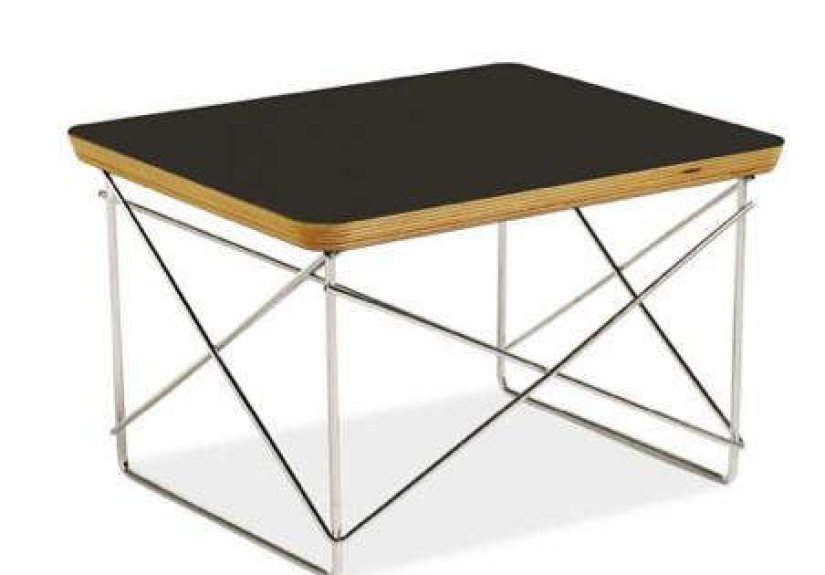
When people talk about Eames wire base tables, they are usually referring to two classics. The first is the Low Table Rod Base, or LTR, introduced in 1950. It is a compact, low occasional table with a top supported by a wire-rod base and cross-bracing. The second is the Elliptical Table Rod Base, or ETR, introduced in 1951. This longer coffee table uses a similar design language, but stretches the idea into a bold, low-profile centerpiece.
Both tables capture a signature Eames move: using industrial methods and honest materials to make furniture that feels light, efficient, and livable. Instead of hiding structure, the design celebrates it. The rod base is not decoration pretending to be engineering. It is engineering that happens to look fantastic.
The LTR: Small Table, Big Personality
The LTR is the smaller, more flexible member of the family. It is low to the ground, easy to move, and deceptively useful. This is the kind of table that can work as a side table next to a lounge chair, a nightstand in a compact bedroom, a plant stand by a sunny window, or even a cluster of tables used together as a larger coffee-table arrangement.
Its proportions are part of the magic. The LTR does not bully a room. It slips into it. Because it is low and visually open, it keeps spaces feeling airy instead of crowded. That matters in apartments, open-plan living rooms, reading corners, and any room where oversized furniture tends to behave like an uninvited guest.
The ETR: The “Surfboard” Table
The ETR takes the same wire-base logic and scales it into something more dramatic. It is long, lean, and low, with an elongated oval top that earned it the nickname “surfboard table.” That nickname stuck because, frankly, once you see it, your brain never un-sees it.
But the table is not just memorable because of its shape. Its length makes it especially effective in front of longer sofas, in conversation areas, or in rooms where you want a coffee table with presence but not visual heaviness. A chunky rectangular table can make a room feel boxed in. The ETR does the opposite. It stretches the eye and helps a seating area feel more open and connected.
Why the Design Still Feels Modern
Plenty of furniture gets old. Eames wire base tables somehow get more current. The reason is simple: the design principles behind them still align with the way people want rooms to feel today. Clean lines, functional flexibility, visible craftsmanship, and an uncluttered footprint are not passing trends. They are the design equivalent of good manners.
Midcentury modern design embraced new materials and manufacturing techniques while keeping forms simple and useful. Eames wire base tables reflect that approach beautifully. The metal rod base gives the tables a sculptural quality, but it also reduces visual bulk. The tops are straightforward and precise. The result is furniture that looks refined without becoming precious.
That balance is why these tables work in so many interiors. In a strict midcentury room, they feel right at home. In a minimalist space, they read as clean and intentional. In a more eclectic interior, they act as visual punctuationsomething structured and iconic that helps the rest of the room hold together.
Materials, Construction, and Design Details
The details are where the Eameses really showed off, though in the gentlest possible way. The classic LTR typically features a plywood core with a veneer or laminate surface, and a beveled edge that reveals the layered construction beneath. That bevel is a small detail with a big effect. It adds depth, celebrates the material, and keeps the edge from feeling blunt or heavy.
The base uses welded steel rods arranged with cross-members for stability. On the LTR, the structure is compact and efficient. On the ETR, the same design language is extended to support a much longer top. In both cases, the base is visually transparent enough to keep the furniture feeling light.
That transparency is one reason these tables age so well stylistically. A lot of furniture announces itself with thick slabs, oversized legs, or trend-chasing textures. Eames wire base tables take the opposite route. They use less visual mass to create more visual clarity.
Why the Wire Base Matters
The wire base is not just a recognizable feature. It is the design story. Charles and Ray Eames explored wire and rod construction in multiple products, and those experiments helped shape several of their most recognizable pieces. In the wire base tables, the structure creates strength without making the table feel heavy.
That is an underappreciated superpower in furniture. A table can be durable and still look nimble. It can feel engineered and still feel warm. That combination is hard to pull off, which is exactly why the Eameses deserve the endless admiration they get.
How Eames Wire Base Tables Work in Real Homes
The best design objects are not just attractive in photos. They make daily life easier. Eames wire base tables do that better than many larger, louder furniture pieces.
In Small Spaces
The LTR is especially useful in compact homes. Its scaled-down size and open base help maintain sight lines, which is a huge win when a room needs to do several jobs at once. In a studio apartment, it can serve as a side table by day and a laptop perch by evening. In a tight bedroom, it works as a nightstand without creating the “furniture traffic jam” effect.
In Larger Living Rooms
The ETR shines in bigger seating areas. Its long silhouette pairs naturally with a substantial sofa, and because it is low and open, it does not feel like a giant block dropped in the middle of the room. Instead, it gives the room structure while preserving flow.
As Flexible Accent Pieces
One of the smartest ways to use the LTR is in multiples. A pair of matching LTRs can flank a sofa or bed. A cluster of them can act as a modular coffee table. A single one can float next to a reading chair and look effortlessly intentional. This flexibility helps explain why design lovers keep coming back to them decade after decade.
Styling Tips Without Turning Your Home Into a Museum Gift Shop
Yes, Eames wire base tables are iconic. No, that does not mean your room has to look like a design showroom where nobody is allowed to put down a drink.
Pair the LTR With Softer Forms
The LTR looks great next to upholstered lounge chairs, low-profile sofas, and curved lighting. The contrast between the crisp wire base and softer textiles makes the table feel even more refined.
Let the ETR Breathe
The ETR works best when it has room around it. Do not crowd it with oversized accessories or too many decorative objects. A tray, a couple of books, and one sculptural item are often enough. The table already has presence. It does not need backup dancers.
Mix Materials Thoughtfully
If your table has a laminate top, pair it with natural woods, woven textures, or leather to keep the room from feeling too slick. If you choose veneer, consider balancing it with metal lighting or a clean-lined sofa. The goal is contrast, not chaos.
Authenticity, Buying Tips, and What to Watch For
Because Eames designs are so well known, the market is full of lookalikes. Some are merely inspired by the originals. Others are one polite step away from costume jewelry. If authenticity matters to you, start with Herman Miller and authorized retailers.
Look at the proportions, the finish quality, the beveled edge, and the structure of the base. Authentic pieces feel deliberate in every detail. The top should not look clumsy. The base should not feel awkward or overbuilt. The whole point of the design is that it does a lot with very little.
Also think carefully about scale before buying. The LTR is wonderfully versatile, but it is intentionally low. If you expect it to function like a standard-height end table, you may be surprised. Likewise, the ETR is long and low, which makes it elegant, but only if it suits the proportions of your seating area.
Are Eames Wire Base Tables Worth It?
If you care about thoughtful design, long-term style, and furniture that can survive trend cycles without becoming embarrassing, then yes, Eames wire base tables are worth serious consideration. They are not just famous because they are old. They are famous because they continue to solve modern design problems beautifully.
The LTR is especially compelling for people who want one piece that can move from room to room and still look correct. The ETR is a stronger statement piece, but it earns that status by being both sculptural and highly practical. Neither design feels gimmicky. Neither feels disposable. That is rare.
And perhaps that is the real appeal. These tables are not trying to win the room by force. They do it through proportion, restraint, and utility. In a world full of furniture that tries very hard to seem important, that kind of quiet confidence feels refreshingly sophisticated.
Experiences With Eames Wire Base Tables in Everyday Life
Living with Eames wire base tables is a little different from simply admiring them online. In photos, they look sharp, balanced, and unmistakably midcentury. In real life, they reveal something better: they are genuinely easy to use. The LTR, in particular, tends to become the table people underestimate for about five minutes and then end up using every day.
Imagine placing one beside a reading chair in a small apartment. At first, it seems almost too modest. It is low, compact, and visually quiet. Then actual life starts happening. A book lands there. Then a coffee mug. Then your glasses. Then your phone charger sneaks over and decides it lives there now. Suddenly the table is not merely a nice object; it is part of your routine. It earns its spot the old-fashioned way: by being useful without being annoying.
The same thing happens in bedrooms. A bulky nightstand can make a room feel crowded, especially if the bed already dominates the space. The LTR feels lighter. Because the base is open and the top is restrained, it does the job without taking up all the visual oxygen. It is one of those rare furniture pieces that can make a room feel more functional and less cluttered at the same time. That is basically interior design sorcery.
Families often end up using LTRs in ways that go beyond the official brochure language. One might become a plant stand near a bright window. Another might hold a stack of magazines in a den. A third might wander into a kid’s room for art supplies, then reappear in the living room when company comes over. The portability matters more than people expect. Lightweight furniture often sounds like a boring selling point until you have to rearrange a room by yourself on a Sunday afternoon.
The ETR creates a different kind of experience. It is less of a roamer and more of a centerpiece. In a living room, it establishes the seating area with surprising grace. People notice the shape immediately, but they also appreciate how easy it is to live around. Its long surface gives everyone a place to set something down, yet the low profile helps the room stay relaxed and open. You do not feel like you are navigating around a giant block of furniture. You feel like the room can breathe.
There is also a certain emotional satisfaction in owning a piece that still feels current without chasing trends. Eames wire base tables do not need a seasonal rebrand. They are just good. They work with new upholstery, vintage rugs, minimalist lamps, colorful ceramics, and whatever decorating phase arrives next. One month the room leans warm and earthy. The next month it is cleaner and more graphic. The table stays calm through all of it, like the most stylish person at the party who somehow never looks overdressed.
That is probably the best real-world experience these tables offer: ease. They look thoughtful, they perform well, and they age gracefully. They do not ask for constant styling rescue. They simply keep showing up, doing their job, and making the room look smarter.
Conclusion
Eames wire base tables remain design staples because they solve practical problems with unusual elegance. The LTR proves that a small table can be versatile, lightweight, and visually sophisticated. The ETR proves that a large coffee table can feel expansive without becoming bulky. Together, they represent the best of Charles and Ray Eames: smart engineering, timeless proportion, and furniture designed for real life rather than just good photographs.
If you want furniture that feels iconic but still approachable, polished but still useful, Eames wire base tables are hard to beat. They are the kind of pieces that make a room look better immediately and make daily living easier over time. Not bad for a couple of tables with skinny steel rods and very good manners.