Table of Contents >> Show >> Hide
- What Is Sweet and Sour Brisket?
- Why This Recipe Works
- Ingredients for Easy Sweet and Sour Brisket
- Step-by-Step: How to Make Sweet and Sour Brisket
- Make-Ahead and Reheating Tips
- Slow Cooker Variation (Hands-Off All Day)
- How to Serve Sweet and Sour Brisket
- Flavor Variations to Try
- Frequently Asked Questions
- Troubleshooting Common Brisket Problems
- Experiences and Extra Tips for the Perfect Sweet and Sour Brisket
If you grew up with a brisket on the holiday table, you already know: a good
sweet and sour brisket can silence a loud room faster than a “shhh” from grandma.
The meat is fork-tender, the sauce is glossy and tangy, and somebody at the end
of the table always says, “Don’t lose this recipe.” Today’s version is designed
to be that keeper: classic Jewish-style sweet and sour brisket flavor, but with
streamlined steps and simple pantry ingredients.
This easy sweet and sour brisket recipe uses a low-and-slow oven braise so you
don’t need special equipmentjust a roasting pan or Dutch oven, a little time,
and the willpower not to slice into it before it rests. The flavor profile
leans savory-sweet from onions, brown sugar, and ketchup, balanced with
apple cider vinegar for that gentle pucker that makes you want “just one
more slice.”
What Is Sweet and Sour Brisket?
Sweet and sour brisket is a braised beef dish with deep roots in Ashkenazi Jewish
cooking. A whole brisket slowly cooks in a sauce built from onions, garlic,
something sweet (usually brown sugar), and something tart (often vinegar, tomato
products, or both). The result is meat that practically falls apart when sliced,
wrapped in a sauce that hits salty, sweet, tangy, and savory all at the same time.
Traditionally, this kind of brisket shows up at major holidays like Rosh Hashanah,
Passover, and Hanukkah, because it feeds a crowd, reheats beautifully, and can be
made aheadoften tasting even better the next day. But there’s no rule that says
you can’t serve it on a random Sunday and call it “practice for the holidays.”
Why This Recipe Works
- Simple ingredients: Brisket, onions, ketchup, brown sugar, and vinegar are the base. Everything else is optional flair.
- Hands-off cooking: After a quick sear and a 10-minute sauce mix, the oven does the heavy lifting.
- Beginner-friendly: No fancy techniquesjust browning, braising, and slicing.
- Make-ahead magic: The flavor actually improves as it rests in the fridge, making this ideal for entertaining.
Ingredients for Easy Sweet and Sour Brisket
Brisket
- 3–4 pounds beef brisket (first cut/flat, with a thin layer of fat)
- 2 teaspoons kosher salt, plus more to taste
- 1 teaspoon freshly ground black pepper
- 1–2 tablespoons neutral oil (canola, vegetable, or light olive oil)
Sweet and Sour Sauce
- 2 large yellow onions, thinly sliced
- 4 cloves garlic, minced
- 1 cup ketchup
- 1/2 cup packed light or dark brown sugar
- 1/3 cup apple cider vinegar (or white vinegar)
- 1 cup low-sodium beef broth (or water in a pinch)
- 2 tablespoons soy sauce or Worcestershire sauce (optional, for depth)
- 1 tablespoon tomato paste (optional, for richer color and flavor)
- 1 teaspoon smoked paprika or sweet paprika
- 1/2 teaspoon dried thyme or dried oregano
- 1–2 bay leaves
- 1–2 large carrots, sliced into thick rounds (optional, but delicious)
The ketchup, brown sugar, and vinegar trio is what gives this brisket its classic
sweet-tart profile, similar to many beloved family and holiday recipes. The soy
sauce/Worcestershire and paprika add deeper savory notes and a hint of smokiness
without needing a smoker.
Step-by-Step: How to Make Sweet and Sour Brisket
1. Preheat and Prep
- Take the brisket out of the fridge 20–30 minutes before cooking so it’s not ice-cold.
- Preheat your oven to 300°F (150°C).
- Pat the brisket dry with paper towels, then season both sides with kosher salt and black pepper.
2. Sear the Brisket
- Heat the oil in a large Dutch oven or heavy roasting pan over medium-high heat.
- When the oil shimmers, add the brisket, fat-side down. Sear for 3–4 minutes per side until nicely browned.
- Transfer the browned brisket to a plate. Don’t wipe the panyou want all those browned bits (fond) for flavor.
3. Build the Sweet and Sour Base
- Add the sliced onions to the same pan. Cook over medium heat for 5–8 minutes, stirring, until they start to soften and lightly brown.
- Stir in the garlic and cook 30–60 seconds, just until fragrant.
- Whisk together ketchup, brown sugar, vinegar, broth, soy sauce or Worcestershire (if using), tomato paste, paprika, and dried herbs in a bowl.
- Pour this mixture into the pan with the onions and garlic, scraping the bottom with a spoon to loosen any browned bits.
- Add the bay leaves and carrot slices, if using. Bring the sauce just to a simmer.
4. Braise Low and Slow
- Place the brisket back into the pan, fat-side up, nestling it into the sauce and onions.
- Spoon some sauce over the top. Cover tightly with a lid or a double layer of foil.
- Transfer to the oven and braise for 3 to 3 1/2 hours, or until the meat is fork-tender.
- Check once about halfway through; if too much liquid has evaporated, add a splash of broth or water.
5. Rest, Slice, and Finish the Sauce
- When the brisket is tender, remove the pan from the oven. Transfer the meat to a cutting board and tent loosely with foil for at least 20–30 minutes.
- If there’s a thick layer of fat on top of the sauce, skim it off with a spoon.
- For a thicker sauce, place the pan on the stove and simmer the liquid for 5–10 minutes, stirring occasionally, until slightly reduced.
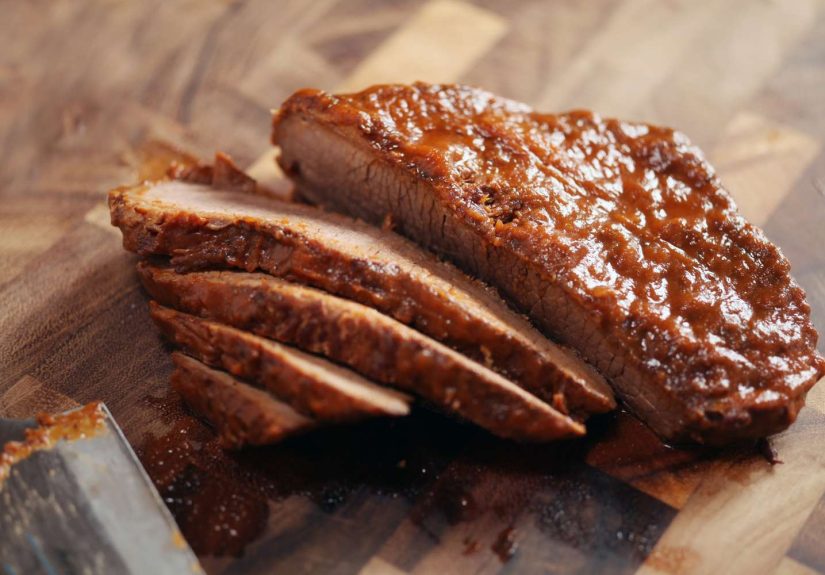
- Slice the brisket against the grain into thin slices. This shortens the muscle fibers and keeps each bite tender, even if you slightly overcooked or undercooked it.
- Return the slices to the pan, tuck them into the sauce, and warm gently over low heat if needed.
Make-Ahead and Reheating Tips
One of the best “secrets” of sweet and sour brisket is that it often tastes better
the next day. As it sits in the fridge, the flavors of the sauce sink deeper into
the meat, and slicing is easier when the brisket is cold.
- To make ahead: Cool the brisket in its sauce, then chill it overnight. The next day, slice it cold, arrange the slices in the sauce, cover, and reheat gently in a 300°F oven until warmed through.
- To store leftovers: Keep in an airtight container in the fridge for up to 4 days, or freeze for up to 2–3 months.
- To reheat single portions: Warm in a small covered pan with a spoonful of water or broth, or microwave gently in short bursts to avoid drying it out.
Slow Cooker Variation (Hands-Off All Day)
If you’d rather let your slow cooker babysit the brisket while you do literally
anything else, you can adapt this recipe easily.
- Sear the brisket and sauté the onions and garlic on the stovetop as described above.
- Transfer everything (brisket, onions, garlic, sauce ingredients, carrots, bay leaves) to the slow cooker.
- Cook on LOW for 8–10 hours, or until the meat is tender.
- Skim the fat, slice against the grain, and return the meat to the sauce.
How to Serve Sweet and Sour Brisket
This dish is incredibly versatile. Serve it family-style straight from the pan,
or plate it up if you’re feeling fancy. Some classic and creative pairings:
- Mashed potatoes or potato kugel: Perfect for soaking up every drop of sauce.
- Egg noodles or rice: Great for a weeknight-style dinner.
- Roasted root vegetables: Carrots, parsnips, and sweet potatoes echo the sweet notes in the sauce.
- Crisp green salad: A lemony salad or slaw balances the richness.
- Challah or crusty bread: For sopping up the sweet and tangy gravy (arguably the best part).
Flavor Variations to Try
Fruit-Forward Sweet and Sour Brisket
Want a more Old World, tzimmes-inspired vibe? Add a handful of pitted prunes or
dried apricots to the pan before braising. They plump up in the sauce and add a
deep, natural sweetness that plays beautifully with the vinegar.
Spicy Sweet and Sour Brisket
Stir 1–2 tablespoons of chili sauce or a squeeze of sriracha into the sauce for
a gentle kick. This keeps the sweet and sour base intact but adds a little “wow”
factor for spice lovers.
Lighter, Less Sweet Option
If you prefer a more savory take, reduce the brown sugar to 1/4 cup and bump the
vinegar up by a tablespoon or two. You’ll still get a rounded flavor, just with
less sweetness and more tang.
Frequently Asked Questions
What cut of brisket should I buy?
For this recipe, a first cut (flat cut) brisket works best. It’s
leaner and slices neatly, which is ideal for serving to guests or for make-ahead
holiday meals. Just make sure it still has a moderate fat captoo lean and it can
dry out during the long cook.
How do I know when the brisket is done?
Time is a guideline; tenderness is the truth. When a fork slides into the meat
easily and it starts to pull apart with little resistance, you’re there. If it
still feels firm in the center, give it another 30–45 minutes and check again.
Can I use this recipe for a larger brisket?
Yes. For a 5–6 pound brisket, increase the sauce by about 50% and add 30–60 more
minutes of oven time. Make sure your pan is large enough that the brisket is in a
relatively snug single layer (folding slightly is fine, cramming is not).
Can I make this recipe gluten-free?
Absolutely. Use a gluten-free soy sauce or tamari (or skip it entirely), and make
sure your broth and ketchup are certified gluten-free. Everything else is naturally
gluten-free.
Troubleshooting Common Brisket Problems
My Brisket Is Too Tough
Tough brisket usually means it hasn’t cooked long enough. Brisket is loaded with
connective tissue that needs time and gentle heat to break down. Cover the pan
tightly again and return it to the oven for another 30–60 minutes, then check
for tenderness.
The Sauce Is Too Sweet
Add a splash of vinegar, a squeeze of lemon juice, or a pinch of salt. A few
tablespoons of beef broth can also help mellow the sweetness while keeping the
sauce savory.
The Sauce Is Too Tangy
Stir in a teaspoon or two of brown sugar or honey and simmer for a few minutes.
The sweetness will soften the acidity without turning the sauce into dessert.
The Brisket Is Falling Apart
That’s not actually a disastermany people prefer it that way. Serve more like a
shredded beef in sauce over mashed potatoes or noodles instead of trying to get
perfect slices. Call it “rustic” and watch it disappear.
Experiences and Extra Tips for the Perfect Sweet and Sour Brisket
Talk to anyone who makes brisket regularly and you’ll hear the same confession:
the first few attempts are usually a little chaotic. Maybe the meat is underdone,
maybe the sauce is too sweet, or maybe someone accidentally cranks the oven to
400°F and you end up with brisket-flavored jerky. The good news is that brisket is
surprisingly forgiving once you understand what it wantssteady heat, moisture,
and time.
Home cooks often notice that the biggest game-changer isn’t a secret ingredient,
but the sear. Taking the time to brown the meat deeply on both
sides builds a flavor foundation that the sweet and sour sauce can cling to. When
you skip that step, the meat can taste flat, no matter how much sugar or vinegar
you add. Think of searing as “pre-seasoning” the flavor; everything you do after
that only gets better.
Another lesson people learn quickly: eyelids are not timers. It’s tempting to crack
the oven open every 20 minutes “just to check,” but each peek releases heat and can
lengthen the total cooking time. Brisket doesn’t like to be rushed, and it doesn’t
appreciate constant interruptions. Once it’s in the oven and braising in its sweet
and sour bath, try to leave it alone for at least 90 minutes. After that, check
the liquid level, add a splash of broth if needed, and then let it keep doing its
slow-cooking thing.
Many hosts discover the power of making sweet and sour brisket a day in advance.
Not only does this free you up on the day of your dinner or holiday meal, but the
flavor genuinely improves. Slicing brisket cold is easier and neater, and when you
tuck the slices back into the sauce and reheat gently, the meat absorbs even more
of that sweet, tangy goodness. Guests rarely know (or care) that it was made
yesterdaythey just know it tastes like it simmered all day.
Portioning is another area where experience helps. Brisket shrinks as it cooks, and
people tend to eat more of it than they admit. Planning on about 1/2 pound of raw
brisket per adult is a good starting point; for big eaters or holiday meals with
fewer side dishes, you might nudge that up. Leftovers are zero problemsweet and
sour brisket makes fantastic sandwiches, sliders, and grain bowls for days.
Over time, cooks also get comfortable customizing the flavor to match their crowd.
For families that love traditional-style brisket, keeping the flavors simple
ketchup, brown sugar, vinegar, onions, and garlicis enough. For more adventurous
eaters, add prunes or dried apricots for a fruity note, a spoonful of chili
sauce for heat, or smoked paprika for extra depth. Once you understand the balance
between sweet and sour, you can nudge it in any direction without losing the soul
of the dish.
Finally, there’s the table moment. Sweet and sour brisket has a way of bringing
people together: the sound of carving, the scent of onions and garlic, the shine
of the sauce. Whether it’s part of a holiday spread or a chilly-weekend comfort
meal, it feels a little celebratory every time. With this easy recipe, you get all
of that tradition and comfort without needing culinary school skillsjust a pan,
some patience, and a willingness to let the oven do its slow, quiet magic.
SEO JSON META (for your CMS or template to use)