Table of Contents >> Show >> Hide
- What “Eating in Season” Actually Means (In Real Life)
- Why Fall Is the MVP Season for Seasonal Eating
- Fall Seasonal Produce Cheat Sheet
- How to Shop Seasonal in Fall Without Making It Your Whole Personality
- Fall Cooking Methods That Make Seasonal Produce Taste Like a Restaurant
- Storage Tips: Keep Fall Produce Fresh Longer
- Easy Fall Meal Formulas (So You Don’t Need 47 Recipes)
- Budget-Friendly Seasonal Eating in Fall
- Common Mistakes When Eating Seasonally (And How to Avoid Them)
- Quick Fall Meal Ideas You Can Use This Week
- Conclusion: Make Fall Taste Like Fall (On Purpose)
- Fall Experiences: What Seasonal Eating Feels Like (The Fun Part)
Fall is the season where your groceries finally start acting like they have a personality. Tomatoes stop trying to
win “most complicated flavor,” and cozy produce steps in like: “Hi. I’m a squash. I’m here to keep you warm and
emotionally stable.”
If you’ve ever wondered why apples taste like crunchy sunshine in October but kind of “meh” in April, you’ve already
met the concept of seasonal eating. Eating in season for fall means leaning into what
is naturally at its peak during autumnthink crisp fruit, sweet roots, hardy greens, and the entire extended family
of winter squash.
In this guide, you’ll get a practical fall seasonal produce roadmap, smart shopping tips, storage tricks that prevent
your fridge from turning into a compost museum, and easy meal formulas you can repeat all season without getting bored.
What “Eating in Season” Actually Means (In Real Life)
Seasonal eating is simple: you prioritize fruits and vegetables that are harvested during their natural growing window
in your region (or at least within the U.S.). The big asterisk: what’s “in season” varies by location.
Florida doesn’t live the same produce calendar as Michigan, and California is basically the overachiever of year-round
growing.
The goal isn’t perfection. Nobody is here to take your berry privileges away in November. Seasonal eating is more like
a gentle nudge: “Hey, the market is overflowing with amazing stuff right nowwant to make dinner easier and tastier?”
Why Fall Is the MVP Season for Seasonal Eating
Fall’s seasonal lineup is basically built for people who want maximum flavor with minimum drama. Autumn produce tends
to be sturdy, versatile, and forgivingperfect for weeknight cooking.
1) Better flavor (and often better value)
In-season produce is typically harvested closer to peak ripeness, which usually translates to better taste. And when
there’s more supply, prices often get friendlierespecially at farmers markets and local groceries.
2) More variety without “trying”
One underrated perk of seasonal eating is that it forces variety. Instead of buying the same three vegetables
on repeat, you rotate naturally: late-summer leftovers in early fall, then roots and brassicas as temperatures drop.
3) Nutrition that fits the season
Fruits and vegetables bring fiber, vitamins, minerals, and protective plant compounds to your plate. In fall, you get a
nice mix of vitamin C–rich options (like peppers and broccoli), beta-carotene powerhouses (like sweet potatoes and
pumpkin), and hearty greens (like kale and collards).
Fall Seasonal Produce Cheat Sheet
Consider this your “walk confidently into the produce aisle” list. Availability can shift by region, but these are
common U.S. fall starsespecially from September through November.
Fall fruits
- Apples (sweet, tart, snackable, bakeablefall’s overachiever)
- Pears (juicy early, buttery as they ripen)
- Grapes (especially late-summer into early fall)
- Cranberries (the seasonal celebrity who only shows up for a limited engagement)
- Pomegranates (tangy jewel seeds that make salads feel fancy)
Fall vegetables
- Winter squash: butternut, acorn, spaghetti, delicata
- Pumpkin (yes for savory toomore on that soon)
- Sweet potatoes (and yams, depending on labeling)
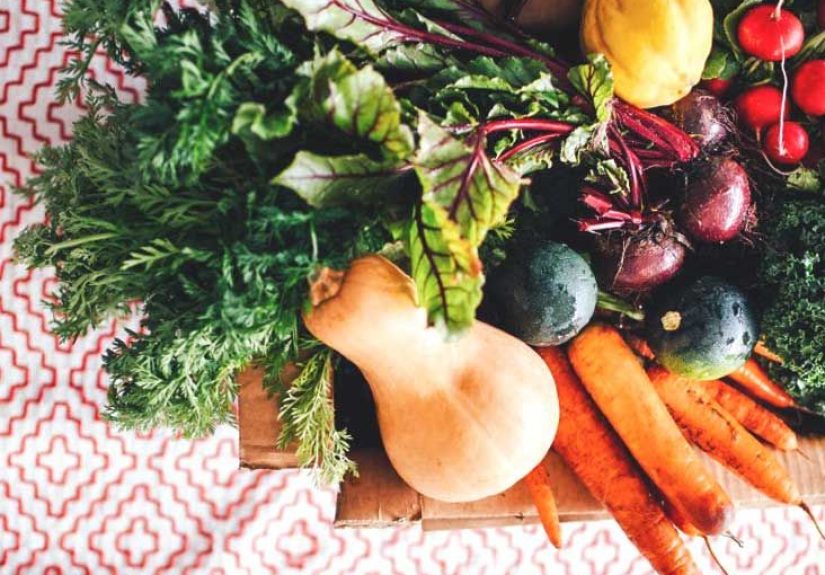
- Carrots, beets, parsnips, rutabaga (root veg = built-in “cozy”)
- Brussels sprouts, cabbage, cauliflower, broccoli (the cool-weather brassica crew)
- Kale, collards, spinach, chard (greens that actually like cooler temperatures)
- Leeks and onions (flavor builders that make soups taste like you tried harder than you did)
- Mushrooms (not a plant, still a fall icon)
Pro tip: early fall can still feature late-summer produce (like peppers and green beans), while late fall shifts more
heavily toward roots, squash, and hardy greens.
How to Shop Seasonal in Fall Without Making It Your Whole Personality
Start with one anchor item
Pick one seasonal “anchor” each weeksay, butternut squash. Then plan meals around it in different ways:
roast it, blend it into soup, toss it into a grain bowl, or cube it for a sheet-pan dinner.
Use the “three colors” trick
Seasonal eating gets easier when you shop by color:
orange (squash, sweet potato), green (kale, Brussels sprouts),
purple/red (beets, cabbage, apples). If your cart looks like a fall postcard, you’re doing it right.
Farmers market strategy
Farmers markets are ideal for fall produce because the variety is high and the “peak season” vibe is real.
Do one lap first. Then buy what looks best. (Otherwise, you’ll buy twelve apples on impulse and realize you also needed
actual dinner ingredients.)
Grocery store strategy
Not near a market? No problem. Grocery stores still rotate seasonal promotions. Look for big displays of apples,
squash, sweet potatoes, and brassicas. Those displays are usually a clue: “We have a lot of this and it’s good right now.”
Fall Cooking Methods That Make Seasonal Produce Taste Like a Restaurant
Roasting: the cheat code
Roasting concentrates flavor and turns “meh vegetables” into “why am I eating this straight off the pan?” vegetables.
Try roasting Brussels sprouts, carrots, cauliflower, beets, and squash at a high heat until browned at the edges.
Sauté + finish with acid
Quick sauté greens (kale, chard, spinach) and finish with lemon juice or a splash of vinegar. Acid wakes up flavors and
keeps hearty greens from tasting too “serious.”
Souping: fall’s love language
Fall produce was basically designed for soups: squash, sweet potatoes, carrots, leeks, onions, and greens all play well
together. Make a big batch and suddenly weekday lunches stop being a problem.
Storage Tips: Keep Fall Produce Fresh Longer
Seasonal eating works best when your produce doesn’t spoil before you even remember you bought it. Here’s how to store
common fall favorites.
Apples and pears
- Apples generally last longer than pears. Keep them cool for best life span.
- Pears often ripen best at room temperature; once ripe, chill them to slow things down.
- Keep fruit away from strong-smelling foodsyour apples do not want to taste like onions.
Winter squash and pumpkins
- Store whole winter squash in a cool, dry place with good airflow.
- Don’t wash squash before storing; wash right before cooking.
- Once cut, refrigerate and use within a few days.
Leafy greens
- Keep greens dry. Moisture speeds up slimy sadness.
- Store in a breathable bag or container with a paper towel to absorb extra moisture.
- Wash right before using (especially delicate greens).
Food safety basics (because nobody wants “Fall Flu” that’s actually foodborne)
- Wash hands before and after handling fresh produce.
- Rinse produce under running water; skip soap or “produce wash.”
- Scrub firm items (like squash) with a clean brush under running water before cutting.
Easy Fall Meal Formulas (So You Don’t Need 47 Recipes)
If you want to eat in season for fall consistently, repeatable formulas beat complicated recipes. Here are a few
that feel different every time because you can swap the produce.
1) Sheet-pan dinner
Formula: protein + two vegetables + onion/leek + seasoning + high-heat roast
Example: chicken thighs + cubed butternut squash + Brussels sprouts + sliced red onion, roasted until
browned; finish with a squeeze of lemon.
2) Big salad that doesn’t feel like punishment
Formula: hearty greens + crunch + fruit + something creamy + something salty
Example: kale + chopped apple + toasted walnuts + crumbled goat cheese + dried cranberries + simple
vinaigrette.
3) Cozy bowl
Formula: grain + roasted veg + greens + protein + sauce
Example: farro + roasted sweet potatoes + sautéed kale + black beans + tahini-lemon sauce.
4) Fall soup starter kit
Formula: sauté aromatics (onion/leek/garlic) + add cubed veg + broth + simmer + blend (optional)
Example: leek + carrot + pumpkin + broth + thyme; blend until smooth, then swirl in a little yogurt
for creaminess.
Budget-Friendly Seasonal Eating in Fall
Fall produce can be surprisingly cost-effective if you shop smart:
- Buy sturdy staples in bulk: sweet potatoes, onions, apples, and winter squash tend to store well.
- Choose frozen when it makes sense: spinach, broccoli, and some fruit can be great frozen options.
- Cook once, eat twice: roast extra vegetables and repurpose them into bowls, salads, or omelets.
Also, don’t sleep on “ugly” produce. If you’re cooking it into soup or roasting it, slightly imperfect carrots are
still carrots. They just have character.
Common Mistakes When Eating Seasonally (And How to Avoid Them)
Mistake: Buying “fall produce” with no plan
It’s easy to grab beautiful squash and then stare at it like it’s a decorative gourd with commitment issues. Fix:
decide the method when you buy itroast, soup, or bowl.
Mistake: Treating fall produce like it all stores the same
Greens are divas. Squash is chill. Apples are dependable. Store accordingly and you’ll waste less.
Mistake: Making everything taste like cinnamon
Cinnamon is lovely, but fall flavor isn’t just dessert. Try savory pairings:
rosemary + squash, mustard + Brussels sprouts, cumin + sweet potato, vinegar + greens.
Quick Fall Meal Ideas You Can Use This Week
- Apple + cheddar snack plate with nuts and whole-grain crackers
- Roasted cauliflower tacos with cabbage slaw and lime crema
- Warm lentil salad with roasted beets and crumbled feta
- Sweet potato chili with black beans and smoky spices
- Spaghetti squash “pasta” with garlicky sautéed greens and parmesan
- Brussels sprout hash topped with a fried egg (breakfast-for-dinner victory)
Conclusion: Make Fall Taste Like Fall (On Purpose)
Eating in season for fall doesn’t require strict rules, special equipment, or a farmers market tote bag that costs more
than your groceries. It’s just choosing what’s naturally abundant right nowapples that snap, squash that roasts like a
dream, greens that get sweeter after a frost, and roots that turn into comfort food with very little effort.
Start with one seasonal anchor item each week, learn a couple storage habits, and use repeatable meal formulas. Before
you know it, your fall meals will feel fresher, cozier, and a lot less complicatedexactly what the season ordered.
Fall Experiences: What Seasonal Eating Feels Like (The Fun Part)
Seasonal eating in fall isn’t only a grocery strategyit’s a whole mood. For a lot of people, it starts with that first
cool morning when you realize your kitchen doesn’t feel like a sauna anymore. You can turn on the oven without regretting
every life decision you’ve ever made. Suddenly, roasting vegetables sounds not just reasonable, but exciting.
A classic fall experience is the “apple moment.” Maybe you go apple picking with friends or family, or maybe you just
buy a bag because the display looks like it was styled by a movie set designer. Either way, apples become the unofficial
snack of the season. You try one on the drive home “for research,” then another at the counter, then you realize you’ve
eaten three apples and still somehow want apple dessert. That’s fall. It’s powerful.
Then comes the squash era. You spot butternut, acorn, delicataeach one shaped like it has a different personality.
The first time you cut a winter squash, you learn two things: (1) a sharp knife matters, and (2) squash does not care
about your schedule. But once you roast it, it’s pure payoff. Your house smells warm and savory, and you get that cozy
satisfaction that feels like putting on a hoodie fresh from the dryer.
Farmers markets in fall also have a particular vibe: bins overflowing with root vegetables, stacks of greens, and a
suspicious amount of pumpkin-related everything. You might overhear someone discussing the “best apple for pie” with the
seriousness of a courtroom drama. You’ll see people carrying bouquets of kale like it’s flowers. And honestly? Good for them.
Fall seasonal eating often turns into small rituals that make the weeks feel more grounded. Roasting a sheet pan of
vegetables on Sunday and repurposing them all week. Making a pot of soup that becomes lunch, dinner, and the “I can’t be
bothered” meal when life gets busy. Tossing chopped apples into salads, oatmeal, or peanut butter like it’s a hobby.
These habits don’t require perfectionjust repetition.
There’s also a fun discovery factor. You try a vegetable you usually ignoreparsnips, rutabaga, Brussels sproutsand
realize you don’t hate it. You just hate it when it’s boiled into sadness. Roast it, season it, add something bright
like lemon or vinegar, and suddenly it’s a favorite. That’s one of the most satisfying parts of seasonal eating:
it’s not about restriction. It’s about finally meeting produce in the form it was meant to be eaten.
And yes, sometimes fall eating is just comforting. A warm bowl of food on a chilly evening can feel like a reset button.
Seasonal eating gives you built-in comfort ingredientssweet potatoes, squash, cabbage, appleswithout needing a fancy
plan. If you’ve been wanting your meals to feel simpler, warmer, and more “right” for the season, fall is the easiest
place to start.