Table of Contents >> Show >> Hide
- What Counts as “Tinned Fish” (and Why It’s Not Just Tuna)
- How Tinned Fish Becomes Shelf-Stable: A Tiny Spa Day Called “Thermal Processing”
- Is Tinned Fish Healthy? Usually, YesWith a Few “Read the Label” Caveats
- Mercury, Pregnancy, and “How Much Tuna Is Too Much?”
- What About BPA and Can Linings?
- How To Choose Great Tinned Fish: A Shopper’s Cheat Sheet
- Storage and Food Safety: Keep It Delicious, Keep It Safe
- How To Eat Tinned Fish So It Feels Like a Treat (Not a Compromise)
- Sustainability: Why Small Fish Often Win, and How To Shop Smarter
- Frequently Asked Questions About Tinned Fish
- Experiences: 10 Real-Life Ways People Fall in Love With Tinned Fish (About )
- Conclusion
- References Consulted (No Links)
Tinned fish has had one of the most impressive glow-ups in modern food history. Once relegated to “emergency pantry protein”
(or the thing you ate when you forgot to grocery shop and your soul briefly left your body), it’s now starring on snack boards,
restaurant menus, and weekday lunches that feel suspiciously grown-up.
This guide covers what tinned fish actually is, what to buy, how to store it safely, what the nutrition looks like, how to think
about mercury and sustainability, andmost importantlyhow to eat it in ways that don’t feel like you’re camping in your own kitchen.
What Counts as “Tinned Fish” (and Why It’s Not Just Tuna)
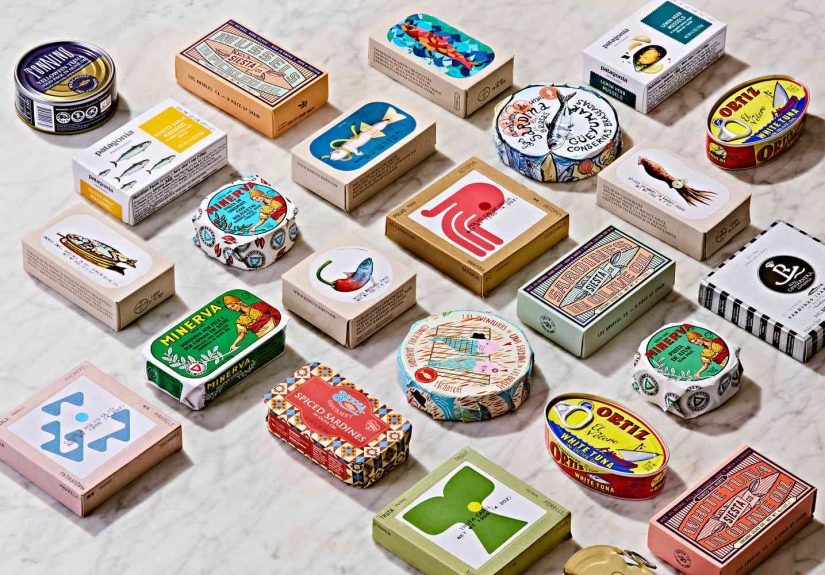
“Tinned fish” is a friendly umbrella term for seafood preserved in a sealed containerusually a can or tinso it can hang out at room
temperature for a long time. In the U.S., people often say “canned fish,” but “tinned fish” has become the catchier, snackier phrase.
Common types you’ll see in stores
- Tuna (chunk light, solid white/albacore, yellowfin)
- Sardines (whole, filleted, skin-on, boneless/skinless)
- Salmon (pink, sockeye, wild-caught options; sometimes with skin/bones)
- Mackerel (often mild and buttery, great “gateway fish”)
- Anchovies (oil-packed fillets, salt-cured, or pastetiny, mighty, salty)
- Herring (kippers, smoked styles, or in sauces)
- Shellfish like smoked oysters, mussels, clams, and calamari
Conservas vs. regular canned fish
You’ll also hear “conservas,” a term often used for high-quality, craft-style tinned seafood (frequently associated with Iberian
traditions). Practically speaking, it usually means more attention to sourcing, texture, and packing ingredients like olive oil or
sauce. The “best” one is the one you’ll actually eatand you can absolutely find excellent tins at normal-grocery prices.
How Tinned Fish Becomes Shelf-Stable: A Tiny Spa Day Called “Thermal Processing”
The magic of tinned fish isn’t magicit’s food science. Commercially canned seafood is typically cleaned, prepared (sometimes cooked
or smoked), packed into containers with oil, water, or sauce, sealed, and then heated under controlled time-and-temperature conditions.
That heating step is designed to make the product safe and stable for storage.
Why the can matters
The sealed container keeps oxygen out and protects the fish from new contamination. Combined with proper processing, that’s what lets
tinned fish live in your pantry like it pays rent.
Why home-canning fish is a different conversation
Fish is considered a low-acid food, which means it requires stricter processing to prevent dangerous bacteria (including the kind that
can cause botulism). Commercial products follow regulated processes; home-canning must follow tested, research-based methods and the
right equipment. If you’re buying store-bought tins, you’re benefiting from a system designed for safety.
Is Tinned Fish Healthy? Usually, YesWith a Few “Read the Label” Caveats
Tinned fish can be one of the highest “nutrition per minute of effort” foods you can eat. Open lid. Eat. Feel virtuous. Repeat.
But nutrition varies by species and packing style.
Big nutrition wins
- High-quality protein: helpful for satiety and muscle maintenance.
- Omega-3 fatty acids (EPA/DHA): especially in fatty fish like salmon, sardines, anchovies, and mackerel.
- Vitamin D and B12: commonly found in many fish varieties, especially fatty fish.
- Calcium (sometimes a lot): when you eat fish canned with bones (hello, sardines and some salmon).
- Convenience: which sounds silly until you realize convenience is what makes healthy eating actually happen.
Things to watch
- Sodium: some tins are salty by design. If you’re watching sodium, look for “low sodium” or “no salt added.”
- Added sauces: delicious, but some tomato, chili, or creamy sauces can bump up sugar or sodium.
- Oil-packed vs. water-packed: oil adds calories (and flavor). Water is leaner. Both can fit your goals.
Real-world examples
If you’re trying to eat more omega-3s, sardines or salmon are strong choices. If you want lean protein for a quick lunch, tuna or
water-packed salmon can be your best friend. If you want “I can’t believe this is from a can” richness, try mackerel in olive oil
on toast with lemon and herbs.
Mercury, Pregnancy, and “How Much Tuna Is Too Much?”
Mercury is the headline concern people have with fish, and it’s a real oneespecially for pregnant or breastfeeding people and young
children. The good news: you don’t need to fear tinned fish; you just need to choose smartly and mix up the types you eat.
Why some fish have more mercury
Larger, longer-living fish tend to accumulate more mercury over time. That’s one reason small fish (like sardines and anchovies) often
come with fewer mercury concerns and are frequently recommended as “go-to” seafood choices.
Tuna: the short, practical version
- Canned light tuna is generally lower in mercury than albacore/white tuna.
- Albacore (white) tuna is higher in mercury and is usually the one people are told to limit more strictly.
- Variety helps: rotating canned salmon, sardines, or shellfish can reduce over-reliance on tuna.
If you’re pregnant, breastfeeding, or feeding a child, follow the most conservative guidance available from public health agencies and
prioritize lower-mercury fish. If you’re not in a higher-risk group, moderation and variety are still a smart play.
What About BPA and Can Linings?
Many cans use interior coatings to prevent corrosion and protect food quality. BPA (bisphenol A) has been used in some can coatings for
decades, and it’s also the subject of ongoing public debate. The FDA’s position is that BPA is safe at the current levels occurring in foods.
If you’d rather reduce exposure anyway (a perfectly reasonable personal choice), look for brands labeled “BPA-free,” diversify your pantry
packaging (some seafood comes in jars or pouches), and focus on the bigger picture: overall dietary pattern beats perfection in any single can.
How To Choose Great Tinned Fish: A Shopper’s Cheat Sheet
Buying tinned fish can feel oddly high-stakes because the label is doing a lot of storytelling in a very small space. Here’s how to decode
it without bringing a spreadsheet to the grocery store.
1) Pick your fish based on how you want to eat it
- For salads/sandwiches: tuna, salmon, or mackerel (flaked textures work well).
- For toast and snack boards: sardines, mussels, smoked oysters, fancy mackerel, or spiced sardines.
- For cooking: anchovies (for sauces), sardines (for pasta), salmon (for patties), mussels (for rice bowls).
2) Oil, water, brine, or sauce?
- Olive oil: richer mouthfeel; great for eating straight, toast, pasta, and salads.
- Water: milder and leaner; ideal for mixing into mayo, yogurt, or dressings.
- Brine: punchy and salty; nice for salads and Mediterranean-style dishes.
- Tomato/chili sauces: instant flavor; just check sodium and sugar if that matters to you.
3) Texture clues: skin-on, bones-in, smoked, and “boneless/skinless”
Skin and bones can mean more nutrients and a more “whole fish” experience. If you’re new, boneless/skinless sardines or mild mackerel can
be an easier entry point. Smoked options (smoked trout, smoked oysters) bring big flavorthink “charcuterie board energy.”
4) Price doesn’t always equal betteruse your taste buds as the judge
Expensive tins may reflect smaller-batch production, specific sourcing, or premium oils and sauces. But there are plenty of affordable
tins that taste great. The most “luxury” outcome is a pantry you actually use.
Storage and Food Safety: Keep It Delicious, Keep It Safe
Tinned fish is low-drama when unopened and properly stored. The safety issues usually come from damaged cans or poor handling after opening.
Pantry rules (unopened)
- Store in a cool, dry place away from heat and moisture.
- Avoid buying cans that are bulging, leaking, badly rusted, or deeply dentedespecially near seams.
- Quality can slowly decline over time, but properly stored commercial canned fish can last a long time.
Red-flag cans: when “nope” is the correct recipe
If a can is bulging, leaking, spurts liquid when opened, or smells “off,” don’t taste it. Discard it safely. Foodborne botulism is rare,
but it’s seriousand tasting is not an acceptable diagnostic tool.
After you open it
- Refrigerate leftovers promptly.
- It’s generally considered safe to refrigerate the unused portion in the can, but for best flavor and quality, transfer it to a clean food-safe container.
- Use opened canned seafood within a few days (a common rule of thumb is 3–4 days).
How To Eat Tinned Fish So It Feels Like a Treat (Not a Compromise)
This is where tinned fish really wins: it’s already cooked (in most cases), already seasoned (sometimes), and ready to build into something
genuinely craveable. Here are ideas that work for both weeknights and “friends are coming over and I want credit” moments.
Toast upgrades (5 minutes, maximum impact)
- Sardines + lemon + herbs on toasted bread, with a drizzle of the tin oil.
- Mackerel + mustard + pickles for a salty-tangy sandwich vibe.
- Smoked oysters + hot sauce on crackers, with thin-sliced cucumber.
Pasta that tastes like you planned it
- Anchovy-garlic pasta: melt a couple anchovy fillets into olive oil with garlic and chili flakes; toss with spaghetti.
- Sardine “pantry puttanesca”: tomatoes, olives, capers, sardines, and a squeeze of lemon.
- Salmon lemon pasta: flake canned salmon into a lemony olive-oil sauce with parsley.
Salads and bowls (the lunch formula)
- Tuna + beans + vinaigrette (white beans, red onion, parsley, olive oil, vinegar).
- Sardine rice bowl with cucumber, avocado, soy sauce or ponzu, and sesame seeds.
- Mussels over greens with a bright dressing and crusty bread.
The “tinned fish board” (aka charcuterie’s salty ocean cousin)
Put out 2–3 tins, good bread, crackers, butter, lemon wedges, pickles, olives, potato chips, and something crunchy (radishes, cucumbers).
Add a simple salad and suddenly you’re hosting like someone who owns linen napkins on purpose.
Sustainability: Why Small Fish Often Win, and How To Shop Smarter
Sustainability can feel complicated, but you can make it simpler with a few practical principles:
1) “Small fish” is often a smart default
Sardines, anchovies, and herring are frequently highlighted by seafood sustainability guides because they can come from healthier populations
and have a lighter environmental footprint than some larger speciesdepending on where and how they’re caught.
2) Use reputable recommendation systems
Seafood Watch-style guidance is helpful because it updates recommendations based on species, region, and harvest method. If you want one
habit: check a trusted guide for your most frequently purchased fish and adjust from there.
3) Don’t let “pretty packaging” do the thinking for you
A cool label doesn’t guarantee responsible sourcing. Look for clear species identification, catch method details when available, and brands
that provide traceability information (even basic origin transparency is a good sign).
Frequently Asked Questions About Tinned Fish
Is tinned fish already cooked?
Most commercially canned fish is cooked during processing, making it ready to eat. Some products (like certain anchovies) are cured or
packed in salt and oil rather than “cooked like a filet,” but they’re still meant to be eaten as-is.
Can I heat tinned fish?
Yesgently. Many tins are best warmed into a dish rather than aggressively cooked. Think “fold into pasta” or “warm through in a pan,” not
“sear like a steak.”
Why does one tin taste mild and another taste… ocean-forward?
Species, packing liquid, smoke level, and freshness at the time of canning all matter. If you’re new, start with milder choices like
mackerel or boneless/skinless sardines, then work your way up to bolder tins (smoked oysters and anchovies will be waiting).
Is expensive tinned fish worth it?
Sometimes. Premium tins can offer better texture, better olive oil, more thoughtful seasoning, and more consistent quality. But plenty of
everyday tins are excellentespecially when you pair them with acid (lemon/vinegar), crunch (pickles/veg), and carbs (bread/rice/pasta).
Experiences: 10 Real-Life Ways People Fall in Love With Tinned Fish (About )
Most people don’t become “tinned fish people” because they woke up one day craving sardines. It usually starts with a moment of necessity
and ends with a weirdly satisfying pantry habit.
1) The “lunch emergency” win. Someone opens the fridge, sees nothing usable, and remembers a tin of salmon. Ten minutes later,
it’s salmon salad with mustard, lemon, and a handful of celeryeaten on crackers like a responsible adult who definitely has it together.
2) The upgraded tuna era. A classic tuna-mayo sandwich gets a makeover: olive oil tuna, chopped pickles, capers, black pepper,
and a squeeze of lemon. Same comfort, better flavorless “cafeteria,” more “bistro-ish.”
3) The “I’m hosting but I didn’t cook” board. Friends come over. Instead of panic-ordering takeout, someone puts out two tins,
crusty bread, chips, butter, and something briny. The table looks intentional. People rave. The host pretends it was always the plan.
4) The travel souvenir that actually gets used. A tin from a trip feels like a tiny edible postcard. It gets opened on a random
Tuesday with a glass of wine, and suddenly the kitchen feels less like a place of chores and more like a place where fun people live.
5) The “gateway fish” discovery. Someone who “doesn’t like fish” tries mild mackerel on toast with lemon and herbs and realizes
the problem was never fishit was bland preparation and bad vibes.
6) The pantry pasta habit. Anchovies melt into olive oil with garlic, and nobody eating the pasta says “wow, anchovies!”
They say “what did you put in this?” That’s the anchovy experience: invisibly powerful.
7) The budget-friendly protein strategy. When groceries get expensive, a few tins become the backup plan that doesn’t feel like
a downgrade. Beans + tuna. Rice + sardines. Greens + mussels. Suddenly meals are cheap, fast, and oddly satisfying.
8) The “I need more omega-3s” nudge. People who want heart-healthy habits often find tinned fish easier than cooking fresh fish.
No defrosting. No smell drama. Just open, add lemon, and move on with life.
9) The texture learning curve. The first time someone meets a bone-in sardine, there’s a pause. Then they learn: the bones are
soft, edible, and actually a nutritional perk. Or they decide bones are not their journey and buy boneless/skinless next time. Both are valid.
10) The “tiny ritual” effect. A tin, a plate, a lemon wedge, and good bread turns into a small daily luxuryproof that better
eating isn’t always about more effort, just smarter ingredients.
Conclusion
Tinned fish is practical, nutritious, and surprisingly fun once you stop treating it like a last resort. Start with the type that fits how
you like to eat (salads, toast, pasta, snack boards), store it properly, avoid damaged cans, keep variety in the mix, and you’ll end up with
one of the most useful pantry staples around.
References Consulted (No Links)
- U.S. Food and Drug Administration (FDA)
- U.S. Department of Agriculture (USDA) / Food Safety resources
- FoodSafety.gov
- Centers for Disease Control and Prevention (CDC)
- National Center for Home Food Preservation (University of Georgia)
- American Heart Association
- Harvard Health Publishing
- Monterey Bay Aquarium Seafood Watch
- Consumer Reports
- Serious Eats
- Ohio State University Extension resources
- National Institutes of Health (NIH) / peer-reviewed processing overview