Table of Contents >> Show >> Hide
- What Is Metatarsalgia?
- Metatarsalgia Symptoms: What It Feels Like Day to Day
- What Causes Metatarsalgia?
- Who Is Most at Risk?
- How Metatarsalgia Is Diagnosed
- Metatarsalgia Treatments: What Actually Helps
- How Long Does Metatarsalgia Last?
- Prevention: Keep the Ball of Your Foot Happy
- When to See a Doctor Immediately
- Metatarsalgia FAQ
- Experience Section (Approx. ): What People Commonly Report
- Conclusion
If your forefoot feels like it has been personally offended by every step you take, welcome to the not-so-exclusive club of people dealing with metatarsalgia.
This condition affects the ball of the foot and can make normal life feel weirdly dramaticwalking to the kitchen, standing in line, or going for a jog suddenly becomes a full negotiation.
The good news: metatarsalgia is usually manageable, often without surgery, and many people improve with smart shoe choices, activity tweaks, and targeted support.
The better news: you do not have to become “the person who talks about foot pain at parties.”
In this guide, we’ll break down symptoms, causes, diagnosis, treatment options, prevention strategies, and real-world experiences so you can get back to moving comfortably.
Editorial methodology: This article is a practical synthesis of U.S.-based clinical guidance and evidence-driven patient education from major medical organizations, family medicine resources, and orthopedic/foot-ankle references.
It is educational, not a diagnosis.
What Is Metatarsalgia?
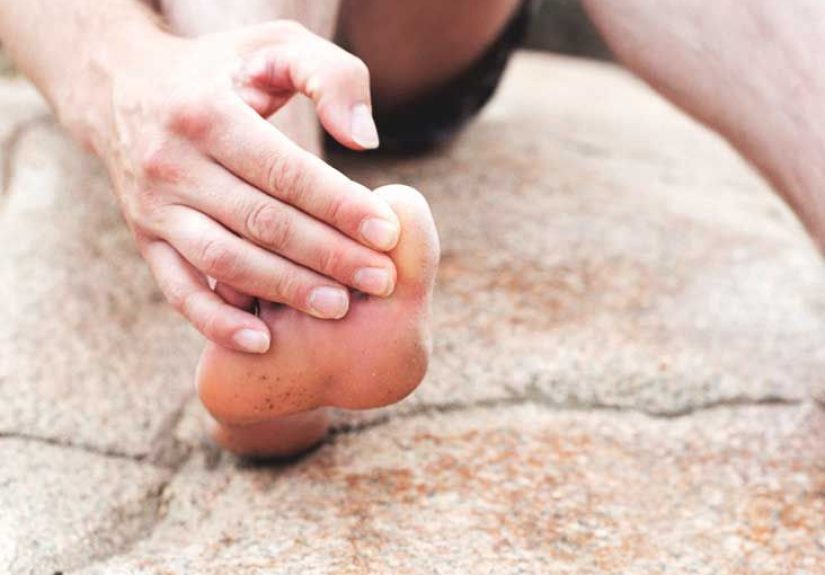
Metatarsalgia is a term for pain and irritation in the ball of your footthe area under the metatarsal heads, just behind your toes.
Think of it as a “pressure overload zone”: when too much repetitive force hits the forefoot, tissues become irritated and inflamed.
One important detail: metatarsalgia is often treated like a symptom pattern rather than one single disease.
In plain English, that means your foot hurts in this region, but the exact reason can vary from person to personshoe mechanics, overuse, deformity, inflammation, nerve irritation, and more.
Metatarsalgia Symptoms: What It Feels Like Day to Day
Symptoms can appear gradually or show up quickly after activity changes. Common complaints include:
- Sharp, aching, or burning pain in the ball of the foot
- Pain that worsens with standing, running, walking, or pushing off the toes
- A “pebble in my shoe” sensation
- Numbness or tingling in the toes
- Localized tenderness, swelling, or pressure pain under one or more metatarsal heads
- Callus buildup in pressure areas (especially with chronic overload)
Some people report that mornings are tolerable, but pain ramps up later in the day. Others feel okay during light activity but get sharp pain during sprints, stairs, or long walks on hard surfaces.
Metatarsalgia vs. “General Foot Pain”
Foot pain has many causes. Metatarsalgia specifically refers to forefoot pain near the metatarsal region, but symptoms can overlap with stress fractures, Morton’s neuroma, arthritis flares, tendon/ligament injuries, and toe-joint conditions.
That overlap is why persistent pain deserves proper evaluation.
What Causes Metatarsalgia?
Metatarsalgia usually happens when force distribution across your forefoot becomes uneven or excessive. Common contributors include:
1) Repetitive Impact and Overload
- Running, jumping, court sports, HIIT, or abrupt training increases
- Long hours standing or walking on hard floors
- Poor recovery after heavy foot-loading workouts
2) Footwear Problems
- Narrow toe boxes that crowd the forefoot
- Very high heels that shift body weight forward
- Worn-out midsoles or unsupportive shoes
- Loose shoes that let the foot slide and create friction/instability
3) Foot Structure and Biomechanics
- High arches, hammertoes, bunion-related mechanics
- A relatively longer second toe (can increase second metatarsal stress)
- Limited ankle dorsiflexion or calf tightness changing gait mechanics
- Fat pad thinning in the forefoot with aging
4) Health Conditions and Secondary Triggers
- Inflammatory arthritis (including rheumatoid arthritis and gout patterns)
- Diabetes-related changes in sensation or tissue health
- Prior forefoot surgery or post-surgical load transfer in some cases
- Stress injuries, ligament irritation, or nerve irritation around forefoot joints
Who Is Most at Risk?
Anyone can develop metatarsalgia, but risk rises if you:
- Do frequent high-impact exercise
- Wear heels or poorly fitting shoes often
- Are carrying excess body weight
- Have known foot deformities or abnormal pressure points
- Have inflammatory joint disease
- Increase training load too quickly (“weekend warrior syndrome”)
How Metatarsalgia Is Diagnosed
Diagnosis starts with history and physical exam, not magic imaging.
Your clinician typically asks:
- When pain started and what activities make it worse
- What shoes you wear most often
- Whether pain is localized, burning, numb, or radiating
- Whether you have swelling, deformity, or recent injury
- Whether you have diabetes, arthritis, or circulation concerns
On exam, they’ll assess gait, pressure points, toe alignment, callus patterns, and joint motion.
Imaging is added when needed to rule out look-alike diagnoses.
Common Diagnostic Tools
- X-ray: Often first-line to look for stress fractures, alignment issues, or arthritic change
- Ultrasound or MRI: Helpful for soft tissue and nerve-related questions when diagnosis remains unclear
- Targeted testing: Sometimes used when multiple conditions overlap or symptoms are atypical
Translation: if your clinician orders imaging, it is usually to identify why the forefoot hurts, not because metatarsalgia itself is mysterious.
Metatarsalgia Treatments: What Actually Helps
In most cases, treatment starts conservatively. The core strategy is simple: reduce forefoot load, calm inflammation, and fix the mechanical trigger.
Phase 1: At-Home Relief (First Line)
- Relative rest: Temporarily reduce or stop impact activities
- Ice: Short sessions to manage pain/swelling after activity
- OTC pain options: If medically appropriate for you
- Footwear reset: Wide toe box, stable sole, lower heel, cushioning
- Metatarsal pads/insoles: Offload painful pressure zones
- Avoid prolonged barefoot walking: especially on hard floors
Phase 2: Guided Conservative Care
If symptoms persist, medical care may include:
- Custom or semi-custom orthotics for pressure redistribution
- Physical therapy for calf/foot mobility, intrinsic foot strength, and gait correction
- Activity progression plans (instead of all-or-nothing exercise)
- Treatment of specific coexisting problems (callus care, joint irritation, tendon issues)
- Addressing systemic contributors (weight, inflammatory disease control, glucose management)
Phase 3: Procedures (When Needed)
Surgery is generally reserved for stubborn cases or clear structural causes that do not improve with conservative care.
Examples include correction of deformity or persistent load transfer issues.
In other words: most people do not start with surgery, and many never need it.
How Long Does Metatarsalgia Last?
Recovery depends on cause, duration, and how quickly load mechanics are corrected.
- Mild overload cases can improve within days to a few weeks with consistent shoe/activity changes
- Moderate cases often need several weeks of structured management
- Chronic or structural cases may need longer rehabilitation and specialist follow-up
- If the true diagnosis is a stress fracture or other condition, recovery timelines differ
A practical rule: if pain is not improving after 1–2 weeks of smart home careor if it returns repeatedlybook an evaluation.
Prevention: Keep the Ball of Your Foot Happy
Shoe Strategy (Most Underrated Tool)
- Prioritize a wide toe box and stable forefoot support
- Keep heel height moderate (high heels = higher forefoot pressure)
- Replace heavily worn shoes before they become “decorative artifacts”
- Use sport-specific footwear for the activity you do most
Training Strategy
- Increase mileage or intensity gradually, not suddenly
- Rotate lower-impact days (bike, swim, row) into your week
- Warm up and cool down consistently
- Respect pain signals early to avoid prolonged setbacks
Body Mechanics and Foot Care
- Strengthen calf-foot chain and toe control
- Address ankle mobility limitations
- Manage calluses and pressure points safely
- Work toward a healthy body weight if advised by your clinician
When to See a Doctor Immediately
Seek urgent care if you have:
- Sudden severe foot pain, especially after injury
- Inability to bear weight or walk
- Visible deformity, snapping/popping with trauma, or significant bruising
- Fever, redness, open sores, or rapidly worsening swelling
- Diabetes or blood-flow disorders plus new foot pain
- Numbness, ongoing tingling, or repeated recurrent pain episodes
Metatarsalgia FAQ
Is metatarsalgia permanent?
Usually no. Many cases improve with conservative treatment, especially when mechanical triggers are corrected early.
Can I still exercise?
Usually yeswith modifications. Switch to lower-impact training while symptoms settle, then rebuild gradually.
Are metatarsal pads actually useful?
For many people, yes. Properly placed pads can redistribute pressure away from painful metatarsal heads.
Do I need custom orthotics right away?
Not always. Over-the-counter inserts may help, but persistent symptoms may justify custom orthotic assessment.
Can bad shoes alone cause this?
They can be a major contributor, especially high heels, narrow toe boxes, and worn-out support.
What is the biggest mistake people make?
Ignoring pain while continuing the exact same load and footwear. That is basically sending your forefoot a strongly worded complaint every day.
Experience Section (Approx. ): What People Commonly Report
Experience 1: The Runner Who Added “Just a Little More” Too Fast
A recreational runner increased weekly mileage and added speed sessions in the same month. At first, there was mild soreness under the second and third toes.
It felt manageable, so training continued. Two weeks later, even easy runs triggered burning forefoot pain. Walking barefoot on tile felt especially unpleasant.
The turning point came after switching to lower-impact cardio, replacing worn shoes, and using metatarsal padding. Within a few weeks, daily pain dropped significantly.
The runner later rebuilt volume slowly and kept one “soft surface day” each week. Biggest lesson: pain in the ball of the foot is not a personality test. You can be disciplined and still rest.
Experience 2: The Retail Worker Standing All Day
A store employee spent long shifts on hard floors and wore stylish but minimally supportive shoes. By the end of each workday, forefoot pain was intense and sometimes accompanied by tingling.
The person thought this was “normal fatigue” until limping started. After evaluation, treatment focused on footwear support, pressure-relief inserts, scheduled sitting breaks, and calf-foot mobility drills.
The biggest practical win was rotating between two supportive shoe pairs instead of wearing one pair until it collapsed. Symptoms improved enough to return to full shifts with less discomfort.
Takeaway: if your feet are your full-time coworkers, invest in their equipment.
Experience 3: The High-Heel Habit Reset
Another common story is forefoot pain in people who regularly wear high heels for work or events. Pain may start as a dull ache and evolve into a sharp, hot feeling under the forefoot.
Callus formation often appears because pressure concentrates in predictable spots. One patient-style pattern involved transitioning to lower heels, wider toe-box shoes, and occasional dress-shoe inserts instead of all-day stilettos.
Symptoms did not vanish overnight, but frequency and severity dropped over time. A key mindset shift helped: shoes are tools, not just accessories.
You can still dress well while giving your metatarsals a less chaotic work schedule.
Experience 4: The “It Might Be Something Else” Moment
Some people assume all ball-of-foot pain is metatarsalgia, but evaluation sometimes reveals overlapping conditionsstress injury, nerve irritation, arthritis patterns, or joint instability.
One recurring theme in clinical narratives: persistent pain despite good home care should prompt reassessment. Imaging and exam can change treatment direction from generic “rest and ice” to a focused plan.
People often describe relief not only from reduced pain, but from finally having a clear explanation.
The psychological burden of uncertain pain is real. Getting the right diagnosis early can shorten the path back to activity and confidence.
Experience 5: The Slow-and-Steady Return Works Better Than the Hero Return
Many people improve, feel better for three days, then jump back to full activityand symptoms rebound.
A better pattern is staged return: pain-calibrated walking, then low-impact cardio, then gradual impact progression with shoe/pad support maintained.
People who keep prevention habits (shoe rotation, strength work, mobility, load progression) are less likely to repeat the cycle.
The consistent message across experiences: metatarsalgia can be frustrating, but it is usually manageable when you treat the cause, not just the pain.
Conclusion
Metatarsalgia is common, uncomfortable, and very treatable in many cases.
The winning formula is usually straightforward: identify the load problem, correct shoe mechanics, use targeted support, and progress activity wisely.
If pain persists, worsens, or includes red flags, get evaluated so the underlying cause is not missed.
Your feet do a lot for youreturn the favor with better mechanics, better recovery, and better shoes.

![18 Best Types of Charts and Graphs for Data Visualization [+ How to Choose]](https://corkopencoffee.org/wp-content/uploads/2026/05/18-best-types-of-charts-and-graphs-for-data-visualization-how-to-choose-qKM1PBYG-thumb.jpg)