Table of Contents >> Show >> Hide
- What Feel-Good Fitness Really Means
- Why Joy Is a Secret Weapon for Long-Term Fitness
- The Real Benefits of Feel-Good Movement
- How to Build a Fitness Life You Actually Like
- What a Joy-Based Week of Fitness Can Look Like
- Common Fitness Traps That Steal the Joy
- Feel-Good Fitness for Different Seasons of Life
- on Real-Life Experiences: What Joyful Fitness Feels Like
- Move Toward Joy, Not Punishment
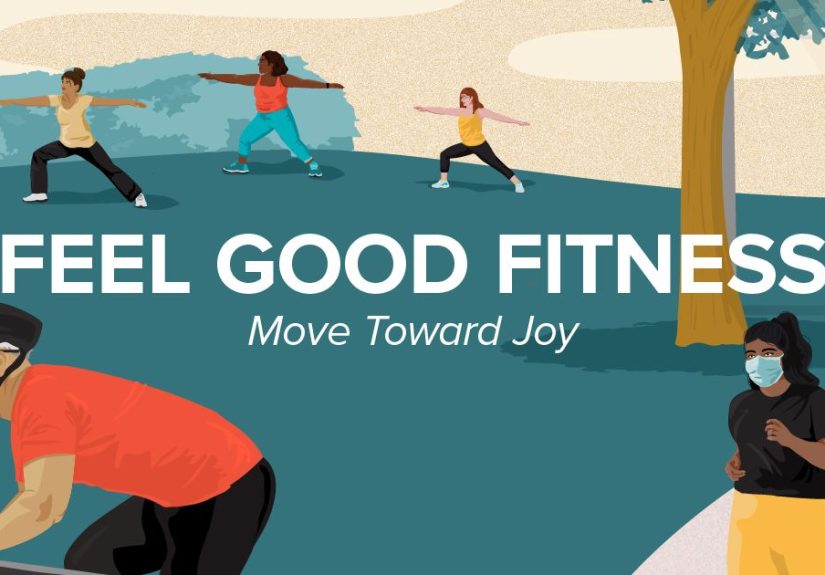
For a long time, fitness marketing acted like your body was a problem that needed a dramatic soundtrack and a protein shaker to fix. The message was loud: no pain, no gain, no carbs, no fun, and absolutely no sitting unless it was on a stationary bike that costs more than your first car. That approach may work for some people, but for plenty of others, it turns movement into a chore with suspicious leggings.
Feel-good fitness offers a saner, kinder idea: move because it helps you feel alive, capable, calm, energized, connected, and even a little more like yourself. Instead of chasing punishment, you chase pleasure, progress, and purpose. You stop asking, “How do I burn off yesterday’s dessert?” and start asking, “What kind of movement would make today better?”
That shift matters. Real-world health guidance consistently shows that regular physical activity supports heart health, brain health, sleep, stress management, mood, and long-term well-being. But the best workout on paper is not the one you do once in a burst of guilt. It is the one you can keep coming back to because it fits your life and leaves you feeling better, not beaten up.
This is where joy comes in. Joy does not have to mean grinning through burpees like a fitness commercial extra. It can mean relief after a walk, confidence after lifting groceries without a dramatic sound effect in your lower back, laughter during a dance class, focus after yoga, or the quiet satisfaction of realizing your body is on your side. Feel-good fitness is not about lowering the bar. It is about raising the odds that movement becomes a lifelong relationship instead of a short-lived apology tour.
What Feel-Good Fitness Really Means
Feel-good fitness is a movement philosophy centered on how activity improves your quality of life right now, not just how it might change your appearance later. It values consistency over intensity, participation over perfection, and enjoyment over punishment. In practice, that means you choose movement based on a mix of physical benefit, emotional payoff, convenience, and genuine preference.
Maybe you love long walks with a podcast and an iced coffee that somehow makes you stride like you are solving international diplomacy. Maybe strength training makes you feel grounded and capable. Maybe dancing in your kitchen counts because, honestly, if your heart rate is up and you are having fun, your body is not filing a complaint about the lack of gym mirrors.
This approach also widens the definition of fitness. Movement is not limited to treadmills, boot camps, or punishing workout calendars. It includes walking, stretching, swimming, mobility work, gardening, biking, recreational sports, hiking, yoga, bodyweight circuits, and active play. Feel-good fitness asks a simple but powerful question: what kind of movement makes you want to come back tomorrow?
Why Joy Is a Secret Weapon for Long-Term Fitness
The fitness world often glorifies willpower, but most lasting habits are built on something less dramatic and more reliable: repeatability. When movement feels rewarding, manageable, and personal, it becomes easier to repeat. And when you repeat it, the benefits stack up.
Enjoyment improves consistency
If every workout feels like a hostage negotiation with your own calendar, motivation will eventually ghost you. Enjoyable movement reduces friction. You are more likely to keep doing what feels satisfying, interesting, social, or emotionally useful. That may sound obvious, but it is surprisingly radical in a culture that still treats misery as proof of effort.
Movement can improve mood in the short term
One of the biggest advantages of feel-good fitness is that the reward often shows up quickly. Many people notice they feel calmer, clearer, or more energized after moving. That matters because immediate rewards help habits stick far better than vague promises about a future version of yourself who apparently has perfect posture and meal preps on Sundays without ever complaining.
Joy reduces all-or-nothing thinking
When fitness is tied only to intense goals, a missed workout can feel like failure. Feel-good fitness breaks that cycle. A ten-minute walk still counts. A stretch session still counts. Dancing while cleaning still counts. The point is not to maintain an imaginary gold-star streak. The point is to keep your relationship with movement warm, flexible, and resilient.
The Real Benefits of Feel-Good Movement
Let’s be clear: this is not just about vibes, although the vibes are excellent. Moving your body regularly can support multiple parts of health in ways that are both immediate and long-term.
1. Better mood and lower stress
Physical activity is strongly associated with improved mood, lower stress, and fewer symptoms of anxiety and depression. You may feel a post-workout lift right away, but consistent movement also supports emotional resilience over time. That is one reason a brisk walk can sometimes feel like a software update for your nervous system.
2. Better sleep
Movement can help you fall asleep more easily, sleep more deeply, and feel more restored. If you have ever spent the day sitting, then crawled into bed feeling both exhausted and somehow not actually sleepy, your body has already introduced you to this concept.
3. More energy
This sounds fake until you experience it. Expending energy through regular movement often helps people feel more energized overall. That is especially true when exercise is paired with adequate sleep, hydration, and realistic expectations. Translation: a walk may not turn you into a motivational speaker, but it can absolutely make the afternoon slump less dramatic.
4. Stronger heart, muscles, bones, and balance
Moderate aerobic activity, strength training, and balance work all matter. Walking supports cardiovascular health. Resistance training helps preserve muscle and bone. Mobility and balance work can improve function and reduce fall risk, especially as people age. Feel-good fitness is not anti-structure. It simply uses structure in service of feeling better, not proving a point.
5. Sharper thinking and better daily function
Physical activity supports brain health, attention, memory, and day-to-day functioning. It can help you feel more focused at work, more patient at home, and less like your brain is buffering when someone asks you a simple question before coffee.
How to Build a Fitness Life You Actually Like
If your workout plan has failed before, that does not mean you are lazy or broken. It may simply mean the plan was built for a fantasy version of your life. Feel-good fitness starts by working with reality.
Start with the question: “What sounds good?”
That question alone can change everything. Not “What burns the most calories?” Not “What does the fittest person online do at 5:12 a.m.?” Just: what kind of movement sounds appealing, tolerable, or at least not dreadful today? Your answer might be walking, dancing, cycling, lifting, swimming, stretching, or a short bodyweight workout.
Choose a small minimum
Grand plans are exciting for about six minutes. Small minimums are far more useful. Try ten minutes of walking, two strength sessions a week, a stretch break after school or work, or a short yoga video before bed. The goal is not to impress your imaginary followers. The goal is to create a baseline so doable that your habit stops needing a motivational speech every day.
Make it easy to begin
Set out shoes. Save a playlist. Keep dumbbells where you can see them. Pick a route you enjoy. Bookmark a class. Reduce setup friction so your future self has fewer excuses and fewer opportunities to negotiate with the couch.
Match movement to mood and season
Some days you want intensity. Other days you need restoration. Both are valid. A joyful fitness life includes flexibility. Walk outside when you need air. Lift when you want power. Stretch when your body feels like a folded receipt. Dance when your brain needs a reboot. The smartest routine is not rigid; it is responsive.
Use social connection when it helps
Some people stay consistent alone. Others need a walking buddy, group class, coach, or friend who texts “we still going?” at exactly the right moment. Shared movement can add accountability, support, laughter, and a reason to show up even when motivation is hiding under a blanket.
What a Joy-Based Week of Fitness Can Look Like
You do not need a punishing seven-day plan to be active. Here is a realistic example of feel-good fitness in action:
Monday: Reset walk
Twenty to thirty minutes of brisk walking after work or school. No pressure, just a chance to decompress and clear your head.
Tuesday: Short strength session
Twenty minutes of squats, presses, rows, lunges, and core work. Enough to feel strong without needing a commemorative T-shirt afterward.
Wednesday: Mobility or yoga
A lighter day focused on flexibility, breathing, posture, and releasing tension.
Thursday: Fun cardio
Dance, bike, swim, take a class, or do intervals if you enjoy intensity. The point is to choose movement that feels energizing rather than obligatory.
Friday: Walk with a friend
Social movement counts. So does laughing mid-stride about something completely unrelated to fitness.
Weekend: Play, hike, stretch, or rest
Joyful fitness leaves room for spontaneity. Maybe you garden, play basketball, chase kids around a park, do a longer hike, or simply recover. Rest is not a moral failure. It is part of a healthy rhythm.
Common Fitness Traps That Steal the Joy
Trap 1: Exercising only to shrink yourself
Weight-related goals are common, but when they become the only reason to move, fitness can feel punishing and fragile. There are many meaningful markers of progress besides the scale: better sleep, better mood, more stamina, improved strength, less stress, more mobility, and a stronger sense of confidence.
Trap 2: Copying someone else’s routine
Your ideal plan depends on your schedule, personality, access, health status, and preferences. The perfect 6 a.m. routine for a fitness influencer may be a terrible match for someone who hates mornings and just wants to survive Tuesday.
Trap 3: Believing hard always means better
More intense is not always more effective, especially if it makes you dread movement or leaves you too sore to continue. Sustainable fitness is a long game. A moderate workout you repeat is often more valuable than a brutal workout you never want to see again.
Trap 4: Waiting to feel motivated
Motivation is helpful, but it is also moody. Joy-based fitness works best when supported by routines, cues, and realistic options. Sometimes the secret is not feeling inspired. It is simply making the next step easy enough to start.
Feel-Good Fitness for Different Seasons of Life
One of the best things about this approach is that it adapts. A teenager, a busy parent, an office worker, and an older adult may all define joyful movement differently, and that is exactly the point.
For beginners
Start with walking, simple strength basics, and low-pressure routines. Focus on learning what feels good rather than doing everything at once.
For busy adults
Short sessions count. Ten-minute movement snacks, walking calls, quick strength circuits, and active errands can all support health. Your routine does not need to look impressive to be effective.
For older adults
Walking, strength work, balance training, water exercise, and gentle mobility can support independence, confidence, and daily function. Social movement can also offer connection, which is a benefit all by itself.
For anyone under stress
Choose movement that regulates rather than overwhelms. Walking, stretching, yoga, light cycling, or easy strength work may feel especially supportive when life is loud and your nervous system is already doing the most.
on Real-Life Experiences: What Joyful Fitness Feels Like
Experience is where this philosophy stops being a nice idea and starts becoming believable. Most people do not fall in love with movement because a chart told them to. They fall in love with it because of a moment. A real one. The first time a walk turns a bad day around. The first time they climb stairs and realize they are not winded. The first time they leave a class smiling instead of critiquing themselves in the mirror.
For some, the experience begins with relief. Imagine a person who has spent months feeling mentally foggy, physically stiff, and weirdly tired despite doing “nothing all day.” They start taking a fifteen-minute walk each evening, mostly because it feels easier than launching a full gym routine. At first, it seems too small to matter. Then the shift begins. Their shoulders drop. Sleep improves. The constant buzzing stress in their chest softens. They start looking forward to that walk because it becomes the only part of the day that belongs entirely to them. Not productive. Not optimized. Just theirs.
For others, feel-good fitness feels like rediscovering play. Maybe someone used to think exercise only counted if it was punishing. Then they try a dance class, a beginner boxing workout, a rec league, or a weekend bike ride. Suddenly fitness is not a sentence; it is an activity. They laugh. They lose track of time. They remember what it feels like to move for fun rather than for correction. That memory can be powerful, especially for adults who have not associated movement with joy since childhood.
There is also a quiet confidence that comes from strength. Not the flashy kind built for social media captions, but the everyday kind. Carrying bags with ease. Getting up from the floor without groaning like an antique cabinet. Feeling stable, capable, and more at home in your body. Many people describe this as one of the most surprising rewards of exercise. They may have started for appearance-related reasons, but what keeps them going is the sense of competence. Feeling strong changes how you move through the world.
Social experiences matter too. Walking with a friend, joining a class, or working out with a supportive group can transform exercise from an isolated task into a shared ritual. It becomes less about discipline and more about community. You show up for the movement, but also for the jokes, the familiar faces, and the sense that you are doing something good with other people who get it.
And then there are the hard seasons, when joyful movement is not exciting at all. It is simply kind. A stretch on a stressful morning. A slow walk after disappointing news. Ten minutes of yoga when motivation is nowhere to be found. In those moments, fitness becomes care rather than performance. That may be the deepest lesson of feel-good movement: joy is not always loud. Sometimes it looks like tenderness, steadiness, and choosing to support yourself one small motion at a time.
Move Toward Joy, Not Punishment
Fitness does not have to be fueled by self-criticism to be effective. In fact, it often works better when it is not. Feel-good fitness invites you to build a relationship with movement that is enjoyable enough to continue, flexible enough to survive real life, and meaningful enough to improve both body and mind.
So walk, lift, dance, stretch, swim, hike, or roll out a mat in your living room and do the most glorious imperfect ten minutes of movement imaginable. Let your routine be helpful, not theatrical. Let it support your mood, your sleep, your strength, your focus, and your sense that your body is something to work with, not against.
The best fitness plan may not be the hardest one. It may be the one that leaves you thinking, “I feel better now.” And that is more than enough reason to do it again tomorrow.