Table of Contents >> Show >> Hide
- What This Towel Actually Is (and Why It’s So Popular)
- The Brand Vibe: Japanese Simplicity Meets Linen That’s Not Messing Around
- Linen 101: Why Linen Towels Behave Differently Than Cotton
- The Check Pattern: Cute, Classic, and Secretly Practical
- Real-World Uses: Beyond “Drying Dishes”
- Care Tips: How to Keep Your Linen Towel in Its Prime
- Hygiene Reality Check: How Often Should You Swap Kitchen Towels?
- Linen vs. Cotton vs. Microfiber: Which One Wins?
- Who This Towel Is Perfect For (and Who Should Pass)
- Styling Ideas: Make It Look Effortless (Even If Life Isn’t)
- FAQ: Quick Answers Before You Add to Cart
- Final Thoughts: The Small Upgrade You’ll Actually Use
- of Real-Life Experience With a Fog Linen Work Check Towel
Every kitchen has a main character. Sometimes it’s the cast-iron skillet. Sometimes it’s the espresso machine.
And sometimes (brace yourself) it’s a humble towel that quietly does everything and still looks cute
hanging on the oven handle like it has zero responsibilities.
Enter the Fog Linen Work Check 100% Linen Kitchen/Tea Toweloften sold as a “kitchen cloth,”
and basically the overachiever of kitchen linens. It dries dishes, covers rising dough, lines baskets, wipes
counters, and somehow manages to look like it belongs in a well-styled home tour… even if your sink currently
contains a tragic tower of plates.
What This Towel Actually Is (and Why It’s So Popular)
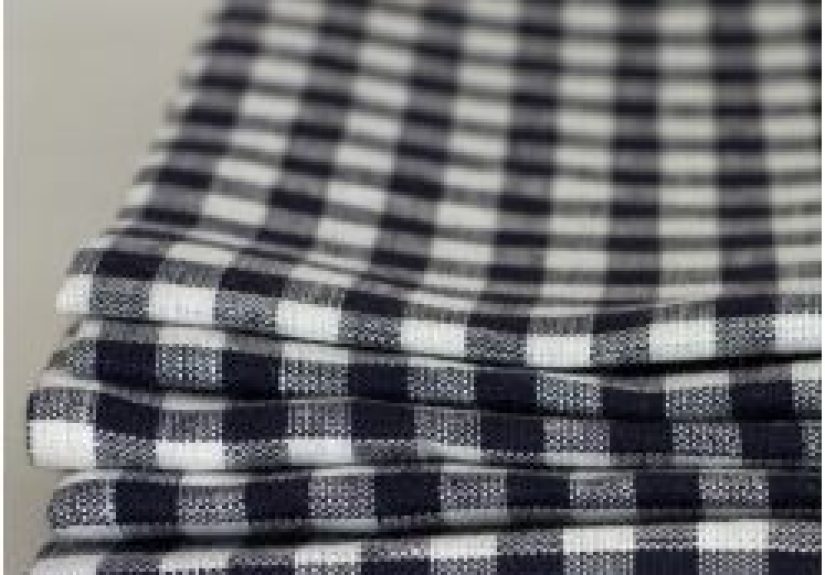
Fog Linen Work’s check-pattern kitchen/tea towel is typically a 100% linen towel with a
classic check (gingham-style) design and a handy hanging loop. Most retail listings describe it as a
“hardest-working kitchen staple,” and that’s not marketing fluffit’s a genuinely practical size and fabric
choice for daily kitchen life.
Linen towels like this are designed to get better with use: they start slightly crisp, then soften over time
while becoming more absorbent. If you’ve ever bought a towel that looked adorable but dried approximately
nothing, you’ll appreciate that linen’s “I’m here to work” attitude.
Common specs you’ll see across U.S. listings
- Material: 100% linen (flax linen)
- Style: check pattern (various colorways)
- Design detail: a loop for hanging and faster drying
- Care: gentle machine wash; line dry or cool dry tends to be recommended
Small disclaimer: different shops may label it “kitchen cloth,” “tea towel,” or “dish towel,” but the function
is the samethis is a multipurpose linen workhorse intended for real use, not just looking pretty next to your
artisanal olive oil.
The Brand Vibe: Japanese Simplicity Meets Linen That’s Not Messing Around
Fog Linen Work is known for pared-back, everyday-use linen goodsthings that feel calm, functional, and
quietly stylish. The check towel fits that philosophy perfectly: classic pattern, practical construction,
and a fabric that ages like your favorite jeans (but, you know, for dishes).
Many U.S. retailers describe the brand’s approach as “Lithuanian linen, Japanese design.” That combo matters:
the design stays minimal and versatile, while the linen supply chain and weaving traditions are often tied to
Lithuaniaone of the most well-known regions for high-quality flax linen production.
Linen 101: Why Linen Towels Behave Differently Than Cotton
Linen comes from the flax plant, and it’s naturally strong. Compared to many cotton kitchen towels, linen
tends to feel lighter while drying fasterespecially helpful if you’re in a humid kitchen or you actually
use your towels instead of letting them become decorative objects.
Here’s the linen magic trick: it can absorb moisture, release it, and dry out quickly. That means less
“damp towel funk” lingering on your counter, and more “this kitchen might have its life together” energy.
Where linen shines in the kitchen
- Quick drying: helps reduce that always-damp feeling between tasks
- Durability: holds up to frequent washing and heavy rotation
- Low-lint potential: many flat-woven towels (linen included) are great for glassware
- Gets better over time: softens and becomes more absorbent as you wash it
Cotton still has its placeespecially terry cloth styles for big spillsbut linen excels at the everyday
rhythm: wipe, dry, hang, repeat.
The Check Pattern: Cute, Classic, and Secretly Practical
A check towel isn’t just a style choiceit’s a strategy. Checks disguise minor stains and water marks better
than solid whites, while still looking timeless. If your household is a “we cook nightly” situation, checks
are basically camouflage for real life.
The pattern also reads as familiar and homey: it fits modern minimalist kitchens, farmhouse vibes, colorful
maximalism, and the “I rent but I’m trying” aesthetic. In other words: it won’t fight your decor. It’ll
politely support it.
Real-World Uses: Beyond “Drying Dishes”
The best kitchen towel is the one you reach for without thinking. Fog Linen Work’s check towel is commonly
described as an all-purpose cloth, and the use cases are honestly endless. Here are some practical ways people
use it (and ways you will too, once it’s hanging within arm’s reach):
1) Dish duty and glassware
Flat-woven linen towels are great for drying dishes and polishing glassware because they don’t behave like
plush bath towels that shed lint and cling to everything like a needy cat. If you entertain, or you just
enjoy drinking water out of a glass that doesn’t look like it survived a dust storm, linen helps.
2) Covering dough (bread people, rise up)
Linen is breathable, which makes it a classic choice for covering dough while it proofs. You want protection
from drafts and dust without trapping too much moisture. A linen towel provides that middle groundlike a
sensible friend who also brings snacks.
3) Lining baskets and serving bread
A checked linen towel instantly upgrades a bread basket, pastry tray, or brunch situation. Toss croissants on
top and everyone will assume you have a newsletter and a sourdough starter named something adorable.
4) Drying produce and herbs
Spread leafy greens or herbs on the towel after washing to wick away moisture. You’ll get less sogginess and
more crispnesswithout relying on paper towels like it’s 2009 and we all forgot about reusable linens.
5) Everyday cleanup
For quick wipe-downswater rings, coffee splashes, the mysterious sticky spot that appears near the honey jar
linen is efficient. For a huge spill, you’ll still want something thicker (or a moment of silence), but for
daily messes, linen is fast and satisfying.
Regular vs. “thick” versions
Some shops carry a standard weight and a thicker version of Fog Linen Work kitchen cloths. The regular weight
tends to dry quicker and feels nimble for hands and glassware; the thicker weight is often positioned for
bigger spill absorption or heavy dish-drying sessions. If you’re building a small towel “wardrobe,” owning one
of each weight is an extremely reasonable life choice. (Yes, I’m enabling you. No, I won’t apologize.)
Care Tips: How to Keep Your Linen Towel in Its Prime
Linen is low drama, but it does have a few preferences. Think of it as that friend who’s chill as long as you
don’t do the one thing they hate. For linen towels, that thing is usually fabric softener.
Washing
- Go gentle: a gentle cycle is a common recommendation for linen kitchen towels.
- Skip fabric softener: it can coat fibers and reduce absorbency over time.
- Use a mild detergent: especially for patterned linens you want to keep crisp-looking.
- Wash with similar items: towels together helps avoid lint transfer from fuzzy fabrics.
Drying
- Line drying keeps fibers happy and helps preserve longevity.
- Cool or low heat can work if you use a dryer; high heat too often may shorten textile life.
- Dry fully before folding or storing to avoid musty odor and mildew vibes.
Wrinkles (the eternal linen debate)
Linen wrinkles. It’s kind of the point. You can embrace the relaxed texture (recommended), or you can iron it
if your personality enjoys order. The check pattern is forgiving either way: it looks intentionally casual,
not “I forgot to deal with laundry for three days.”
Stains
If you get oil or sauce on it, treat it sooner rather than later. A quick rinse, a dab of dish soap for oily
spots, and a normal wash cycle usually goes a long way. Linen is resilientdon’t panic.
Hygiene Reality Check: How Often Should You Swap Kitchen Towels?
Kitchen towels do a lot, and “a lot” includes picking up moisture and food residuetwo things bacteria
absolutely love. Many kitchen and food publications recommend rotating towels frequently and making sure they
dry completely between uses. A simple rule that works for most households:
- Daily: if you’re cooking heavily or wiping up raw-meat juices (please don’t use the same towel afterward).
- Every few days: for lighter use where the towel fully dries between tasks.
- Weekly at minimum: if it’s used regularly and you want a cleaner, fresher kitchen routine.
The hanging loop isn’t just a cute detailit encourages proper drying. A towel that dries faster usually smells
better and behaves better. Like most of us, honestly.
Linen vs. Cotton vs. Microfiber: Which One Wins?
The “best” towel depends on your job description:
- Linen: best for quick drying, daily dish duty, bread basket lining, and a polished look.
- Cotton (flat weave): great for general kitchen use; often soft and easy-care.
- Cotton (terry): king of big spills and heavy water absorption.
- Microfiber: strong at streak-free cleaning, but requires specific care and isn’t everyone’s favorite for kitchen textiles.
A Fog Linen Work check towel is for the person who wants something that does the job and looks good
doing itwithout being fussy. It’s not a gimmick towel. It’s a “buy once, use constantly” towel.
Who This Towel Is Perfect For (and Who Should Pass)
You’ll love it if you:
- like classic patterns that won’t feel dated next year
- want a towel that dries fast and doesn’t stay damp forever
- need something durable for frequent washing
- care about texture and materials (hello, linen people)
- enjoy small “everyday upgrades” that make kitchens feel calmer
You might skip it if you:
- only want ultra-plush towels for massive spill absorption (look at terry cloth instead)
- hate any wrinkles, ever, at all costs
- prefer a super oversized towel (some people want bigger than typical linen cloth dimensions)
Styling Ideas: Make It Look Effortless (Even If Life Isn’t)
The check pattern works as a subtle accentespecially if you repeat the color elsewhere (a mug, a potholder, a
cutting board). A few easy styling moves:
- Hang two towels: one linen check for dishes, one terry cotton for hands/spills.
- Layer in a basket: use the towel as a liner under fruit, bread, or napkins.
- Gift it: pair with a wooden spoon, a good olive oil, and a handwritten recipe card.
It’s a genuinely good gift because it’s useful, washable, and doesn’t require knowing someone’s exact “style.”
Checks are neutral in the best way.
FAQ: Quick Answers Before You Add to Cart
Will it be absorbent right away?
Linen often starts a little crisp and gets more absorbent after a few washes. Think of it like breaking in
a good pair of bootsslightly stiff at first, then suddenly you don’t want anything else.
Does linen shrink?
Some shrinkage can happen with natural fibers, especially with hot water or high heat drying. Gentle washing
and line drying help keep sizing consistent.
Is it good for glassware?
Flat-woven linen is commonly used for drying and polishing glassware. If you want the truly streak-free
experience, use a clean, dry towel (not the one that just wiped the counter).
How many should I own?
For one household: two is a great start (one in use, one in laundry). If you cook a lot or entertain,
four makes life easier. Anything beyond that is between you and your towel drawer.
Final Thoughts: The Small Upgrade You’ll Actually Use
A Fog Linen Work check 100% linen kitchen/tea towel is the kind of “nice thing” that doesn’t demand attention.
It’s not precious. It’s not delicate. It simply shows up, does its job, dries quickly, and looks good while
doing itlike a friend who texts back and also remembers your birthday.
If you want kitchen linens that feel intentional, last a long time, and quietly improve your everyday routine,
this towel is a smart pick. Practical, classic, andbest of alluseful.
of Real-Life Experience With a Fog Linen Work Check Towel
The first time you unbox a Fog Linen Work check towel, you might think, “This is it?” Linen can feel crisp at
the startlike it’s showing up to the kitchen in a freshly pressed button-down. Mine went straight onto dish
duty, and on day one it was… fine. Not mind-blowing. Not terrible. Just politely competent.
Then week one happened. I used it for drying plates, wiping water off the counter, and doing that classic move
where you wrap it around a warm loaf of bread and suddenly pretend you run a rustic bakery. I also used the
hanging loop more than expectedbecause once you get used to hanging a towel properly, tossing it in a damp
heap feels like a personal betrayal.
By wash two, something shifted. The towel relaxed. It stopped feeling crisp and started feeling… friendly.
Softer, drapier, and noticeably better at absorbing water. It’s like the linen finally decided we were
roommates and not strangers. By wash four, it had fully entered the “favorite towel” categorythe one you
reach for automatically, even though you own other towels that would like equal opportunity.
The check pattern turned out to be quietly genius. It hid small stains that would have made a solid white towel
look like it had survived a spaghetti incident (which, for the record, it did). It also looked great hanging
on the oven handle, which matters more than we admit. There’s something about a tidy towel in a classic pattern
that makes the whole kitchen feel 12% more under control.
The best surprise was how versatile it became. I used it to cover dough during a lazy Saturday bake, to dry
rinsed herbs, and to line a basket for a last-minute snack spread. It even did a stint as a “quick placemat”
when I ate lunch at the counter like an exhausted adult who has meetings in five minutes.
Maintenance-wise, the towel was forgiving. Gentle wash, mild detergent, and line drying kept it in great shape.
I skipped fabric softener (linen doesn’t need it), and the towel kept getting better anyway. If it came out a
little wrinkly, the checks made it look intentional“casual European linen” instead of “I forgot the dryer
existed.”
After a month, the towel felt like a tiny kitchen upgrade that actually earned its keep. It wasn’t a showpiece.
It was a tool. A pretty tool, surebut a real one. And that’s the sweet spot: something you can use hard,
wash often, hang neatly, and still feel a little pleased every time you see it.