Table of Contents >> Show >> Hide
- Start With a 20-Minute Reset (Because Organizing Around Chaos Is Still Chaos)
- Use “Zones” Like a Grocery Store (Everything Has a Department)
- Make Space With Smart Containers (Not a Million Tiny Ones)
- Stop the Door From Being the “Wild West”
- Maximize Drawer Power: Use Humidity Settings the Right Way
- Food Safety Setup: Organize to Prevent Cross-Contamination
- Create More “Storage” Without Buying a New Fridge
- Make It Functional for Your Household (Not for a Photo Shoot)
- Sample Layouts You Can Copy Today
- Maintenance That Takes 5 Minutes (Because You Have a Life)
- Real-World Fridge Organization Experiences (500+ Words)
- SEO Tags
If your refrigerator has ever made you whisper, “Where did I put the… oh wow, that’s from last month,” you’re not alone.
A messy fridge isn’t just annoyingit steals usable space, makes meal prep harder, and can lead to wasted groceries.
The good news: you don’t need a bigger refrigerator. You need a smarter system.
Below are practical, real-kitchen fridge organization ideas that create more storage and functionality without turning your life into a label-making hobby.
We’ll focus on three goals: visibility (you can actually see food), flow (items live where you use them),
and food safety (because nobody wants “mystery juice” dripping onto strawberries).
Start With a 20-Minute Reset (Because Organizing Around Chaos Is Still Chaos)
1) Do a fast “keep / toss / relocate” sweep
- Toss: expired items, leftovers with unclear origins, anything fuzzy that isn’t a peach.
- Relocate: unopened shelf-stable items (hot sauce, some condiments, etc.) that accidentally moved in permanently.
- Keep: items you use weekly, plus ingredients you’ve already committed to cooking.
2) Wipe down shelves and drawers
Clean shelves make it easier to keep bins sliding smoothly and reduce odor buildup. Bonus: you’ll stop wondering if that sticky spot is honey or “ancient jam.”
3) Check the temperatureyour organization depends on it
A neat fridge that’s too warm is basically a well-decorated problem. Use an inexpensive fridge thermometer if your dial isn’t precise.
Many food safety experts recommend keeping the refrigerator at 40°F or below, with many suggesting a sweet spot around 37°F
for freshness without freezing items near the back.
Use “Zones” Like a Grocery Store (Everything Has a Department)
The secret to a functional refrigerator isn’t just containersit’s zones.
Different parts of your fridge can run slightly warmer or colder, and the door tends to have the most temperature fluctuation.
When you assign zones, you stop playing refrigerator Jenga and start building a system that stays organized.
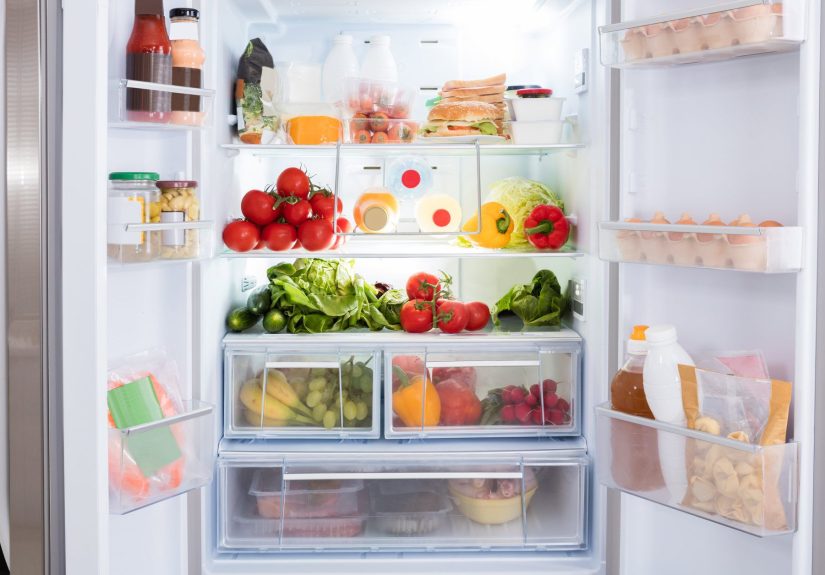
Core fridge zones to set up
- Ready-to-eat zone (middle shelf): leftovers, cooked proteins, grab-and-go meals
- Breakfast zone (eye level): yogurt, deli turkey, cheese sticks, fruit cups
- Cooking zone (lower shelf/back): ingredients you’ll use at dinnerbroths, sauces, prepped veggies
- Snack zone (lower/middle, front): kid-friendly snacks and quick bites
- Condiment zone (door): sauces, pickles, jams, mustarditems that can handle the door’s temp swings better than milk
- Raw protein zone (bottom shelf): raw meat/seafood on a tray or in a bin to prevent drips
A simple rule that saves space and sanity
Put the items you use most often between waist and eye level. If you have to squat to find coffee creamer every morning,
you’re basically starting the day with a workout you didn’t consent to.
Make Space With Smart Containers (Not a Million Tiny Ones)
Containers should reduce friction, not create it. The best fridge organizers are the ones you’ll keep using when you’re tired,
hungry, and holding three groceries in one arm like a circus act.
Clear, handled bins = instant “drawers” on shelves
Clear bins corral small items so they don’t get lost behind tall bottles.
Use bins to group categories (snacks, cheese, deli meat, breakfast, sauces). Handles make them easy to pull out like a drawer.
One “Eat This First” bin to cut food waste
Designate a small front-and-center bin for items that need to be used soon: half a bell pepper, opened hummus, leftover rice,
that spinach that’s one day away from retirement. This single trick reduces duplicate buying and forgotten leftovers.
Stackable, lidded containers for leftovers and meal prep
Square or rectangular containers stack better than round ones, which means more usable vertical space.
Lids help prevent odors and protect food from drying out.
Turntables (lazy Susans) for condiments and “short” items
If your fridge shelf is deep, a turntable can bring the back row to the front with one spin.
Great for sauces, small jars, and frequently used add-ons like lemon juice or chili crisp.
Stop the Door From Being the “Wild West”
The fridge door is convenient, but it’s also the warmest and most temperature-variable spot because it’s exposed every time you open it.
So, think of the door as the place for stable itemsnot the spot for the most perishable staples.
Best items for the fridge door
- Condiments (ketchup, mustard, mayo)
- Pickles and olives
- Salad dressings
- Jams and jellies
- Drinks (if space allows and your household goes through them quickly)
Consider moving milk to a colder, more consistent shelf (often the back of the fridge) and letting the door handle the condiments.
Your milk will thank you by not betraying you in your cereal bowl.
Maximize Drawer Power: Use Humidity Settings the Right Way
Crisper drawers aren’t just “the place where vegetables go to be forgotten.” They’re designed to manage humidity.
Many refrigerators let you choose high or low humidity in each drawer.
High humidity drawer (keep moisture in)
- Leafy greens
- Herbs (store like flowers in a jar, covered loosely with a bag)
- Broccoli
- Carrots
- Green onions
Low humidity drawer (lets ethylene gas escape)
- Apples
- Grapes
- Peppers
- Mushrooms
Pro tip: If your produce tends to spoil fast, it may be because everything is crammed together with no airflow.
Use a bin inside the drawer to create sections, and don’t overpack it.
Food Safety Setup: Organize to Prevent Cross-Contamination
A functional fridge should also be a safe fridge. The most important placement rule is simple:
keep raw meat, poultry, and seafood on the bottom shelf in a leak-proof container or on a tray.
That way, drips can’t contaminate ready-to-eat foods.
Quick safety checklist you can actually follow
- Bottom shelf: raw proteins in a tray/bin
- Above that: ready-to-eat foods, leftovers, dairy
- Label leftovers with a date (masking tape + marker works)
- Use leftovers within 3–4 days or freeze them
- Refrigerate perishable foods promptlydon’t let them sit out for long stretches
Create More “Storage” Without Buying a New Fridge
Adjust shelves to match what you actually buy
If you routinely buy tall bottles, stop forcing them to do yoga.
Moving one shelf up or down can create a better fit and eliminate wasted vertical space.
Use shelf risers carefully (and only where they won’t block airflow)
Shelf risers can double usable space for small items (like yogurts or deli containers) on wide shelves.
Just avoid blocking vents or cramming the fridge so tightly that cold air can’t circulate.
Aim for the “75% full” sweet spot
An overstuffed fridge struggles with airflow, which can lead to uneven temperatures and faster spoilage.
If you can’t see the back wall at all, your fridge may be too packed to cool evenly.
Make It Functional for Your Household (Not for a Photo Shoot)
For families with kids: build a kid-accessible snack zone
Put kid snacks in one low bin: string cheese, yogurt tubes, washed fruit, snack-size hummus.
The goal is fewer door-open marathons and fewer “I can’t find anything!” announcements.
For meal preppers: set up a “prep shelf”
Reserve one shelf for prepped ingredients and ready meals: chopped veggies, cooked grains, marinated proteins, and portioned lunches.
Keep it at eye level so you’re more likely to use it.
For small fridges: go vertical and consolidate categories
- Choose stackable containers in uniform sizes.
- Use one turntable instead of multiple small bins.
- Store beverages in one designated row or bin so cans don’t roll everywhere.
Sample Layouts You Can Copy Today
Standard fridge layout (easy, practical)
- Top shelf: leftovers, ready-to-eat foods, lunch containers
- Middle shelf: dairy, eggs (in carton), breakfast items
- Lower shelf: cooking ingredients, large containers
- Bottom shelf: raw proteins in a tray/bin
- Crisper drawers: produce sorted by humidity
- Door: condiments, sauces, dressings
French door fridge layout (bonus visibility)
- Use bins on each side: left = breakfast/snacks, right = cooking/meal prep
- Dedicate one drawer to produce and one to drinks/deli, depending on your fridge design
- Keep leftovers at eye level so they don’t become “back-shelf legends”
Maintenance That Takes 5 Minutes (Because You Have a Life)
Do a weekly mini-reset
- Scan for leftovers approaching day 3–4
- Move “use soon” foods into the Eat This First bin
- Wipe one sticky spot before it becomes a sticky neighborhood
Use FIFO: First In, First Out
When you add groceries, slide older items to the front and place newer ones behind them.
This simple rotation helps prevent food waste and keeps your fridge from turning into a time capsule.
Real-World Fridge Organization Experiences (500+ Words)
Let’s talk about what fridge organization looks like in real lifeaka the land of half-used jars, busy schedules, and that one person in the house who
puts things “wherever it fits.” The most common experience people report is this: they organize the fridge beautifully once, feel proud for exactly
twelve minutes, and then life happens. Groceries arrive, leftovers stack up, and suddenly the system collapses like a cookie tower in a humid kitchen.
The fix isn’t “try harder.” The fix is building a system that survives real habits.
One scenario that comes up all the time is the duplicate purchase problem. Someone buys another sour cream because the existing sour cream
is hiding behind a tall carton of orange juice. A week later, there are two sour creams, both open, both heading toward “science experiment” status.
The best real-world solution is visibility: clear bins, a turntable for short jars, and a single “dairy row” where your eyes naturally land.
When people switch to a “categories you can see” approach, duplicates drop fast because the fridge stops being a guessing game.
Another common experience is the leftover avalanche. You cook dinner, put leftovers in the fridge, and promise yourself you’ll eat them tomorrow.
Tomorrow arrives, you’re tired, you order takeout, and the leftovers get shoved backward. After a few days, you can’t remember what’s in the container,
so it becomes a permanent resident. The system that works best in real kitchens is an “Eat This First” bin at the front plus simple date labels.
No fancy label maker requiredmasking tape and a marker are enough. People who adopt this habit usually find they eat more leftovers and waste less food,
because the decision is easier: open fridge → see bin → grab meal.
Families often mention the kid browsing effect: the fridge door opens, a child stares into the cold void like it holds the meaning of life,
and then announces there’s “nothing to eat.” The fridge absolutely has food, but it’s all behind adult ingredients and tall containers.
A kid-friendly snack bin fixes this fast. When snacks live in one low, easy-to-reach zone, kids can self-serve without rearranging half the refrigerator.
That also means fewer spills, fewer forgotten open packages, and fewer pantry raids disguised as “snack time.”
Small-fridge households have their own unique experience: every inch matters, and one awkward container can destroy a shelf.
The most effective change people report is switching to stackable, rectangular containers and consolidating categories.
Instead of five small bins (that don’t quite fit), one or two right-sized bins can create a “drawer” effect and keep items accessible.
Small fridges also benefit from a single turntable for condiments and short jars, because reaching the back is harder and items get lost quickly.
Finally, there’s the experience of organization fatigue. People want a functional fridge, but they don’t want a second job.
The trick is choosing a maintenance level that matches your life. If you’re busy, commit to a five-minute weekly reset:
check leftovers, move “use soon” items forward, wipe one spill, and call it a win. The most successful fridge systems aren’t perfectthey’re repeatable.
When the setup is simple, it lasts, and your fridge becomes a tool that supports your day instead of a cluttered obstacle course.