Table of Contents >> Show >> Hide
- What Was the Dexter Outdoor Bench and Table at West Elm?
- Why the Design Still Works
- Materials, Construction, and What They Mean in Real Life
- How the Dexter Bench and Table Fit Real Outdoor Spaces
- What to Look for If You’re Shopping for Something Similar Now
- Styling the Dexter Look
- Care, Maintenance, and the Reality Check Every Outdoor Piece Needs
- Final Verdict: Was the Dexter Outdoor Bench and Table a Good West Elm Design?
- Experience Section: What Living With a Dexter-Style Outdoor Bench and Table Really Feels Like
- Conclusion
If outdoor furniture had a dating profile, most pieces would lead with one of two personalities: “too precious to leave outside” or “looks like it belongs behind a burger stand.” The Dexter Outdoor Bench and Table at West Elm managed to land in a much harder sweet spot. It felt relaxed without being sloppy, classic without being dusty, and practical without screaming, “I was chosen by a committee.”
That balance is exactly why the Dexter line still deserves attention. Even though the Dexter Outdoor Bench (60″) now appears on West Elm as No Longer Available, and the table is better understood through archived references than a current product listing, the pairing remains a smart case study in what good outdoor furniture should do: look welcoming, use durable materials, maximize seating, and age with a little dignity instead of falling apart the first time spring turns dramatic.
This article takes a close look at the Dexter Outdoor Bench and Table, why the design worked, how it fit West Elm’s broader outdoor style, what made it useful in real homes, and what shoppers can learn from it today whether they are hunting for the original pieces secondhand or shopping for a similar outdoor dining bench and table.
What Was the Dexter Outdoor Bench and Table at West Elm?
The Dexter collection was part of West Elm’s modern outdoor furniture lineup and originally included more than just the bench and table. Archived assembly listings show a broader family of pieces, including a dining chair, lounge chair, lounger, side table, coffee table, and an expandable dining table. That matters, because it tells you Dexter was never meant to be a lonely accent piece. It was designed as a full outdoor living system with a consistent visual language.
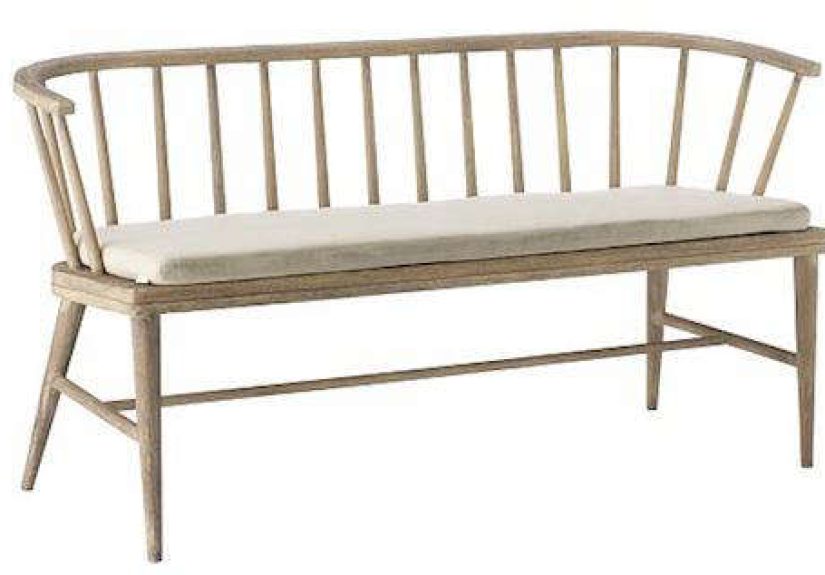
The bench was especially memorable. West Elm described it as being inspired by classic Windsor style, which makes immediate sense once you look at the spindle-back silhouette. Instead of a heavy slab bench or a plain utility seat, Dexter had visual movement. The curved back rail softened the shape, while the vertical spindles added rhythm and just enough old-school charm to keep the piece from feeling generic.
The table completed the story. Remodelista’s archival coverage of the launch highlighted the Dexter Outdoor Dining Table as a 67-inch-wide companion piece, and West Elm’s assembly archive identifies it as an expandable version. That combination is a big clue to the collection’s appeal: it was not only stylish, it was built for the reality of outdoor entertaining, where the guest list somehow grows every time somebody says, “It’ll just be a casual dinner.”
Why the Design Still Works
A Windsor-inspired look that feels lighter than most patio furniture
Outdoor furniture can get visually bulky in a hurry. Thick arms, heavy bases, oversized tops, and dark finishes can make a patio feel like it’s wearing work boots indoors. Dexter avoided that problem by borrowing from the Windsor tradition. That spindle-backed profile gave the bench a lighter footprint, even though it was still substantial enough for everyday use.
Architectural Digest notes that the Windsor form has endured for centuries because it is sturdy, economical, and visually flexible. That helps explain why Dexter felt familiar without looking old-fashioned. West Elm essentially took a form people already trusted and translated it into a more casual patio dining furniture setting.
Bench seating is smarter than it gets credit for
Chairs get all the glory because they look formal and photogenic, but benches are the overachievers of outdoor dining. Better Homes & Gardens has pointed out that bench seating works particularly well in smaller patios because it saves space and tucks in neatly. Dexter leaned into that advantage.
A bench lets you seat more people with less visual clutter. It also makes a table feel more relaxed. Nobody stares at a bench and thinks, “I must sit in my assigned spot and behave with perfect posture.” A bench says, “Slide over, there’s room.” That’s a useful quality outdoors, where entertaining is usually meant to feel easy rather than ceremonial.
The rustic-modern mix was very West Elm at its best
West Elm has long done well when it mixes clean lines with warm materials. Dexter hit that note nicely. It was rustic enough to feel appropriate on a deck, porch, or garden patio, but modern enough to work with more polished décor. You could picture it with linen napkins and stoneware, but also with burgers, lemonade, and the dog circling for dropped chips. That range is a design win.
Materials, Construction, and What They Mean in Real Life
West Elm’s archived product information describes the bench as made from FSC-certified wood from responsibly managed forests, with a weather-resistant coating. For shoppers who care about sustainability, the FSC detail matters. Forest Stewardship Council standards are widely used as a marker of more responsibly sourced wood products, and that gives the Dexter bench a stronger materials story than a mystery-wood patio piece with a glamorous filter and no substance.
Wood is also a strong aesthetic choice outdoors. West Elm’s outdoor furniture guide notes that wood brings visual warmth, durability, and long-term appeal, though it will naturally weather and fade over time. Translation: if you buy wood outdoor furniture expecting it to look frozen in its showroom era forever, you and reality may have a tense conversation. But if you appreciate a softer, more lived-in finish over time, wood can be one of the most attractive outdoor materials available.
Assembly instructions for the Dexter bench and table also reveal something important about how these pieces were built. Both required two people for proper assembly, and both include care language advising users to periodically check hardware and tighten connections over time. That is not a red flag. It is simply how many real furniture pieces behave in the wild, especially outdoors, where temperature swings and regular use can encourage a little loosening. Outdoor furniture is not a museum artifact. It needs occasional attention.
How the Dexter Bench and Table Fit Real Outdoor Spaces
The Dexter set made sense in more than one kind of home, and that flexibility is part of its charm.
Small patios
On a compact patio, a bench-and-table setup often beats a full set of separate chairs. The bench can slide under the table more cleanly, which helps with circulation. If you are working with a townhouse courtyard, apartment terrace, or side-yard patio, that matters a lot.
Family backyards
Benches are also practical for families because they are forgiving. Kids can pile on. Adults can squeeze in. You are not locked into a strict one-chair-per-human formula. The expandable table only adds to that usefulness, giving the collection more hosting flexibility without forcing a permanently oversized footprint.
Covered porches and indoor-outdoor crossover spaces
Because Dexter had a distinctly furniture-like silhouette rather than a purely utilitarian patio look, it could bridge the gap between indoor and outdoor design. Remodelista even noted that the line could function well indoors. That makes sense. Pieces with spindle backs and warm wood finishes often feel right at home in screened porches, sunrooms, enclosed patios, or transitional spaces where outdoor furniture needs a little extra polish.
What to Look for If You’re Shopping for Something Similar Now
Since the original Dexter bench is currently listed as unavailable, most people interested in the look will either search resale marketplaces or hunt for a similar design. In either case, these are the things worth paying attention to.
1. Material honesty
Consumer Reports and HGTV both emphasize that outdoor furniture should be evaluated on durability, weather resistance, and maintenance needs, not just appearance. A beautiful bench with a vague product description is the furniture equivalent of a résumé with no work history. Ask what wood it is, how it is finished, and whether the hardware is suited to outdoor use.
2. A finish that can handle real weather
Dexter’s weather-resistant coating is a good example of what shoppers should want: some protection without pretending the furniture is invincible. Outdoor wood still needs cleaning, seasonal care, and occasional protection from the harshest conditions.
3. Covers that breathe
Better Homes & Gardens and Architectural Digest both stress that covers should protect furniture without trapping moisture. In other words, the goal is not to wrap your table like leftover lasagna. Breathable, well-fitted covers are better than improvised plastic sheeting that turns into a mildew spa.
4. Easy maintenance
West Elm’s care guidance for wood outdoor furniture is refreshingly straightforward: mild soap, water, a soft brush, rinse well, dry thoroughly. Southern Living offers similar advice for routine cleaning, especially when outdoor furniture collects pollen, dust, and the mysterious grime that appears overnight like a petty act of nature.
5. Layout efficiency
One of the smartest lessons from Dexter is spatial efficiency. A table paired with bench seating can make an outdoor dining area feel more open, especially when compared with a full ring of chairs. If you entertain often or work with a narrow footprint, that layout decision matters just as much as the finish color.
Styling the Dexter Look
If you find an original Dexter piece or buy something similar, styling should stay true to the collection’s strengths. Don’t overcomplicate it.
Start with neutral outdoor cushions if comfort is a priority, but keep them simple. The spindled bench already has personality. It does not need a parade of loud patterns trying to out-sing it. Then add texture through planters, lanterns, or a woven outdoor rug. West Elm’s broader outdoor collection has always leaned into curated, modern layering, and Dexter worked best when surrounded by accessories that felt warm and relaxed rather than fussy.
This is also a good setup for mixed seating. Use the bench on one side and chairs on the other if you want the space to feel more collected than matchy-matchy. The result is less “catalog patio reveal” and more “someone with good taste actually lives here.”
Care, Maintenance, and the Reality Check Every Outdoor Piece Needs
No matter how attractive a bench looks online, outdoor furniture eventually meets rain, sun, temperature swings, leaves, pollen, and that one bird with a personal vendetta. Dexter was not exempt from the laws of nature, and neither is any wood outdoor dining set.
West Elm advises protecting wood outdoor furniture with covers in winter or during heavy rain. Better Homes & Gardens adds that winter survival depends heavily on material type and local climate, while Architectural Digest recommends storing cushions and using protection strategically rather than assuming exposure is harmless. That means a wood bench and expandable table are best treated like long-term investments, not disposable seasonal props.
Routine maintenance is not glamorous, but it is cheaper than replacement. Clean the surfaces gently. Let them dry fully. Tighten hardware now and then. Inspect for finish wear before it becomes a bigger issue. If you buy an older Dexter set secondhand, check for wobble, splitting, finish breakdown, and rusting hardware before you fall in love with the silhouette and forget that gravity exists.
Final Verdict: Was the Dexter Outdoor Bench and Table a Good West Elm Design?
Yes, and not just because it looked nice in photos. The Dexter Outdoor Bench and Table at West Elm succeeded because it balanced aesthetics and usability in a way many outdoor collections do not. The Windsor-inspired bench brought character. The expandable table added function. The wood construction delivered warmth that metal-heavy patio sets often lack. And the overall vibe felt polished without becoming precious.
Today, the set is arguably even more interesting because it shows what good outdoor design should still aim for: sustainable materials, adaptable seating, thoughtful styling, and a layout that supports how people actually gather. If you find an original Dexter bench or table on the resale market and the condition is solid, it could still be a very smart buy. And if you are simply borrowing ideas from the collection, the lesson is clear: choose outdoor furniture that is practical, warm, and just structured enough to look intentional.
In other words, buy the bench that says, “Come sit outside for a while,” not the one that says, “Please admire me from a respectful distance.”
Experience Section: What Living With a Dexter-Style Outdoor Bench and Table Really Feels Like
A big reason the Dexter Outdoor Bench and Table idea still resonates is that it captures a very specific kind of outdoor experience: the kind people actually want, not the kind staged for a catalog where nobody appears to eat, spill, laugh, or own weather. A Dexter-style setup feels inviting from the moment you see it. The bench does not read as formal or intimidating. It reads as usable. It signals coffee in the morning, takeout on a weeknight, and that accidental two-hour conversation that starts with “Let’s sit outside for a minute.”
That is the hidden genius of bench seating. You do not have to negotiate with it. There is no scraping and repositioning six individual chairs. No awkward empty seat disrupting the table’s symmetry. No moment where a guest wonders whether they are taking the “good chair.” A bench makes the whole dining area feel more democratic. Kids hop on without ceremony. Adults slide over to make room. Somebody sets down a bowl of salad, somebody else adds a stack of plates, and suddenly the patio is functioning like a real extension of the house instead of a decorative zone you visit twice a season.
The table matters just as much. With a Dexter-style expandable table, the experience shifts from daily practicality to easy hospitality. On an ordinary day, it feels appropriately scaled. On a busier day, it stretches to meet the moment. That flexibility changes how people use a space. You are more likely to host when your furniture is not forcing a mathematical crisis every time two extra guests show up.
Visually, the experience is also warmer than many outdoor setups. Wood has a way of making a patio feel settled, almost grounded, even before you add cushions, plants, or lighting. The spindle-back bench brings a little architecture to the scene, so the area feels designed rather than merely furnished. Add a simple table runner, a few planters, and maybe a lantern or two, and the whole space starts to feel like a destination instead of leftover square footage behind the house.
Then there is the aging process, which is not a flaw so much as part of the relationship. A wood outdoor bench develops signs of use. The finish softens a bit. The table gathers stories. If you are the kind of person who wants furniture to remain eerily untouched forever, that may be frustrating. But if you like a space that feels lived in, it is part of the charm. A Dexter-style piece does not just sit there looking expensive. It looks better when it has clearly hosted real life.
That, in the end, is why people still care about outdoor furniture like this. It offers more than seating. It offers atmosphere. It encourages people to linger. And in a world full of furniture trying very hard to be trendy, that kind of easy usefulness is refreshingly hard to beat.
Conclusion
The Dexter Outdoor Bench and Table at West Elm remains a strong example of outdoor furniture done right: classic inspiration, space-smart function, sustainable wood sourcing, and a design that feels as comfortable visually as it does socially. Even though the original bench is now archived and harder to find, the collection still offers a valuable blueprint for choosing West Elm outdoor furniture or any similar outdoor dining bench setup. Look for warm materials, honest construction, practical maintenance, and a layout that supports actual life outside. Because the best patio furniture is not the piece that photographs perfectly once. It is the one you keep wanting to use.