Table of Contents >> Show >> Hide
- Meet GGT: your liver’s “paperwork enzyme”
- Why doctors order a GGT test
- Normal GGT ranges: what “normal” really means
- How to prepare for a GGT test
- What to expect during the test
- Understanding GGT results: the “pattern” matters
- “How high is high?” A practical way to think about it
- What happens next if your GGT is elevated?
- Can you lower GGT?
- FAQ
- Conclusion: the GGT test in one sentence
- Real-world experiences people often report (about )
- 1) “The test itself was the easiest part.”
- 2) “My portal posted a scary red flag at midnight.”
- 3) “I got a repeat test because the first one didn’t match the rest.”
- 4) “My doctor talked about patterns, not panic.”
- 5) “I made a couple changesand the trend improved.”
- 6) “I needed follow-up imaging, and that was intimidating.”
- SEO tags (JSON)
Quick note: This article is for general education, not personal medical advice. Lab results only make sense when your clinician matches them with your symptoms, history, and other tests.
Meet GGT: your liver’s “paperwork enzyme”
GGT stands for gamma-glutamyl transferase (also called gamma-glutamyl transpeptidase, GGTP, or Gamma-GT). It’s an enzyme found in several tissues, but it’s especially associated with the liver and the bile ductsthose tiny “pipes” that move bile in and out of the liver.
When liver cells are stressed or bile flow is blocked, GGT can leak into the bloodstream. The GGT blood test measures how much of it is floating around in your bloodkind of like checking whether the liver’s “shipping department” is running smoothly.
Why doctors order a GGT test
Clinicians rarely order GGT as a standalone “gotcha” test. It’s most useful as part of a bigger pictureoften alongside a liver panel or other liver enzymes.
1) To evaluate possible liver or bile duct problems
GGT can rise when the liver or bile ducts are irritated, inflamed, or obstructed. It’s commonly used to help evaluate symptoms like unexplained fatigue, nausea, dark urine, pale stools, itching, or jaundice (yellowing of skin/eyes), or when other liver tests come back abnormal.
2) To interpret an elevated alkaline phosphatase (ALP)
One of GGT’s most practical jobs is playing “tie-breaker” with alkaline phosphatase (ALP). ALP can be elevated from liver/bile duct issues or bone conditions. If ALP is high and GGT is also high, that pattern leans more toward a liver/bile-duct source. If ALP is high but GGT is normal, bone is more likely to be involved.
Example: Two people have an ALP of 220. Person A has a normal GGT and recently had a bone fracturebone turnover could explain it. Person B has a high GGT plus right-upper abdominal discomfortnow you’re thinking bile duct issues may be contributing, and the next step might be imaging or more targeted labs.
3) To monitor known hepatobiliary disease or medication effects
If someone already has a known liver condition (or is on medications that can affect the liver), clinicians may track GGT along with other labs to watch trends over time. A single number is a snapshot; trends are the movie.
4) To support evaluation of heavy alcohol use (in context)
GGT can be elevated in heavy alcohol use, but it’s not a perfect “alcohol detector.” Many non-alcohol causes can raise GGT, and not everyone who drinks has elevated GGT. Still, combined with history and other tests, it can help guide the conversation.
Normal GGT ranges: what “normal” really means
Here’s the catch: GGT reference ranges vary by laboratory method, age, sex, and even the specific analyzer used. So “normal” is always “normal for that lab.”
Typical adult reference ranges (examples)
Different reputable U.S. medical systems publish different intervals. These are examples, not universal cutoffs:
- Example A: Adults ~5 to 40 U/L (a commonly cited general range in some health systems).
- Example B (sex-specific): Men ~0 to 65 IU/L, Women ~0 to 60 IU/L (one large U.S. lab reference interval model).
- Example C (sex-specific): Some systems list men higher than women (for example, men up to the ~60 range and women up to the ~30–40 range).
A simple rule that prevents 90% of panic
Always read the reference range printed next to your result. If your report says “GGT 48 (ref 9–36),” then 48 is high for that labeven if another website says 5–40 is “normal.”
How to prepare for a GGT test
Most of the time, this is an easy blood draw. But a few everyday things can nudge GGT results, so your clinician may give prep instructions.
Things that can affect your result
- Alcohol: Drinking can raise GGT. Your clinician may ask you to avoid alcohol before testing.
- Smoking: Cigarette smoking may affect GGT levels.
- Meals / fasting: GGT can change after meals, and some clinicians request fasting for more consistent results.
- Medications and supplements: Some drugs can raise or lower GGT. Never stop a prescribed medication on your own, but do tell your clinician what you take (including over-the-counter meds and supplements).
Medications that may influence GGT (examples)
Some medical references list medications that can increase GGT (for example: acetaminophen, carbamazepine, phenytoin, phenobarbital) and medications that can decrease it (for example: clofibrate or some hormonal contraceptives). This doesn’t mean you should stop anythingonly that your clinician may interpret results with this in mind.
What to expect during the test
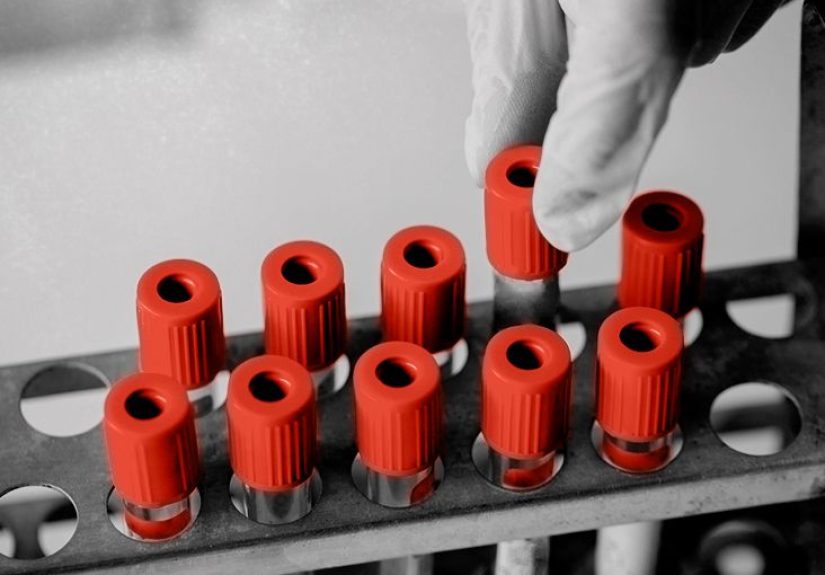
A GGT test uses a standard blood sample, usually from a vein in your arm.
- A technician cleans the skin and places a tourniquet.
- A small needle draws a blood sample into a tube.
- The needle comes out, a bandage goes on, and you’re done.
Most people feel a quick pinch or sting. Mild bruising is possible. Serious complications are uncommon.
How long results take
Timing depends on the labsometimes same-day, sometimes a couple of days, especially if it’s bundled with other tests or sent to a reference lab. If you’re checking results in a portal, remember: the portal posts numbers faster than your clinician can interpret them.
Understanding GGT results: the “pattern” matters
GGT is useful, but it’s not a standalone diagnosis machine. Clinicians interpret it with:
- ALT and AST (enzymes more associated with liver cell injury)
- ALP (often rises with bile duct problems, but also bone issues)
- Bilirubin (a breakdown product that can rise with bile flow issues or liver dysfunction)
- Albumin and clotting tests (more about liver function/synthesis)
- Symptoms, exam findings, medications, alcohol intake, and imaging when needed
What high GGT can mean (common categories)
GGT can rise with many conditions, including (but not limited to):
- Cholestasis (reduced bile flow) and bile duct obstruction (for example, gallstones or strictures)
- Hepatitis (inflammation of the liver) and cirrhosis
- Alcohol-associated liver injury
- Medication-related enzyme elevation (certain anticonvulsants and other drugs can do this)
- Pancreas disease and some systemic illnesses
- Heart failure or reduced blood flow to the liver (in specific clinical contexts)
Important nuance: GGT is sensitive (it can rise in many situations) but not very specific (it doesn’t point to one single cause). That’s why clinicians often order it with other tests.
What low GGT can mean
Low GGT is usually not a clinical problem and is often considered unremarkable. If it’s flagged as low, your clinician will decide whether it matters in context (most of the time, it doesn’t).
How clinicians use “GGT + ALP” together
If ALP is high and GGT is high, clinicians think more about hepatobiliary sources. If ALP is high and GGT is normal, they consider bone sources and may evaluate accordingly.
Example: ALP is 180, GGT is normal, calcium and vitamin D are abnormal, and the person has bone painbone workup may move up the list. If ALP is 180, GGT is elevated, bilirubin is up, and there’s itchingbile duct/liver causes get more attention.
“How high is high?” A practical way to think about it
Because reference ranges vary, the most meaningful comparison is often:
- How far above your lab’s upper limit your result is, and
- Whether it’s trending upward or downward over time.
A mild elevation that resolves after a medication change or alcohol reduction can mean something very different than a persistent rise accompanied by abnormal bilirubin, weight loss, jaundice, fever, or significant abdominal pain.
What happens next if your GGT is elevated?
Next steps depend on your symptoms and the rest of your labs. Common clinician moves include:
- Recheck the test (especially if you were sick, recently drank alcohol, changed meds, or didn’t fast as instructed).
- Review medications and supplements (including “harmless” herbal products).
- Order or review a liver panel (ALT, AST, ALP, bilirubin, albumin) if not already done.
- Screen for common causes based on risk factors (for example, viral hepatitis testing when appropriate).
- Imaging (often an ultrasound) if a bile duct problem is suspected, or if multiple labs suggest cholestasis.
- Lifestyle-focused counseling when metabolic risk factors are present (weight, diabetes, lipids), since fatty liver disease is common.
When to seek prompt care
Seek urgent medical attention if you have symptoms like severe abdominal pain, fever with jaundice, confusion, fainting, vomiting blood, black/tarry stools, or rapidly worsening yellowing of the skin/eyes. Those aren’t “wait for the next lab draw” symptoms.
Can you lower GGT?
The goal is not to “treat the number,” but to address what’s pushing it up. Depending on the cause, your clinician may recommend:
- Reducing or avoiding alcohol (especially if it’s a suspected contributor).
- Medication review (switching or adjusting drugs only when clinically appropriate).
- Managing metabolic risks (weight, blood sugar, triglycerides) with diet, activity, and medical therapy when needed.
- Treating an underlying bile duct issue (which may require imaging and specialist care).
Bottom line: a falling GGT trend after meaningful changes is often more informative than chasing a perfect single “normal” value.
FAQ
Is fasting required for a GGT test?
Sometimes. Some clinicians request fasting because GGT can drop after meals and they want consistent conditions for interpretation. Follow the instructions you’re given for your specific test.
Can I drink alcohol the night before?
Ask your clinician. Alcohol can affect GGT levels, and many providers prefer you avoid it before testing so the result reflects your baseline as much as possible.
Does a high GGT mean I have liver disease?
Not by itself. GGT can rise for many reasonssome temporary, some serious. Clinicians look at the full pattern: symptoms, exam, ALT/AST/ALP/bilirubin, medications, alcohol intake, and sometimes imaging.
If my GGT is normal, does that guarantee my liver is fine?
No single test can guarantee that. A normal GGT is reassuring in some contexts, but clinicians rely on a combination of labs and clinical information to assess liver health.
Conclusion: the GGT test in one sentence
The GGT test is a helpful blood markerespecially alongside ALP and other liver teststhat can suggest liver or bile duct stress, guide next steps, and track trends over time, but it rarely tells the whole story by itself.
Real-world experiences people often report (about )
These are common experiences patients describenot a substitute for medical advice, and not everyone will relate to every point.
1) “The test itself was the easiest part.”
Most people say the blood draw is quick: a brief pinch, a few seconds of mild pressure, and then it’s over. If you’re needle-averse, the anticipation can feel worse than the needle. Some folks like to look away, focus on slow breathing, or bring a cold water bottle for afterward. Mild bruising at the puncture site is one of the most common “after effects,” usually fading over a few days.
2) “My portal posted a scary red flag at midnight.”
A very modern experience: your lab result appears in your online portal at an odd hour, highlighted in red, and suddenly you’re conducting a full late-night internet residency. Many patients report that the most stressful part is the gap between seeing the number and getting context from a clinician. A helpful mindset is to remember that GGT is sensitive, not specificso an abnormal result is often the start of a conversation, not the final verdict.
3) “I got a repeat test because the first one didn’t match the rest.”
People are often surprised when clinicians suggest repeating the test. But it’s common: maybe you had alcohol recently, started a new medication, had a mild viral illness, didn’t fast, or the clinician wants to confirm a trend. Patients frequently describe feeling relieved when a repeat test comes downbecause it supports a temporary or reversible causethough it can also be frustrating to wait for “another needle day.”
4) “My doctor talked about patterns, not panic.”
Patients often say the most reassuring appointments are the ones where clinicians explain the full panel: “Your ALP is up and your GGT is up, so we’re going to check your bile ducts,” or “Your ALP is high but GGT is normal, so we’re also considering bone sources.” That pattern-based explanation helps people stop viewing one number as a personality test for their liver.
5) “I made a couple changesand the trend improved.”
When lifestyle factors are part of the picture, some patients describe choosing a short alcohol break, improving sleep, tightening up medication timing (as advised), or working on weight and blood sugar control. The experience people commonly report is not a dramatic overnight transformation, but a gradual shiftpaired with follow-up labs that show a trend in the right direction. Even when numbers don’t normalize immediately, many find it empowering to focus on what’s controllable while clinicians investigate what isn’t.
6) “I needed follow-up imaging, and that was intimidating.”
If GGT and related labs suggest cholestasis or obstruction, clinicians may order an ultrasound or other imaging. Patients often describe this step as anxiety-provokingmostly because imaging feels more “serious” than bloodwork. But many also say the imaging appointment itself is straightforward and helps replace uncertainty with information, whether the result is “all clear,” “fatty liver changes,” or a specific cause that can be treated.