Table of Contents >> Show >> Hide
- Why This Robin Roberts Career News Hit Fans Right in the Feelings
- Robin Roberts Has Earned the Kind of Loyalty Most TV Personalities Only Dream About
- The Emmy Nomination Wasn’t Just a Win. It Was a Full-Circle Moment.
- Fans Weren’t Reacting to Hype. They Were Reacting to Character.
- Robin Roberts Is Building a Legacy Bigger Than Morning TV
- What This Means for ‘GMA’ Fans and for Robin Roberts’ Future
- Why This Story Feels So Personal to Longtime Viewers
- Conclusion
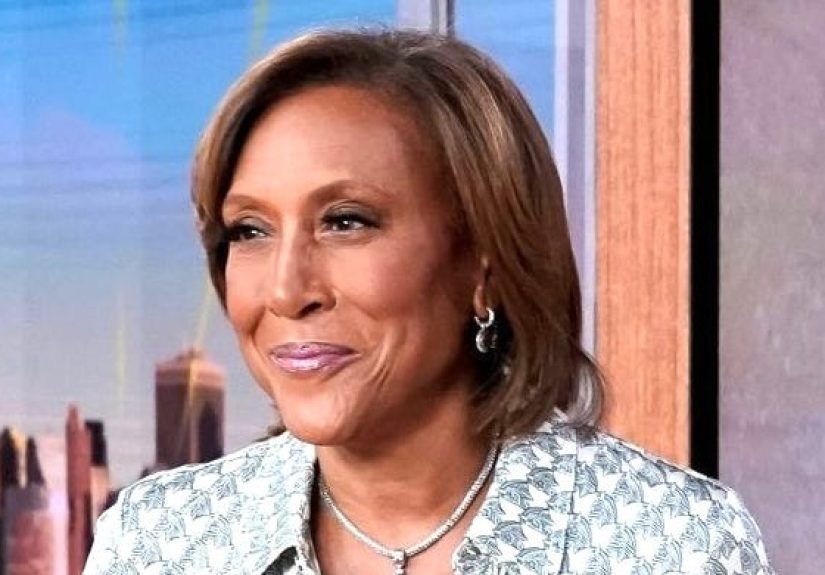
Some celebrity headlines make people shrug, sip their coffee, and keep scrolling. This was not one of them. When Good Morning America co-anchor Robin Roberts shared a fresh piece of career news, fans didn’t just tap the like button and move on. They showed up in full force with congratulations, gratitude, and the kind of warm support usually reserved for a favorite teacher, a beloved aunt, or the one friend who always remembers your birthday and somehow also brings snacks.
The news that got everyone buzzing was a meaningful one: Roberts’ production company, Rock’n Robin Productions, earned a 2026 News & Documentary Emmy nomination for Hurricane Katrina: 20 Years After the Storm. On paper, that is already impressive. In context, it feels even bigger. This wasn’t just another shiny career milestone to place on an already crowded shelf. It was recognition for a project tied closely to Roberts’ personal history, her journalistic roots, and one of the defining tragedies she covered as a broadcaster.
That is exactly why so many ‘GMA’ fans rallied around Robin Roberts after seeing the career news. The nomination landed at the intersection of credibility, emotion, and legacy. In other words, it was classic Robin Roberts: accomplished, heartfelt, and impossible to fake.
Why This Robin Roberts Career News Hit Fans Right in the Feelings
Celebrity fans respond differently depending on the kind of news being shared. A red carpet photo gets applause. A birthday post gets hearts. But a career honor connected to a real story of survival and community? That touches a deeper nerve. Roberts’ Emmy-nominated special revisited the Gulf Coast 20 years after Hurricane Katrina, including New Orleans and Pass Christian, Mississippi, her hometown.
That matters because Roberts didn’t approach the documentary as a detached observer. She has lived the story from the inside out. In 2005, her reporting from the Mississippi Gulf Coast after Katrina stood out because it was personal, raw, and grounded. She wasn’t reading devastation from a teleprompter. She was standing in it. So when her company later produced a special revisiting the storm’s impact two decades later, the project carried more than news value. It carried memory.
Fans understand that. They may not know every production credit on her resume, but they know authenticity when they see it. Roberts has built a public reputation on something surprisingly rare in television: trust. She doesn’t feel manufactured. She feels steady. When viewers see someone like that receive recognition for work tied to resilience and remembrance, the reaction becomes more emotional than transactional.
In simpler terms: people were proud of her, and not in the casual, internet way where everyone says “so deserved” under every post. This felt more personal. Fans weren’t just celebrating a nomination. They were celebrating her.
Robin Roberts Has Earned the Kind of Loyalty Most TV Personalities Only Dream About
There’s a reason viewers respond so strongly to Robin Roberts news. She has spent years building one of the most durable relationships in morning television. Roberts is not simply a familiar face on Good Morning America; she is part of the emotional furniture of the show. She’s the lamp that always works, the chair everyone secretly wants, and the coffee maker that never betrays you on a Monday.
Her career path explains a lot. Roberts rose to national prominence through sports broadcasting before becoming a central figure at ABC. Over time, she evolved from anchor to institution. Viewers have watched her cover major national stories, conduct intimate interviews, and navigate her own public health journey with honesty that resonated far beyond the news cycle. That kind of visibility creates a bond. People feel like they know her, even though they only know her through the screen.
And unlike many public figures whose “brand” feels as if it were assembled by committee in a conference room with bad coffee, Roberts’ appeal feels organic. She has warmth without being syrupy, professionalism without sounding cold, and emotional openness without tipping into performance. That balance is difficult to pull off. It also explains why fans are so quick to celebrate her wins and defend her during harder moments.
The Emmy Nomination Wasn’t Just a Win. It Was a Full-Circle Moment.
There are career milestones, and then there are moments that tell the story of a career. This nomination belongs in the second category.
Hurricane Katrina: 20 Years After the Storm is the kind of project that says a lot about where Roberts is in her professional life. She is no longer defined only by the role viewers see each morning on GMA. She is also shaping stories behind the scenes as a producer, choosing projects with cultural weight and emotional intelligence. That shift matters.
In television, longevity can sometimes trap talent in familiar lanes. Morning-show stars are often expected to smile through celebrity interviews, pivot to a cooking segment, and enthusiastically admire a pumpkin-shaped charcuterie board before 9 a.m. Roberts can certainly do that when needed. But her recent work shows she is operating on a broader creative map. She has continued expanding Rock’n Robin Productions with documentaries, specials, and scripted projects that highlight underrepresented stories, overlooked voices, and emotionally resonant history.
That makes the Emmy nomination more than a nice headline. It signals that Roberts’ work behind the camera is being taken seriously in the same industry where she already commands enormous respect in front of it.
Why the Katrina Special Stands Out
The Katrina special had all the ingredients of a meaningful Roberts project: personal stakes, historical perspective, and a focus on resilience rather than empty spectacle. By revisiting the Gulf Coast 20 years later, the special didn’t simply ask viewers to remember disaster. It asked them to consider what recovery really looks like over time.
That is important because public memory tends to love dramatic beginnings and ignore complicated aftermaths. Cameras show up when buildings fall, floodwaters rise, or lives break apart. They are far less reliable when the story becomes slower, harder, and less visually convenient. Roberts’ project pushed back against that pattern. It returned to the region not just to say, “Look what happened,” but to ask, “What happened after that, and who is still carrying it?”
For viewers who remember Roberts’ original coverage, the special likely felt like a conversation continuing across decades. For newer fans, it showed how deeply rooted her journalism still is, even after years of mainstream morning-show success.
Fans Weren’t Reacting to Hype. They Were Reacting to Character.
One reason this story traveled so well is that it fit the public image Robin Roberts has earned for years. She isn’t famous in a vacuum. She is admired for a specific set of qualities: grace under pressure, emotional intelligence, resilience, and consistency. When fans responded to her career news, they were reacting to the person they believe she has shown herself to be over time.
That might sound sentimental, but in an era when audiences are increasingly skeptical of celebrity personas, it matters. Roberts’ appeal has survived because it doesn’t feel like a performance built only for clicks. Even her success stories tend to land with a sense of perspective. She shares gratitude, not grandiosity. She highlights the work, not just the applause. She talks about teams, communities, and purpose. That tone invites celebration rather than cynicism.
It also helps that this career update came at a time when Roberts’ broader professional profile has remained strong. In recent years, she has expanded her storytelling reach through a range of projects, including interview specials, documentary work, and series developed through Rock’n Robin Productions. Add in major honors such as lifetime achievement recognition and the opening of a broadcast media center bearing her name at her alma mater, and it becomes clear that Roberts is in a fascinating chapter of her career: established enough to be iconic, active enough to keep evolving.
Robin Roberts Is Building a Legacy Bigger Than Morning TV
If this moment revealed anything, it is that Robin Roberts’ influence now stretches well beyond the anchor desk. Yes, she remains one of the defining faces of Good Morning America. But her professional legacy is increasingly tied to what she greenlights, produces, hosts, and champions.
That shift is worth paying attention to. Many television careers peak when the audience is largest. Roberts’ career feels different. Her public visibility is still high, but her work now has added layers. She is part journalist, part interviewer, part producer, part mentor, and part symbol of endurance. It is a rare combination, and it allows her to move across genres without losing her core identity.
That may be why fans respond so strongly to even seemingly simple career announcements. They know each new project is connected to a bigger story. Every documentary, special, and milestone adds another brick to a reputation built not just on fame, but on substance.
And unlike some career reinventions that feel desperate or randomly assembled, Roberts’ evolution feels coherent. Her projects often circle back to values that have shaped her public life from the beginning: compassion, truth-telling, perseverance, and community. So when a nomination arrives for a documentary about Hurricane Katrina’s long shadow, it does not feel like a detour. It feels like a continuation.
What This Means for ‘GMA’ Fans and for Robin Roberts’ Future
The fan reaction to this news says something important about the relationship between audiences and legacy broadcasters. Viewers still respond to people who make trust look simple, even though it never is. Robin Roberts has spent years proving she can handle joy, grief, breaking news, human-interest storytelling, and personal vulnerability without losing her center. That consistency has become her superpower.
So when fans rally around her after career news, it isn’t only because they like her. It is because they see the nomination as validation of what they have believed all along: Robin Roberts is the real deal.
And that matters for what comes next. The Emmy nomination underscores that Roberts’ next chapter is not about coasting on affection or collecting honorary applause. She is still doing serious work. She is still taking on projects with emotional weight. She is still expanding her creative footprint. In entertainment terms, that means momentum. In audience terms, it means they have even more reason to keep showing up.
Whether the next big headline is another documentary, another interview special, another producing credit, or a brand-new surprise no one sees coming, the pattern is clear: Robin Roberts has reached the point where her fans don’t just watch her career. They root for it.
Why This Story Feels So Personal to Longtime Viewers
For many viewers, Robin Roberts is woven into the rhythm of everyday life. She is part of school-morning chaos, part of the coffee-before-work ritual, part of the background sound of countless kitchens and living rooms. That kind of connection changes how people react to career news. It stops being distant entertainment coverage and starts feeling almost relational. Fans aren’t responding the way they would to a random headline about a celebrity landing a new deal. They are reacting the way people react when someone they genuinely admire gets recognized for meaningful work.
There is also a strong emotional memory attached to Roberts herself. Viewers have seen her in celebratory moments, painful moments, funny moments, and deeply human moments. They have watched her move through challenge with candor and optimism, and that history creates a sort of emotional archive in the minds of fans. So when they saw this latest update about an Emmy nomination for a project connected to Hurricane Katrina, they didn’t see a standalone post. They saw years of credibility, compassion, and persistence wrapped into one moment.
That is why the response felt bigger than standard social media applause. People were not only saying, “Congratulations.” They were essentially saying, “Of course this matters, and of course we’re proud of you.” Fans recognize that Roberts has always carried serious stories with care. They also recognize the emotional significance of returning to a subject that shaped both her journalism and her personal history.
There is something comforting about seeing someone remain excellent without becoming distant. Roberts has managed to grow her career, expand into producing, earn major honors, and still come across like the same person viewers trusted before sunrise years ago. In television, that’s almost suspiciously rare. Usually fame adds polish and subtracts warmth. Roberts somehow kept both the authority and the humanity.
That balance may be the real reason fans rallied so hard. The Emmy nomination felt like proof that seriousness and kindness can coexist, that long careers can still produce meaningful work, and that audiences still care about journalism with a heartbeat. For people who have watched Roberts for years, this wasn’t just a nice update in the entertainment cycle. It was a reminder that the person they’ve invited into their homes for so long is still growing, still creating, and still making work that means something.
And honestly, that kind of story is easy to cheer for. In a media environment crowded with noise, ego, and endless self-promotion, Robin Roberts continues to feel refreshingly grounded. Fans picked up on that long ago. This latest career news simply gave them another chance to say it out loud.
Conclusion
Robin Roberts’ latest career news resonated because it was more than industry recognition. It reflected the exact qualities that have made her one of morning television’s most trusted figures: substance, sincerity, and staying power. The Emmy nomination for Hurricane Katrina: 20 Years After the Storm reminded viewers that Roberts is still evolving, still producing meaningful work, and still telling stories with heart. For GMA fans, rallying around her wasn’t a reflex. It was a tribute to a career that keeps earning its flowers.

![18 Best Types of Charts and Graphs for Data Visualization [+ How to Choose]](https://corkopencoffee.org/wp-content/uploads/2026/05/18-best-types-of-charts-and-graphs-for-data-visualization-how-to-choose-qKM1PBYG-thumb.jpg)