Table of Contents >> Show >> Hide
- What Makes a Wrap “Greek,” Anyway?
- Ingredients You’ll Need
- Step-by-Step: Greek Lamb Wraps
- Flavor Notes: Why This Works (and How to Make It Even Better)
- Optional Upgrade: Souvlaki-Style Lamb (for Weekend Energy)
- Variations and Smart Substitutions
- Make-Ahead, Storage, and Meal Prep
- Serving Ideas (Because One Wrap Is Never Enough)
- FAQ: Greek Lamb Wraps
- Conclusion: Your New Go-To Wrap Night
- Real-Life Wrap Wisdom (Extra of Experience-Based Tips)
If your weeknight dinner routine is currently “sad desk salad” meets “mystery freezer nuggets,” it’s time for a small (but delicious) intervention: Greek lamb wraps. Think warm pita, juicy lamb, cool and garlicky tzatziki, crunchy veggies, and that bright lemon-oregano vibe that makes your kitchen smell like it just got back from vacation.
This recipe is designed for real life: it’s fast, it’s flexible, and it doesn’t require a rotating meat cone in your living room. You’ll get gyro-style flavor with a simple skillet methodplus an optional souvlaki-style variation if you’re feeling extra and would like to impress your future self.
What Makes a Wrap “Greek,” Anyway?
Greek-inspired lamb wraps usually hit three notes: savory herbs (oregano and sometimes dill or mint), brightness (lemon and/or vinegar), and creamy contrast (tzatziki or a yogurt sauce). Add crisp vegetables, warm pita, and you’ve got a handheld meal that tastes like a restaurant orderminus the “$4 extra for sauce” surprise.
Ingredients You’ll Need
For the quick gyro-style lamb (skillet method)
- 1 pound ground lamb (80–85% lean is ideal for flavor)
- 1 small yellow onion, grated or finely minced
- 3 cloves garlic, minced
- 2 teaspoons dried oregano
- 1 teaspoon ground cumin
- 1 teaspoon smoked paprika (or sweet paprika)
- 1/2 teaspoon ground coriander (optional, but very “Mediterranean street cart”)
- 1/2 teaspoon kosher salt (plus more to taste)
- 1/4 teaspoon black pepper
- Pinch of cinnamon (optional; tiny amount = warm, not dessert)
- 1 tablespoon olive oil (only if your lamb is very lean)
- 1 tablespoon lemon juice (finish with brightness)
For the tzatziki sauce
- 1 cup plain Greek yogurt (full-fat = richest, but any works)
- 1/2 English cucumber, grated
- 1 small garlic clove, grated or very finely minced
- 1 tablespoon lemon juice (or 1–2 teaspoons red wine vinegar)
- 1 tablespoon olive oil
- 2 tablespoons fresh dill, chopped (mint is great too)
- 1/2 teaspoon salt (start small; adjust after chilling)
- Black pepper, to taste
For building the wraps
- 4 large pitas or flatbreads (or sturdy tortillas in a pinch)
- Shredded romaine or chopped lettuce
- Tomatoes, sliced or diced
- Red onion, thinly sliced (quick-pickle option below)
- Crumbled feta
- Optional: kalamata olives, pepperoncini, chopped cucumbers
Optional quick-pickled onions (highly recommended)
- 1/2 red onion, thinly sliced
- 2 tablespoons red wine vinegar
- Pinch of salt + pinch of sugar
Step-by-Step: Greek Lamb Wraps
1) Make the tzatziki (do this firstfuture you will be grateful)
- Grate the cucumber and squeeze out water. Place the grated cucumber in a clean towel or paper towels and wring it out like it owes you money. This keeps your sauce thick, not sad and watery.
- In a bowl, mix Greek yogurt, the squeezed cucumber, garlic, lemon juice (or vinegar), olive oil, dill, salt, and pepper.
- Chill for at least 10 minutes. Even a short rest helps the garlic mellow and the herbs bloom. Taste and adjust: more lemon for brightness, more dill for freshness, more salt for “why is this suddenly amazing?”
2) (Optional) Quick-pickle the onions
- Combine sliced red onion with red wine vinegar, salt, and a pinch of sugar.
- Let sit while you cook the lamb (10–15 minutes). The bite softens; the flavor gets zippy.
3) Cook the lamb (fast, crispy edges, big flavor)
- Heat a large skillet over medium-high. If your lamb is quite lean, add a splash of olive oil. Otherwise, the lamb will bring its own “I got this” fat.
- Add the lamb and press it into the pan. Let it cook undisturbed for 2–3 minutes so it browns. Then break it up and continue cooking until mostly browned.
- Add onion and garlic. Cook 2–3 minutes, stirring, until fragrant and softened.
- Sprinkle in oregano, cumin, paprika, coriander (if using), salt, pepper, and that tiny pinch of cinnamon. Cook 1 minute to toast the spices.
- Turn heat down to medium. If the pan looks dry, add 1–2 tablespoons water to pick up the browned bits. Finish with lemon juice. Taste and adjust seasoning.
4) Warm the pita (this is not optional if you want “wrap,” not “crack”)
Warm pita in a dry skillet for 20–30 seconds per side, or wrap in a damp paper towel and microwave for 15–20 seconds. Warm bread bends. Cold bread breaks. We’re building dinner, not a pita jigsaw puzzle.
5) Assemble like a pro (or at least like someone who owns a plate)
- Spread tzatziki down the center of each pita.
- Add lettuce, tomatoes, and onions (pickled or fresh).
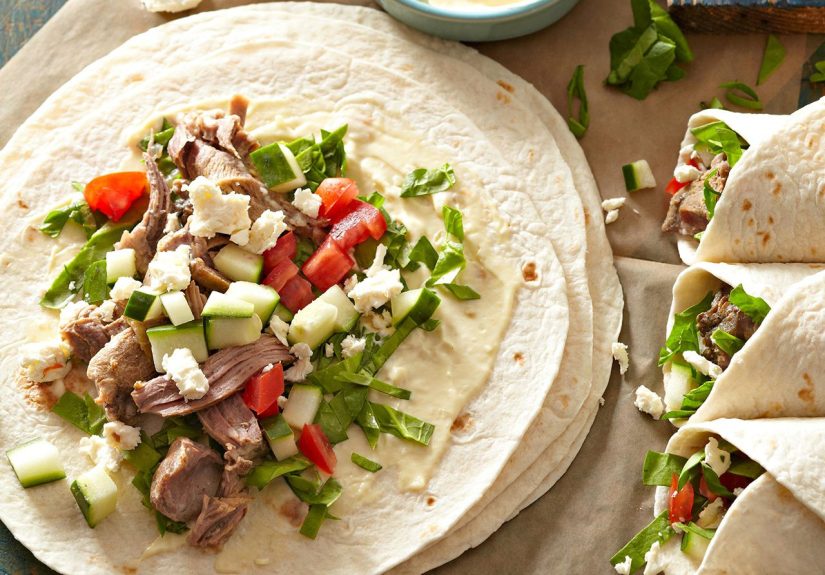
- Pile on the hot lamb. Top with feta, olives, pepperonciniwhatever makes you happy.
- Fold, roll, or wrap in parchment if you want that “street food” feel without the street.
Flavor Notes: Why This Works (and How to Make It Even Better)
- Browning = flavor. Let the lamb sear before stirring. Those crispy bits are basically edible applause.
- Grated onion is a cheat code. It melts into the meat and makes everything taste more “restaurant.”
- Acid at the end. Lemon juice brightens without turning the meat sour or dulling the spices.
- Thick tzatziki is the goal. Squeezing cucumber keeps it creamy and scoopable, not runny.
Optional Upgrade: Souvlaki-Style Lamb (for Weekend Energy)
Want chunkier lamb, more grill vibes, and the feeling you should be wearing sunglasses indoors? Use lamb shoulder or leg cut into bite-size cubes and marinate quickly.
Quick marinade
- 2 tablespoons olive oil
- 2 tablespoons lemon juice + a little zest
- 1 tablespoon red wine vinegar
- 2 cloves garlic, minced
- 2 teaspoons oregano
- Pinch of crushed red pepper (optional)
- Salt and pepper
Marinate 10–30 minutes (longer is fine). Skewer or pan-sear over medium-high heat until browned and cooked to your liking. Then assemble wraps the same way.
Variations and Smart Substitutions
Make it lighter
- Use a mix of ground lamb + ground turkey (half and half) for a leaner bite.
- Serve as a gyro bowl over chopped romaine with pita chips on the side.
Make it spicier
- Add harissa or a pinch of cayenne to the lamb.
- Stir a little hot sauce into the tzatziki for a “cool heat” situation.
Make it dairy-free
- Swap Greek yogurt for a thick, unsweetened dairy-free yogurt. Add extra lemon and herbs for brightness.
- Skip feta and lean into olives, cucumbers, tomatoes, and herbs.
Make-Ahead, Storage, and Meal Prep
- Tzatziki: keeps 3–4 days refrigerated. If it weeps a little, stir and keep living your best life.
- Cooked lamb: keeps 3–4 days refrigerated. Reheat in a skillet for best texture (microwave works, but skillet wins).
- Freezing: freeze cooked lamb up to ~2 months for easy future wraps. Thaw overnight and re-crisp in a pan.
- Meal-prep trick: pack components separately (meat, sauce, veg, pita). Assemble right before eating for maximum freshness.
Serving Ideas (Because One Wrap Is Never Enough)
- Greek salad with cucumbers, tomatoes, red onion, olives, and feta
- Roasted potatoes with oregano, lemon, and olive oil
- Simple rice with parsley and lemon zest
- Grilled veggies (zucchini and bell pepper love this wrap life)
FAQ: Greek Lamb Wraps
What if I don’t like the “gamey” taste of lamb?
Two easy fixes: choose younger lamb when possible (often milder), and use bright flavorslemon, oregano, garlic, and yogurt sauce. You can also blend lamb with beef or turkey for a gentler flavor.
Can I use store-bought tzatziki?
Absolutely. Homemade is fresh and customizable, but store-bought is convenient and still delicious. If it tastes flat, add a squeeze of lemon and extra dill.
How do I stop my wrap from exploding?
Use warm pita, don’t overfill, and layer strategically: sauce first, lettuce as a “buffer,” then meat and heavier toppings. Also, parchment paper is basically wrap insurance.
Conclusion: Your New Go-To Wrap Night
Greek lamb wraps are the rare meal that feels like a treat but behaves like a responsible weeknight dinner: quick, balanced, and endlessly customizable. Once you’ve got the lamb spice blend and tzatziki technique down, you can remix it into bowls, salads, pita pockets, or “I’m eating this standing at the counter and I’m happy” plates.
Real-Life Wrap Wisdom (Extra of Experience-Based Tips)
When people make Greek lamb wraps at home, the first “aha” moment is usually how much texture matters. The flavors are bold and familiarlemon, garlic, oreganobut the reason a wrap tastes restaurant-level is the contrast: hot meat + cool sauce, soft pita + crunchy veg. If your first batch tastes good but feels a little “meh,” it’s often because everything is the same temperature or the same texture. The fix is simple: keep the lamb hot, keep the tzatziki cold, and don’t skip something crisp (romaine, cucumber, onions, or even shredded cabbage).
Another common experience: tzatziki turning watery. This isn’t a moral failing; it’s cucumbers being cucumbers. In most home kitchens, the biggest improvement comes from squeezing grated cucumber well and using thick yogurt. If you’re in a rush, you can still make it workjust drain the cucumber for a few minutes and stir again right before serving. People also discover that garlic intensity changes over time: right after mixing, it can taste sharp; after chilling, it becomes smoother and more “rounded.” That’s why making tzatziki first feels like a magic trickby the time your lamb is done, your sauce has mellowed into something you’ll want to put on everything (including, dangerously, potato chips).
If you’re feeding a group, wraps tend to become a fun build-your-own situation. The best real-world setup is to treat it like a taco bar: a platter of lamb, a bowl of tzatziki, a heap of chopped veggies, and warm pitas stacked in a towel. Guests naturally customizesomeone goes heavy on feta, someone adds olives, someone quietly makes a wrap that is 70% tzatziki and pretends it’s “for balance.” No judgment. For picky eaters, setting aside plain veggies and keeping the spice level moderate helps. You can always add heat at the table with pepperoncini, hot sauce, or a pinch of crushed red pepper.
For meal prep, the most consistent win is packing components separately. Cooked lamb reheats best in a skillet for a minute or two to re-crisp the edges, and pita is happiest warmed right before eating. A very practical weekday move is to turn leftovers into a salad bowl: romaine, tomatoes, cucumbers, lamb on top, tzatziki as dressing, and pita on the side. It scratches the same itch, travels better, and doesn’t require you to master one-handed wrap engineering during a busy lunch break.
Finally, the “I made this twice in one week” experience: once you find your ideal seasoning balance, these wraps become a repeat dinner because the core method is stable while the toppings are a choose-your-own-adventure. One night it’s classic gyro-style with feta, the next it’s more herb-forward with mint, and by Friday you’re adding roasted peppers because you found them in the fridge and felt inspired. That’s the real charm of Greek lamb wraps: they’re reliable, but they never feel boringkind of like the friend who always shows up on time and also knows where the best snacks are.