Table of Contents >> Show >> Hide
- What the Research Actually Found
- Why This Matters for Heart Disease
- Before the Internet Turns This Into a Battle of the Sexes
- Why Might Women Benefit More From Less Exercise?
- What Kinds of Exercise Help the Heart Most?
- Heart Disease Risk Factors Exercise Can Help Improve
- Men and Women Do Not Always Experience Heart Disease the Same Way
- What Men Should Do With This Information
- What Women Should Do With This Information
- A Practical Weekly Heart-Healthy Exercise Plan
- Real-World Experiences: What This Looks Like in Daily Life
- The Bottom Line
Heart disease has been stealing headlines, health, and peace of mind for years, and for good reason. It remains the leading cause of death in the United States, which is an infuriatingly strong argument for taking your sneakers out of retirement. But a recent finding added an interesting twist to the standard “move more” advice: men may need roughly twice as much exercise as women to reach similar reductions in cardiovascular and overall mortality risk.
That does not mean men are doomed to live at the gym, nor does it mean women can wave at a treadmill once a week and call it preventive medicine. What it does mean is that the relationship between exercise and heart health may not look exactly the same for everyone. And that matters, because exercise is one of the few heart-protective habits that improves multiple risk factors at once. It can help with blood pressure, cholesterol, blood sugar, body weight, circulation, stress, sleep, and overall fitness. In other words, it is the multitasker of the wellness world.
This article breaks down what the research actually found, what it does not prove, how the findings fit with current heart-health guidelines, and what men and women can do right now to lower heart disease risk without turning exercise into a full-time personality.
What the Research Actually Found
The headline comes from a large U.S. study that examined leisure-time physical activity and long-term mortality in more than 412,000 adults. Researchers found that women generally gained greater survival benefits from equivalent amounts of exercise than men did. Put more simply, women appeared to get more heart-protective mileage from the same workout dose.
One of the most attention-grabbing details involved moderate exercise. Women reached about the same level of reduced mortality risk at roughly 140 minutes per week of moderate activity that men did at around 300 minutes per week. With vigorous activity, women hit similar benefit levels at about 57 minutes weekly, while men needed closer to 110 minutes. That is where the “twice as much exercise” framing comes from.
The study also found that women often saw greater returns at peak exercise levels. At around 300 minutes of moderate exercise per week, women showed a larger reduction in all-cause mortality than men. Strength training also looked especially promising. Women appeared to gain meaningful benefits even at lower weekly frequency, while men often needed more sessions to reach similar levels of risk reduction.
That is the good headline version. The responsible version is this: the findings are compelling, but they are not a commandment carved into a kettlebell.
Why This Matters for Heart Disease
Heart disease is not one single condition. It is an umbrella term that includes problems such as coronary artery disease, heart attack, heart failure, and rhythm disorders. The most common type in the United States is coronary artery disease, which affects blood flow to the heart. That reduced blood flow can eventually trigger a heart attack.
Exercise helps because it tackles many of the major drivers of heart disease at the same time. Regular physical activity can lower blood pressure, improve blood cholesterol, help regulate blood sugar, reduce inflammation, support a healthy weight, and improve cardiorespiratory fitness. If that sounds like a lot, it is. That is why cardiologists talk about physical activity as both prevention and treatment support.
Think of exercise as less of a magic bullet and more of a systems upgrade. It does not merely “burn calories.” It improves how your heart pumps, how your blood vessels respond, how your muscles use energy, and how efficiently your body handles stress. Even better, it can also make other healthy habits easier to maintain. People who exercise regularly often sleep better, cope with stress more effectively, and feel more motivated to stick with heart-smart routines.
Before the Internet Turns This Into a Battle of the Sexes
The Guidelines Are Still the Same for Adults
Here is the part that deserves a highlighter: current U.S. physical activity guidelines do not give men and women different minimum exercise targets. Adults are still advised to get at least 150 to 300 minutes of moderate-intensity aerobic activity each week, or 75 to 150 minutes of vigorous activity, plus muscle-strengthening work on at least two days weekly.
So even though women in the study appeared to gain comparable benefits with less activity, the official recommendation remains the same for both sexes. Why? Because guidelines are built from broad bodies of evidence, not one study, even a very large and well-done one.
The Study Was Observational
This is important. The research found associations, not ironclad proof of cause and effect. Participants reported their leisure-time physical activity, and researchers tracked outcomes over time. That makes the findings valuable, but it is not the same as assigning men and women to controlled exercise plans for decades and measuring exactly what happens.
In plain English: the study strongly suggests a meaningful sex difference in exercise-related benefit, but it does not prove that every man needs exactly double the workout minutes of every woman. Biology is messy. Humans are messier.
Men Still Benefit Tremendously From Exercise
The headline can accidentally make it sound as if men are somehow losing a fitness competition. They are not. Men in the study still saw major health benefits from regular exercise. The difference was in how much activity was associated with similar reductions in mortality risk. More exercise still helped both sexes. Nobody got a free pass. Sorry to everyone hoping briskly carrying groceries would officially count as elite cardio.
Why Might Women Benefit More From Less Exercise?
Researchers are still working through the reasons, and no single explanation has settled the matter. Still, several possibilities are often discussed.
One is physiology. Women and men can differ in body composition, vascular function, hormone patterns, and how muscles use oxygen and energy during activity. Some scientists suspect these differences may allow women to gain certain cardiovascular benefits at lower exercise volumes.
Another possibility is that exercise quality and pattern matter. Leisure-time activity can vary widely in intensity, consistency, and type. A brisk 25-minute walk is not the same as a casual stroll while deciding what to make for dinner. Researchers also know that strength training, moderate cardio, and vigorous cardio may influence the body in different ways.
There may also be a behavioral layer. Women have historically reported lower rates of structured exercise than men, so even relatively modest increases in activity could produce noticeable benefit. That does not make the finding less real. It just means the story may involve both biology and behavior.
The takeaway is not that women are “better at exercise.” The smarter takeaway is that personalized prevention matters, and the one-size-fits-all messaging around heart health may need more nuance over time.
What Kinds of Exercise Help the Heart Most?
Aerobic Exercise
Aerobic activity is the classic heart-health workhorse. This includes brisk walking, cycling, jogging, swimming, dancing, rowing, stair climbing, and similar activities that raise your heart rate and make you breathe harder. Regular aerobic exercise improves circulation, supports healthy blood pressure, and helps reduce several heart disease risk factors.
If you are new to exercise, brisk walking is an excellent place to start. It is accessible, low-cost, and easier on the joints than many higher-impact options. Walking may not look glamorous, but your heart is not grading style points.
Strength Training
Strength work deserves more attention than it usually gets in heart-health conversations. Resistance training helps build lean muscle, improve metabolic health, reduce body fat, and support better blood sugar control. It may also help improve cholesterol levels when combined with aerobic exercise.
You do not need to become a deadlift philosopher to benefit. Free weights, machines, resistance bands, bodyweight exercises, squats, push-ups, and rows all count. Two nonconsecutive days per week is a practical target for most adults.
Move More, Sit Less
One of the most useful updates in modern physical activity advice is that all movement counts. You do not need every workout to happen in a gym with motivational lighting and a playlist that sounds like a movie trailer. Short walks, climbing stairs, active chores, gardening, and movement breaks throughout the day can all add up.
For people who feel overwhelmed by formal exercise goals, this is excellent news. Some activity is better than none, and building momentum matters more than pretending you will suddenly become the kind of person who joyfully does burpees at 5:15 a.m.
Heart Disease Risk Factors Exercise Can Help Improve
Exercise works best when you understand what it is actually changing. Here are some of the biggest heart disease risk factors it can influence:
High blood pressure: Regular movement helps the heart pump more efficiently and can help reduce pressure on artery walls.
Unhealthy cholesterol: Physical activity can help raise HDL, the so-called “good” cholesterol, and improve overall lipid balance.
Blood sugar problems and diabetes risk: Exercise improves insulin sensitivity and helps the body manage glucose more effectively.
Excess body weight and visceral fat: Activity helps with energy balance and reduces harmful abdominal fat linked to cardiovascular risk.
Stress and mental health strain: Chronic stress does not do your heart any favors. Exercise can lower stress and improve mood, which can indirectly support better heart habits.
Poor sleep and low stamina: Regular movement often improves sleep quality and functional fitness, making daily life feel less like a minor endurance event.
Men and Women Do Not Always Experience Heart Disease the Same Way
Another reason this topic matters is that heart disease can present differently in men and women. Chest pain remains the most common heart attack symptom for both. But women are more likely to experience symptoms that are easier to dismiss, including nausea, unusual fatigue, shortness of breath, neck pain, jaw pain, upper back pain, lightheadedness, or indigestion-like discomfort.
This can delay care, which is dangerous. A person having a heart attack is not always going to clutch their chest like a TV actor in a pharmaceutical commercial. Sometimes the warning signs are subtler, especially in women.
Women can also face some sex-specific or sex-influenced risk issues. Conditions such as diabetes may raise heart risk more sharply in women, and menopause, pregnancy-related complications, and certain forms of small vessel disease may shape risk in ways that deserve more public attention.
What Men Should Do With This Information
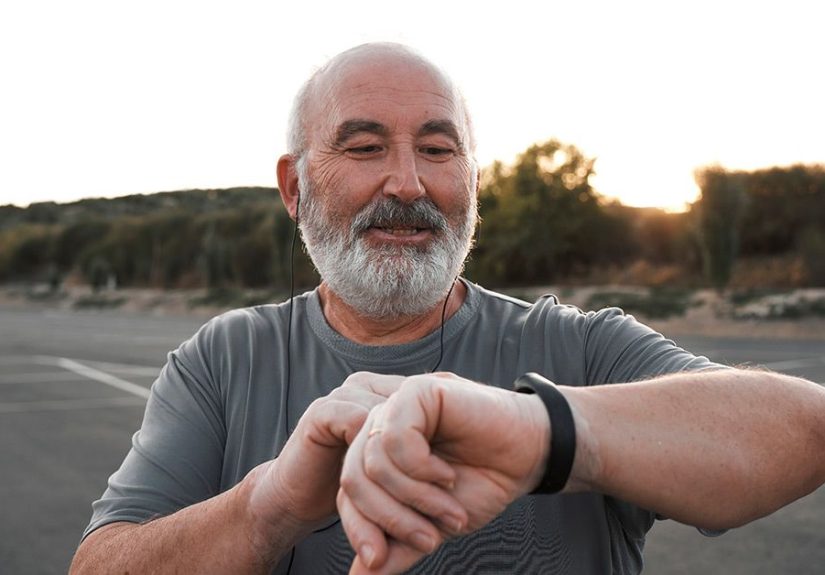
If you are a man reading this, the message is not “you drew the short straw.” The message is that consistency and volume may matter more than you think. If your weekly routine consists of one ambitious weekend workout followed by a six-day romance with the couch, it may be time for a reset.
A good goal is to build toward the standard recommendations and, if appropriate for your health status, consider progressing beyond the bare minimum. Men in the study tended to see similar benefits at higher total activity levels, especially for moderate and vigorous exercise. That suggests dose matters.
Men should also be careful not to ignore the basics: blood pressure checks, cholesterol screening, weight management, tobacco avoidance, sleep, and stress control. Exercise is powerful, but it works best as part of a bigger prevention strategy.
What Women Should Do With This Information
If you are a woman, this research offers something refreshingly encouraging: you may not need huge blocks of exercise time to gain meaningful cardiovascular benefits. That is important in real life, where work, caregiving, family logistics, and basic adult chaos can make a 90-minute gym habit feel like science fiction.
The bigger point is that smaller, consistent doses of exercise are still worth doing. If all-or-nothing thinking has kept you from getting started, this is your cue to stop waiting for the “perfect” fitness routine. A brisk walk during lunch, a short cycling session, two strength workouts a week, or several 10- to 20-minute activity blocks can absolutely matter.
But women should not underread the study either. Getting benefit from less exercise does not mean more movement stops helping. Cardio, strength work, flexibility, and regular activity still matter across the lifespan.
A Practical Weekly Heart-Healthy Exercise Plan
For most adults, a realistic plan beats an ambitious fantasy schedule every time. A week like this can support heart health without taking over your life:
Monday: 30-minute brisk walk
Tuesday: 25 to 30 minutes of strength training
Wednesday: 20-minute bike ride or fast walk
Thursday: Rest day or light movement, such as stretching and extra walking
Friday: 30-minute brisk walk or swim
Saturday: 25 to 30 minutes of strength training
Sunday: Longer walk, hike, dance class, or recreational sport
This kind of schedule can be adjusted up or down depending on fitness level, age, medical history, and preferences. The best heart-healthy plan is the one you will actually keep doing after the initial burst of motivation has left the building.
Real-World Experiences: What This Looks Like in Daily Life
One of the most relatable things about this topic is how different the exercise conversation feels in real life compared with research headlines. Plenty of men hear “exercise more” and immediately imagine something intense, punishing, and vaguely military. So they either overdo it for two weeks or avoid it completely. A more useful experience is often much less dramatic. A man in his 40s with borderline high blood pressure may start with a daily 20-minute walk, realize he feels less sluggish, add weekend bike rides, then slowly build to 250 or 300 minutes of weekly movement. The change is not cinematic. It is gradual, practical, and effective.
Women often describe a different obstacle: time. Between work, caregiving, family schedules, and the general nonsense of modern life, many women assume exercise only “counts” if it happens in long, polished sessions. That belief can quietly become a barrier. But a woman who starts squeezing in 15-minute brisk walks, short strength sessions at home, and a couple of active weekends may discover something powerful: consistency beats perfection. The routine looks ordinary on paper, yet energy improves, sleep gets better, stress feels less sharp, and health markers start moving in the right direction.
There is also a psychological shift that happens when people stop treating exercise like punishment and start treating it like maintenance. It becomes less about earning dessert and more about protecting your future. People often say the first visible results are not dramatic weight changes or superhero stamina. Instead, they notice practical wins: climbing stairs without huffing, feeling mentally clearer in the afternoon, having fewer stress headaches, or getting a better report from a doctor after months of steady effort.
Couples and families can experience this differently too. Sometimes one partner is naturally more active, while the other is more hesitant or inconsistent. But when both start building movement into daily life, such as evening walks, weekend hikes, active errands, or simple home workouts, exercise becomes less of a solo burden and more of a household norm. That matters because heart health is shaped by routines, not motivational speeches.
Another common experience is frustration with plateaus. People start exercising and expect immediate transformation. Then real life happens. Work gets busy. Someone catches a cold. Weather turns ugly. Motivation dips. The people who benefit long term are not always the most disciplined in a heroic sense. They are often the ones who restart quickly. They miss a week, then walk again. They have a bad month, then return to strength training. They do not treat inconsistency as failure. They treat it as being human.
That may be the most useful lesson of all. Heart-protective exercise does not require perfection, elite performance, or a suspiciously expensive water bottle. It requires repetition. The men and women who make progress usually learn the same thing: the goal is not to win fitness. The goal is to build enough movement into life that your heart quietly benefits for years.
The Bottom Line
Yes, the headline is rooted in real evidence: men may need roughly twice as much exercise as women to reach similar reductions in mortality risk, based on a large U.S. study of leisure-time physical activity. But the smartest interpretation is not to obsess over a sex-based workout scoreboard. It is to understand that heart disease prevention is both universal and personal.
For men, the finding is a reminder that more weekly movement may be necessary to achieve bigger protective gains. For women, it is an encouraging sign that meaningful heart benefits can show up even with lower exercise volumes. For everyone, the lesson is clear: regular activity matters, strength training matters, and doing something consistently beats planning the perfect routine forever.
If your heart could file a formal complaint, it would probably say this: please stop waiting for Monday, next month, or a totally empty calendar. Start walking. Start lifting. Start moving. Your cardiovascular system is not asking for a heroic montage. It is asking for a habit.