Table of Contents >> Show >> Hide
- Quick answer for the impatient (but still responsible)
- What “ripe” means for pumpkins (hint: it’s not just “orange”)
- 7 reliable signs a pumpkin is ready to harvest
- Timing your harvest with weather: frost is the real boss
- How to harvest pumpkins (without accidentally sabotaging them)
- After harvest: curing pumpkins so they store longer
- Storing pumpkins: where they go to hibernate
- What if your pumpkin is still green?
- Harvesting for carving vs cooking (yes, the goal changes the strategy)
- Common pumpkin harvest mistakes (and how to avoid them)
- FAQ: quick fixes for real-life pumpkin problems
- Field notes: of “experience” lessons from pumpkin season
- Conclusion
Pumpkins are the friendly giants of the fall garden: they sprawl, they spook, they feed you, and they somehow
make you believe you could totally pull off a pumpkin-flavored everything. But harvesting pumpkins at the right
time is the difference between a porch masterpiece that lasts for weeks and a “mystery soft spot” that turns your
decorative dreams into compost.
This guide walks you through how and when to harvest pumpkins from your garden with practical,
proven techniques (and a few laughs), so your pumpkins look great, taste great, and store like champions.
Quick answer for the impatient (but still responsible)
- Harvest before a hard frost whenever possible.
- Pick when the pumpkin is fully colored for its variety and the rind is hard (your fingernail shouldn’t dent it).
- Look for a drying, corky stem and declining vines as bonus confirmation.
- Cut (don’t yank) the pumpkin off the vine, leaving 2–4 inches of stem (sometimes a bit longer for looks).
- Cure harvested pumpkins in warm, airy conditions for about 7–14 days, then store them cool and dry.
What “ripe” means for pumpkins (hint: it’s not just “orange”)
A pumpkin is “ready” when it has reached maturity: the rind has hardened, the seeds have developed, and the fruit
has the best chance of storing well. Depending on the variety, this can be roughly 90–120 days after planting
(sometimes more, sometimes less). That range is why your neighbor’s pumpkin might be ready while yours is still
auditioning for the role of “large green bowling ball.”
Variety matters more than your fall playlist
Not every pumpkin is meant to store the same way. Classic carving types (often labeled “jack-o’-lantern” pumpkins)
typically store for a shorter time than many hard-skinned winter squash types. Smaller “pie” pumpkins often have
denser flesh and can store reasonably well when harvested and cured properly.
7 reliable signs a pumpkin is ready to harvest
Use a combination of these signs (not just one) for the best call on pumpkin harvest time.
1) Full, even color for the variety
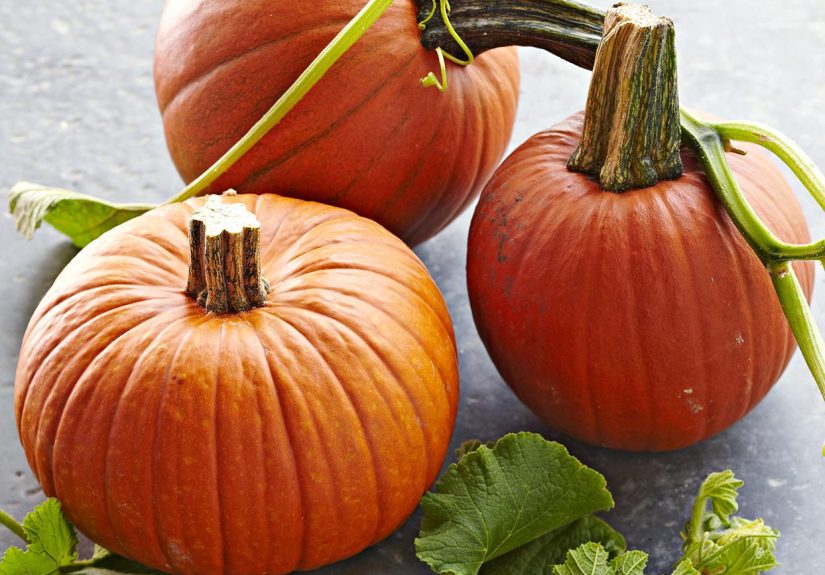
Orange varieties should look richly orange (not blotchy or pale). White, green, striped, or blue varieties should
reach their expected mature color and pattern. If you’re not sure what “mature” looks like, peek at the seed packet
photo (yes, this is one of the few times product marketing helps).
2) The rind passes the “fingernail test”
Press your fingernail into the rind. A mature pumpkin has a hard rind that resists denting. If your nail sinks in,
the skin is still tender and the pumpkin won’t store as well. Consider this the most agricultural use of a manicure
you’ll ever have.
3) The skin looks more matte than shiny
Immature pumpkins often have a shinier surface. As they mature, the exterior tends to look duller and tougher.
(Think: “ready for storage,” not “freshly waxed.”)
4) The stem starts drying and turning corky
A mature pumpkin usually has a firmer stem that begins to dry, harden, and sometimes crack slightly. A soft, green,
juicy stem is a common “too soon” clue.
5) Vines decline (but don’t panic if they don’t)
Many pumpkin vines start to yellow and die back as fruits reach maturity. That said, vines can also look rough from
disease, pests, or drought before the pumpkin is truly readyso use this sign with the rind test and color.
6) The pumpkin sounds hollow when tapped
Give it a gentle knock. A deeper, hollow sound can indicate maturity. This is not scientific percussion, but it’s a
useful supporting clue when paired with rind hardness.
7) The fruit is full-sized and feels “finished”
If a pumpkin has stopped noticeably growing and looks proportionate for its variety, it may be mature. If it still
looks like it’s trying to become a pumpkin someday, give it timeweather permitting.
Timing your harvest with weather: frost is the real boss
Pumpkins are warm-season crops and cold can damage the rind, reducing storage life. The main goal is to harvest
before a hard freeze (when temperatures stay low enough to freeze tissues). A light frost can sometimes be survivable,
but once a pumpkin has been frozen, it’s more likely to break down and rot.
Rule of thumb
- Before hard frost: Ideal harvest window for long storage.
- If a light frost is predicted: You may be okay, but protect fruit if possible and harvest soon after.
- If a hard freeze is coming: Harvest what’s mature (and even near-mature) first.
If you’re forced to pick slightly early due to weather, you can still get decent resultsespecially if you cure
properly and accept that the storage “clock” may be shorter.
How to harvest pumpkins (without accidentally sabotaging them)
What you’ll need
- Sharp pruners, loppers, or a sturdy knife
- Gloves (pumpkin vines are basically tiny cactus impersonators)
- A towel or piece of cardboard to set fruit on while cutting
Step-by-step pumpkin harvesting tips
- Choose a dry day if you can. Wet rinds + storage = a party for rot organisms.
-
Inspect the pumpkin. Skip any with deep wounds, collapsing spots, or active rot for storage.
(Those are “use now” pumpkins.) -
Cut the stem cleanly. Leave about 2–4 inches of stem. A good stem helps reduce decay and improves
appearance. For display pumpkins, some gardeners leave a bit longer for style points. - Never yank the pumpkin off the vine. Tearing creates wounds that shorten shelf life.
-
Don’t carry pumpkins by the stem. If the stem snaps, you’ve opened an express lane for rot.
Cradle the pumpkin with both hands instead. - Handle gently. Bruises often don’t show right away, but they can become soft spots later.
After harvest: curing pumpkins so they store longer
Curing is the underappreciated glow-up step. It helps the rind harden further and allows small scratches to heal,
improving long-term storage. If you want pumpkins that last beyond “one weekend of fall vibes,” curing matters.
Simple curing setup
- Temperature: warm (often recommended around the low-to-mid 80s °F)
- Airflow: good ventilation (a fan helps)
- Time: about 7–14 days depending on conditions and variety
- Keep them dry: avoid rain, irrigation splash, or damp surfaces
Common curing locations: a covered porch, a garage with airflow, a barn, or any sheltered spot that stays warm and dry.
Space pumpkins so they don’t touchthis reduces moisture buildup and slows the spread if one pumpkin starts to fail.
Should you clean pumpkins before storing?
If pumpkins are muddy, wipe them clean and let them dry thoroughly. Some gardeners use a mild sanitizing rinse (often
a diluted household bleach solution) to reduce surface microbesespecially for pumpkins meant for longer storage or display.
Whether you sanitize or not, the most important factors are: no wounds, no moisture, and good airflow.
Storing pumpkins: where they go to hibernate
Once cured, move pumpkins to a place that’s cool, dry, and well-ventilated. Too warm and they dehydrate faster.
Too cold and they can suffer chilling injury (yes, pumpkins are dramatic like that).
Best storage conditions
- Temperature: cool (often recommended around 50–55°F)
- Humidity: moderate (enough to prevent shriveling, not so high it encourages mold)
- Air circulation: key for preventing condensation and decay
How to arrange pumpkins in storage
- Store in a single layer, not piled.
- Keep pumpkins from touching each other.
- Use shelves, slats, cardboard, or straw to keep them off cold concrete.
- Check weekly and remove any fruit that shows soft spots or mold.
Also: keep pumpkins away from ethylene-heavy fruits like apples if possible. Ethylene can speed up aging and shorten
storage life. Your pumpkin doesn’t need peer pressure to grow up faster.
What if your pumpkin is still green?
Two scenarios:
-
It’s a green variety. Congratulationsyour pumpkin is doing exactly what it was born to do.
Use rind hardness and stem condition instead of color alone. -
It’s immature. If frost is coming, harvest it anyway and cure it warm and dry. Some pumpkins will
develop more color off the vine, but don’t expect miracles. The rind’s maturity (hardness) is what matters most for storage.
Harvesting for carving vs cooking (yes, the goal changes the strategy)
For carving and porch display
- Prioritize an unblemished rind and a solid stem.
- Cure and store properly to keep them firm longer.
- Carve as close to Halloween (or your event) as possible for best results.
For eating
- Use “pie” or cooking varieties when possible; many carve types are watery and stringier.
- Curing can improve sweetness and texture for some varieties.
- Cook or preserve at peak qualitydon’t wait for the pumpkin to become a science project.
Common pumpkin harvest mistakes (and how to avoid them)
- Picking too early: Soft rind = poor storage. Use the fingernail test.
- Waiting for a freeze: Frozen pumpkins break down quickly. Watch the forecast.
- Snapping the stem off: Cut cleanly and don’t carry by the stem.
- Storing in piles: Piles trap moisture and heat. Use a single layer with airflow.
- Storing too cold: Cold damage shortens shelf life. Aim for cool, not fridge-cold.
FAQ: quick fixes for real-life pumpkin problems
Can I leave pumpkins on the vine until the first frost?
If the fruit is mature and you’re monitoring weather closely, leaving pumpkins a bit longer can be fine. But don’t gamble
with a hard freeze. Once freezing damage happens, storage life drops fast.
How long can pumpkins last in storage?
It depends on the variety, maturity at harvest, and storage conditions. Many pumpkins can last for weeks to months when cured
and stored properly. Carving types usually store for a shorter period than many hard-skinned winter squash.
Should I refrigerate whole pumpkins?
Usually no. Most refrigerators are too cold for whole pumpkins and can cause chilling injury. Refrigerate cut pumpkin pieces,
not intact, cured pumpkins meant for storage.
Bonus safety note: can you home-can pumpkin purée?
Food safety authorities generally advise against home canning pumpkin butter or pumpkin purée. If you preserve pumpkin,
use tested methods (often pressure canning cubed pumpkin) or choose freezer storage for purée. When in doubt, follow
up-to-date, research-based preservation guidance.
Field notes: of “experience” lessons from pumpkin season
Garden advice gets stickier (and more memorable) when it’s attached to a story. Here are a few experience-style
lessons that echo what countless pumpkin growers learn every fallsometimes the fun way, sometimes the “why is my
porch leaking?” way.
The Tale of the Snapped Stem
Someone always does it: they pick up a gorgeous pumpkin by the stem like it’s a convenience-store basket handle.
For one magical second, it works. Then the stem snaps off with a sound that is equal parts heartbreak and
“well…that’s on me.” The pumpkin looks fine, so it gets proudly displayed anyway. A week later, the top has a
soft spot that appears out of nowherebecause the stem scar is basically an open doorway.
The fix is boring but effective: cut with pruners, leave a nice stem, and carry the pumpkin like it’s a
sleeping baby (or like it cost $49.99 at a boutique farm stand). Your future self will thank you.
The “It Was Only a Little Frost” Surprise
A chilly night hits and the garden gets a light frost. The leaves look sad, but the pumpkins look unchanged, so
they get left outside. Then comes the second nightcolder, longer, meaner. The pumpkins still look okay in the
morning, which is the garden equivalent of a villain saying, “Everything is fine.”
A few days later, those same pumpkins develop mushy areas. Freezing damage can be sneaky: tissues break down as
the fruit warms back up, and decay moves in. The experience lesson is simple: watch the forecast, and harvest
mature pumpkins before the weather makes the decision for you.
The Great Garage Pile-Up
A big harvest day feels amazinguntil you realize you have 18 pumpkins and exactly zero plan. Many gardeners do
the logical thing: they stack them into a cozy pile in the garage like they’re building a pumpkin fort. It looks
adorable. It also creates warm pockets, traps moisture, and lets one bad pumpkin take the rest down with it.
The “experienced” approach is less Instagrammable but way more successful: store pumpkins in a single layer,
spaced apart, with airflow. Think “library book display,” not “pumpkin Jenga.”
The Miracle Cure Myth
Sometimes a pumpkin is harvested early, and the hope is that curing will turn it into the perfect, long-storing
fruit. Curing is powerfulbut it’s not wizardry. It can help harden a nearly mature rind and heal tiny scratches,
but it can’t fully mature a pumpkin that never developed a strong skin on the vine.
The practical takeaway: curing is the finishing school, not the whole education. Pair it with the rind test
and weather timing, and you’ll get the best results.
The “Why Is My Pumpkin Shriveling?” Moment
Pumpkins stored too warm or too dry can slowly dehydrate. A pumpkin might not rotit just quietly loses moisture,
and your once-proud orb becomes a slightly wrinkled gourd grandpa. The “seasoned gardener” move is to store pumpkins
cool (not cold) with moderate humidity and ventilation. And yes, that means the living room floor next to the
heater vent is…not ideal.
Put all of these experiences together and you get the real secret to harvesting pumpkins: it’s not one magical trick.
It’s a chain of small, smart choicesharvest at maturity, protect from freezing, cut with a stem, cure with airflow,
and store cool and dry. Do that, and your pumpkins will last long enough to star in your fall décor, your soup pot,
and maybe even your “I grew this!” humble-brag.
Conclusion
Harvesting pumpkins from your garden is part timing, part technique, and part resisting the urge to treat a stem like a handle.
Use the rind test and color as your primary readiness checks, harvest before a hard freeze, cut cleanly with a stem attached,
cure in warm, airy conditions, and store pumpkins in a cool, dry spot with good ventilation. That’s how you keep pumpkins
firm, flavorful, and proudly un-rotten.