Table of Contents >> Show >> Hide
- Why a Bean Trellis Is Worth Building
- Choose the Right Trellis Style for Your Garden
- Materials You’ll Need
- How to Build a Bean Trellis Step by Step
- Best Trellis Designs for Visual Interest
- Common Mistakes to Avoid
- Bean Varieties That Work Well on a Trellis
- The Real Secret to a Beautiful Bean Trellis
- Experience: What Building a Bean Trellis Adds to the Garden Beyond the Harvest
If your vegetable garden is starting to look a little flat, a bean trellis is one of the easiest ways to fix that. It gives pole beans a place to climb, keeps pods cleaner and easier to pick, and adds height, structure, and a little storybook charm to the yard. In other words, it does practical garden work while also making your space look like you know exactly what you’re doing, even if you’re still Googling “what is the difference between bush beans and pole beans” with dirt on your elbows.
A good bean trellis is not just a support system. It is part harvest tool, part garden feature, and part living sculpture. Once the vines take off, the structure softens into a leafy wall, arch, or teepee that makes the whole bed feel more intentional. And because pole beans keep producing over a longer stretch than bush beans, you get a longer season of food and a better use of vertical space.
Below, you’ll learn how to build a bean trellis that is sturdy, attractive, and easy to use, plus how to plant beans around it so the whole setup actually works in real life and not just in a suspiciously perfect garden photo.
Why a Bean Trellis Is Worth Building
Pole beans are natural climbers. Instead of staying compact like bush beans, they twine upward and keep reaching for the sky. That growth habit makes them ideal for gardeners who want bigger yields from a smaller footprint. Rather than sprawling across valuable bed space, the vines grow vertically, which means more room for lettuce, herbs, flowers, or your ongoing battle with “just one more tomato plant.”
There are other benefits, too. A trellis improves airflow around the foliage, which helps keep plants healthier. It makes pods easier to spot, so you are more likely to harvest on time. It also keeps the beans off the soil, which means cleaner pods and fewer awkward crouching sessions that make you feel 97 years old by sunset.
And then there is the design bonus. A row of beans on plain string works fine, but a well-placed teepee, arch, or fan trellis can become a focal point. It breaks up low-growing beds, frames a path, and adds movement and texture to the garden. If you choose flowering runner beans, it can even double as a pollinator magnet.
Choose the Right Trellis Style for Your Garden
The best bean trellis depends on your space, your budget, and how much visual drama you want. A practical gardener might want a simple row trellis. A gardener with strong opinions about “garden romance” may want an arched tunnel. Both are valid.
1. The Simple Row Trellis
This is the easiest option for a vegetable bed. Place sturdy posts several feet apart and run netting or vertical twine between them. It is efficient, inexpensive, and perfect if your main goal is harvesting a lot of beans without overcomplicating the project.
2. The Classic Teepee
A bean teepee is made by tying tall poles together at the top and spreading the bottoms into a circle. It is sturdy, space-smart, and charming enough to make your garden feel like it has a personality. It is also great for kids, who will immediately treat it like a tiny clubhouse the second you look away.
3. The Arched Trellis
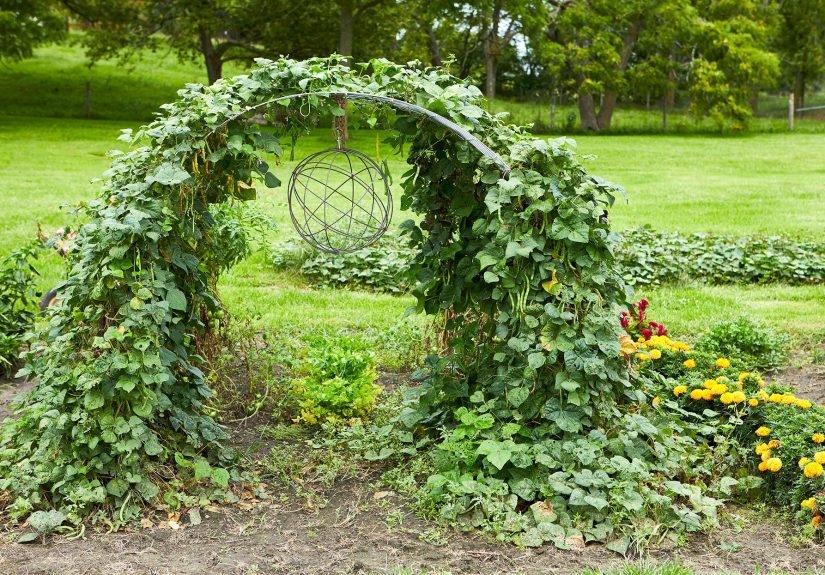
If you want your bean support to add serious visual interest, go with an arch made from a cattle panel and metal posts. It is strong, long-lasting, and dramatic in the best way. Once covered in vines, it creates a tunnel effect that can turn an ordinary path into the garden’s star attraction.
4. The Decorative Obelisk or Tower
For raised beds or compact spaces, a tower or obelisk gives you a vertical accent without taking up much room. It works especially well in kitchen gardens where you want both productivity and a polished look.
Materials You’ll Need
You can build a bean trellis with surprisingly basic supplies. Choose materials based on the style you want:
- For a row trellis: 6- to 8-foot wood or metal posts, garden twine or trellis netting, staples or zip ties, and a mallet or post driver
- For a teepee: 3 to 8 long bamboo poles, saplings, or sturdy branches, plus strong twine
- For an arch: a cattle panel, heavy-duty T-posts, zip ties, gloves, and a post driver
- For planting: compost, mulch, pole bean seeds, and a watering can or hose
Do not skimp on strength. Pole beans are not especially heavy at first, but by midsummer a flimsy trellis can go from “cute weekend project” to “collapsing bean opera” after one windy afternoon.
How to Build a Bean Trellis Step by Step
Step 1: Pick the Right Spot
Choose a site with full sun and good drainage. Beans want warmth, light, and soil that does not stay soggy. If the trellis will be near other vegetables, place it where it will not shade shorter crops. In mixed beds, taller crops like pole beans are often best on the north side so they do not steal sunlight from everything else.
Step 2: Install the Structure Before You Plant
This step matters more than people think. Put the trellis in place before sowing seeds so you do not disturb roots later. For a row trellis, drive posts deeply into the ground and space them far enough apart to stay stable. For a teepee, push the poles securely into the soil and tie them tightly at the top. For an arch, anchor each side with T-posts and fasten the cattle panel well.
A general rule is to make the support at least 6 feet tall, and preferably closer to 7 or 8 feet if you have the room. Pole beans are enthusiastic climbers and do not appreciate low ceilings.
Step 3: Add Climbing Surfaces
Beans need something they can actually twine around. Smooth, wide boards are not helpful. Vertical strings, narrow poles, netting, or wire panels work better. If you are using a row trellis, add vertical twine lines or netting between the posts. If you are making a teepee, a few horizontal loops of string can help young vines get started.
Step 4: Improve the Soil
Before planting, work compost into the bed. Beans do not need overly rich soil, but they do like fertile, loose ground with decent organic matter. Avoid dumping on a heavy dose of nitrogen fertilizer, which can encourage lush leafy growth at the expense of flowers and pods. Basically, you want beans, not a giant green curtain with commitment issues.
Step 5: Sow the Seeds
Wait until frost danger has passed and the soil is warm. Bean seeds planted in cold soil often rot or stall out, so patience pays off. Plant seeds about 1 inch deep. For a row trellis, sow them a few inches apart along the base. For a teepee, plant several seeds around each pole. Once seedlings are up, thin them if needed so the plants have room to breathe and climb.
Step 6: Water, Mulch, and Guide the Vines
Water consistently, especially once the plants start flowering and setting pods. A good target is about 1 inch of water per week, more during hot, dry spells. Mulch helps keep soil moisture even and reduces weeds. If possible, water at the base instead of overhead to keep foliage drier.
Young vines sometimes need a little guidance. Gently wrap wandering tips onto the support rather than forcing them. Once they grab on, they usually take over with impressive confidence.
Best Trellis Designs for Visual Interest
If your goal is a bean trellis that adds real style, not just function, think beyond the standard straight row.
Make an Archway
An arched cattle-panel trellis instantly creates structure in the garden. It defines a path, frames a view, and turns plain beans into a living entrance. Even before the vines fill in, the shape gives the bed a sense of design.
Build a Teepee in the Center of a Bed
A teepee works beautifully as a central focal point. Surround it with lower plants like basil, marigolds, or lettuce. The contrast between the vertical beans and the lower planting makes the whole bed feel layered and intentional.
Use Flowering Beans for Color
Scarlet runner beans bring red blooms that attract hummingbirds and bees, which makes the trellis feel more like a garden feature than a plain vegetable support. They are especially effective near patios, paths, or anywhere you want a little extra movement and color.
Mix Rustic and Refined Materials
Bamboo poles, willow branches, and natural twine give a cottage-garden feel. Metal panels and black posts look more modern. Both can be beautiful. Pick the style that matches the rest of your landscape so the trellis looks intentional rather than random.
Common Mistakes to Avoid
Building it too short: If your support tops out too early, the vines will bunch up at the top and become a tangled mess.
Planting too soon: Cold soil is one of the fastest ways to ruin bean germination. Warm-season crops like beans prefer to start after the soil has heated up.
Using weak materials: A cute little craft-stick trellis is adorable right up until July. Use sturdy posts, solid ties, and strong netting or paneling.
Letting pods get old: Harvest regularly. Mature pods left on the vine can reduce further production because the plant shifts energy toward seed development.
Overwatering the leaves: Splashing foliage regularly can encourage disease. Water the soil, not the plant version of its hairstyle.
Bean Varieties That Work Well on a Trellis
If you are growing for eating, classic pole beans like Kentucky Wonder, Blue Lake, and Kentucky Blue are dependable choices. They climb well, produce over a long season, and look great on most supports.
If you want ornamental appeal, Scarlet Runner is the show-off of the group. It grows vigorously, produces vivid flowers, and makes your trellis look like it got promoted. For long, slender pods, some gardeners also love filet-style or yard-long bean types, especially in hotter climates.
The Real Secret to a Beautiful Bean Trellis
The prettiest bean trellis is usually not the most expensive one. It is the one that fits the space, stays upright, and gets planted correctly. Once the structure is strong and the beans are happy, the garden does the decorating for you. Leaves soften the lines, flowers add color, pods hang like ornaments, and the whole thing starts to feel less like a project and more like a living design element.
That combination of usefulness and beauty is what makes bean trellises so satisfying. You build something with your hands, the plants take over from there, and a few weeks later you are walking outside to harvest dinner from a structure that also happens to make your garden look better. Honestly, that is a pretty strong return on a handful of poles and some string.
Experience: What Building a Bean Trellis Adds to the Garden Beyond the Harvest
One of the most underrated parts of building a bean trellis is how quickly it changes the feeling of a garden. Before the vines grow, the structure gives the bed some shape and height. After the vines start climbing, the space begins to feel more alive. A flat vegetable patch turns into a layered garden with movement, shadow, color, and surprise. It is one of those projects that starts as “I need support for my beans” and ends with “Why does this suddenly look like a charming backyard retreat?”
Gardeners often notice the change first in how they move through the space. A cattle-panel arch creates a walkway that invites you in. A teepee in the middle of a raised bed makes the eye stop and linger. Even a simple row trellis can create a green backdrop that makes nearby flowers and herbs stand out more. The beans do not just grow on the structure; they soften it, dress it up, and make it feel finished. That effect is especially noticeable in midsummer, when the rest of the garden can start to look a little wild and tired. The trellis keeps everything feeling vertical, fresh, and purposeful.
There is also a practical kind of pleasure that comes from harvesting beans on a support. Picking from upright vines is easier on the back, easier on the knees, and easier on your patience. Instead of hunting through a tangle near the soil, you can spot pods hanging at eye level or just below. That means fewer missed beans and fewer oversized pods hiding in the foliage like they are trying to avoid responsibility. Regular harvesting becomes less of a chore and more of a quick garden ritual.
Another experience gardeners talk about is how interactive a bean trellis becomes over the season. At first, you are guiding tiny seedlings toward string or wire. Then you check a few days later and they have already latched on. A week after that, they are climbing confidently. Soon the whole structure is covered in leaves, flowers, and pods. It feels collaborative. You build the bones, and the plants do the decorating. That steady transformation is one of the reasons bean trellises are so satisfying for beginner and experienced gardeners alike.
If you grow scarlet runner beans or another flowering variety, the trellis also becomes a little wildlife station. Hummingbirds, bees, and other pollinators start visiting, which adds another layer of enjoyment. You may begin with a food crop in mind, but by midsummer you have also created habitat, shade, and visual drama. Not bad for a plant that started as a wrinkled seed in a packet.
In the end, the experience of building a bean trellis is about more than support. It is about creating structure in a living space, making a vegetable garden feel more designed, and getting a daily reminder that beauty and usefulness can absolutely share the same square foot. That is why so many gardeners build one trellis and then, almost inevitably, start planning a second.