Table of Contents >> Show >> Hide
- What Makes Succulent Plants Different?
- Choose the Right Light for Healthy Succulents
- How to Water Succulent Plants Correctly
- Use Fast-Draining Soil
- Pick a Pot With Drainage Holes
- Temperature and Humidity for Succulents
- Fertilizing Succulent Plants
- Repotting Succulents Without Drama
- Common Succulent Problems and How to Fix Them
- How to Propagate Succulents
- Indoor vs. Outdoor Succulent Care
- Succulent Care by Plant Type
- Succulent Care Mistakes to Avoid
- A Practical Weekly Succulent Care Routine
- Extra Experience: What Caring for Succulents Teaches You Over Time
- Conclusion
Succulent plants have a funny way of making people feel like botanical geniuses. You bring home a tiny echeveria, give it a sunny windowsill, forget about it for a week, and somehow it still looks like a perfectly arranged green rose. “Ah,” you think, “I have a gift.” Then, three weeks later, the leaves turn mushy, the stem leans like it heard bad news, and your confidence drops faster than a pot without drainage.
The good news? Succulent care is not difficult. It is just different. These plants are built to store water in their leaves, stems, or roots, which means they do not want the same treatment as thirsty tropical houseplants. They prefer bright light, fast-draining soil, careful watering, and a little respectful neglect. In other words, they are the houseplants for people who love plants but occasionally forget what day it is.
This guide explains how to care for succulent plants indoors and outdoors, how to water them properly, what soil to use, how much light they need, and how to fix common problems before your plant starts filing a complaint with management.
What Makes Succulent Plants Different?
Succulents are plants that have adapted to survive dry conditions by storing water in thick leaves, fleshy stems, or swollen roots. Popular examples include aloe vera, jade plant, echeveria, haworthia, sedum, string of pearls, kalanchoe, and many types of cacti. Not all succulents are cacti, but all cacti are succulents. Think of cactus as one branch of the big, dramatic succulent family tree.
Because succulents hold water internally, they usually suffer more from overwatering than underwatering. A slightly dry succulent can often bounce back. A constantly soggy succulent may develop root rot, and root rot is basically the villain in every succulent horror movie.
Choose the Right Light for Healthy Succulents
Light is one of the most important parts of succulent plant care. Most succulents prefer bright light, and many enjoy several hours of direct sun each day. Indoors, a south-facing window is often ideal in the United States, while east- or west-facing windows can also work for many varieties. If your home is darker than a movie theater during a serious scene, your succulent may need a grow light.
Signs Your Succulent Needs More Light
When succulents do not receive enough light, they often stretch toward the nearest bright source. This is called etiolation. The plant may become tall, thin, pale, or oddly spaced between leaves. It is not your plant “growing fast” in a good way. It is your plant politely sprinting toward survival.
Colorful succulents may also turn greener in low light because the plant is producing more chlorophyll to capture available light. If your once-pink echeveria now looks like plain lettuce with ambition, low light may be the reason.
Can Succulents Get Too Much Sun?
Yes. Although many succulents love sunlight, sudden intense exposure can scorch their leaves. This is especially common when indoor plants are moved outside too quickly. If you want to give your succulents a summer vacation outdoors, introduce them gradually. Start with bright shade or morning sun, then increase exposure over one to two weeks.
How to Water Succulent Plants Correctly
The golden rule of watering succulents is simple: water deeply, then let the soil dry out before watering again. Do not give tiny daily sips. Succulents are not interested in being misted like delicate spa guests. They prefer a thorough drink followed by a dry period.
When watering, pour water onto the soil until it runs out of the drainage holes. Then let the pot drain completely. Empty the saucer if water collects underneath. Letting a succulent sit in standing water is like asking it to wear wet socks forever. No one thrives in that situation.
How Often Should You Water Succulents?
There is no universal schedule because watering depends on light, temperature, humidity, pot size, soil mix, plant type, and season. A succulent in a small terra-cotta pot near a sunny window may dry quickly. A succulent in a large glazed ceramic pot in a cool room may stay wet much longer.
Instead of watering every Saturday because your phone reminder is bossy, check the soil. Insert your finger into the potting mix. If the soil still feels damp, wait. If it feels dry deeper down, water thoroughly. You can also lift the pot. A dry pot feels much lighter than a wet one.
Seasonal Watering Tips
Succulents often need more water during active growth, usually spring and summer, when light is stronger and temperatures are warmer. In fall and winter, many succulents slow down and need less frequent watering. During darker months, watering too often can quickly lead to rot because the plant is not using water as quickly.
Use Fast-Draining Soil
Regular potting soil is often too moisture-retentive for succulents. These plants need a mix that drains quickly and allows air to reach the roots. A commercial cactus and succulent mix is a convenient choice. You can also improve regular potting mix by adding gritty materials such as perlite, pumice, coarse sand, poultry grit, or small lava rock.
The goal is not to create a pot full of beach sand. Fine sand can compact and hold moisture in ways that are not helpful. Instead, aim for a loose, airy texture. When you water, the mix should absorb moisture but not stay soggy for days like a forgotten kitchen sponge.
Pick a Pot With Drainage Holes
If there is one item on the succulent care checklist that should be written in neon lights, it is this: use a pot with drainage holes. Drainage holes allow excess water to escape and help prevent roots from sitting in wet soil.
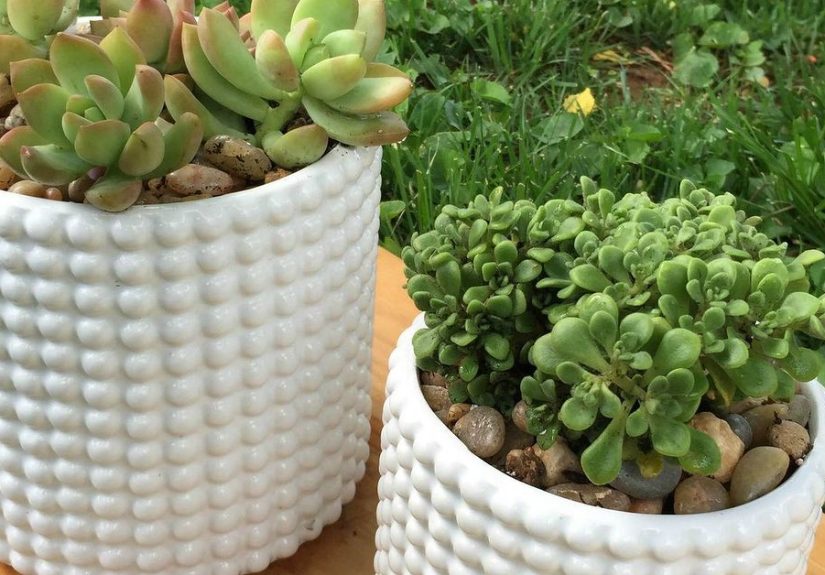
Decorative pots without holes are tempting. They are cute. They match the couch. They whisper, “I belong on Instagram.” Unfortunately, they can also trap water. If you love a pot without drainage, use it as a cachepot. Keep the succulent in a plastic nursery pot with holes, then place that pot inside the decorative container. After watering, remove the inner pot, let it drain fully, and return it once dripping stops.
Terra-Cotta vs. Plastic Pots
Terra-cotta pots are excellent for many succulents because the porous clay allows moisture to evaporate more quickly. This helps reduce overwatering risk. Plastic pots hold moisture longer, which can work in hot, dry homes but may be risky in cool or low-light spaces. The best pot is the one that matches your growing conditions and your watering habits. Be honest with yourself. Your plant already knows the truth.
Temperature and Humidity for Succulents
Most common indoor succulents prefer warm, dry conditions. Average household temperatures are usually fine, especially if plants are kept away from cold drafts, heating vents, and icy windows. Many tender succulents dislike temperatures below about 50 degrees Fahrenheit, and frost can damage or kill them.
Low humidity is usually not a problem for succulents. In fact, they often prefer dry air compared with tropical houseplants. Bathrooms, closed terrariums, and constantly humid corners can be risky unless the plant is a humidity-tolerant type. For most succulents, fresh air, dryness between waterings, and good drainage are much better than a steamy glass jar that looks charming for two weeks and suspicious by week three.
Fertilizing Succulent Plants
Succulents are not heavy feeders. Too much fertilizer can cause weak growth or salt buildup in the soil. During spring and summer, you can feed many succulents with a balanced houseplant fertilizer diluted to half strength. Once a month during active growth is enough for most home collections.
Avoid fertilizing stressed plants, freshly repotted plants, or plants sitting in low winter light. Fertilizer is not medicine. If a succulent is struggling because of poor light or wet soil, fertilizer will not solve the problem. Fix the growing conditions first.
Repotting Succulents Without Drama
Succulents do not need frequent repotting. Many are perfectly happy being slightly snug in their containers. Repot when roots are circling tightly, growing out of the drainage holes, the soil has broken down, or the plant keeps tipping over because the top is heavier than the pot.
Choose a new pot only slightly larger than the old one. A pot that is too large holds extra soil, and extra soil holds extra moisture. That moisture can linger around the roots and create problems. When repotting, handle the plant gently, remove old compacted mix, trim dead roots if needed, and replant in fresh succulent soil.
Should You Water Right After Repotting?
In many cases, it is wise to wait a few days before watering after repotting succulents, especially if roots were disturbed or trimmed. This gives small root injuries time to callus and reduces the risk of rot. After that short rest, water thoroughly and resume a normal dry-then-water routine.
Common Succulent Problems and How to Fix Them
Mushy Leaves
Mushy, translucent, or yellowing leaves often mean overwatering. Check the soil and roots. If the mix is wet and smells unpleasant, remove the plant, cut away rotten roots, and repot healthy sections in fresh dry mix. Water less often going forward.
Wrinkled Leaves
Wrinkled leaves can mean underwatering, especially if the soil is bone dry and the plant feels soft rather than mushy. Give the plant a thorough watering and let it drain. Some leaves may not fully recover, but new growth should improve.
Stretching Growth
Long, weak, stretched growth usually points to insufficient light. Move the plant to a brighter location gradually. If the shape has become awkward, you can prune and propagate healthy sections.
Brown or Scorched Patches
Dry brown patches may be sunburn, especially after a sudden move to direct sun. Move the plant to bright indirect light and reintroduce stronger light slowly. Damaged leaves will not heal, but new growth can be healthy.
Pests
Succulents can attract mealybugs, scale, aphids, and fungus gnats. Mealybugs look like tiny white cottony clumps, often hiding where leaves meet stems. Isolate the plant, remove visible pests with a cotton swab dipped in rubbing alcohol, and monitor closely. Avoid overwatering, because damp soil can encourage fungus gnats.
How to Propagate Succulents
One of the joys of growing succulents is propagation. Many types can be grown from leaf cuttings, stem cuttings, or offsets. This is how one small plant becomes an entire windowsill community. Congratulations, you are now a plant landlord.
For leaf propagation, gently twist a healthy leaf from the stem, making sure the base comes away cleanly. Let the leaf dry and callus for a few days. Place it on top of dry succulent mix in bright indirect light. Mist very lightly or water sparingly once tiny roots appear. For stem cuttings, cut a healthy section, let the cut end callus, then plant it in fast-draining mix.
Offsets, or “pups,” are small baby plants that form around the base of the parent. Once they have some roots, they can be separated and potted individually. Not every leaf or cutting succeeds, so propagate several at once. Succulents believe in probability, not perfection.
Indoor vs. Outdoor Succulent Care
Indoor succulents need the brightest light you can safely provide, careful watering, and excellent drainage. Outdoor succulents may receive more light and airflow, which can help soil dry faster. However, outdoor plants also face rain, intense heat, pests, frost, and sudden weather changes.
If growing succulents outdoors, choose varieties suited to your local climate. Hardy sedums and sempervivums can tolerate cold in many regions, while tender echeverias, aloes, and many kalanchoes need protection from freezing temperatures. In rainy climates, raised beds, containers, slopes, and gritty soil can help keep roots from staying wet too long.
Succulent Care by Plant Type
Aloe Vera
Aloe vera likes bright light, sandy or cactus-style soil, and deep but infrequent watering. It is very sensitive to sitting in water. If the leaves become thin and curled, it may be too dry. If they become mushy near the base, check for rot.
Jade Plant
Jade plants are sturdy, long-lived succulents with thick oval leaves. They prefer bright light and soil that dries between waterings. Mature jade plants can become heavy, so a stable pot is helpful.
Echeveria
Echeverias are famous for their rosette shape and pastel colors. They need strong light to stay compact and colorful. Water the soil rather than pouring water into the center of the rosette, where trapped moisture can cause problems.
Haworthia
Haworthias are smaller succulents that often tolerate bright indirect light better than harsh direct sun. They are excellent choices for desks and shelves near a bright window. Their compact size makes them beginner-friendly.
String of Pearls
String of pearls needs bright light and very fast drainage. Its bead-like leaves store water, so overwatering is a common mistake. Use a shallow container, avoid heavy soil, and water only after the mix dries well.
Succulent Care Mistakes to Avoid
The first mistake is loving your succulent too much with water. Succulents do not need constant attention. They need observation. Look at the leaves, feel the soil, notice the light, and respond to what the plant is telling you.
The second mistake is planting succulents in containers without drainage. A layer of rocks at the bottom does not magically solve poor drainage. It may actually leave water trapped below the root zone. Real drainage means water can leave the pot.
The third mistake is mixing plants with different needs in the same container. A succulent that likes dry soil should not share a dish garden with a moisture-loving tropical plant. That arrangement is not a friendship; it is a hostage situation.
The fourth mistake is assuming all succulents want identical care. Lithops, aloe, sedum, holiday cactus, haworthia, and echeveria are all different. Learn the basic needs of your specific plant, then adjust your routine.
A Practical Weekly Succulent Care Routine
Once a week, check the soil moisture, inspect the leaves, rotate the pot, and look for pests. Do not automatically water. Just check. If the soil is dry and the plant is actively growing, water deeply. If the soil is damp, leave it alone and walk away heroically.
Once a month during the growing season, wipe dust from leaves if needed, remove dead leaves from the soil surface, and check whether the plant is leaning toward light. Clean plants photosynthesize better, and removing dead leaves helps reduce hiding places for pests.
Every few months, evaluate whether the plant needs more light, a different pot, or fresher soil. Succulent care is not about rigid rules. It is about matching the plant’s natural survival strategy with your home environment.
Extra Experience: What Caring for Succulents Teaches You Over Time
After caring for succulent plants for a while, most growers learn one humbling lesson: the plant does not care about your schedule. It cares about conditions. You may want to water every Sunday morning with coffee in hand and peaceful music playing, but if the soil is still damp, your succulent would prefer you enjoy the coffee alone.
One of the most useful real-life habits is learning the weight of a pot. At first, this sounds oddly dramatic, as if you are training for a secret gardening tournament. But it works. Pick up the pot after watering, then pick it up again when the soil is dry. Over time, your hand learns the difference. This simple trick is often more reliable than a calendar.
Another experience many succulent owners share is the “cute pot mistake.” A tiny succulent in a stylish container without drainage looks amazing on a desk, shelf, or kitchen counter. Unfortunately, the plant may slowly decline because water has nowhere to go. The fix is simple: either drill a drainage hole, use a nursery pot inside the decorative pot, or save the no-hole container for pencils, makeup brushes, or emotional support snacks.
Light is another teacher. A succulent that looked perfect at the store may stretch after a month indoors. This does not mean you failed. It means your home has different light than the greenhouse or garden center. Moving the plant closer to a window or adding a grow light can make a huge difference. Rotating the pot every week also helps keep growth even instead of letting the plant lean like it is eavesdropping on the neighbors.
Many beginners also discover that succulent leaves naturally age and dry out at the bottom. This is normal. A few crispy lower leaves do not mean disaster. But yellow, mushy, or transparent leaves are a warning sign, especially when the soil is wet. The more you observe, the easier it becomes to tell normal aging from trouble.
Propagation is where succulent care becomes especially fun. A fallen jade leaf or echeveria leaf may grow roots and a tiny new plant. Not every cutting succeeds, but the process teaches patience. You learn to let cuttings callus, avoid overwatering baby plants, and celebrate ridiculously small roots as if they just graduated college.
The best experience-based advice is this: do not panic-adjust everything at once. If a succulent looks unhappy, change one major factor at a time. Improve the light, then wait. Adjust watering, then observe. Repot only when needed. Plants respond slowly, and constant fussing can create more stress than the original problem.
Over time, caring for succulents becomes less about memorizing rules and more about reading signals. Plump leaves, compact growth, firm stems, and dry soil between waterings usually mean you are on the right track. A happy succulent does not demand applause, but it will quietly grow, produce offsets, and make your windowsill look like you have your life together. That may be the greatest gift of all.
Conclusion
Learning how to care for succulent plants is mostly about understanding what they are designed to do. These plants store water, tolerate dry periods, and thrive when their roots can breathe. Give them bright light, fast-draining soil, a pot with drainage holes, and deep watering only after the soil dries. Protect them from frost, avoid soggy containers, and resist the urge to fuss over them every day.
Succulents are forgiving, beautiful, and wonderfully diverse. Whether you grow a single aloe on a sunny kitchen ledge or a full collection of echeverias, haworthias, jade plants, and string of pearls, the basic principles stay the same. Careful observation beats a strict schedule. Dry soil is not always an emergency. And sometimes the best thing you can do for your succulent is absolutely nothing. Finally, a plant that understands modern life.