Table of Contents >> Show >> Hide
- What Causes Silver to Tarnish?
- Before You Clean: Identify the Type of Silver
- The Best Everyday Method: Mild Soap and Warm Water
- How to Polish Silver Safely
- How to Clean Silver with Baking Soda Paste
- Should You Use Aluminum Foil and Baking Soda?
- What Not to Use on Silver
- How to Clean Silver Jewelry
- How to Clean Silver Flatware
- How to Keep Silver from Tarnishing
- How Often Should You Clean Silver?
- When to Call a Professional
- Personal Experience: What Actually Works in Real Life
- Conclusion
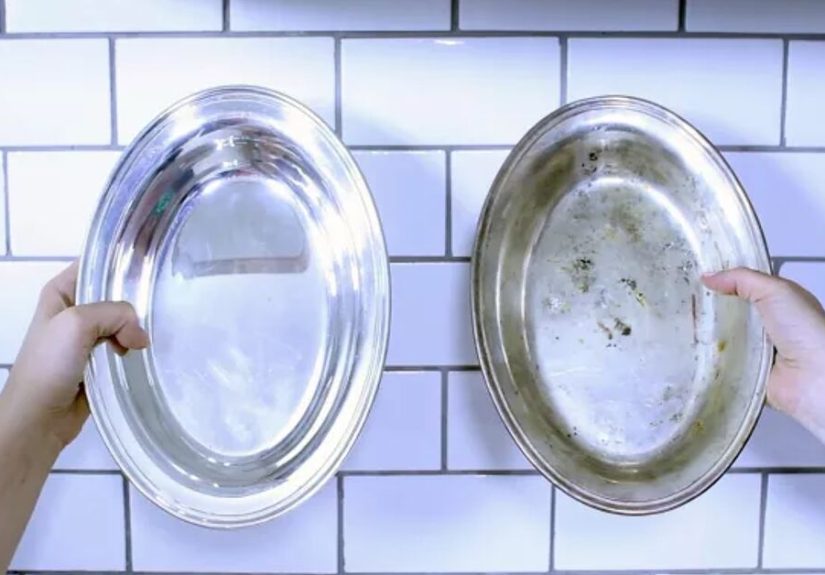
Silver is gorgeous, elegant, and just dramatic enough to remind you it needs attention. One day your favorite necklace, serving spoon, or inherited candlestick is glowing like moonlight. The next day it looks like it spent a weekend in a dusty attic writing sad poetry. That dark, cloudy layer is tarnish, and while it is annoying, it is not a sign that your silver is ruined.
The good news? Learning how to clean silver is easier than most people think. The better news? Keeping silver from tarnishing is mostly about smart storage, gentle handling, and not treating your grandmother’s flatware like a science experiment gone rogue. Whether you own sterling silver jewelry, silver-plated trays, antique pieces, or everyday silverware, the right cleaning method can restore shine without scratching, dulling, or stripping away beautiful details.
This guide explains what causes silver tarnish, how to clean silver safely at home, which methods to avoid, and how to prevent tarnish so your silver stays bright longer.
What Causes Silver to Tarnish?
Silver tarnishes because it reacts with sulfur-containing compounds in the air and in certain materials. The result is silver sulfide, a dark layer that forms on the surface. This is why silver may look yellowish, gray, brown, or nearly black over time. Humidity, pollution, rubber bands, wool, certain foods, perfumes, lotions, chlorine, and even some paper products can speed up the process.
Sterling silver is especially prone to tarnish because it is usually made of 92.5% silver and 7.5% other metals, commonly copper. That copper makes the metal stronger, but it also gives tarnish a backstage pass. Pure silver tarnishes more slowly, but it is too soft for many practical items, so sterling silver is the household favorite.
Here is the important part: tarnish is not dirt. It is a chemical change on the surface. That means aggressive scrubbing is not the answer. Scrubbing silver like a burned casserole may remove tarnish, but it can also remove tiny amounts of silver, soften engraved details, and leave scratches. Silver likes patience. It does not enjoy being bullied.
Before You Clean: Identify the Type of Silver
Before choosing a cleaning method, figure out what kind of silver you have. This helps you avoid accidental damage.
Sterling Silver
Sterling silver is often marked “925,” “sterling,” or “ster.” It can usually handle gentle washing, careful polishing, and silver-specific cleaners.
Silver-Plated Items
Silver-plated pieces have a thin layer of silver over another metal. These need extra care because heavy polishing can wear through the silver layer. If you see a warmer metal showing through raised edges, handles, or corners, be extra gentle.
Antique or Collectible Silver
Antique silver may have intentional dark areas called patina, especially in engraved or decorative details. Removing every bit of darkness can make the piece look flat and may reduce its character or value. When in doubt, ask a professional conservator or jeweler before cleaning.
Silver Jewelry with Stones
Silver jewelry with pearls, opals, turquoise, emeralds, glued settings, enamel, or porous stones should not be soaked in homemade cleaning baths. Warm water and mild soap on the silver parts is safer, followed by careful drying.
The Best Everyday Method: Mild Soap and Warm Water
For light tarnish, dust, fingerprints, and body oils, the safest first step is simple: warm water, mild dish soap, and a soft cloth. It sounds almost too easy, like a cleaning tip your aunt would whisper while guarding a casserole recipe, but it works beautifully for regular maintenance.
What You Need
- A bowl of warm water
- A few drops of mild dish soap
- A soft microfiber cloth
- A soft-bristle brush for crevices
- A clean towel for drying
Steps
- Mix warm water with a few drops of mild dish soap.
- Dip a soft cloth into the soapy water.
- Gently wipe the silver, following the shape of the piece.
- Use a soft-bristle brush only for detailed areas, and do not press hard.
- Rinse with clean warm water.
- Dry immediately and completely with a soft cloth.
Do not let silver air-dry. Water spots are the tiny villains of the silver world. Drying right away helps prevent spotting and slows future tarnish.
How to Polish Silver Safely
When soap and water are not enough, use a silver polishing cloth or a high-quality silver polish designed for the type of item you are cleaning. A polishing cloth is ideal for jewelry, small objects, and light tarnish. Creams and liquids may work better for heavier tarnish on flatware or serving pieces, but they should be used carefully and rinsed thoroughly when the product instructions say so.
Polishing Tips That Actually Matter
- Use a soft, lint-free cloth.
- Rub gently in straight lines instead of rough circles.
- Avoid over-polishing raised details and engraved areas.
- Keep polish away from porous stones, wood, ivory-like materials, and glued decorations.
- Rinse and dry completely if using a polish that requires rinsing.
Polishing removes tarnish, but it can also remove a microscopic amount of silver. That is why “more polishing” is not always “better polishing.” Think of it like exfoliating your face: helpful occasionally, questionable as a daily hobby.
How to Clean Silver with Baking Soda Paste
A baking soda paste can help remove moderate tarnish from sturdy sterling silver pieces. Use this method carefully because baking soda is mildly abrasive. It is not the best choice for delicate antiques, silver plate, heavily engraved pieces, or jewelry with soft gemstones.
What You Need
- Three parts baking soda
- One part water
- A microfiber cloth
- Clean water for rinsing
Steps
- Mix baking soda and water into a soft paste.
- Wet the silver slightly.
- Apply the paste with a microfiber cloth.
- Rub gently on small sections.
- Rinse thoroughly.
- Dry and buff with a clean cloth.
If the cloth turns gray or black, that means tarnish is coming off. Use a clean part of the cloth as you work so you are not rubbing removed tarnish back onto the surface like a very unhelpful assistant.
Should You Use Aluminum Foil and Baking Soda?
The aluminum foil and baking soda method is famous because it can remove tarnish quickly through an electrochemical reaction. In simple terms, the sulfur compounds move away from the silver and toward the aluminum. It can feel magical, but it is not right for every item.
This method may be useful for plain sterling silver pieces with no stones, glue, paint, enamel, intentional patina, or delicate detailing. However, it can remove attractive dark contrast from decorative areas, may affect finishes, and is not recommended for valuable antiques or silver-plated items with fragile surfaces.
Basic Method for Sturdy Plain Silver
- Line a bowl with aluminum foil, shiny side up.
- Add hot water.
- Stir in baking soda.
- Place the silver so it touches the foil.
- Let it sit briefly, checking often.
- Remove, rinse well, dry completely, and buff gently.
Do not walk away and let silver soak for ages. This is not a spa retreat. A few minutes may be enough, and checking frequently helps prevent unwanted changes to the surface.
What Not to Use on Silver
Some viral silver cleaning tricks are better left on the internet, where they can live their chaotic little lives without touching your jewelry box.
Avoid These Silver Cleaning Mistakes
- Bleach and chlorine: These can accelerate tarnishing and damage silver.
- Toothpaste: Many toothpastes are too abrasive and can scratch silver.
- Harsh scrub pads: Steel wool and rough sponges can leave visible scratches.
- Dishwashers: Heat, detergent, and contact with other metals can dull or damage silverware.
- Long soaking: This is risky for jewelry, glued settings, porous stones, and antique pieces.
- Rubber bands: Rubber can contain sulfur compounds that speed up tarnish.
Also avoid mixing random cleaners together. Silver does not need a chemistry class in your sink. Gentle, targeted cleaning is safer and usually more effective.
How to Clean Silver Jewelry
Silver jewelry needs special care because it often has chains, clasps, stones, or tiny details. For most sterling silver jewelry, start with a polishing cloth. If the piece has body oils, lotion, or makeup on it, wash it gently with mild soap and warm water first.
Simple Jewelry Cleaning Routine
- Wipe the jewelry with a silver polishing cloth.
- If needed, wash with mild soap and warm water.
- Use a soft brush around clasps or textured areas.
- Rinse quickly and carefully.
- Dry completely before storing.
For chains, pull the chain gently through a folded polishing cloth. Do not tug. A broken chain has a way of turning a five-minute cleaning job into a tiny emotional crisis.
For jewelry with pearls, opals, turquoise, or glued stones, avoid soaking. Wipe the silver parts carefully and keep moisture away from delicate materials.
How to Clean Silver Flatware
Silver flatware is meant to be used, not hidden away like treasure guarded by a dragon with excellent table manners. In fact, regular use can help slow tarnish because washing removes sulfur-containing food residue and oils.
After-Meal Care
- Wash silver flatware by hand with mild soap and warm water.
- Do not leave it sitting with salty, acidic, or sulfur-rich foods.
- Dry immediately with a soft towel.
- Store it in a tarnish-resistant flatware roll or lined chest.
Eggs, onions, mustard, mayonnaise, vinegar, and salt can encourage tarnish if left on silver too long. So yes, your deviled egg spoon deserves a prompt bath. Glamorous? No. Effective? Absolutely.
How to Keep Silver from Tarnishing
Cleaning silver is useful, but preventing tarnish is even better. The goal is to reduce exposure to air, moisture, sulfur, and harsh chemicals.
Store Silver Properly
Keep silver in anti-tarnish cloth, tarnish-resistant bags, silver storage rolls, or a lined jewelry box. For individual jewelry pieces, small zip-top bags can reduce air exposure, especially when the jewelry is completely dry before storage.
Add Anti-Tarnish Strips
Anti-tarnish strips absorb or neutralize compounds that contribute to tarnish. Place them in drawers, jewelry boxes, flatware chests, or storage bags. Replace them according to the product instructions.
Control Moisture
Humidity speeds up tarnish. Store silver in a cool, dry place. Silica gel packets can help reduce moisture in jewelry boxes or storage containers. Some people also place plain white chalk nearby to absorb moisture, but make sure it does not rub directly on the silver.
Keep Silver Away from Chemicals
Perfume, hairspray, lotion, sunscreen, cleaning products, chlorine, and bleach can all affect silver. Put jewelry on after applying cosmetics and remove it before swimming, cleaning, exercising, or showering.
Use Your Silver
Surprisingly, regular use can help. Silver flatware that is washed and dried properly after use often tarnishes less than silver that sits untouched for months. Silver likes attention. It is basically the golden retriever of metals, except shinier and less likely to steal your sandwich.
How Often Should You Clean Silver?
Clean silver when it looks dull, yellowish, gray, or dark. For jewelry worn often, a quick wipe after each wear and a deeper clean every few weeks may be enough. For flatware, wash after every use and polish only when needed. Decorative items may need cleaning every few months, depending on air quality and storage conditions.
The best rule is simple: clean gently and prevent aggressively. That means frequent soft wiping and careful storage, not constant heavy polishing.
When to Call a Professional
Some silver should not be cleaned at home. Call a professional jeweler, silversmith, or conservator if the item is valuable, antique, deeply scratched, badly pitted, silver-plated and worn, or decorated with delicate stones or mixed materials. Professional cleaning is also smart if the piece has sentimental value and you would be devastated if something went wrong.
There is no shame in getting expert help. There is, however, shame in turning a family heirloom into a regrettable before-and-after photo.
Personal Experience: What Actually Works in Real Life
After cleaning different kinds of silver, one lesson becomes clear: the boring methods usually win. The internet loves dramatic cleaning hacks, but silver rewards gentle habits. A soft cloth, mild soap, complete drying, and decent storage do more long-term good than most “miracle” tricks.
For lightly tarnished jewelry, the easiest routine is to keep a silver polishing cloth near the place where you remove jewelry at night. Wiping rings, bracelets, and necklaces before putting them away takes less than a minute. It also removes skin oils, lotion, and perfume residue before they sit on the metal. This tiny habit makes silver look better between deeper cleanings.
For silver flatware, the biggest improvement comes from washing it soon after use. When silver spoons sit overnight with food residue, they tarnish faster and become harder to clean. A quick hand wash in warm soapy water, followed by immediate towel drying, keeps flatware bright with much less polishing. The drying step matters more than people expect. Leaving silver on a dish rack may feel efficient, but it invites water spots and dullness.
Storage also makes a huge difference. Silver tossed into a drawer with rubber bands, receipts, and random kitchen tools tarnishes faster and gets scratched. Silver stored in soft cloth, individual pouches, or anti-tarnish rolls stays cleaner and looks more cared for. If you live in a humid climate, moisture control is especially important. A dry storage space with anti-tarnish strips can noticeably reduce how often you need to polish.
One practical trick is to separate “daily silver” from “special silver.” Everyday rings, earrings, and flatware can be maintained with simple cleaning and regular use. Antique pieces, heirloom trays, and decorative objects deserve a slower approach. For those, avoid rushing to remove every dark line. Sometimes the dark detail in engraved areas gives the piece depth and beauty. Cleaning should refresh the silver, not erase its personality.
The aluminum foil method can be satisfying for plain pieces, but it should not become the default. It works quickly, yet it can remove patina and may be too aggressive for delicate silver. Use it only when the piece is sturdy, simple, and not especially valuable. For anything sentimental, start with the gentlest method and stop as soon as the silver looks good enough. Perfect mirror shine is not always the goal.
The best silver care routine is not complicated. Clean lightly, polish only when needed, dry completely, and store wisely. Silver does not need constant pampering, but it does need consistency. Treat it like something useful and beautiful, not like a museum artifact you are afraid to touch or a kitchen pan you are determined to conquer. With a little care, silver can stay bright for yearsand it will stop giving you that “I have been neglected” look from the jewelry box.
Conclusion
Knowing how to clean silver and keep it from tarnishing comes down to three smart habits: use gentle cleaning methods, avoid harsh chemicals, and store silver properly. Mild soap and warm water are perfect for routine cleaning. A silver polishing cloth handles light tarnish. Baking soda paste or aluminum foil methods may help in certain situations, but they should be used carefully and never on delicate, antique, plated, or gemstone-set pieces without caution.
Prevention is the real secret. Keep silver dry, protect it from air and sulfur, avoid chlorine and bleach, and store it in anti-tarnish cloth or sealed bags. With regular care, your silver can stay shiny, useful, and ready for everything from everyday outfits to holiday dinners. Silver may be dramatic, but once you understand what it wants, it is surprisingly easy to keep happy.
![18 Best Types of Charts and Graphs for Data Visualization [+ How to Choose]](https://corkopencoffee.org/wp-content/uploads/2026/05/18-best-types-of-charts-and-graphs-for-data-visualization-how-to-choose-qKM1PBYG-thumb.jpg)