Table of Contents >> Show >> Hide
- What Counts as Hypertension?
- How High Blood Pressure Starts Damaging the Body
- The Effects of Hypertension on the Heart
- The Effects of Hypertension on the Brain
- The Effects of Hypertension on the Kidneys
- The Effects of Hypertension on the Eyes
- The Effects of Hypertension on Arteries and Circulation
- The Effects of Hypertension on Sexual Health
- When Hypertension Becomes an Emergency
- Why Hypertension Often Goes Undetected
- Who Is More Likely to Be Affected?
- How to Protect the Body From Hypertension Damage
- Longer-Term Experiences: What Living With Hypertension Can Feel Like
- Conclusion
High blood pressure, also called hypertension, has a talent for being dramatic and sneaky at the same time. It rarely kicks down the front door with flashing lights and a marching band. Instead, it often shows up quietly, hangs around for years, and slowly wears down the body like water dripping on stone. That is why it is often called a “silent killer.” You may feel perfectly fine while your arteries, heart, kidneys, brain, and eyes are dealing with a long-term stress test they never signed up for.
In simple terms, blood pressure is the force of blood pushing against the walls of your arteries. When that pressure stays too high for too long, the entire cardiovascular system has to work harder. Think of it like running a garden hose at full blast all day, every day. Sooner or later, the hose, the nozzle, and the connections start to show wear.
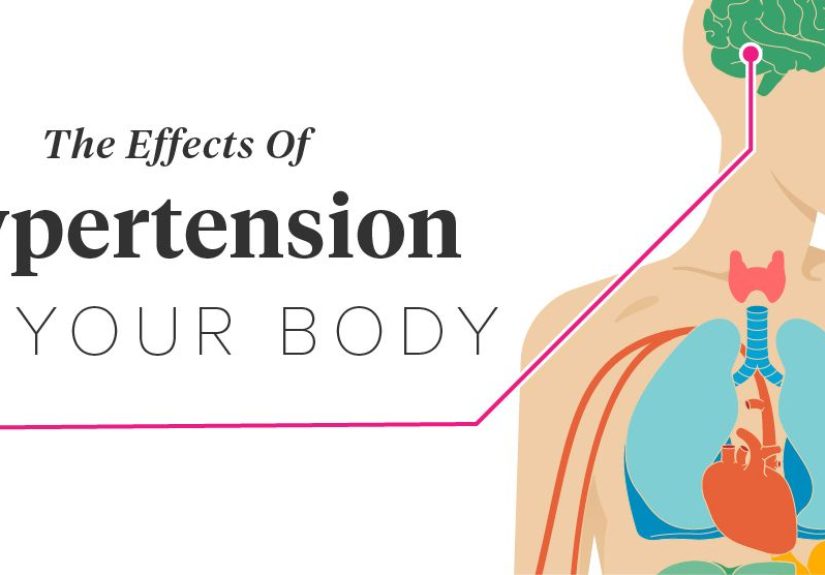
This article breaks down exactly how hypertension affects the body, why it is so dangerous even without symptoms, and what you can do to protect yourself before high blood pressure turns into a full-body troublemaker.
What Counts as Hypertension?
Hypertension is generally defined as blood pressure that is consistently 130/80 mm Hg or higher. The top number, systolic pressure, measures the force when your heart beats. The bottom number, diastolic pressure, measures the force when your heart relaxes between beats.
Here is the quick cheat sheet:
- Normal: less than 120/80
- Elevated: 120–129 and less than 80
- Stage 1 hypertension: 130–139 or 80–89
- Stage 2 hypertension: 140 or higher or 90 or higher
- Hypertensive crisis: higher than 180/120
The tricky part is that many people with hypertension do not notice any symptoms at all. No flashing warning icon. No helpful soundtrack. Just silent, ongoing pressure that can gradually damage the body from the inside out.
How High Blood Pressure Starts Damaging the Body
The damage often begins in the arteries. When blood pushes too hard against artery walls over time, those walls can become less flexible, more irritated, and more vulnerable to injury. Small tears may develop. The body then tries to patch things up, but that repair process can invite plaque buildup, inflammation, and narrowing of the blood vessels.
Once arteries become stiffer and narrower, blood has a harder time moving through them. That means organs may receive less oxygen and fewer nutrients. Meanwhile, the heart has to pump harder just to keep up. It is an unfair arrangement, and the body eventually sends the bill.
The Effects of Hypertension on the Heart
1. The heart has to work overtime
Your heart is strong, but it is not thrilled about lifting heavy weights all day. When blood pressure stays high, the heart must push against greater resistance to move blood forward. Over time, this extra workload can cause the heart muscle to thicken, especially the left ventricle, the main pumping chamber.
2. Left ventricular hypertrophy can develop
A thicker heart muscle may sound like a fitness achievement, but in this case it is not a trophy. It is a sign of strain. A thickened heart muscle can become stiff, less efficient, and more likely to struggle with both filling and pumping blood.
3. Risk of heart failure goes up
If the heart keeps straining for years, it may weaken or stiffen enough that it cannot meet the body’s demands. This can lead to heart failure, a condition in which the heart does not pump blood as effectively as it should. Symptoms may include fatigue, swelling in the legs, and shortness of breath.
4. Coronary artery disease and heart attack become more likely
High blood pressure can damage artery walls and encourage plaque buildup. When plaque narrows the coronary arteries, blood flow to the heart muscle can drop. If a plaque rupture triggers a clot that blocks blood flow, the result may be a heart attack. In other words, hypertension does not just annoy the heart. It sets up a whole ambush.
The Effects of Hypertension on the Brain
1. Stroke risk rises sharply
The brain depends on a healthy, steady blood supply. Hypertension can weaken blood vessels in the brain, making them more likely to clog or burst. That raises the risk of both ischemic stroke, caused by a blockage, and hemorrhagic stroke, caused by bleeding.
If you want one reason to take blood pressure seriously, this is a big one. Stroke can affect movement, speech, memory, swallowing, vision, and independence in a matter of minutes.
2. Cognitive decline may happen over time
Chronic hypertension has also been linked to memory problems, cognitive decline, and a higher risk of dementia later in life, especially when high blood pressure begins in midlife. The mechanism is not magic. It is vascular wear and tear. Small blood vessels in the brain can become damaged, reducing blood flow and making it harder for brain tissue to function well over time.
3. Mini-strokes can leave a lasting mark
Some people experience transient ischemic attacks, often called mini-strokes. These short episodes may resolve quickly, but they can be serious warning signs that a larger stroke could follow. The body is not being subtle at that point. It is basically sending a strongly worded memo.
The Effects of Hypertension on the Kidneys
The kidneys are full of tiny blood vessels that filter waste and extra fluid from the blood. They are delicate little overachievers. High blood pressure can narrow, weaken, or scar the blood vessels in and around the kidneys. When that happens, the kidneys cannot filter blood as effectively.
Over time, uncontrolled hypertension can contribute to chronic kidney disease and, in severe cases, kidney failure. There is also a vicious cycle here: damaged kidneys can make blood pressure harder to control, and harder-to-control blood pressure can further damage the kidneys. It is the medical version of a bad roommate situation.
Because kidney damage can develop gradually, many people do not know there is a problem until blood tests or urine tests reveal it. That is why regular monitoring matters so much for people with hypertension.
The Effects of Hypertension on the Eyes
Your eyes rely on tiny, fragile blood vessels, which means they are not fans of chronic pressure. High blood pressure can damage the vessels in the retina, the light-sensitive tissue at the back of the eye. This may lead to hypertensive retinopathy, blurred vision, or in some cases vision loss.
Hypertension can also contribute to overall vascular damage that affects eye health more broadly. Vision changes are never something to shrug off with a “maybe I just need coffee” attitude. They deserve real medical attention, especially if high blood pressure is involved.
The Effects of Hypertension on Arteries and Circulation
Arteries are built to handle pressure, but they still have limits. Over time, hypertension can harden and narrow arteries throughout the body. This process reduces circulation and raises the risk of atherosclerosis, aneurysm, peripheral artery disease, heart attack, and stroke.
When arteries lose flexibility, the body pays the price in multiple places at once. Blood has a harder time reaching tissues efficiently. The heart works harder. Organs receive less support. It is like turning a smooth highway into a cracked two-lane road with constant traffic jams.
The Effects of Hypertension on Sexual Health
This is a topic many people avoid discussing, which is unfortunate, because hypertension does not care about awkwardness. It can reduce blood flow to the pelvis and contribute to sexual dysfunction in both men and women.
In men, high blood pressure is linked to erectile dysfunction because healthy erections depend on good blood flow. In women, reduced blood flow may affect arousal, lubrication, and overall sexual response. Some blood pressure medications can also play a role, which is why medication concerns should be discussed openly with a healthcare professional rather than silently blamed on “stress” or “getting older.”
When Hypertension Becomes an Emergency
Most hypertension does not cause symptoms day to day, but extremely high blood pressure can become a medical emergency. A reading above 180/120 mm Hg may signal a hypertensive crisis, especially if it occurs along with symptoms such as:
- Chest pain
- Shortness of breath
- Severe headache
- Weakness or numbness
- Trouble speaking
- Confusion
- Vision changes
- Back pain
This is not the moment for wishful thinking or random internet self-diagnosis. It is the moment to seek urgent medical care.
Why Hypertension Often Goes Undetected
One of the most frustrating things about hypertension is how ordinary it can feel. Many people continue working, commuting, grocery shopping, folding laundry, and debating what to watch on television while their blood pressure stays high for years.
That is exactly why screening matters. You cannot rely on symptoms to tell you whether your blood pressure is healthy. Regular checks at a clinic, pharmacy, or with a home blood pressure monitor can catch elevated readings before serious complications develop.
Who Is More Likely to Be Affected?
Hypertension can happen to anyone, but risk tends to rise with age and may also increase with family history, excess sodium intake, physical inactivity, smoking, obesity, heavy alcohol use, chronic stress, poor sleep, and certain medical conditions. Some people are more salt-sensitive than others, which means the same diet can affect blood pressure differently from one person to the next.
Pregnancy can also involve high blood pressure disorders, and those conditions require careful medical monitoring because they can affect both the pregnant person and the baby.
How to Protect the Body From Hypertension Damage
The good news is that hypertension is treatable, and early action can make a major difference. Protecting your body usually involves a combination of lifestyle changes and, for many people, medication.
Smart strategies include:
- Checking blood pressure regularly
- Following a heart-healthy eating pattern such as DASH
- Cutting back on sodium
- Getting regular physical activity
- Maintaining a healthy weight
- Not smoking
- Limiting alcohol
- Managing stress and sleep habits
- Taking blood pressure medication exactly as prescribed
DASH, which stands for Dietary Approaches to Stop Hypertension, emphasizes fruits, vegetables, whole grains, beans, nuts, low-fat dairy, and lean proteins while reducing sodium and heavily processed foods. Not exactly the official fan club of drive-thru fries, but your arteries will appreciate the effort.
Longer-Term Experiences: What Living With Hypertension Can Feel Like
Although hypertension often has no obvious symptoms, many people do not experience it as a totally abstract number on a chart. What they often describe is the slow realization that high blood pressure affects daily life in ways that are easy to dismiss at first. A person may go to a routine checkup expecting a gold star and leave with a home blood pressure monitor and a lecture about sodium. Another may discover it after an eye exam, a headache that seemed unusual, or lab work showing kidney strain.
For some, the first experience is disbelief. They may feel fine, exercise occasionally, and assume hypertension belongs to someone older, less active, or more stressed. Then the readings keep coming back high. That can be frustrating because there is no dramatic symptom to “prove” something is wrong. The condition asks for lifestyle changes before it has earned the courtesy of feeling obvious.
People also describe the emotional side of living with hypertension. There is often guilt tied to food, family history, stress, or missed follow-ups. Some feel annoyed that a condition with so few symptoms demands so much attention. Reading labels, reducing salt, remembering medication, checking morning readings, scheduling follow-up visits, and figuring out whether that restaurant meal was delicious or basically a sodium fireworks show can become part of the routine.
Others talk about the moment hypertension becomes real because it affects another part of the body. Maybe exercise suddenly feels harder because the heart is under strain. Maybe kidney numbers are off. Maybe an ophthalmologist mentions blood vessel changes in the eyes. Maybe erectile dysfunction appears and turns out to be more than just fatigue. These experiences can be alarming, but they are also often the turning point when treatment stops feeling optional and starts feeling urgent.
There are positive experiences too. Many people report that once they begin monitoring their pressure consistently, the condition becomes less mysterious and more manageable. They learn which habits help, which foods sabotage progress, and how strongly sleep, stress, alcohol, and missed doses can influence their numbers. Small routines begin to matter: walking after dinner, cooking more meals at home, taking medication at the same time each day, and keeping appointments instead of postponing them for “when life calms down,” which, as most adults know, is often a fictional date.
Family experience also plays a major role. People who watched parents or grandparents have strokes, heart failure, or kidney disease often carry a different level of urgency. Hypertension stops being just a diagnosis and becomes part of a larger family story. For them, treatment can feel like prevention with a face attached to it.
In the end, lived experience with hypertension is often less about one dramatic event and more about a gradual shift in awareness. The body may not shout at first, but it keeps score. The encouraging part is that people who take hypertension seriously can often protect their heart, brain, kidneys, eyes, and quality of life for years to come. That is a powerful trade: a little more daily discipline in exchange for a lot less future damage.
Conclusion
The effects of hypertension on the body are wide-ranging, serious, and often underestimated. High blood pressure can quietly damage arteries, enlarge or weaken the heart, raise stroke risk, impair kidney function, affect vision, and even interfere with memory and sexual health. Because it often causes no symptoms, it can do real harm before a person realizes anything is wrong.
That sounds ominous, because honestly, it is. But it is not hopeless. Hypertension is one of the clearest examples of a major health risk that can often be managed with consistent monitoring, better habits, and the right treatment plan. Catch it early, take it seriously, and the body has a much better chance of staying strong, sharp, and functional for the long haul.