Table of Contents >> Show >> Hide
- Why Hot Cars Feel So Brutal So Fast
- How to Cool a Hot Car as Quickly as Possible
- Step 1: Open the doors or windows and vent the trapped heat immediately
- Step 2: Start the car and set the fan high with A/C on
- Step 3: Use fresh-air mode at first, not recirculation
- Step 4: Start driving instead of idling forever
- Step 5: After 20 to 60 seconds, close the windows and switch to recirculate
- Step 6: Set the temperature low and adjust the fan strategically
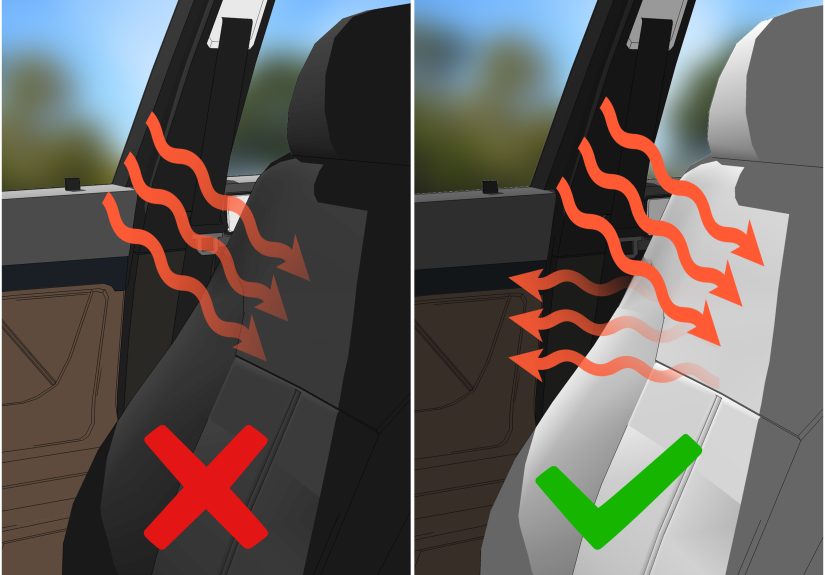
- Step 7: Protect the hottest contact points right away
- Step 8: Use prevention tools so the next cooldown is faster
- Step 9: Fix A/C problems before the hottest day of the year finds you
- Common Mistakes That Slow the Cooling Process
- Quick Tips for Special Situations
- What Real Drivers Learn the Hard Way
- Final Thoughts
Getting into a car that has been baking in the sun feels a little like opening an oven and deciding, for some reason, to sit inside it. The steering wheel is lava, the seat belt buckle is a tiny branding iron, and the air inside seems to have given up on being breathable. The good news is that you do not need magic, a leaf blower, or a dramatic weather event to cool it down fast. You just need the right order of operations.
If you want to cool a hot car as quickly as possible, the goal is simple: dump the trapped heat first, then let your air conditioning do its job efficiently. Too many drivers skip straight to blasting the A/C while all that trapped furnace air is still inside. That is like trying to chill soup while the pot is still on the stove. This guide breaks the process into nine practical steps that work in real life, whether you drive a compact sedan, a family SUV, or a pickup that turns into a solar collector by 2 p.m.
Why Hot Cars Feel So Brutal So Fast
Before the steps, it helps to understand what is happening. Sunlight pours through the glass, heats the dashboard, seats, and interior panels, and those surfaces then radiate heat back into the cabin. So even if the outside temperature is “only” warm, the inside of the vehicle can become dangerously hot in a short amount of time. That is why cracked windows are not a real solution and why shade alone is helpful but not a miracle cure.
It is also why speed matters. The longer your car sits in direct sun, the more heat is stored in every surface you touch later. Your air conditioner is not just cooling the air. It is also fighting all that heat radiating from the seats, dash, glass, and door panels. In other words, your A/C is doing cardio the second you turn the key.
How to Cool a Hot Car as Quickly as Possible
-
Step 1: Open the doors or windows and vent the trapped heat immediately
The fastest first move is not the A/C button. It is ventilation. Open the doors for a few seconds, or roll down the windows before you pull away. Your goal is to let the superheated cabin air escape instead of forcing your climate system to wrestle with it all at once.
Some drivers swear by opening one rear window and swinging the opposite front door a few times to push hot air out faster. Whether you do that or simply open all the doors for a moment, the principle is the same: get rid of the hottest air before asking the air conditioner to cool what remains.
-
Step 2: Start the car and set the fan high with A/C on
Once you have vented the first wave of heat, start the engine and turn the air conditioning on right away. Set the fan high so you move as much air as possible through the cabin. At this stage, the car still feels like a toaster, so volume matters.
Do not baby the blower in the first minute. This is the moment to move air aggressively. You want the system working immediately, especially if you are dealing with a black interior, leather seats, or a dashboard that looks like it has its own weather pattern.
-
Step 3: Use fresh-air mode at first, not recirculation
This is where many people get tripped up. At the very beginning, the air inside your cabin is often hotter than the air outside. So when you first get moving, fresh-air mode can help push the trapped oven air out faster. Think of it as clearing the battlefield before the real cooling starts.
If your vehicle automatically starts in recirculation, that is not always ideal during the first few moments after the car has been sitting in extreme heat. Give the system a short chance to flush out the cabin first.
-
Step 4: Start driving instead of idling forever
Once the A/C is on and the windows are open, begin driving. Moving air helps the system work more effectively, and many vehicles cool the cabin better when the car is in motion than when it is just sitting in place. Driving also creates airflow across the condenser, which helps the A/C shed heat more efficiently.
This does not mean flooring it like you are escaping an action movie. Just get moving normally. A smooth roll out of the parking lot does more for cooling than sitting still for five minutes, sweating politely.
-
Step 5: After 20 to 60 seconds, close the windows and switch to recirculate
Now comes the handoff. Once the worst of the trapped heat has been pushed out, close the windows and switch the system to recirculation mode. At this point, the cabin air should be cooler than it was when you started, which means recirculating it will cool the interior faster than pulling in hot outside air.
This step is the real secret sauce. Fresh-air mode is useful for the initial purge. Recirculation is what helps the car settle into a genuinely cooler temperature. Use them in that order and your A/C works smarter, not harder.
-
Step 6: Set the temperature low and adjust the fan strategically
When the car is blazing hot, start with the coldest setting. Many vehicle climate systems are designed to cool efficiently when set low, and then you can fine-tune the comfort later. In the beginning, focus on maximum cooling rather than finding the perfect “pleasant” setting.
As the cabin starts cooling, you can lower the fan speed if the airflow feels too intense. Aim the vents toward your upper body without putting all the blast directly into your face unless you enjoy feeling like a rotisserie chicken being rescued by winter.
-
Step 7: Protect the hottest contact points right away
Even after the air cools down, the surfaces inside the car may still be painfully hot. If the steering wheel, seat belt buckle, or seat itself is scorching, use a towel, steering wheel cover, or seat cover barrier until the materials cool off. This is especially important for kids in car seats, who can be more sensitive to hot buckles, straps, and plastic surfaces.
It is not just about comfort. It is about avoiding burns and making the cabin usable sooner. A cool cabin is great. A cool cabin with a seat belt that does not try to brand your shoulder is better.
-
Step 8: Use prevention tools so the next cooldown is faster
The quickest way to cool a hot car is to stop it from getting ridiculously hot in the first place. Park in the shade when possible. Use a windshield sunshade. Add side window shades if you often park in direct sun. If your vehicle has remote start, remote climate activation, or EV preconditioning, use it before you get in.
These habits reduce heat buildup, protect your dashboard and upholstery, and shorten the cooldown time dramatically. A silver reflective sunshade, for example, may not make your car feel like a ski lodge, but it can absolutely make the cabin more manageable and reduce that first blast of misery.
-
Step 9: Fix A/C problems before the hottest day of the year finds you
If your air conditioner is weak, slow, or blows warm air, no clever trick will fully compensate. A clogged cabin air filter can reduce airflow. Low refrigerant can weaken cooling. A faulty compressor, blocked condenser, or electrical issue can turn summer driving into a character-building exercise that nobody asked for.
If your A/C struggles on hot days, have it checked before peak summer arrives. Good maintenance matters. A healthy cooling system gets cold faster, works more efficiently, and keeps you from discovering your climate-control problem in stop-and-go traffic while the sun is auditioning for villain of the year.
Common Mistakes That Slow the Cooling Process
Leaving the windows closed from the start
This traps the hottest air inside and forces the A/C to work against it immediately. Vent first, then seal the cabin for recirculation.
Using recirculation too early
Recirculating air that is still blistering hot is not efficient. Let the initial heat escape first, then switch modes.
Idling too long in a parking spot
Some drivers sit there waiting for the miracle of cool air while the car barely moves any outside airflow through the system. In many cases, a normal drive cools the cabin faster.
Ignoring a weak cabin air filter
If airflow feels weak even when the fan is high, the filter may be clogged. That does not just affect comfort. It can make your whole cooling strategy less effective.
Thinking cracked windows make the car safe
They do not. Never leave children, pets, or anyone who cannot safely exit on their own in a parked car. Not for a minute. Not with a window cracked. Not in the shade. Not while “just running in for one thing.”
Quick Tips for Special Situations
If you have leather seats
Leather holds heat like a grudge. Seat covers, towels, and windshield shades help a lot. Ventilated seats, if your car has them, are a gift from the automotive gods.
If you drive an EV
Use preconditioning while plugged in whenever possible. It can cool the cabin before departure and reduce the immediate load once you hit the road.
If you travel with kids
Check the car seat buckles and straps before loading them in. A seat that feels merely “warm” to an adult hand may still be too hot for a child.
If your car is parked outdoors every day
Make sunshade use automatic. Keep one in the front seat or door pocket so putting it up becomes a habit, not a chore you debate in the heat.
What Real Drivers Learn the Hard Way
Most people figure out their own hot-car routine after enough summer suffering. The classic trial-and-error path goes something like this: open the door, get punched in the face by heat, blast recirculation immediately, wonder why the air still feels awful, then realize much later that the cabin never had a chance to dump the worst heat first.
Drivers who commute every day in hot climates tend to learn the same lessons quickly. Shade matters. Windshield shades matter. Cracking the windows a tiny bit may make you feel proactive, but it is not the hero of the story. The real winners are the people who use a consistent sequence: vent, A/C on, drive, windows up, recirculate. It sounds simple because it is simple, but it works because it follows how the cabin actually heats and cools.
Parents often become experts faster than anyone else because they are not just trying to cool the air. They are checking whether the car seat straps are too hot, whether the buckle will burn, and whether the back seat is cooling as quickly as the front. Anyone who has loaded groceries, a backpack, a water bottle, and a sweaty child into a blazing vehicle knows this is less a convenience issue and more a full-body negotiation with summer.
Then there are drivers with older cars, who develop a sixth sense for airflow. They know exactly which vent is strongest, how long the system takes to stop blowing lukewarm disappointment, and whether the cabin filter has crossed from “a little dusty” into “why does this feel like breathing through a sock?” Their experience is useful because it proves something important: even a decent cooling strategy cannot make up for neglected maintenance forever.
Frequent road trippers notice something else. Cooling a car quickly is not just about comfort during the first five minutes. It affects alertness, patience, and how exhausted you feel behind the wheel. A brutally hot cabin can make you tired, cranky, and distracted before the trip even begins. A car that cools down fast feels safer, calmer, and far less likely to turn your afternoon drive into a personal feud with the sun.
People who live in very hot regions also become protective of the little things. They throw a towel over the steering wheel. They keep sunglasses in a case so they do not feel like molten metal when picked up. They know the exact parking spots that offer reliable afternoon shade. They learn that the best hot-weather driving trick is not one dramatic hack. It is a bunch of small, repeatable habits that make the next trip easier.
And perhaps that is the most relatable truth of all: once you have sat on a seat that feels like a stovetop, you stop treating heat prevention as optional. You start respecting the sunshade. You stop mocking the person who parks on the far side of the lot just to grab a patch of shade. You become that person. Honestly, it is growth.
Final Thoughts
If you want to cool a hot car as quickly as possible, do not overcomplicate it. Vent the trapped heat first. Turn on the A/C and high fan. Start with fresh air briefly, then close the windows and switch to recirculation once the cabin begins to cool. Use shade and sun protection to reduce heat buildup next time, and keep your A/C system maintained so it can actually deliver cold air when you need it.
The process takes only a minute or two to do properly, but it can make a huge difference in comfort. More importantly, remember that a hot car is not just uncomfortable. It can be dangerous. So cool the cabin smartly, protect passengers from hot surfaces, and never leave children or pets in a parked vehicle.