Table of Contents >> Show >> Hide
- What Is Bloat in Great Danes?
- Why Fast Recognition Matters
- How to Diagnose Bloat in Great Danes: 9 Steps
- Step 1: Start With Breed Risk and Context
- Step 2: Watch for Sudden Restlessness or Inability to Get Comfortable
- Step 3: Look for Nonproductive Retching or Dry Heaving
- Step 4: Check for Excessive Drooling, Lip Licking, or Repeated Swallowing
- Step 5: Examine the Abdomen for Swelling, Tightness, or Pain
- Step 6: Look for Breathing Changes and Signs of Shock
- Step 7: Notice How Quickly the Signs Are Changing
- Step 8: Treat Suspected Bloat as an Emergency, Not a Home Experiment
- Step 9: Understand That Final Diagnosis Requires a Veterinarian
- Common Mistakes Owners Make When Diagnosing Bloat
- What Real-World Experience Teaches Great Dane Owners
- Final Thoughts
Great Danes are famous for being gentle giants. They are also famous for having stomachs that occasionally act like they are auditioning for a disaster movie. That is why every Great Dane owner needs to know the warning signs of bloat, also called gastric dilatation-volvulus or GDV. This condition can move from “something seems off” to “get in the car right now” with terrifying speed.
Here is the most important truth up front: you can recognize suspected bloat at home, but only a veterinarian can officially confirm whether your Great Dane has simple gastric dilation or a full GDV with stomach twist. That distinction matters because both are emergencies, and GDV is especially life-threatening. The goal of this guide is not to turn you into a one-person vet clinic in sweatpants. It is to help you spot the signs early, act fast, and avoid wasting precious time.
Great Danes consistently rank among the dog breeds at highest risk for GDV, which makes this topic more than useful trivia. It is emergency preparedness. If you live with a Dane, think of this article as your “don’t panic, but do move quickly” handbook.
What Is Bloat in Great Danes?
Bloat happens when the stomach fills with gas, food, or fluid and expands. In some dogs, the stomach also twists, trapping contents and cutting off blood flow. That twisted version is GDV, and it is a true emergency. The swollen stomach can press on major blood vessels, reduce blood return to the heart, interfere with breathing, and push the body toward shock. In plain English, this is not a “sleep it off and see how he feels tomorrow” situation.
Great Danes are especially vulnerable because they are deep-chested dogs. Their body shape creates more room for the stomach to shift, and research has repeatedly shown that Danes sit near the top of the breed-risk list for GDV. So when a Great Dane starts showing classic symptoms, owners need to think fast and assume the worst until a veterinarian proves otherwise.
Why Fast Recognition Matters
One of the trickiest things about diagnosing bloat in Great Danes is that early signs can look weirdly ordinary. A dog may seem restless, uncomfortable, drooly, or unwilling to lie down. Many owners first assume gas, indigestion, stress, or a dramatic overreaction to dinner being served four minutes late. Unfortunately, GDV can start with those vague signs and escalate quickly.
Also important: not every dog with GDV has a cartoonishly giant belly right away. Some Great Danes show classic abdominal swelling, while others mainly show restlessness, nonproductive retching, panting, and pain. That means you should never rule out bloat just because the abdomen does not look enormous in the first few minutes.
How to Diagnose Bloat in Great Danes: 9 Steps
Step 1: Start With Breed Risk and Context
When your Great Dane suddenly seems unwell, begin with one question: Could this be bloat? Because Danes are one of the highest-risk breeds for GDV, the answer should stay on your radar anytime your dog develops sudden gastrointestinal distress, abdominal discomfort, or unexplained agitation.
Context matters. Suspicion should go up if symptoms appear after eating, after gulping water, after excitement, or during a period of unusual stress. Age, family history, and a history of fast eating can also increase concern. This step is about mental framing. Owners who recognize their dog’s risk profile are less likely to lose valuable time explaining away the signs.
Step 2: Watch for Sudden Restlessness or Inability to Get Comfortable
One of the earliest signs of bloat in Great Danes is behavioral, not dramatic belly inflation. A Dane with GDV may pace, circle, stand up, lie down, get back up again, stare at the floor, or look like he is trying to find a comfortable position and failing miserably. Some dogs seem anxious, clingy, or unusually withdrawn. Others repeatedly look back at their abdomen as if their stomach just insulted them personally.
This restlessness happens because GDV is painful. A dog in abdominal pain often cannot settle, and that inability to relax is a major clue. If your usually mellow couch horse suddenly turns into a pacing, drooling, unsettled statue of discomfort, take it seriously.
Step 3: Look for Nonproductive Retching or Dry Heaving
This is one of the biggest red flags. A Great Dane with bloat may try to vomit or retch but produce little or nothing. You may hear gagging or see repeated abdominal effort without actual vomit. That “trying but nothing comes up” pattern is classic for GDV and should immediately move bloat to the top of your emergency list.
Owners sometimes describe it as their dog trying to throw up foam, burp, or cough something out. The key detail is repeated unproductive effort. If your Dane is retching over and over with little result, do not wait for the symptom list to become more impressive. It is already impressive enough.
Step 4: Check for Excessive Drooling, Lip Licking, or Repeated Swallowing
Great Danes are not exactly strangers to drool, so this step requires knowing your dog’s normal. Bloat-related drooling usually looks different: more sudden, heavier, and paired with visible distress. You may also see frantic lip licking, repeated swallowing, gagging, or strings of saliva that seem excessive even for a breed that considers slobber a lifestyle choice.
These signs often reflect nausea, pain, and irritation from the rapidly distending stomach. On their own, they may not confirm bloat, but when combined with pacing, retching, or abdominal changes, they strengthen the case fast.
Step 5: Examine the Abdomen for Swelling, Tightness, or Pain
Now look at your Dane’s abdomen. Is it visibly enlarged, especially behind the rib cage? Does it seem tight, firm, or unusually rounded? Some owners describe the belly as swollen like a drum. Others notice that the abdomen suddenly looks larger and feels hard rather than soft.
Be gentle. Do not press hard or poke around like you are searching for a lost TV remote. A dog with suspected bloat may have a painful abdomen, and rough handling will only increase stress. Sometimes the swelling is obvious. Sometimes it is subtle, especially early on or in a very large dog where body size hides the change. The absence of dramatic belly swelling does not rule out GDV.
Step 6: Look for Breathing Changes and Signs of Shock
As bloat progresses, the enlarged stomach can push against the diaphragm and affect breathing. Your Great Dane may pant, breathe faster, or seem to work harder to inhale. As circulation worsens, more serious signs can develop: pale gums, weakness, wobbliness, a rapid heart rate, cool extremities, collapse, or extreme lethargy.
If you lift the lip and the gums look pale instead of healthy pink, that is a major emergency sign. At this stage, your dog is not being dramatic. Your dog is in trouble. Get moving.
Step 7: Notice How Quickly the Signs Are Changing
Speed matters. Bloat in Great Danes often appears suddenly and worsens fast. A dog that seemed merely uncomfortable 20 minutes ago may now be retching, drooling, panting, and unable to stand quietly. That rapid progression is a clue in itself.
Think of the timeline. Did symptoms begin within the last hour or two? Did they intensify rather than fade? Did your dog go from “a little weird” to “something is very wrong” in a short window? That pattern strongly supports emergency suspicion for bloat rather than mild digestive upset.
Step 8: Treat Suspected Bloat as an Emergency, Not a Home Experiment
If your Great Dane has several of the signs above, the next step is not Googling another 47 articles while your dog paces in the background like a furry alarm bell. Call the nearest emergency veterinarian immediately and say you are bringing in a Great Dane with suspected bloat or GDV.
Do not wait to see whether the dog passes gas. Do not offer a large drink of water. Do not encourage more food. Do not attempt home remedies. Do not try to induce vomiting. Do not assume a nap will fix it. Time lost at home is the part owners regret most when the diagnosis turns out to be real.
If possible, have another person call the clinic while you get your dog into the car. Advance notice helps the emergency team prepare, and in a true GDV case, minutes matter.
Step 9: Understand That Final Diagnosis Requires a Veterinarian
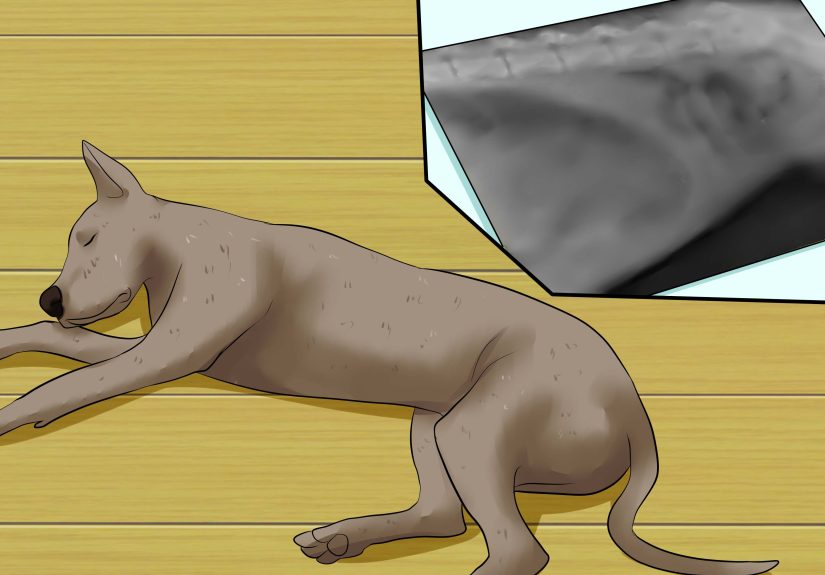
This is the step that turns suspicion into confirmation. At the hospital, the veterinarian will use the dog’s history, physical exam, and imaging to determine whether the stomach is simply distended or has twisted. Abdominal X-rays are typically needed to confirm GDV because gastric dilation and gastric dilatation-volvulus can look similar from the outside.
Veterinarians may also check blood pressure, heart rhythm, bloodwork, and signs of shock to assess severity. If the stomach has twisted, treatment usually involves stabilization, decompression, and emergency surgery, often with a gastropexy to tack the stomach in place and reduce the chance of recurrence. In other words, this is why home diagnosis has limits. Owners can identify danger. Vets confirm the exact problem and treat it.
Common Mistakes Owners Make When Diagnosing Bloat
The biggest mistake is waiting for every single symptom to appear. You do not need a swollen belly, pale gums, collapse, and dramatic music in the background before acting. Many dogs show a handful of classic signs first, and that is enough to justify emergency care.
The second mistake is underestimating breed risk. In a Chihuahua, dry heaving and pacing might send owners down several different roads. In a Great Dane, bloat should be near the top of the list immediately.
The third mistake is confusing “diagnose” with “fix.” Your job is to recognize the pattern and get help. The veterinary team’s job is to confirm GDV, stabilize the dog, and treat the life-threatening part.
What Real-World Experience Teaches Great Dane Owners
Owners who have gone through a bloat scare often describe the same emotional roller coaster. At first, the signs seem vague enough to question yourself. The dog looks uncomfortable, maybe a little restless, maybe a little drooly, maybe like he ate too fast. Then the picture sharpens. He tries to vomit and nothing happens. He paces. He will not settle. His belly seems wrong. Suddenly you are standing in the kitchen realizing this is not ordinary digestive drama. It is an emergency.
One common experience is that the change feels startlingly fast. Great Dane owners often say their dog went from “a bit off” to clearly distressed within a short period. This is why preparation matters. The families who handle these situations best usually already know their nearest emergency hospital, already understand that dry heaving in a Dane is never a cute little quirk, and already have transportation and phone numbers sorted out. In a crisis, fewer decisions equal faster action.
Another lesson owners talk about is how easy it is to second-guess the signs. Great Danes are giant dogs, so subtle abdominal swelling can be harder to notice. Some dogs do not show huge visible bloating at first. Some mainly drool, pace, and retch. Some stand in a “praying” position with the chest lowered and rear elevated, trying to relieve abdominal pain. Because the presentation can vary, experienced owners learn to trust the overall pattern instead of waiting for a perfect textbook moment.
Emergency clinicians also see a repeated pattern in owner stories: the people who come in quickly usually noticed behavior before appearance. They recognized that their dog could not get comfortable, seemed anxious, or kept trying to vomit without success. That behavioral awareness often makes the difference between early arrival and dangerous delay. A Great Dane does not need to look like a balloon to be in trouble.
There is also the emotional side no one enjoys discussing. People who have experienced a GDV emergency often remember the guilt of wondering whether they should have noticed sooner. The healthier lesson is not guilt. It is readiness. Learn the signs, keep emergency numbers handy, know the route to the clinic, and talk with your veterinarian about preventive gastropexy if your Dane is not already spayed or neutered and may undergo anesthesia in the future. Prepared owners are not paranoid. They are practical.
In the end, the most valuable experience-based takeaway is simple: if your Great Dane is pacing, retching, drooling, and acting painful, treat it like bloat until proven otherwise. No owner ever regrets arriving too early at the emergency hospital. They only regret arriving too late.
Final Thoughts
Diagnosing bloat in Great Danes is really about recognizing a dangerous cluster of signs and understanding that speed saves lives. Start with the breed’s high risk. Watch for restlessness, dry heaving, drooling, abdominal swelling, pain, breathing changes, and pale gums. Notice how quickly things are changing. Then act.
If you remember only one sentence from this article, make it this one: a Great Dane with sudden retching, distress, and a suspicious belly needs an emergency vet, not a wait-and-see experiment. That mindset will do more to protect your dog than any clever internet hack ever could.