Table of Contents >> Show >> Hide
- Step 1: Define What “Fit” Means for You
- Step 2: Start With a Baseline, Not a Fantasy
- Step 3: Make a Schedule That Survives Real Life
- Step 4: Build Your Cardio Base First
- Step 5: Add Strength Training at Least Twice a Week
- Step 6: Learn Intensity So You Don’t Train Too Hard or Too Easy
- Step 7: Warm Up and Cool Down Every Time
- Step 8: Train Mobility, Flexibility, and Balance Too
- Step 9: Eat for Energy, Recovery, and Results
- Step 10: Hydrate Like It Actually Matters (Because It Does)
- Step 11: Sleep More If You Want Better Results
- Step 12: Progress Gradually and Track the Right Things
- Step 13: Protect Recovery and Avoid the Overtraining Trap
- Final Thoughts
- Extra Add-On: Real-World Experiences With Getting Fit (500+ Words)
- Editorial Note
Getting fit sounds simple until real life shows up with snacks, deadlines, bad weather, and that one friend who says “let’s start Monday” every single week. The good news: fitness does not require a six-pack, a fancy gym membership, or a dramatic personality change. It requires a plan you can actually follow.
This guide breaks fitness down into 13 practical steps that work in the real world. You’ll build a routine that improves strength, stamina, mobility, mood, and energywithout going full “boot camp montage.” The goal here is sustainable progress: the kind that still works when you’re busy, tired, or not feeling super motivated.
If you’re brand-new, start small. If you’re restarting (which is honestly a fitness skill), start smart. And if you have a medical condition, injury, or you’re pregnant/postpartum, check in with a healthcare professional before making major changes.
Step 1: Define What “Fit” Means for You
“Getting fit” is vague, and vague goals are where motivation goes to disappear. Before you touch a dumbbell, decide what fit means in your life. Do you want to climb stairs without feeling winded? Keep up with your kids? Improve your sports performance? Sleep better? Lower stress? Build muscle? Train for a 5K?
Pick 2–3 outcomes that matter to you. Keep them behavior-based when possible. “Exercise 4 days a week” beats “look better by summer” because you can control it. Fitness is easier when your goals are about what your body can do, not just how it looks in a mirror under suspicious lighting.
Step 2: Start With a Baseline, Not a Fantasy
One of the fastest ways to quit is to build a plan for your “ideal self” instead of your current self. Start with a baseline. For one week, track what you already do: how much you walk, how long you sit, how you sleep, and how often you exercise. No judgment. You’re collecting data, not writing a confession.
Then set a realistic starting point. If you’re currently active zero days a week, your first target is not seven days of intense workouts. It might be 20-minute walks three times a week plus two short strength sessions. You can build from there.
Step 3: Make a Schedule That Survives Real Life
Motivation is unreliable. Calendars are better. Put workouts on your schedule like appointments. Decide:
- What you’ll do (walk, lift, bike, yoga, etc.)
- When you’ll do it (specific day and time)
- Where you’ll do it (home, gym, park, school track)
- How long it will take (even 15–20 minutes counts)
Bonus tip: Use “if-then” planning. Example: If I miss my morning workout, then I’ll do a 20-minute walk after dinner. This keeps one missed session from turning into “I guess I live on the couch now.”
Step 4: Build Your Cardio Base First
Cardio doesn’t have to mean sprinting until you question all your life choices. The best cardio for beginners is the kind you’ll repeat: brisk walking, cycling, swimming, dancing, hiking, jogging, or even fast-paced yard work.
A simple starting structure:
- 3–5 days per week
- 20–30 minutes per session
- Moderate effort (you can talk, but singing would be weirdly difficult)
As your fitness improves, gradually increase time, pace, or intensity. Cardio supports heart health, stamina, blood sugar control, and overall energy. It also helps your body recover better between strength workouts. In other words, it’s not “extra”it’s part of the foundation.
Step 5: Add Strength Training at Least Twice a Week
If cardio is the engine, strength training is the frame. It helps you build muscle, improve bone strength, boost metabolism, and make daily tasks easier (lifting groceries, climbing stairs, carrying backpacks, existing as a human).
Start with full-body workouts 2 days per week on non-consecutive days. Focus on movement patterns, not complicated gym tricks:
- Squat (chair squat, goblet squat)
- Hinge (hip hinge, deadlift pattern)
- Push (push-ups, dumbbell press)
- Pull (rows, bands)
- Core (planks, dead bugs, carries)
Do 1–3 sets of 8–15 reps per exercise with good form. The last few reps should feel challenging, but not like your skeleton is trying to file a complaint.
Step 6: Learn Intensity So You Don’t Train Too Hard or Too Easy
A lot of people either go too hard too soon or stay so comfortable they never improve. The fix is learning intensity.
Use the Talk Test
For cardio, moderate intensity usually means you can talk but not sing. Vigorous intensity means you can only say a few words at a time before breathing harder. This is an easy, useful way to pace yourself without overthinking numbers.
Use “Reps in Reserve” for Strength
On most sets, stop with about 1–3 good reps left “in the tank.” That gives you enough challenge to improve without wrecking your form. Fitness progress is built on consistency, not heroic suffering.
Step 7: Warm Up and Cool Down Every Time
The warm-up is not optional. It’s the bridge between “I was sitting” and “now I’m moving on purpose.” A short warm-up helps raise body temperature, gets joints moving, and prepares your muscles for exercise.
Quick Warm-Up (5–10 Minutes)
- Easy walking or cycling
- Arm circles
- Leg swings
- Bodyweight squats
- Light dynamic stretches
After your workout, cool down with a few minutes of easier movement, then do gentle stretching for the muscles you used. It’s a simple habit that helps you feel better and makes tomorrow’s workout much less dramatic.
Step 8: Train Mobility, Flexibility, and Balance Too
Fitness isn’t just cardio plus weights. Mobility, flexibility, and balance help you move well, reduce stiffness, and lower injury risk. They also make your other workouts better.
Add 5–10 minutes on most days:
- Mobility: hip openers, thoracic rotations, ankle mobility
- Flexibility: hamstring, calf, chest, and hip flexor stretches
- Balance: single-leg stands, heel-to-toe walking, tai chi-style movements
If you sit a lot for school or work, this step matters even more. You don’t need to become a yoga influencer. Just move your joints through a healthy range regularly.
Step 9: Eat for Energy, Recovery, and Results
You can’t out-train a chaotic diet, but you also don’t need a “perfect” meal plan. Think in patterns, not punishment.
Build a Better Plate
A practical formula for most meals:
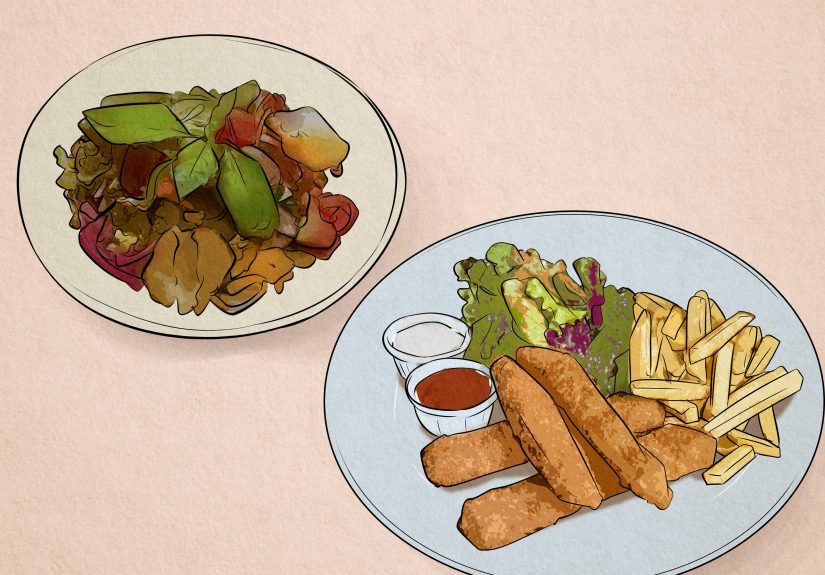
- 1/2 plate: vegetables and fruit
- 1/4 plate: protein (chicken, fish, eggs, beans, tofu, yogurt, lentils)
- 1/4 plate: whole grains or starchy carbs (rice, oats, potatoes, whole-grain bread)
- Add healthy fats: nuts, seeds, avocado, olive oil
This helps you fuel workouts, recover better, and stay full longer. If your goal includes fat loss, don’t slash calories aggressively. That usually backfires. Aim for consistency and portion awareness instead. If your goal is muscle gain, make sure you’re eating enough protein and total calories to support training.
Step 10: Hydrate Like It Actually Matters (Because It Does)
Hydration affects energy, performance, and recovery more than people realize. If you’re even mildly dehydrated, workouts can feel harder than they should.
Keep it simple:
- Drink fluids regularly throughout the day
- Drink before and after workouts
- For long, sweaty sessions, consider fluids with electrolytes
- Use urine color as a rough check (pale yellow is a good sign for many people)
No need to carry a gallon jug unless you enjoy that. A refillable bottle and a basic habit will do a lot of the work.
Step 11: Sleep More If You Want Better Results
Sleep is the least flashy fitness tool and maybe the most important. Training breaks your body down a little; recovery (including sleep) is when it rebuilds.
Poor sleep can make workouts feel harder, reduce motivation, increase cravings, and mess with recovery. Aim for at least 7 hours per night, and more if you’re a teen or in heavy training.
Easy Sleep Wins
- Keep a consistent bedtime and wake time
- Reduce screens right before bed if possible
- Keep your room cool, dark, and quiet
- Avoid very late caffeine if it messes with your sleep
If your sleep is all over the place, fixing that alone can improve how “fit” you feel before you change anything else.
Step 12: Progress Gradually and Track the Right Things
Fitness is a long game. The people who get results are usually not the people doing the hardest programthey’re the people doing a good program for a long time.
Track a few meaningful metrics:
- Workouts completed per week
- Minutes walked or cardio sessions done
- Strength numbers (reps, weight, sets)
- Energy level and sleep quality
- How your clothes fit or how your body feels
Increase your training slowly. Add a little time, a little weight, or a few reps when your current plan feels manageable. Small upgrades stack up fast. This is how beginners become “people who exercise.”
Step 13: Protect Recovery and Avoid the Overtraining Trap
More exercise is not always better. Better is better. Your body needs recovery to adapt, and rest is part of training, not a break from it.
Signs you may be doing too much:
- Constant fatigue
- Lingering soreness or stiffness
- Trouble sleeping
- Irritability or low motivation
- Performance getting worse instead of better
Plan at least 1–2 lighter days each week. Recovery can include walking, stretching, mobility work, or just sleeping like a champion. If something hurts in a sharp, specific, or worsening way, don’t “push through” itadjust, rest, or get it checked.
Final Thoughts
Getting fit is not about becoming a different person. It’s about building a few repeatable habits: move often, train your strength, eat mostly real food, sleep enough, and keep going when the week isn’t perfect.
If you only remember one thing from this guide, make it this: consistency beats intensity. A decent routine you can keep will outperform an extreme routine you quit.
Start with one step today. Then another tomorrow. That’s how fitness happens.
Extra Add-On: Real-World Experiences With Getting Fit (500+ Words)
Here’s the part most fitness articles skip: what getting fit feels like in real life. It usually doesn’t feel like a movie montage. It feels like small decisions repeated often enough that your body starts to trust you.
Take the “busy student” example. At first, they try to work out for an hour every day and burn out by Thursday. Then they switch to a smarter plan: 25-minute walks on school days, two strength sessions on the weekend, and a short mobility routine before bed. It doesn’t look impressive on paper, but after six weeks they notice they’re less winded, sleeping better, and not getting random back stiffness from sitting all day. That’s fitness. Not dramatic, but very real.
Another common experience is the “all-or-nothing” cycle. A lot of people think if they miss one workout, the week is ruined. But the people who actually get fit learn to restart quickly. They stop treating missed workouts like a failure and start treating them like traffic: annoying, but not the end of the trip. One missed workout becomes “I’ll do a shorter one tonight” instead of “I’ll try again next month.”
Then there’s the strength-training surprise. Beginners often start lifting weights because they want to “tone up,” but what keeps them going is how strong daily life starts to feel. Grocery bags become easy. Stairs are less rude. Posture improves. They feel more capable. This is one of the most underrated benefits of fitness: confidence that comes from your body doing what you ask it to do.
People also underestimate how much sleep and food affect the process. Many notice that on days they sleep poorly, workouts feel harder, cravings are stronger, and motivation drops. On the flip side, when they eat balanced meals and hydrate well, their workouts feel smoother and recovery is faster. It’s not magic. It’s just the body being a very honest machine.
One more experience worth mentioning: progress is rarely linear. You might feel amazing for two weeks, then have a low-energy week, then bounce back stronger. That doesn’t mean the plan stopped working. It means you’re a human being, not a robot with a charging dock. The smartest approach is to keep the routine flexible enough to handle real life. Hard day? Do the lighter version. Short on time? Do 15 minutes. Traveling? Walk more and do bodyweight basics.
Over time, these “fallback options” become your secret weapon. They keep momentum alive. And momentum matters more than perfection.
The best fitness transformations are usually boring from the outside. They look like someone walking after dinner, doing squats in their room, drinking more water, going to bed earlier, and repeating that pattern for months. But from the inside, they feel huge: more energy, better mood, less stress, stronger body, sharper focus.
That’s the real experience of getting fit. It starts small, gets messy, improves slowly, and eventually becomes part of who you are. Not because you found the “perfect” planbecause you found a plan you could keep.
Editorial Note
This article is synthesized from guidance and educational materials from reputable U.S.-based health organizations and institutions, including CDC, HHS/health.gov, the American Heart Association, Mayo Clinic, USDA MyPlate, NIDDK, NHLBI, MedlinePlus/NIH, Johns Hopkins Medicine, Cleveland Clinic, and ACSM.